
7 Days in Vienna: Imperial Sights, Coffeehouses, Kardinal König Haus & Easy Austrian Day Trips
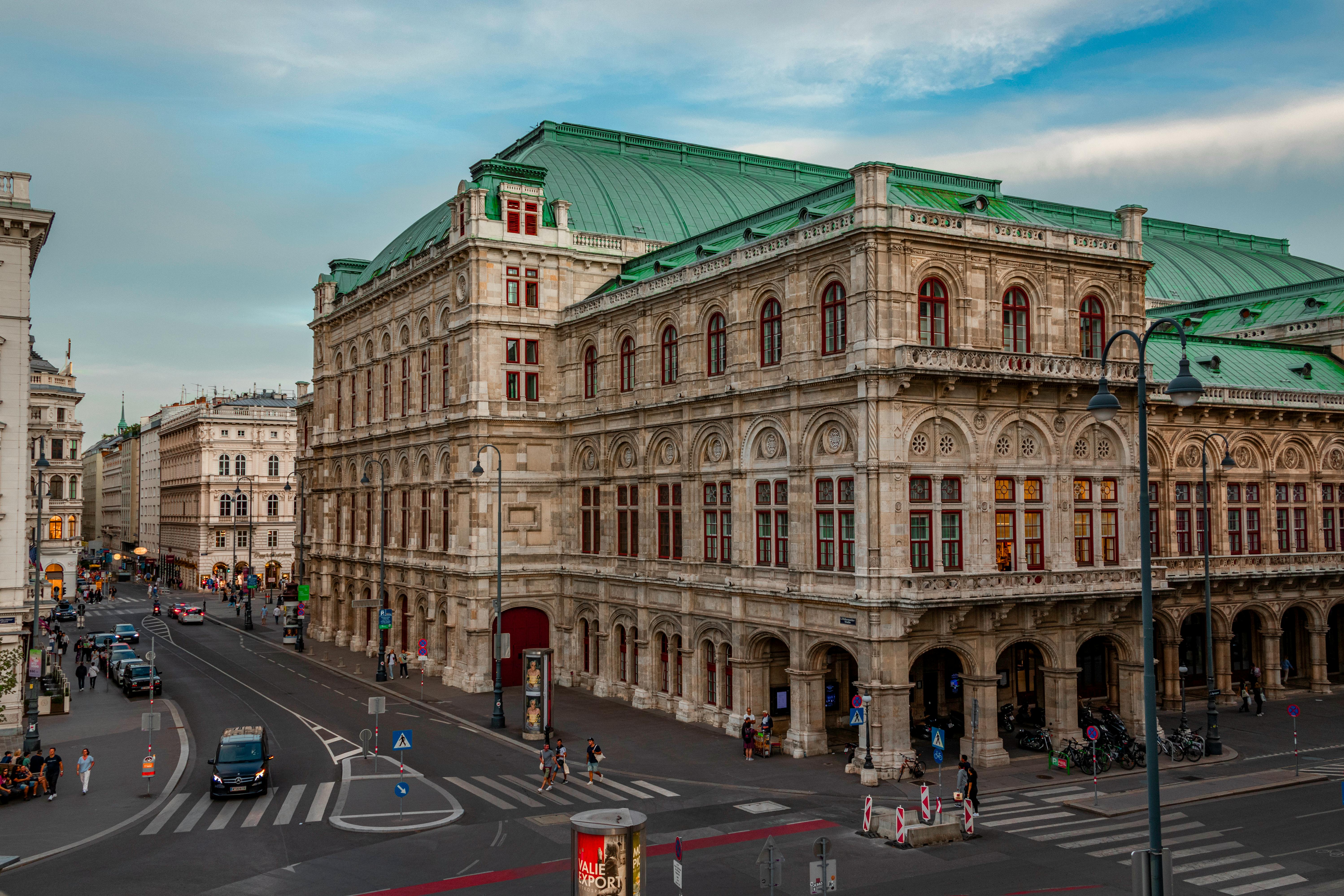
Vienna is one of Europe’s great capital cities: imperial, musical, cerebral, and surprisingly easy to enjoy at street level. Once the seat of the Habsburg Empire, it gathered court ceremony, modern art, psychoanalysis, coffeehouse culture, and world-class music into one elegant city that still rewards unhurried wandering.
It is also a city of delightful contrasts. You can stand beneath the baroque grandeur of Schönbrunn Palace in the morning, eat a humble sausage at a würstelstand for lunch, and hear Mozart or Vivaldi in a church or concert hall by night. Even its cafés are part of the story; they are less pit stop than institution, with newspapers, pastry counters, and the quiet sense that one more hour at the table is perfectly acceptable.
For practical planning, Vienna is safe, efficient, and well connected by public transport, with trams, U-Bahn lines, and walkable central districts making a week here very manageable. Austrian food goes well beyond schnitzel: look for tafelspitz, goulash, seasonal asparagus dishes, market produce, natural wine, and the city’s famous cakes, while Kardinal König Haus offers a calmer base in the greener 13th district near the Vienna Woods.
Vienna
Vienna rewards both first-time visitors and repeat travelers because it never asks you to choose between grandeur and intimacy. One hour you are inside palace apartments and ceremonial squares; the next you are in a market lane, a Biedermeier side street, or a quiet Heuriger-style wine tavern atmosphere on the city’s edge.
Kardinal König Haus, in Hietzing, is especially well placed for travelers who want reflective surroundings without feeling cut off from the city. You are not far from Schönbrunn Palace, the Vienna Woods, and good tram or U-Bahn connections into the Innere Stadt, which means you can sightsee hard when you want and retreat to a quieter quarter when you do not.
Where to stay: If you want alternatives to Kardinal König Haus, browse VRBO homes in Vienna or Hotels.com stays in Vienna.
- For classic old-world Vienna: Hotel Sacher Wien places you near the State Opera and delivers the full historic address experience.
- For strong value and location: Motel One Wien-Staatsoper is practical, stylish, and close to the Ringstrasse sights.
- For transit convenience: Hilton Vienna Park works well for airport access and city connections.
- For budget travelers: Wombat's City Hostel Vienna Naschmarkt puts you by one of Vienna’s most useful food districts.
- For a quieter western base: Austria Trend Hotel Zoo Wien suits Schönbrunn-focused stays.
Getting to Vienna: For flights into Europe, compare options on Omio. If you are arriving from another European city by rail, check Omio trains; Vienna’s Hauptbahnhof is efficient, central enough, and easy for onward U-Bahn connections. From Vienna Airport to the city, expect roughly 20 to 30 minutes by rail depending on service, with typical public transport costs around €5-15.
Viator experiences worth building into this week:
- Vienna: Skip-the-Line Schönbrunn Palace & Gardens Tour — ideal for understanding imperial Vienna early in the trip.
- Best of Vienna : Historic Center Walking Tour — a smart orientation to the old city.
- Vienna Food Tour: Coffeehouses, Markets, Lunch & Street Food — excellent for coffeehouse culture and neighborhood context.
- Wachau Valley Small-Group Tour and Wine Tasting from Vienna — the best countryside contrast to your city days.


Day 1: Arrival in Vienna and a Gentle First Evening in Hietzing
Morning: This is your travel day, so keep the schedule intentionally light. If you are still in transit, use Omio to compare any final flight or rail details into Vienna and aim for an afternoon arrival.
Afternoon: Check in at Kardinal König Haus and settle into the calmer rhythm of the 13th district. This area feels more residential and leafy than the center, which makes it a fine antidote to travel fatigue. For a late lunch or substantial snack, head toward Café Dommayer in Hietzing, a historic café associated with Viennese music culture, where you can order a melange, soup, or pastry and begin your week properly.
Evening: Keep your first night close to your base. Stroll around Hietzing and, if energy allows, walk toward the outer approaches of Schönbrunn for a sense of place without committing to full sightseeing. For dinner, reserve at Plachutta Hietzing if you want one of Vienna’s signature dishes done seriously; tafelspitz, the classic boiled beef served in broth with apple-horseradish and chive sauce, is a deeply Viennese choice and a more interesting first-night meal than default schnitzel.
Day 2: Historic Center, Imperial Vienna, and St. Peter’s by Night
Morning: Begin in the Innere Stadt with the Best of Vienna : Historic Center Walking Tour. This is the right first full-day activity because it ties together the Hofburg Palace, St. Stephen’s Cathedral, the Ringstrasse, and the logic of the old imperial capital. Before the tour, have breakfast at Café Central only if you do not mind queues and want the grand, famous setting; otherwise choose Café Diglas for a more manageable traditional breakfast with excellent pastries and a proper coffeehouse mood.
Afternoon: After the tour, visit St. Stephen’s Cathedral and then walk through Graben and Kohlmarkt toward the Hofburg precinct. For lunch, try Zum Schwarzen Kameel, a Vienna institution known for elegant open-faced sandwiches and Austrian classics, or stop at Trzesniewski for tiny, affordable sandwiches if you want something quick and very local. Spend the rest of the afternoon with the Imperial Apartments or the Sisi Museum if court life and Habsburg mythology interest you.
Evening: Dine at Meissl & Schadn near the State Opera, where the schnitzel is expertly prepared and the room feels rooted in classic Vienna without becoming theatrical. Afterwards, hear music in an intimate sacred setting at the Vienna Classical Concert at St. Peter’s Church; this is a beautiful way to experience the city’s musical identity without the formality of a major opera evening.
Day 3: Schönbrunn Palace, Gardens, and Naschmarkt
Morning: Dedicate the morning to the Vienna: Skip-the-Line Schönbrunn Palace & Gardens Tour. Schönbrunn is not merely a palace visit; it is the Habsburg summer residence, a stage set for dynastic politics, etiquette, and imperial family life. The guided format is worth it because the palace interiors make far more sense when someone explains who lived here, how the rooms functioned, and why Maria Theresa still looms so large over Austrian memory.
Afternoon: Stay in the gardens after the formal tour and climb to the Gloriette for one of the best classic views over Vienna. Then head to Naschmarkt for lunch, where Neni remains a popular pick for Eastern Mediterranean flavors, while nearby market stalls are better for grazing if you want smaller bites. If you prefer a sit-down local meal instead, Gasthaus Zur Eisernen Zeit serves hearty Viennese fare in a more old-school register.
Evening: For dinner, choose Gastwirtschaft Schilling in the 7th district, a favorite for seasonal Austrian cooking that feels current but still grounded in local tradition. If you want another musical evening, the Classical concert Vivaldi 4 seasons in Karlskirche Vienna pairs splendidly with the baroque drama of Karlskirche itself.
Day 4: Coffeehouses, Markets, and Modern Vienna
Morning: Today is for the living city rather than the ceremonial one. Join the Vienna Food Tour: Coffeehouses, Markets, Lunch & Street Food, which gives you the context many travelers miss: Vienna is not preserved in amber, and its neighborhoods are full of immigrant influences, market culture, and fiercely defended coffee preferences.
Afternoon: After the tour, spend time in the MuseumsQuartier area. If you want art, focus on Leopold Museum for Egon Schiele and Austrian modernism; if you would rather remain outdoors, wander Spittelberg’s narrow streets, where Biedermeier houses and small shops make a pleasant contrast to the imperial boulevards. For an afternoon coffee and cake, Café Sperl is an excellent choice, less frenzied than some headline cafés and full of lived-in atmosphere.
Evening: Book dinner at Skopik & Lohn if you want something stylish and contemporary, or go to Amerlingbeisl for a more relaxed, courtyard-centered evening with Austrian staples. End the night with a slow walk along the Ringstrasse or a drink at Loos American Bar, a tiny design landmark where Adolf Loos proved that architecture can be felt as much in a room’s proportions as seen on a façade.
Day 5: Day Trip to the Wachau Valley
Take the Wachau Valley Small-Group Tour and Wine Tasting from Vienna for a rewarding contrast to the capital. The Wachau, a UNESCO-listed stretch of the Danube between Melk and Krems, is known for terraced vineyards, apricots, monastery views, and villages that seem designed to remind city dwellers to slow down.
This is one of the best excursions from Vienna because it combines scenery, architecture, and food rather than offering a simple box-ticking transfer. Expect a full day with wine tasting, river landscapes, and a traditional lunch; it works especially well in the middle of the trip, when you are ready for fresh air and fewer façades.
If you prefer to arrange intercity rail independently instead of a guided outing on another day, compare European train options on Omio trains. For this itinerary, however, the organized Wachau day is more efficient and richer in explanation than piecing it together yourself.
Day 6: Belvedere, Secession-Era Vienna, and a Grand Musical Night
Morning: Start at Belvedere Palace, where the palace complex itself is worth the trip and the art collection gives you Gustav Klimt’s The Kiss in its home city. Beforehand, take breakfast at Vollpension, where the café’s intergenerational concept is matched by very good cakes and comforting breakfast plates; it is one of the more memorable contemporary additions to Vienna’s food scene.
Afternoon: Continue with Vienna around 1900 by visiting either the Secession building or the Wien Museum if you want a broader historical frame. For lunch, stop at Café Museum, long associated with artists and intellectuals, or choose a lighter meal at a nearby bistro before walking to Karlskirche and the surrounding square. This part of the city shows how Vienna moved from imperial display into modern design and cultural experimentation.
Evening: Make your final full night a musical one in a major venue. The Vienna Mozart Concert in Historical Costumes at the Musikverein is a festive choice, while the Vienna: Classical Music Concert in the World-Famous Musikverein offers a more straightforward concert experience. For dinner beforehand, try Gmoakeller for robust Austrian classics in a vaulted, traditional interior, or Café Schwarzenberg if you want an old-line Ringstrasse setting with a touch of fin-de-siècle mood.
Day 7: A Quiet Morning, Last Tastes of Vienna, and Departure
Morning: Keep your last day close to Kardinal König Haus and the western side of the city. If the weather is good, take a gentle walk in Lainzer Tiergarten or along the greener margins of Hietzing; this is a fine way to remember that Vienna is not only palaces and museums but also parks, woods, and residential calm. Have breakfast at a neighborhood café, or return to a favorite coffeehouse for one last melange and pastry.
Afternoon: Depending on your departure time, fit in a final lunch at a würstelstand or a proper sit-down meal. Bitzinger Würstelstand by the Albertina is central and reliably local for a quick last bite, while a final slice of Sachertorte or Apfelstrudel at Café Mozart offers a more ceremonious farewell. Then collect bags and head to the airport or station, allowing 20 to 30 minutes to the airport by rail plus transfer time.
Evening: You will likely be in transit. If you are continuing onward in Europe by train or flight, use Omio trains or Omio flights to compare schedules and fares.
This 7-day Vienna itinerary gives you the city in layers: imperial spectacle, coffeehouse ritual, excellent food, music worthy of its reputation, and the restorative calm around Kardinal König Haus. It is a week that leaves room for both famous masterpieces and small pleasures, which is exactly how Vienna is best understood.