
7 Days in Vienna and Prague: A Nuclear Industry Education & Innovation Itinerary
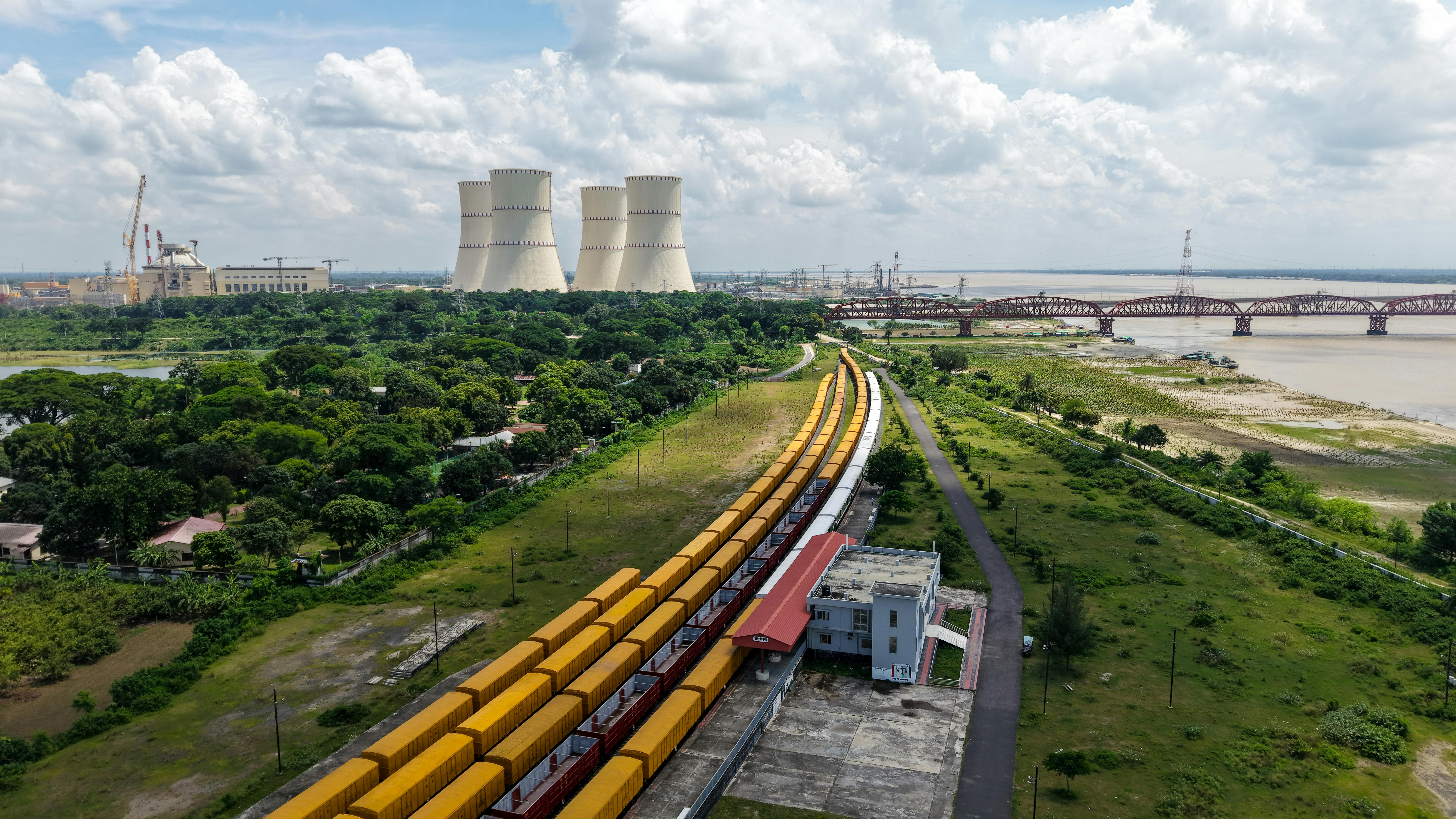
Curious how the next generation of nuclear professionals will be trained—and where? This 7-day Central Europe itinerary dives into Vienna and Prague, two cities where policy, research reactors, and industry meet. You’ll tour the UN’s Vienna International Centre (home to IAEA exhibits), explore university labs by prior arrangement, and visit power-plant information centers designed to explain modern reactor operations and safety.
Both cities also reward the curious traveler: imperial Vienna with Kaffeehäuser and wine taverns, and Gothic-to-Art-Nouveau Prague with cobbled lanes, craft beer, and river views. Between academic stops, you’ll walk grand boulevards, linger over open-faced sandwiches and schnitzel, and catch a jazz set on the Vltava.
Practical notes: Bring a passport for UN/industry site ID checks and request university or plant visits well in advance (security rules apply). Public transport is excellent; trains between cities are fast, comfortable, and budget-friendly. Expect hearty Austrian and Czech cuisine—balanced by some of Europe’s best coffee bars.
Vienna
Vienna pairs imperial architecture with a serious science pedigree. The Vienna International Centre hosts the IAEA; TU Wien trains engineers; and Austria’s unique Zwentendorf—the finished-but-never-activated nuclear plant—now serves as a real-world training site. When you’re not learning, you’ll sip melange in historic cafés and hear strings drifting from palaces.
- Top nuclear/engineering stops: UN Vienna tour with IAEA-focused exhibits, Technisches Museum Wien (energy, grid, and reactor history), Zwentendorf training tours (by prior booking).
- Classic Vienna: Hofburg, Ringstrasse, St. Stephen’s Cathedral, Danube Canal murals, and a night at a Heuriger wine tavern.
- Where to stay: Search stays on VRBO Vienna or hotels via Hotels.com Vienna.
- Getting there: Compare flights to Vienna on Omio (Flights). Within the city, the U-Bahn/trams are efficient; a 24-hour ticket runs about €8–€10.
Day 1 — Arrival in Vienna
Afternoon: Arrive and check in near the Innere Stadt for easy walking. Shake off jet lag with a melange at Café Jelinek (wood-paneled, locals’ favorite) or Café Sperl (billiards and brass chandeliers). Stroll the Ringstrasse past the Opera and Hofburg to set your mental map.
Evening: Dinner at Gasthaus Pöschl for crisp, pan-fried schnitzel or at Plachutta Wollzeile for Tafelspitz simmered in broth (ask for root-veg sides and apple-horseradish). Grab a nightcap at Bitzinger Würstelstand by the Albertina—yes, a sausage stand, but the spicy Käsekrainer with mustard is a cult classic.
Day 2 — UN Vienna, IAEA exhibits, and Energy Heritage
Morning: Take the U1 to \"Kaisermühlen–VIC\" for a guided tour of the Vienna International Centre (allow ~1 hour; ticket ~€15; bring passport). The visitor route highlights UN agencies and often features IAEA exhibits on safeguards, security, and peaceful applications of nuclear science.
Afternoon: Snack on open-faced sandwiches at Zum Schwarzen Kameel (smoked trout, egg, and cress are standouts), then head to the Technisches Museum Wien. Focus on the energy halls—power grids, reactor models, turbine cutaways—and the history of electricity in Austria (about €16, 2 hours). Coffee fix: Balthasar Kaffee Bar near Praterstrasse for light-roast espresso.
Evening: Ride the tram to Grinzing for a classic Heuriger. Mayer am Pfarrplatz pours young Viennese wine in vine-draped courtyards; share a platter of Liptauer, roast pork, and potato salad. If you still have energy, end with skyline views at Das Loft bar (arrive early for a window seat).
Day 3 — Zwentendorf Training Plant (Field Day)
Pre-book a Zwentendorf tour (typically selected dates, spring–autumn; ~€20–€25; security ID required). This is the world’s only commercial nuclear plant completed but never fueled—now a goldmine for realistic training, from control-room drills to containment inspections.
Morning: Regional train from Vienna Franz-Josefs-Bahnhof to Tulln an der Donau (~25 minutes; ~$8–$12), then a 15-minute taxi to the site. Expect a guided walkthrough of the turbine hall, reactor building, and training spaces with rich discussion of systems, safety culture, and decommissioning practices.
Afternoon: Lunch riverside at Bootshaus Tulln (seasonal fish, salads) and, time permitting, a quick stop at the Egon Schiele Museum Tulln to connect art and industry in Lower Austria. Return to Vienna mid-afternoon.
Evening: Keep it casual: grab a seat at Gulasch & Söhne for paprika-rich beef goulash and a slice of poppy-seed cake. If music’s your thing, check for a short classical set at a nearby church venue.
Prague
Prague is equal parts storybook skyline and serious STEM. CTU’s Faculty of Nuclear Sciences trains specialists on the VR-1 training reactor; CEZ’s Temelín plant runs a sophisticated visitor center; and the National Technical Museum chronicles Czech engineering prowess. Between labs, you’ll wander lanes where Kafka wrote and sip some of Europe’s best lagers.
- Top nuclear/engineering stops: CTU Faculty of Nuclear Sciences (FNSPE) study visit and VR-1 training reactor (by prior request), Temelín Information Center day trip, National Technical Museum.
- Classic Prague: Old Town Square, Astronomical Clock, Charles Bridge at dawn, Letná Park views, and Karlín’s new-wave cafés.
- Where to stay: Browse stays on VRBO Prague or hotel deals on Hotels.com Prague.
- Getting in from Vienna: Morning trains take ~4 hours and often include Wi‑Fi. Book on Omio (Trains in Europe). Buses are ~4.5 hours and budget-friendly via Omio (Buses in Europe).
Day 4 — Vienna to Prague, Old Town orientation
Morning: Depart Vienna for Prague by Railjet/EuroCity or RegioJet (~4 hours, ~$20–$60 on Omio Trains). Bus options run ~$10–$30 on Omio Buses. Check in near Old Town or Malá Strana.
Afternoon: Coffee at EMA Espresso Bar (bright, Scandinavian-style roastery vibes), then an easy loop: Old Town Square, the Astronomical Clock (on the hour for the procession), and across the Charles Bridge to Kampa Island.
Evening: Dinner at Lokál Dlouhááá for perfect Pilsner and Czech comfort plates (svíčková with dumplings; fried cheese with tartar). Cap the night at Hemingway Bar—classic cocktails with an absinthe page, reservations recommended.
Day 5 — University Reactor and Technical Heritage
Morning: Head to Dejvice for a pre-arranged study visit at CTU’s Faculty of Nuclear Sciences and Physical Engineering (FNSPE). When available to academic groups, the VR-1 training reactor briefing illustrates core physics, control rods, and safety protocols. If visits aren’t available, tour the striking National Library of Technology next door and chat with students about capstone projects.
Afternoon: Lunch at Café Záhorský (soups, quiches, excellent cakes) or Lokal Bloku (burgers, Czech lagers). Then spend 2–3 hours at the National Technical Museum—don’t miss the transport hall (locomotives and aircraft) and the mining exhibit. Coffee stop: Můj šálek kávy in Karlín for meticulous pour-overs.
Evening: Dine at Kantýna, a butcher’s canteen where you order by weight—try dry-aged sirloin, potato purée, and pickled veg; eat standing at marble tables like a local. Nightcap at Dva Kohouti, a lively craft brewery co-created by Ambiente, pouring crisp lagers and rotating specials.
Day 6 — Temelín Nuclear Power Plant Visitor Center (Field Day)
Pre-book the CEZ Temelín Information Center tour (often free; English available; carry ID). Expect interactive exhibits, a control-room simulator, and a deep dive into contemporary reactor operations and grid integration.
Morning: Train from Praha hl.n. to České Budějovice (~2 hours, ~$12–$20 each way via Omio Trains). From there, a regional bus or taxi (35–45 minutes) to the visitor center near Týn nad Vltavou. Alternative: direct bus Prague–Týn nad Vltavou (~2–2.5 hours) via Omio Buses.
Afternoon: After the tour, lunch at Masné krámy in České Budějovice for roast pork with dumplings and Budvar tapped the Czech way (thick, creamy head). Time permitting, detour via Hluboká nad Vltavou for castle photos before your return train to Prague.
Evening: Dinner at Eska in Karlín—modern Czech cooking from open flames and fermentations (try the potato in ash with smoked fish and kefir, and house sourdough). If you’d like live music, Jazz Dock sits right on the river with a compact, acoustically warm room.
Day 7 — Views, Design, and Departure
Morning: Catch soft light over the city from Letná Park; coffee at Café Letka (butter croissant and flat white, set in a neo-Renaissance corner). Swing through the Jewish Quarter or browse design shops in Holešovice for last-minute gifts.
Afternoon: A quick lunch from Naše maso—order the meatloaf sandwich or a hot dog in a brioche. Depart for the airport; compare routes and fares on Omio (Flights) or take the Airport Express from the main station.
Practical booking tips: University and plant visits often require lead time, passports for all participants, and group minimums; weekday mornings are easiest. If an academic visit can’t be arranged, you’ll still cover the field comprehensively with the UN tour, Zwentendorf training plant, Temelín Information Center, and the technical museums—each strong on safety systems, reactor design, and future energy mixes.
This focused journey balances policy, practice, and pedagogy—linking IAEA frameworks, university training reactors, and utility-run visitor centers. Between seminars and simulators, Vienna and Prague feed the soul with cafés, river walks, and timeless architecture—proof that good study tours can be delicious, too.