
7 Days in Venice, Italy: Canals, Cicchetti, Islands & Hidden Corners
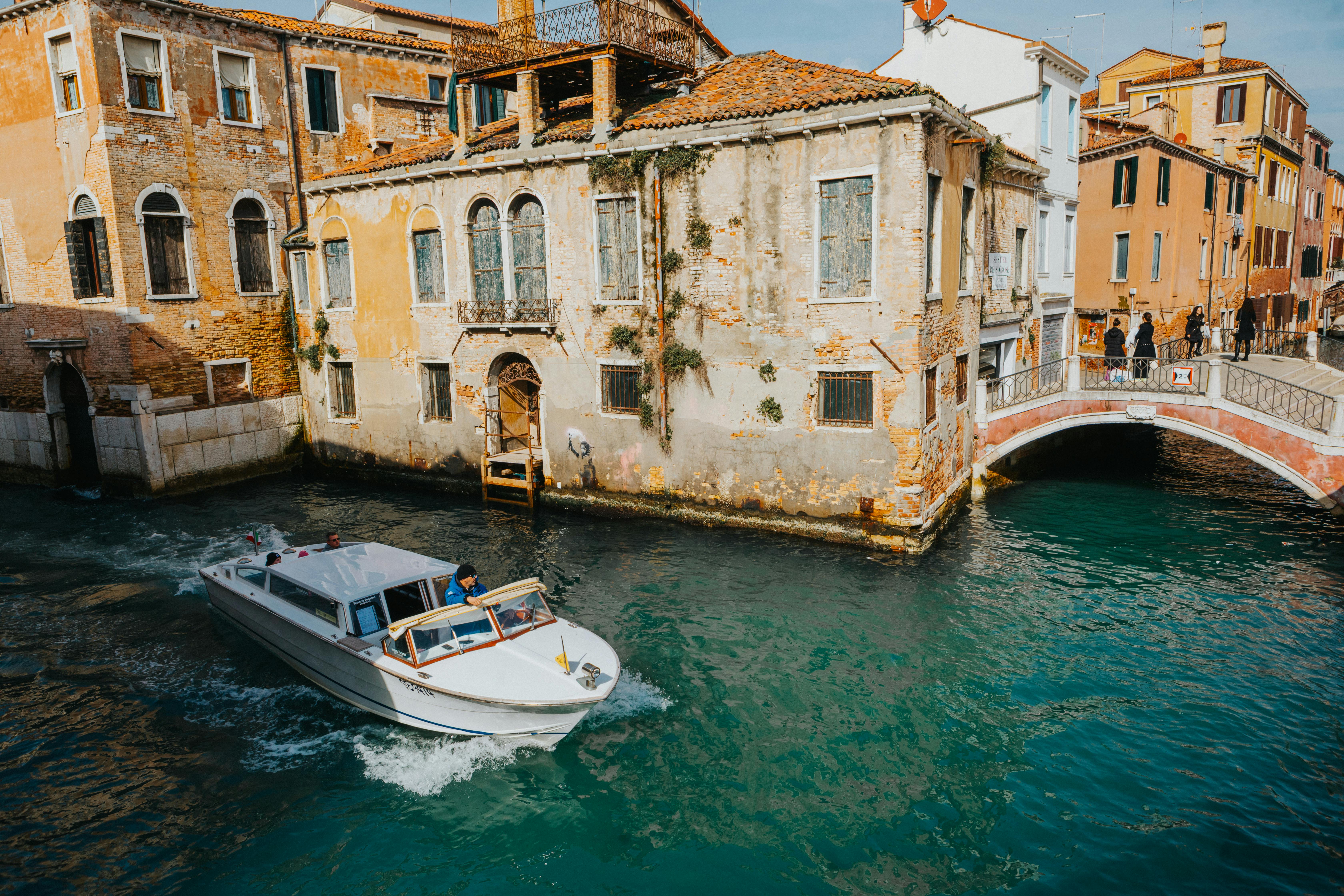
Venice is one of the world’s great improbable cities: a maritime republic raised from mudflats, built on timber piles, and shaped by centuries of trade with Byzantium, the Levant, and northern Europe. Its palaces, campi, and canals are not simply picturesque; they are the surviving architecture of a former mercantile superpower that once helped dictate the rhythm of Mediterranean commerce.
There are, of course, the famous images everyone knows—gondolas beneath bridges, the domes of St. Mark’s Basilica, carnival masks in glowing shop windows—but the city’s real magic is more intimate. It lives in the echo of footsteps along a stone fondamenta at dusk, in a standing lunch of cicchetti and ombra, and in neighborhoods where laundry still hangs over narrow canals far from the largest crowds.
For practical planning, Venice is best enjoyed on foot and by vaporetto, with comfortable shoes, light luggage, and advance bookings for headline sights. Expect tourist taxes, occasional acqua alta in cooler months, and restaurant prices that climb steeply around St. Mark’s Square; the reward for wandering a few bridges farther is often a much better meal and a more memorable view.
Venice
For a 7-day trip, Venice alone is the right choice. The city rewards slow travel more than checklist speed, and a full week lets you see both the monuments and the Venice locals still recognize: Cannaregio wine bars, Dorsoduro art corners, island workshops, market produce, and quiet evening walks after day-trippers leave.
This itinerary balances the essential sights with breathing room. You will cover St. Mark’s Basilica, Doge’s Palace, the Grand Canal, Murano and Burano, plus hidden sestieri, neighborhood bacari, and a memorable day into the Dolomites for contrast.
On arrival, most travelers land at Marco Polo Airport and continue by bus, taxi, or boat into the historic center. For searching transport within Europe, use Omio flights, and for rail connections around Italy or onward journeys, check Omio trains; if you want a scenic water arrival from the airport, this Venice Marco Polo Airport Link Arrival Transfer is a classic first glimpse of the lagoon, while those wanting a faster doorstep arrival can book the private motorboat transfer.
For stays, I recommend browsing both VRBO Venice and Hotels.com Venice. Standout hotel choices include Hotel Antiche Figure for convenience near Santa Lucia station, Hilton Molino Stucky Venice for lagoon views and more space, The Gritti Palace for classic Grand Canal grandeur, and Belmond Hotel Cipriani for a famously polished retreat on Giudecca. Aman Venice is beautiful as well, though note its given link is direct rather than affiliate, so I am keeping recommendations focused on the affiliate options above.
- Best area for first-time visitors: San Marco or San Polo for easy access to major sights.
- Best area for atmosphere and evenings: Cannaregio.
- Best area for art lovers: Dorsoduro, near the Accademia and Guggenheim.
- Food to seek out: cicchetti, sarde in saor, baccalà mantecato, bigoli in salsa, risotto al nero di seppia, moeche in season, and tiramisu.
Day 1 – Arrival in Venice and a Gentle First Evening
Morning: This is your travel day, so keep the morning for transit. If you are still finalizing arrival options into Venice, compare schedules on Omio flights and local transfers, then aim for a hotel check-in that minimizes bridge crossings with luggage.
Afternoon: Arrive in Venice, settle into your hotel, and begin with a short orientation walk rather than an ambitious museum push. A smart first route is from Santa Lucia or Piazzale Roma through Cannaregio or San Polo toward the Grand Canal, letting the city reveal itself slowly through narrow calli, small bridges, and the first widening glimpses of water traffic.
Afternoon: Stop for coffee and something sweet at Pasticceria Tonolo if you are near Dorsoduro later in the day, or choose a simple espresso break at a neighborhood bar en route. For a late lunch, seek out a relaxed bacaro table and order cicchetti—small Venetian bar bites such as whipped salt cod on bread, marinated seafood, or tramezzini—so you can snack without losing the afternoon to a heavy meal.
Evening: For dinner, book a traditional Venetian table at Antiche Carampane, beloved for seafood and a serious kitchen without theatricality. If you prefer something more casual, Al Mercà near Rialto is excellent for an aperitivo stop, while Cantina Do Spade offers old-school bacaro atmosphere in one of the city’s historic dining quarters.
Evening: End with a twilight stroll from Rialto toward St. Mark’s Square after many daytime visitors have dispersed. Venice changes character at night; façades soften, the water darkens, and even the busiest lanes regain a little mystery.
Day 2 – St. Mark’s Basilica, Doge’s Palace, and the Ceremonial Heart of Venice
Morning: Begin early around Piazza San Marco, when the light is softer and the square is at its most theatrical. This is the city’s historic stage set—political, religious, and ceremonial—framed by arcades, the Campanile, the basilica’s gilded façade, and the pink-and-white Gothic tracery of Doge’s Palace.
Morning: For the most efficient and informative introduction, book Best Of Venice: Saint Mark's Basilica, Doges Palace with Guide and Gondola Ride. It smartly combines timed access to Venice’s defining monuments with expert interpretation, which matters here because these are not just beautiful buildings—they are repositories of state propaganda, religious splendor, and the machinery of a republic that once ruled the seas.

Afternoon: After your tour, have lunch near San Marco but avoid the least interesting tourist menus in the square itself. Head instead to Osteria Enoteca San Marco for a more thoughtful meal and wine list, or to a nearby bacaro for cicchetti and a glass of local white before continuing on foot.
Afternoon: Spend the later afternoon exploring the surrounding lanes toward Campo Santa Maria Formosa and Castello. This is a good time to step away from the monumental core and notice carved wellheads, weathered façades, and the domestic Venice tucked just behind the pageantry.
Evening: For dinner, I recommend CoVino, a small, modern Venetian favorite known for seasonal plates and a more intimate pace. If you want a classic splurge, reserve at a hotel restaurant with a Grand Canal or lagoon setting and let the evening become part of the experience rather than just the meal.
Evening: After dinner, take a slow waterside walk along the Riva degli Schiavoni. Looking back toward the Doge’s Palace and San Giorgio Maggiore after dark is one of Venice’s enduring sights, and one best enjoyed without hurry.
Day 3 – Rialto Market, Hidden Venice, and a Food-Focused Evening
Morning: Start at the Rialto Market area, especially lively on weekday mornings. Even if you do not shop, the produce and fish stalls reveal Venice as a city that still eats from the lagoon and mainland hinterland: soft-shell crabs in season, cuttlefish, radicchio, artichokes, and herbs moving from boat to table.
Morning: Grab breakfast nearby—perhaps a cappuccino and pastry standing at the bar, as Venetians do—then continue into the back lanes of San Polo. Cross smaller bridges, pause at quiet campi, and resist the temptation to navigate only by major landmarks; in Venice, getting pleasantly turned around is part of the education.
Afternoon: Today is ideal for Tour of The Real Hidden Venice, which shifts the focus from postcard Venice to lived-in districts and lesser-known corners. A native perspective is especially valuable here because the city’s subtler stories—merchant houses, parish identities, and changing local life—often hide in plain sight.

Afternoon: For lunch, settle into Trattoria alla Madonna near Rialto for dependable Venetian seafood in a historic setting, or choose a lighter spread of cicchetti at All’Arco, a tiny institution known for excellent toppings and serious local flavor. The latter is especially good if you want to eat as Venetians often do—standing, grazing, and moving on.
Evening: Make the evening a culinary one with Eat Like a Local: Venice 3-Hour Small-Group Food Tasting Tour. It is a smart way to decode the bacaro culture, regional wines, and signature dishes, and it helps first-time visitors distinguish genuinely Venetian flavors from menus designed only for passing crowds.

Evening: If you prefer to dine independently afterward, keep it simple with a last glass of wine in Cannaregio. The neighborhood has a looser, more local after-hours mood than San Marco, and it suits Venice very well.
Day 4 – Murano and Burano by Boat
Morning: Dedicate today to the lagoon islands, which show a broader Venice beyond the historic center. Murano’s fame rests on centuries of glassmaking, while Burano is known for lacemaking history and its vividly painted houses, whose colors now draw photographers as surely as fishermen once used them for navigation.
Morning: The most comfortable and efficient option is Murano & Burano Islands Guided Small-Group Tour by Private Boat. Going by private boat saves time and gives the day a more polished rhythm than piecing it together via crowded public ferries.

Afternoon: On Murano, pay attention not only to the demonstration but also to the island’s quieter canals and church architecture; it is more than a showroom if you look beyond the furnaces. On Burano, have lunch if time allows and try seafood or a simple risotto in a trattoria setting, then walk the smaller lanes away from the busiest photo spots.
Afternoon: If you prefer a shorter outing, the Half Day Murano and Burano Island Tour by Private Boat is another good option. For a 7-day Venice itinerary, however, the fuller version is worthwhile because it lets the lagoon breathe a little.
Evening: Return to Venice and dine in Dorsoduro, where the evenings feel a touch more residential and less staged. For dinner, consider Osteria ai 4 Feri for a dependable neighborhood meal, then finish with a canal-side walk near the Zattere, where the broad waterfront gives Venice an unusually open horizon.
Day 5 – Dorsoduro, Art, and a Gondola Through Quieter Canals
Morning: Spend the morning in Dorsoduro, the sestiere of painters, scholars, and some of Venice’s finest museum spaces. Even if you are not planning a museum-heavy day, the district itself is rewarding: elegant but lived-in, with long fondamenta, artisan corners, and a calmer rhythm than the San Marco side.
Morning: Begin with breakfast and coffee in the area, then walk past the Accademia and along the Grand Canal viewpoints. If modern art appeals, the Peggy Guggenheim Collection is the obvious stop; if not, simply tracing the district’s lanes toward Campo Santa Margherita and the Zattere makes for a satisfying morning.
Afternoon: Take lunch at a local osteria around Campo Santa Margherita, where students and residents help keep the area grounded. This is a good place for pasta, spritz, and people-watching without the inflated stagecraft of Venice’s most trafficked corners.
Afternoon: Later, book Venice Private Gondola Ride: Explore Hidden Canals and Sights. I prefer a quieter canal route over a purely Grand Canal-focused ride because it reveals the city at water level—service doors, worn brick, garden walls, and side passages—rather than as a stage set for photographs alone.

Evening: For dinner, seek out a restaurant that handles Venetian staples with care. Order sarde in saor if available—the sweet-sour sardine dish is one of the city’s defining flavors—or risotto al nero di seppia for something deeply tied to lagoon cooking.
Evening: Finish with a night walk over the Accademia Bridge. The Grand Canal after dark, with vaporetti cutting light across black water and palace windows flickering above the current, is one of the city’s most unforgettable views.
Day 6 – Day Trip to the Dolomites for a Dramatic Change of Scene
After several days of canals and stone, today offers a striking contrast: mountains, alpine light, and the broader geography of northern Italy. This is not essential for every traveler, but on a 7-day Venice trip it works beautifully if you want to understand how quickly the Veneto and neighboring landscapes shift from lagoon to peaks.
I recommend Dolomites Day Trip from Venice: Scenic Mountain Escape. It removes the complexity of self-planning, and the route through Cortina d'Ampezzo, Lake Misurina, and panoramic viewpoints provides one of the most memorable day excursions available from Venice.

Bring a light layer even in warmer months, as alpine weather can shift quickly. Have a simple mountain lunch during the excursion, enjoy the fresh air and views, then return to Venice in the evening with a renewed appreciation for the city’s watery improbability.
Evening: Keep dinner relaxed after the long day. A neighborhood bacaro crawl is ideal: one glass of wine here, a few cicchetti there, and an early night before your final full day.
Day 7 – Last Walks, Final Tastes, and Departure
Morning: Use your final morning for whatever part of Venice most stayed with you. Some travelers return to St. Mark’s Square early for photographs in quieter light; others prefer Cannaregio, the Jewish Ghetto area, or one last walk along the Zattere with coffee in hand.
Morning: If you want a final activity, a shorter option such as the Charming Gondola Ride on the Grand Canal & Gondola Gallery™ or the Classic 30-Minute Gondola Ride in Venice can fit neatly before departure. But this morning is equally well spent simply wandering, shopping for glass or paper goods, and pausing often.

Afternoon: Have an early lunch before leaving—something classic and unfussy, such as pasta, grilled seafood, or a final round of cicchetti. Keep enough time to retrieve bags and make your transfer to the airport or rail connection without stress, as moving through Venice always takes a little longer than map distances suggest.
Afternoon: For onward transport, use Omio flights for departures within or from Europe and Omio trains if you are continuing through Italy by rail. Morning departures are usually best for intercity travel in Italy, but since your trip ends this afternoon, plan to leave your hotel well ahead of schedule, especially if you need a vaporetto or water taxi transfer.
Evening: Departure. Leave Venice with one practical lesson and one emotional one: always pack lighter than you think, and always give the city more time than you think it needs.
Over seven days, this Venice itinerary moves from the grand symbols of the old republic to the local rituals that make the city memorable: market mornings, bacari lunches, island workshops, quiet canal turns, and one glorious look beyond the lagoon to the Dolomites. It is a trip designed not merely to see Venice, but to begin understanding how it lives, eats, remembers, and endures.