
7 Days in Tokyo and Kyoto: A Foodie-Focused Japan Itinerary with Markets, Mt. Fuji, and Culture
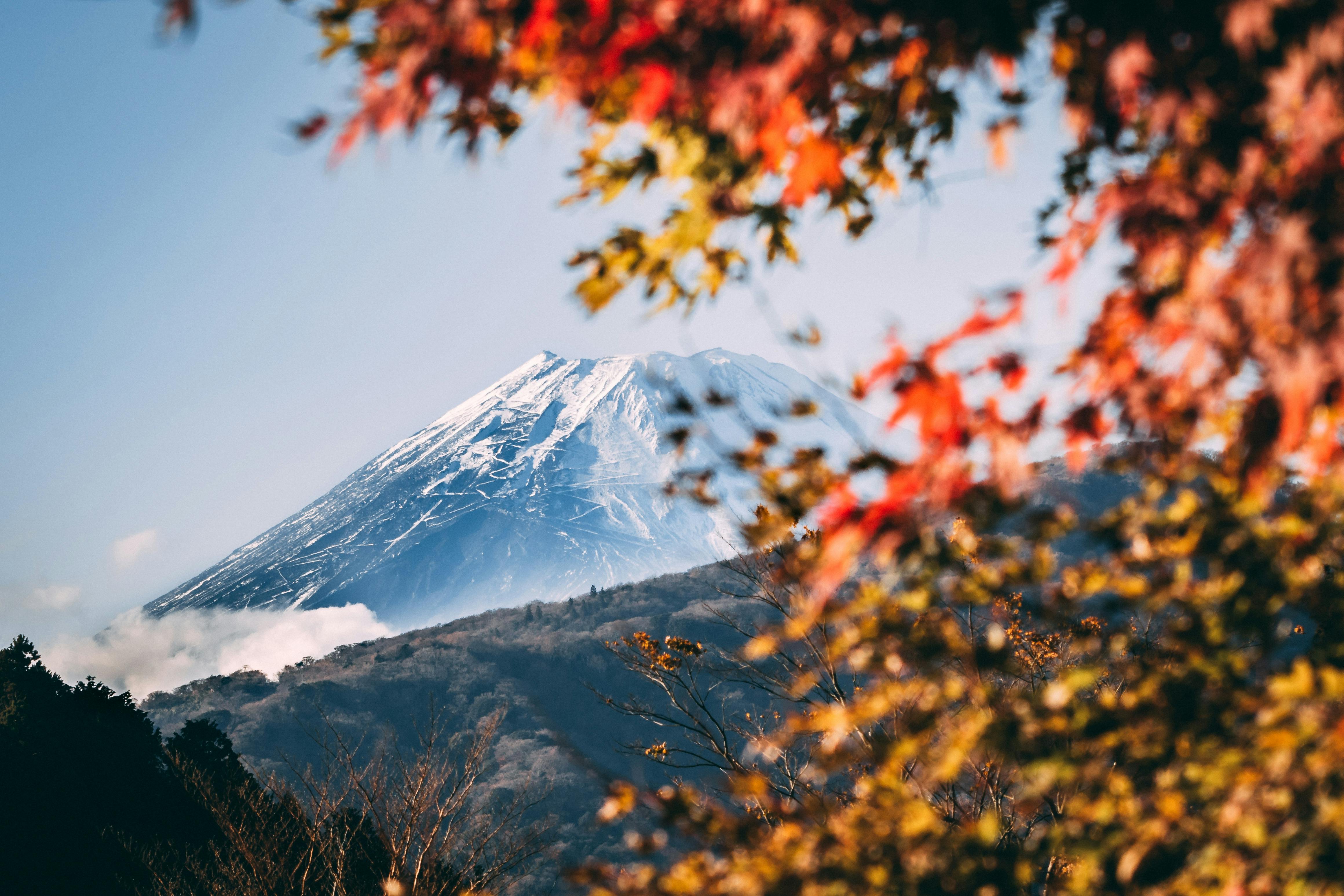
Japan blends avant-garde energy with centuries-old ritual. Tokyo dazzles with neon, world-class sushi, and experimental art; Kyoto whispers with temple bells, tea houses, and lanes where kimono-clad walkers glide by at dusk. Together they form a perfect 7-day itinerary: two cities, distinct personalities, one unforgettable trip.
Food is the nation’s heartbeat—ramen steam twisting into winter air, knife-sharp sashimi at standing counters, and humble bowls elevated into art. With a mid-range budget, you’ll savor everything from market bites to izakaya feasts and a hands-on cooking session. We’ve layered in a Mt. Fuji and Hakone day trip for mountain panoramas and soothing onsen town vibes.
Practical notes: no tipping is expected, cash is still handy, and IC cards (Suica/PASMO/ICOCA) make trains a breeze. Book intercity Shinkansen seats, travel light (luggage forwarding is common), and slurp your noodles—it’s encouraged. This plan assumes an afternoon arrival on Day 1 and an afternoon departure on Day 7.
Tokyo
Tokyo is kinetic poetry: ancient shrines tucked behind glass towers, alleyway izakaya that out-cook glossy restaurants, and districts with their own dialects—Shinjuku’s sleepless sparkle, Asakusa’s timeless calm, and Shibuya’s restless fashion pulse. It’s also a serious food city, from standing sushi to Michelin ramen, with markets that turn the everyday into theater.
- Top sights: Senso-ji Temple, Meiji Jingu, Shibuya Crossing, teamLab Planets, Tokyo Skytree views, and leafy Ueno Park.
- Foodie notables: Tsukiji Outer Market snacks, backstreet yakitori, kissaten coffee culture, and yuzu-shio ramen pilgrimages.
- Fun fact: The first Ginza brick buildings arose in the 1870s as a “modern” model district—now it’s a showcase of design and craft.
Where to stay (mid-range picks via Hotels.com; browse VRBO too):
- Hotel Gracery Shinjuku (Godzilla-topped, central for nightlife): Check availability
- Hotel Sunroute Plaza Shinjuku (easy JR access, great value): Check availability
- Keio Plaza Hotel Tokyo (larger rooms, views, family options): Check availability
- Splurge: The Peninsula Tokyo (near the Imperial Palace): Check availability
- Browse apartments/homes on VRBO: Tokyo VRBO stays
- More hotels on Hotels.com: Search Tokyo hotels
How to get to Tokyo: Search flights into HND or NRT on Trip.com or Kiwi.com. Narita Express to Shinjuku takes ~1h25m (~¥3,200). Prefer a car? Book a private transfer: Narita Airport(NRT) Private Transfer To/From Tokyo 1-way or Round.
Getting around: Grab a Suica/PASMO and use JR lines plus subways. Peak hours are packed; aim slightly off-rush when possible.
Day 1: Arrival, Shinjuku Glow, and Izakaya 101
Afternoon: Land and check in. Shake off jet lag with a stroll through Shinjuku Gyoen’s cypress and camellias. Coffee at a retro kissaten (try a siphon brew and a thick-cut toast) to set the mood.
Evening: Explore Omoide Yokocho’s lantern-strung alleys for smoky yakitori and bubbling nikomi stew—perfect intro to izakaya culture (order a “toriaezu nama,” draft beer to start). For ramen, consider Afuri (yuzu-shio brightness) or Menya Musashi (thick, meaty broth). Finish with a leisurely loop through Kabukicho’s neon, then up to the free Tokyo Metropolitan Government Building observatory for night views.
Day 2: Markets and Old Tokyo + Sumo Dinner Show
Morning: Tsukiji Outer Market breakfast crawl: bite-sized tamagoyaki, grilled scallops brushed with soy butter, and a standing sushi counter for pristine nigiri. Walk to Hamarikyu Gardens for saltwater ponds and a matcha break in the teahouse.
Afternoon: Tram or subway to Asakusa. Wander Nakamise-dori to Senso-ji’s thunder gate, then dip into Kappabashi “Kitchen Town” for knives and donburi bowls. Grab melonpan ice cream or taiyaki for a sweet lift.
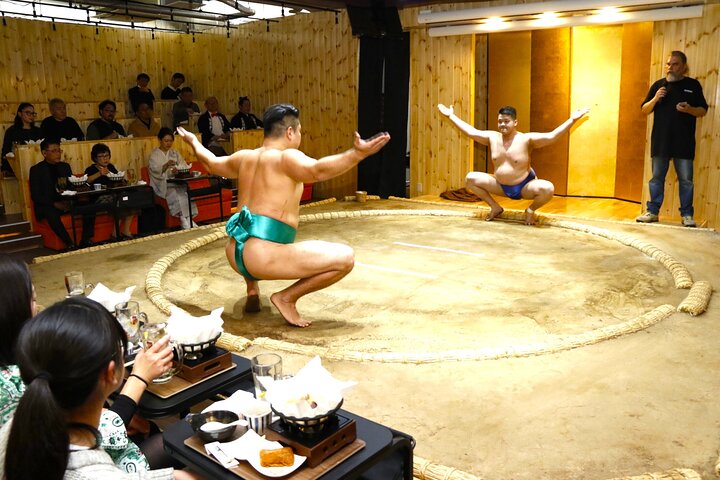
Evening: Experience the sport behind the stew with a lively show and a hot pot that fuels wrestlers: Tokyo Sumo Entertainment Show with Chicken Hot Pot and Photo.
Day 3: Meiji Forest to Shibuya + Night Food Tour
Morning: Enter the quiet torii of Meiji Jingu, then dial up the tempo on Takeshita-dori (crepes, mochi donuts) and architectural Omotesando (stop for drip coffee and a seasonal pastry).
Afternoon: In Shibuya, watch the scramble from an upper-floor lookout, browse indie fashion, and try a standing sushi spot like Uogashi-style counters—fast, fresh, fun. If you’re into immersive art, teamLab Planets in Toyosu turns light and water into sculpture.
Evening: Join a local guide to eat like an in-the-know Tokyoite: Tokyo: Shinjuku Food Tour (13 Dishes at 4 Local Eateries).

Day 4: Mt. Fuji and Hakone Day Trip
All day: Trade towers for volcanic vistas on a well-paced excursion: Mt Fuji and Hakone 1-Day Bus Tour Return by Bullet Train.

Kyoto
Kyoto, the former imperial capital, is a tapestry of torii tunnels, mossy stones, and kitchens devoted to the seasons. Lantern-lit lanes in Gion whisper of geiko appointments; mornings in Arashiyama glow green through bamboo. For food lovers, Nishiki Market is the pantry of dreams—pickles, tofu skins, skewered seafood, and sweets.
- Top sights: Fushimi Inari Shrine, Kiyomizu-dera, Kinkaku-ji (Golden Pavilion), Arashiyama Bamboo Grove, and Gion’s wooden machiya streets.
- Foodie notables: Obanzai (Kyoto-style home cooking), matcha desserts, tofu kaiseki, sake tastings from nearby Fushimi.
- Fun fact: Kyoto is famed for pristine groundwater—why tea, tofu, and sake taste exceptionally pure here.
Getting to Kyoto from Tokyo: Take the Tokaido Shinkansen. Nozomi is fastest (~2h15m, ~¥14,000–¥14,500 reserved seat one-way); Hikari (~2h40m) is JR Pass-friendly. Book seats on Trip.com Trains. Morning departure recommended; ship a suitcase with a same/next-day forwarding service and travel light.
Where to stay (value-forward to mid-range):
- Hotel M's Plus Shijo Omiya (smart rooms, great transit): Check availability
- Kyoto Tokyu Hotel (quiet pocket, elegant common spaces): Check availability
- Piece Hostel Sanjo (design-forward budget, social vibe): Check availability
- Kyoto Brighton Hotel (spacious rooms, refined service): Check availability
- Browse VRBO homes and townhouses: Kyoto VRBO stays
- More hotels on Hotels.com: Search Kyoto hotels
Day 5: Tokyo → Kyoto, Nishiki Market, and Gion at Dusk
Morning: Shinkansen to Kyoto (aim for ~9:00 a.m. train; arrive before noon). Drop bags and grab a light lunch—Katsukura’s tonkatsu is crisp and comforting, or a conveyor-belt Musashi Sushi run for casual fun.
Afternoon: Dive into Nishiki Market. Sample tako tamago (baby octopus with quail egg), soy milk donuts, pickles (tsukemono), and yuba (tofu skin). Join a hands-on Japanese cooking class in a local studio where you’ll learn knife basics and seasonality (obanzai-style sides and miso soup)—a perfect skill souvenir for a foodie.
Evening: Stroll Gion’s Shirakawa Canal as lanterns flicker. Dinner at a cozy izakaya specializing in Kyoto vegetables and grilled local chicken; try yuba sashimi and blistered shishito. Cap with matcha parfait or warabi mochi near Hanamikoji.
Day 6: Temples by Day, Osaka Street Food by Night
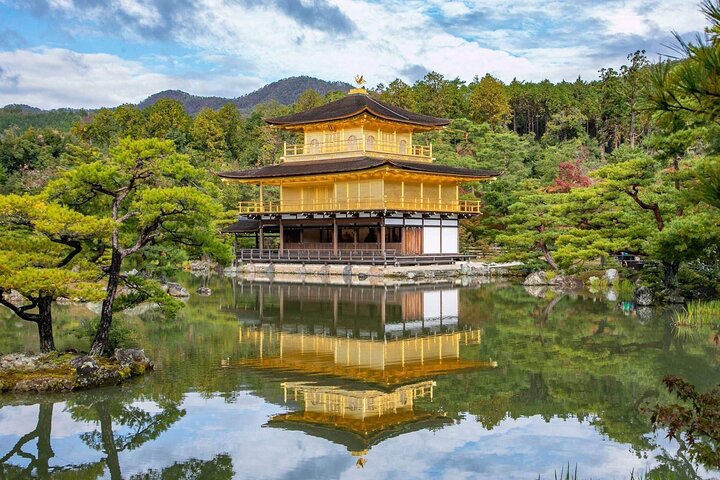
Morning: Visit Kinkaku-ji (go early for reflections), then Ryoan-ji’s rock garden for quiet minimalism. Coffee at % Arabica in Higashiyama and a light kyo-sandwich en route to Kiyomizu-dera’s wooden veranda with sweeping city views.
Afternoon: Free time for a tea ceremony or a pottery studio browse. Alternatively, cover Kyoto’s greatest hits with a private guide for efficiency: 10 Must-see Spots in Kyoto One Day Private Tour (up to 7 people).
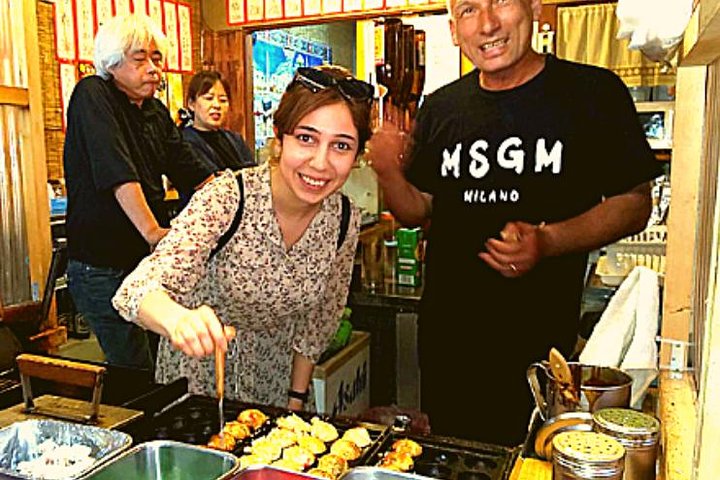
Evening: Hop 30 minutes by rapid train to Osaka’s Namba for a guided feast: Osaka Food Tour: 13 Dishes at 5 Local Eateries.
Day 7: Fushimi Inari Sunrise, Tofu Brunch, Departure
Morning: Early start at Fushimi Inari before crowds—thousands of vermilion torii climbing the sacred hill. Enjoy a tofu-forward brunch (yudofu hot pot, goma-dofu) nearby; Kyoto’s delicate tofu is a highlight.
Afternoon: Last-minute shopping for wagashi sweets or tea, then head to Kyoto Station for your train to Tokyo (if flying out of HND/NRT). Nozomi to Shinagawa or Tokyo Station (~2h15m), then onward airport rail. Book seats on Trip.com Trains. Flights: check Trip.com or Kiwi.com for best schedules.
Optional Tokyo Add-ons (if you swap a night outing)
- Prefer a custom city overview? Tokyo Customized Private Tour: See Top Attractions in 1 Day
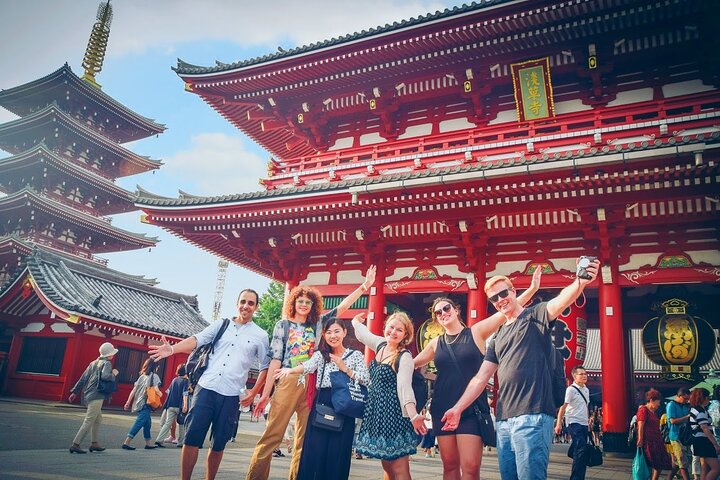
Tokyo Customized Private Tour: See Top Attractions in 1 Day on Viator - Want more Fuji views? Consider a private Mt. Fuji charter for flexibility: Mount Fuji Full Day Sightseeing Tour from Tokyo

Mount Fuji Full Day Sightseeing Tour from Tokyo on Viator
Daily Food & Coffee Shortlist (sprinkle through your week):
- Tokyo breakfast/coffee: Turret Coffee Tsukiji (strong espressos), a classic kissaten near your hotel for siphon, or bakery runs at depachika (Isetan Shinjuku) for buttery croissants and bento.
- Tokyo lunches: Tonkatsu at Maisen Aoyama Honten, tempura bowls in Nihonbashi, standing sushi at a Uogashi-style bar.
- Tokyo dinners: Ebisu Yokocho for skewer-hopping; ramen at Ichiran (solo booths) or Afuri (citrus-bright).
- Kyoto snacks: Nishiki Market’s soy donuts, tsukemono tastings, sesame ice cream.
- Kyoto dinners: Obanzai izakaya for seasonal small plates; Tempura Endo Yasaka for a tempura-focused set; simple yakitori near Sanjo for budget-friendly skewers.
In one compact week you’ll taste Japan from street to kaiseki, walk shrine paths and bamboo lanes, and see Fuji rise above misty lakes. Tokyo feeds your curiosity; Kyoto slows your steps—together, they’re the perfect first (or fifth) taste of Japan.