
7 Days in Tokyo: A Rich, Modern-Meets-Tradition Itinerary with Food, Culture, and Mt. Fuji
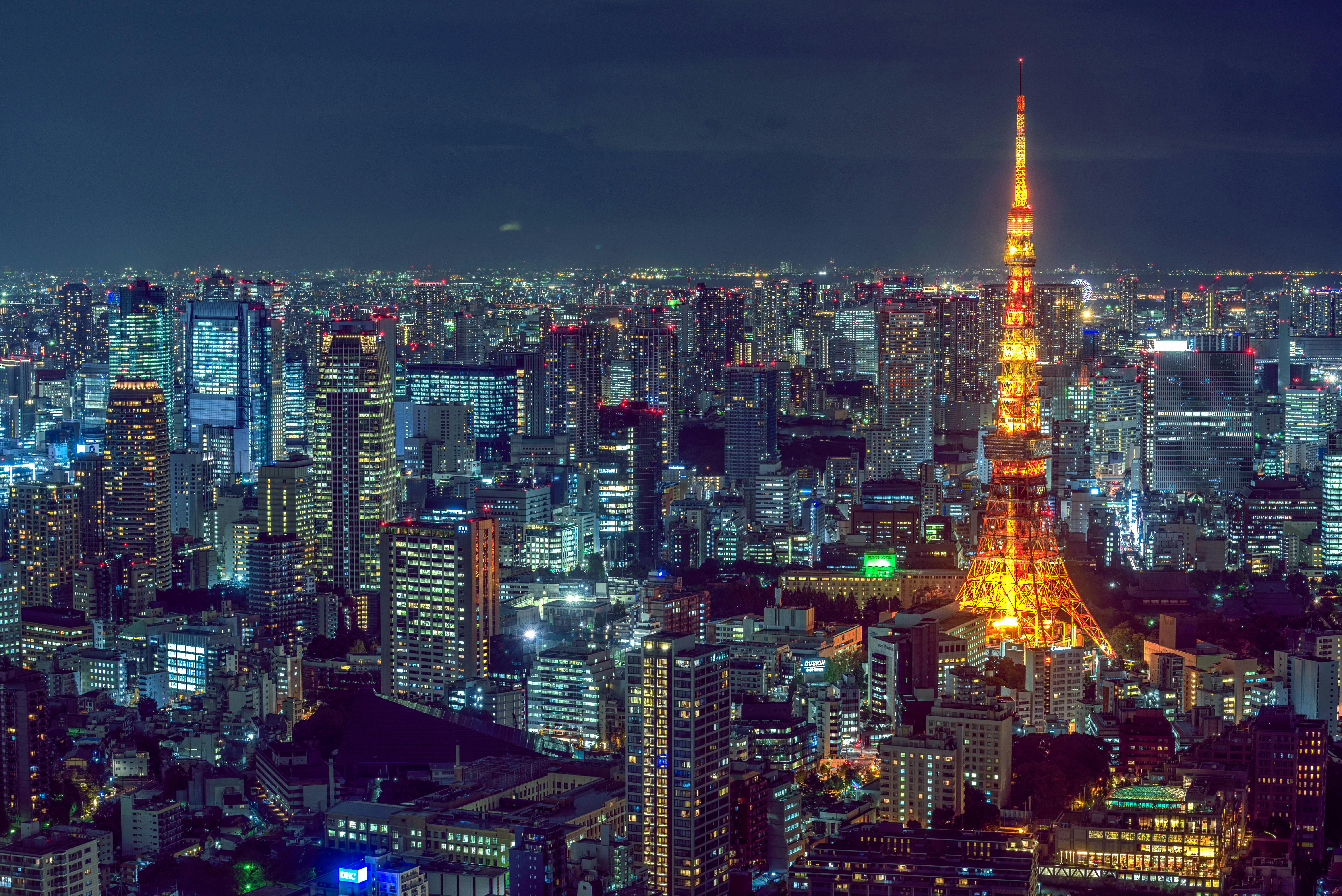
Tokyo marries centuries-old tradition with boundary-pushing modernity. From Edo-period temples and tea houses to anime arcades and cutting-edge design districts, the city invites you to time-travel between eras in a single subway ride. It’s a place where order hums beneath the neon, and small rituals—an incense offering, a perfect bowl of ramen—fill days with meaning.
Founded as Edo and transformed into Tokyo in 1868, the capital became a global megacity after rebuilding from the 1923 earthquake and WWII. Today it’s a culinary capital crowned with more Michelin stars than anywhere, a fashion laboratory from Harajuku to Ginza, and a cultural beacon where sumo, Shinto, and street style intersect. Expect spotless trains, punctuality, and deep courtesy.
Practical notes: Pick up an IC transit card on your phone (Suica/PASMO) and tap anywhere; many small eateries remain cash-preferred. No tipping; a simple “arigatou” goes far. Book popular attractions (teamLab, Ghibli Museum) in advance. For airport access, trains are fastest; taxis and private transfers are convenient if you’re jet-lagged or carrying bags.
Tokyo
Tokyo is a city of distinct neighborhoods strung along the JR Yamanote Line: shrine-dotted Harajuku, skyscraper Shinjuku, retro Asakusa, glittering Ginza, electric Akihabara, and trend-forward Shibuya. Each rewards wandering: peek down lantern-lit alleys, slip into a kissaten (old-school café), and watch the choreography of daily life unfold.
- Top sights: Meiji Shrine, Senso-ji Temple, Tokyo Skytree, Shibuya Crossing, Ueno Park museums, Hamarikyu Gardens, teamLab Borderless (Azabudai Hills) or teamLab Planets (Toyosu).
- Distinctive experiences: Ryogoku sumo culture, monjayaki on Tsukishima’s “Monja Street,” evening views from Shibuya Sky or Roppongi Hills, and spring cherry blossoms in Shinjuku Gyoen.
- Dining DNA: Slurp tonkotsu ramen at counter-only shops, savor crisp tonkatsu, try standing sushi bars for a quick, top-value fix, and experience smoky yakitori lanes like Omoide Yokocho.
Where to stay (book with our partners):
- The Peninsula Tokyo (Ginza/Marunouchi): Refined rooms, impeccable service, easy walks to the Imperial Palace and shopping.
- The Ritz-Carlton, Tokyo (Roppongi): Sky-high views from Tokyo Midtown Tower; great for art and nightlife nearby.
- Aman Tokyo (Otemachi): Tranquil, design-forward sanctuary with a celebrated spa and soaring city views.
- Hotel Gracery Shinjuku (Shinjuku): Comfortable, fun (hello, Godzilla head), and steps from dining and nightlife.
- Hotel Sunroute Plaza Shinjuku (Shinjuku): Excellent value and location for first-time visitors.
- Keio Plaza Hotel Tokyo (Shinjuku): Spacious rooms, family-friendly options, and easy transit access.
- Hilton Tokyo Bay (Maihama/Disney area): Ideal if you’re planning a Disney day (DisneySea’s new Fantasy Springs is a hit).
- Browse more stays: Hotels.com – Tokyo | VRBO – Tokyo
Getting there and around:
- Flights: Compare fares to Haneda (closer) and Narita on Trip.com and Kiwi.com.
- Airport to city: Haneda–Hamamatsucho via Tokyo Monorail (~20 min; ~JPY 500–670). Narita–Ueno via Keisei Skyliner (~41 min; ~JPY 2,570) or Narita Express to Tokyo/Shinjuku (~53–70 min; ~JPY 3,070).
- Trains: Use JR and subways with an IC card on your phone. For intercity trains (if adding Kyoto/Osaka), check Trip.com Trains.
Day 1: Arrival, Shinjuku Welcome, and Neon Night
Afternoon: Land in Tokyo and make your way to Shinjuku to check in. Shake off the flight with a walk through Shinjuku Gyoen’s landscaped gardens if time allows (a favorite in spring and fall). For coffee, try About Life Coffee Brewers (compact, specialty-focused) or Onibus Coffee Shinjuku for bright, fruity pours.
Evening: Dive into Omoide Yokocho, a post-war alley of grill smoke and lantern light. Order negima and tsukune at a counter-only yakitori joint, pairing with a highball. For dinner seating, Nabezo Shinjuku 3-chome serves excellent wagyu shabu-shabu with attentive guidance on cooking times.
Night: Catch the free skyline view at the Tokyo Metropolitan Government Building (open late) or sip a nightcap at a classic bar like Bar Benfiddich (aromatic, apothecary-style cocktails). If you want a late ramen, queue for Ichiran Shinjuku; the private “flavor concentration booths” are a uniquely Tokyo experience.
Day 2: Guided Overview—Landmarks and Bay Views
Get your bearings with a curated city tour that strings together marquee sights and time-saving logistics.
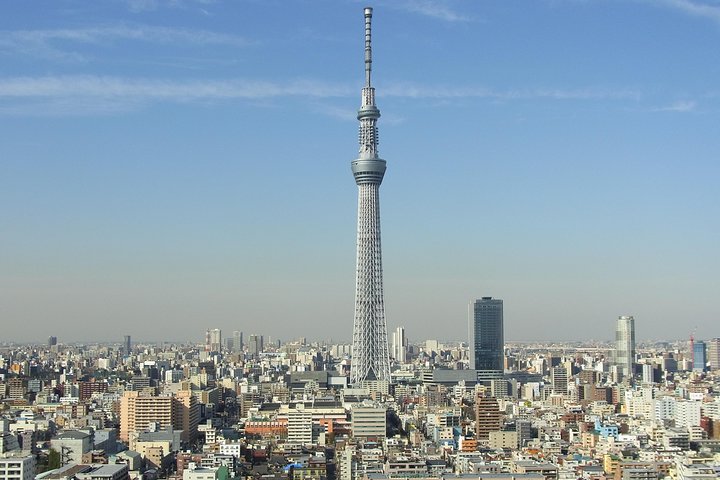
1-Day Tokyo Bus Tour — includes Meiji Shrine, a matcha experience, admission to Tokyo Skytree, and a Tokyo Bay ferry (sometimes altered due to weather). Expect a full-day pace with commentary and prearranged entries.
Dinner options after the tour: In nearby Ginza, try Sushi no Midori (popular, generous cuts) or Tempura Kondo (light, ethereal batter; reserve). For a hearty classic, head to Tonkatsu Maisen Aoyama Honten—juicy pork cutlets with housemade sauce in a historic bathhouse building.
Day 3: Old Tokyo—Asakusa, Ueno Park, and Sumo Night
Morning: Start at Asakusa’s Senso-ji, Tokyo’s oldest temple. Pass under the giant red lantern at Kaminarimon, browse Nakamise Street’s traditional snacks (ningyo-yaki sponge cakes, kaminari-okoshi rice crisps), and fan incense at the main hall. Coffee break at Suke6 Diner (rustic-industrial, great sourdough) or at a kissaten like Kamiya Bar for a retro vibe.
Afternoon: Walk or boat down the Sumida River toward Tokyo Skytree for a different angle on the skyline. Continue to Ueno Park—peek into the Tokyo National Museum’s samurai armor rooms, then stroll Ameya-Yokocho market for street bites and bargain shopping. Lunch ideas: Asakusa Imahan (sukiyaki, impeccable service) or Daikokuya (famous tendon—tempura over rice).
Evening: Experience sumo culture in Ryogoku. Book this lively show that puts you ringside and includes a hot pot beloved by wrestlers:
Tokyo Sumo Entertainment Show with Chicken Hot Pot and Photo
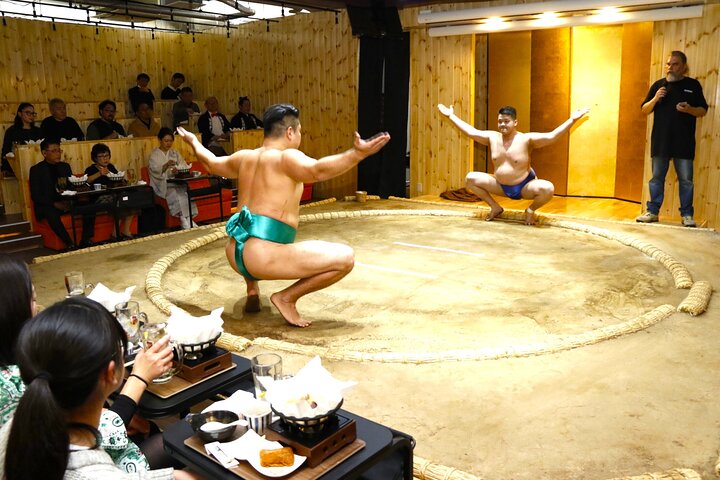
After, wander to local chanko-nabe spots lining the neighborhood (robust, protein-rich stews developed by wrestlers). If it’s tournament season (January, May, September), you can also look into match-day tickets at Ryogoku Kokugikan.
Day 4: Tsukiji Flavors, Ginza Style, and Bay Gardens
Morning (guided): Eat your way through culinary history on a small-group tour of Tsukiji’s outer market—learn the difference between tamari and shoyu, sample fresh sashimi, and try tamagoyaki made on copper pans.
Tokyo Tsukiji Fish Market Food and Culture Walking Tour
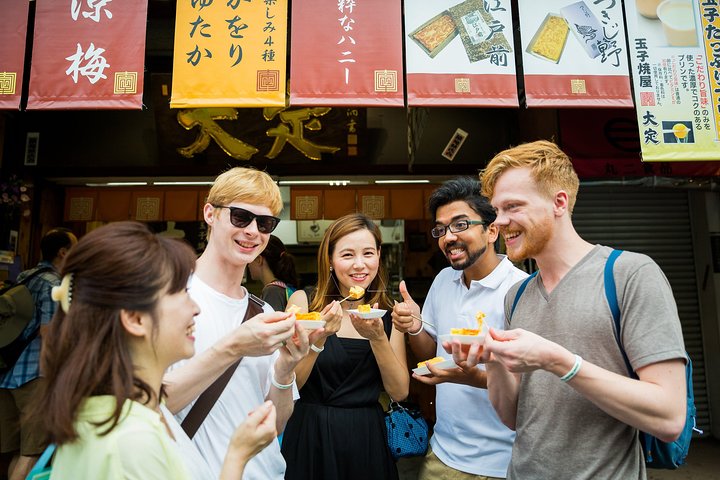
Afternoon: Stroll Ginza—flagship boutiques, department stores (don’t miss depachika food halls), and refined cafés like Ginza Kimuraya (anpan sweet buns since 1869). Then retreat to Hamarikyu Gardens, once a shogun duck-hunting ground; sip matcha in the teahouse floating on a tidal pond.
Evening: Take the river ferry toward Odaiba for rainbow-lit bridges and skyline views. For dinner by the bay, Uogashi Nihon-Ichi (standing sushi) turns over ultra-fresh bites quickly, while Kaisen-don spots offer generous sashimi bowls. If you prefer high-design art immersion, time a visit to teamLab Borderless (Azabudai Hills) or teamLab Planets (Toyosu) and dine nearby afterward.
Day 5: Day Trip—Mt. Fuji and Lake Kawaguchiko
Trade neon for nature on a comfortable, scenic day out. This popular tour covers iconic viewpoints—such as Arakurayama Sengen Park’s pagoda—plus time around Lake Kawaguchiko and local stops for photos and snacks. Expect an early start and a full return in the evening.
Tokyo: Mt.Fuji & Lake Kawaguchiko 1-Day Bus Tour w/Optional Lunch

Dinner back in Tokyo: Warm up with spicy miso ramen at Kikanbo (pepper-forward “oni” broth) or a soothing bowl of soba at Kanda Yabu Soba, where staff guide you on dipping etiquette.
Day 6: Harajuku, Omotesando, and Shibuya After Dark
Morning: Enter Meiji Shrine through towering torii gates; the cedar-scented path feels worlds away from the city. Meander Takeshita Street for crepes and pop fashion, then reset on Omotesando’s tree-lined boulevard. Coffee at Koffee Mameya (bean-first tasting guidance) or % Arabica for latte art and a smooth roast.
Afternoon: Explore Cat Street’s indie boutiques and Daikanyama’s T-Site complex (bookstores and design objects). Lunch at Afuri (yuzu-shio ramen—citrusy, clean) or at Commune’s outdoor food trucks for craft beers and casual bites.
Evening: Shibuya time. Cross the famous scramble—busy since the 1930s and still the city’s living postcard—then ride up to Shibuya Sky for sunset. Dinner ideas: Uobei “sushi lane” (fun conveyor-tech experience), Gyukatsu Motomura (beef cutlet, seared to your liking), or a neighborhood izakaya in Nonbei Yokocho (tiny bars under the tracks).
Day 7: Ueno Museums, Yanaka Lanes, and Last Sips
Morning: Pick one museum in Ueno Park for a deep dive—the Tokyo National Museum (samurai armor, swords), National Museum of Western Art (Le Corbusier building), or Ueno Zoo if traveling with kids. Light breakfast at Andersen Bakery (good viennoiserie) or Tsubakiya Coffee for a kissaten throwback.
Afternoon: Wander Yanaka’s low-rise streets, surviving WWII fires, with wooden houses, local craft shops, and the atmospheric Yanaka Cemetery lined with cherry trees. If you need tech and souvenirs, hop to Akihabara: retro game shops, figure stores, and seven-floor electronics marts. Typical subway hops are 10–25 minutes; fares ~JPY 200–350 per ride.
Evening (departure): Pick up last-minute gifts—Tokyo Banana, Royce’ chocolate, or specialty senbei rice crackers. For a final meal, try Kaiten-zushi Nemuro Hanamaru (quality conveyor sushi) or an elegant tempura set near Tokyo Station. Head to Haneda (20–30 minutes by Monorail/Keikyu) or Narita (41–70 minutes by Skyliner/N’EX). Compare flight times and prices on Trip.com or Kiwi.com.
Optional Add-Ons and Seasonal Tips
- teamLab Borderless (Azabudai Hills) or teamLab Planets (Toyosu): Reserve ahead for these immersive digital art worlds; evenings are particularly atmospheric.
- Tokyo DisneySea: Fantasy Springs (opened 2024) delights even non-park fans; stay nearby at Hilton Tokyo Bay.
- Cherry blossoms (late March–early April): Shinjuku Gyoen, Ueno Park, Meguro River. Autumn foliage (Nov): Rikugien, Meiji Jingu Gaien ginkgo avenue.
Handy Food & Coffee Shortlist
- Ramen: Afuri (yuzu-shio), Ichiran (tonkotsu, solo booths), Kikanbo (spicy miso with numbing peppercorn).
- Sushi: Uogashi Nihon-Ichi (standing), Sushi no Midori (value sets), refined omakase across Ginza/Marunouchi.
- Classics: Tonkatsu Maisen Aoyama Honten; sukiyaki at Asakusa Imahan; monjayaki on Tsukishima’s Monja Street.
- Cafés: Onibus Coffee, Koffee Mameya, Fuglen (Scandi-Japanese vibe), Blue Bottle (Kiyosumi or Aoyama).
Viator activities featured in this itinerary:
- 1-Day Tokyo Bus Tour
1-Day Tokyo Bus Tour on Viator - Tokyo Sumo Entertainment Show with Chicken Hot Pot and Photo
Tokyo Sumo Entertainment Show with Chicken Hot Pot and Photo on Viator - Tokyo Tsukiji Fish Market Food and Culture Walking Tour
Tokyo Tsukiji Fish Market Food and Culture Walking Tour on Viator - Mt. Fuji & Lake Kawaguchiko 1-Day Bus Tour
Tokyo: Mt.Fuji & Lake Kawaguchiko 1-Day Bus Tour w/Optional Lunch on Viator
Estimated local costs: Subway rides JPY 200–350; bowl of ramen JPY 900–1,400; sushi set lunch JPY 1,500–3,500; midrange dinner JPY 3,000–6,000; observation decks JPY 2,000–3,000. Many venues accept cards, but keep some cash for small eateries.
Wrap-up: In a week, you’ll have traced Tokyo’s arc from incense-scented temples to shimmering high-rises, tasted its culinary hallmarks, and gazed at Mt. Fuji from lakeside shores. The city rewards curiosity—each station stop hides another revelation, ready for your next visit.