
7 Days in Tlaxcala, Mexico: Volcano Trails, Painted Murals, and Haciendas
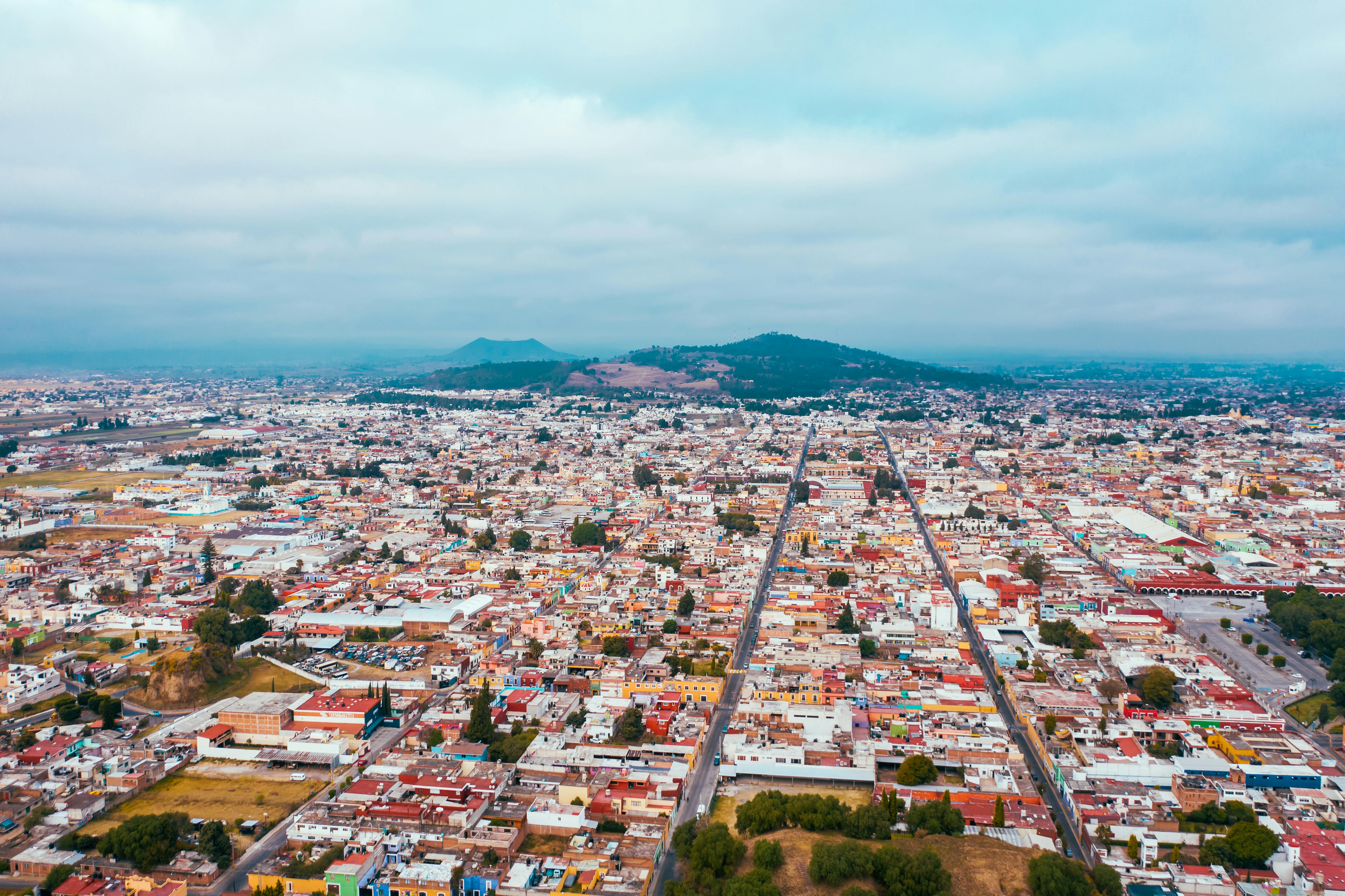
Small in size, rich in story—Tlaxcala is where Nahua lordships allied with Cortés and altered the fate of the continent. Today, the state rewards curious travelers with frescoed government halls, a UNESCO-listed open chapel at San Francisco, and living traditions from basket tacos to sawdust carpets in Huamantla.
Across a compact landscape you can climb one of Mexico’s great volcanoes (La Malinche), walk among some of the best-preserved Mesoamerican murals at Cacaxtla, and slip into the whimsical streets of Val’Quirico. Haciendas still pour pulque, artisans weave and carve, and markets hum with tlatlapas, mixiotes, and sweet muéganos.
Base yourself in Tlaxcala City, then in Huamantla for easy access to nature and haciendas. Fly into Mexico City (MEX) or Puebla (PBC), rent a car or bus in under two hours, and keep cash for markets and tolls. Nights get cool at altitude; pack layers and sun protection, and check park conditions if attempting La Malinche.
Tlaxcala City
Pastel arcades encircle the Plaza de la Constitución; steps away, the Palacio de Gobierno glows with Desiderio Hernández Xochitiotzin’s sweeping murals of Tlaxcala’s pre-Hispanic splendor and colonial tumult. Uphill, the Basilica of Our Lady of Ocotlán dazzles with ornate baroque towers, while the 16th‑century Cathedral and ex‑convent of San Francisco shelter an evocative open chapel.
If you love art and history, add the Regional Museum and the Tlaxcala Museum of Art (MAT). Nature is close: the Atlihuetzia waterfall and riverside paths pair well with a long lunch. Foodwise, seek tlatlapas (hearty bean soup), blue-corn tlacoyos, barbacoa weekends, and seasonal escamoles. Try a curado pulque when the evening chill rolls in.
- Where to stay: Browse stays on VRBO (Tlaxcala) or hotels on Hotels.com (Tlaxcala).
- Getting there: Fly into Mexico City (MEX) or Puebla (PBC). Compare fares on Trip.com flights or Kiwi.com. From MEX: 2–2.5 hours by bus or 1.5–2 hours by car; from PBC: ~1 hour by car. Buses MEX–Tlaxcala run ~USD $10–15; rental cars ~USD $30–45/day.
Day 1: Arrival, Arcades, and Baroque Twilight
Afternoon: Arrive in Tlaxcala City and settle in. Stretch your legs around the Plaza de la Constitución and its 18th‑century portales. Step into the Palacio de Gobierno to read Tlaxcala’s saga in Xochitiotzin’s vast murals—plan 45–60 minutes to linger over details of the Tlaxcalteca alliance and artisans at work.
Evening: Walk up to the Basilica de Ocotlán at golden hour; the interior’s white-and-gold stucco glows beautifully before dusk. Dinner under the arcades: look for fondas plating tlatlapas, tlacoyos stuffed with beans or requesón, and mixiotes (pit-steamed meats) with warm tortillas. Cap the night with a curado de pulque (try seasonal guava or oatmeal) at a traditional cantina—ask locals on the plaza for their current favorite.
Day 2: San Francisco, MAT, and Atlihuetzia Falls
Morning: Tour the Cathedral and Ex‑Convento de San Francisco (among the earliest in the Americas) and its open-air chapel—an architectural link between Indigenous and Spanish faith practices. Continue to the Tlaxcala Museum of Art (MAT) for regional masters and rotating contemporary shows.
Afternoon: Head to the Atlihuetzia waterfall (30–40 minutes by car; allow 1.5–2 hours). Trails are short but photogenic, especially after rains. Lunch at the riverside institution Molino de los Reyes—order the trout with garden herbs, blue-corn quesadillas with huitlacoche, and a carafe of agua de xoconostle. Reserve if visiting on weekends.
Evening: Back in town, browse handicraft stalls for Talavera‑inspired ceramics and embroidered textiles. For something sweet, try alegrías and amaranth bars from market vendors, then a café de olla before turning in early.
Day 3: Cacaxtla–Xochitécatl or Sunrise Balloon over Teotihuacán (choose)
Option A – Archeology & a Tuscan‑style stroll:
Morning: Drive to the Cacaxtla Archeological Zone (45–60 minutes). The site’s roofed acropolis shelters extraordinary polychrome murals—warriors, jaguars, and maritime motifs—rarely matched in Mesoamerica. Continue 10 minutes to Xochitécatl to climb the spiral pyramid and gaze over farm fields and La Malinche. Note: Sites typically close Mondays; hours ~9:00–17:00; bring sun protection.
Afternoon: Lunch and wandering in Val’Quirico (20 minutes from Xochitécatl), a photogenic village of stone lanes and courtyards. Try wood‑fired pizzas, handmade gelato, or a steakhouse lunch; street musicians and weekend pop‑ups add to the ambiance.
Evening: Return to Tlaxcala City. Sample local cheeses and a simple sopa Azteca at a casual comedor under the portales.
Option B – Viator experience: Start pre‑dawn for a sunrise flight near the pyramids of Teotihuacán (about 1h50m–2h15m drive from Tlaxcala; check precise meeting point and transfer options). An unforgettable way to see the Valley of Teotihuacán from above:
Balloon flight in Teotihuacán from Mexico City

Allow 5–6 hours door-to-door. After landing and a celebratory toast, drive back for a late lunch in Tlaxcala City and a leisurely evening.
Day 4: La Malinche National Park — Forest Paths or Summit Push
Morning: Early start for La Malinche (trailhead ~45–60 minutes from Tlaxcala City). Choose your adventure: a forest hike among oyamel and pine at 3,100–3,600 m, or the full summit (4,461 m) via the standard ridge route. Bring layers, 2–3L water, snacks, and start by 6–7 a.m.; weather and altitude can be demanding.
Afternoon: Post‑hike recovery with blue‑corn quesadillas and mushroom mixiote at simple fondas near the park gate, or back in town at a casual comedor. If you prefer a guide for bigger volcano days elsewhere, consider this Mexico City–based option for another trip:
Trekking Through The Volcanoes

Evening: Back in Tlaxcala City, reward yourself with hot chocolate and pan de fiesta from a neighborhood bakery. Early night.
Huamantla
This Pueblo Mágico is famous for August’s La Noche que Nadie Duerme, when streets bloom with alfombras de aserrín—complex sawdust carpets—before the Huamantlada festivities. Year-round, Huamantla charms with its basilica, candy shops selling muéganos, the National Puppet Museum (MUNATI), and nearby pulque haciendas.
It’s also a base for La Malinche’s eastern slopes, horseback rides across highland meadows, and slow lunches at historic estates. Don’t miss the chance to sip fresh pulque or a fruit curado where the tradition began: in the maguey fields of Tlaxcala.
- Where to stay: Explore stays on VRBO (Huamantla) or hotels on Hotels.com (Huamantla).
- Getting there from Tlaxcala City: 50–70 minutes by car; 60–90 minutes by bus (approx. MXN $70–100). Morning departure recommended to maximize your day.
Day 5: Transfer, MUNATI, and Muéganos
Morning: Depart Tlaxcala City for Huamantla. Check in and walk the zócalo to orient yourself among arcades and sweet shops.
Afternoon: Visit MUNATI (Museo Nacional del Títere) to meet the famed Rosete Aranda troupe’s creations—quirky, historic, and beloved. Then enter the Basilica of Our Lady of Charity; quiet courtyards offer a cool pause from the sun. Snack on muéganos (honey‑glazed biscuit clusters) and a café de olla from a traditional dulcería.
Evening: Dinner at the restaurant of Hacienda Soltepec just outside town—classic Tlaxcalan dishes like mixiote de carnero, seasonal escamoles, and sopa de milpa. If you’re curious, ask to sample fresh pulque and a house fruit curado. Taxi back to town or arrange transport with the hacienda.
Day 6: Haciendas and Maguey Country
Morning: Guided visit of a nearby pulque hacienda (such as Tenexac or Soltepec—tours are typically arranged in advance via your hotel). Learn how aguamiel is collected from maguey hearts, then fermented into pulque. Tasting is usually included; sip lightly if you have afternoon plans.
Afternoon: Hands-on culture: join a brief workshop with local artisans to design a miniature sawdust “alfombra” (your hotel or the Casa de Cultura can point you to current offerings). Late lunch near the market: barbacoa de hoyo (weekends), chileatole, or cemitas piled high. Pick up a bag of local cheese for the road.
Evening: Easy paseo around the centro; if you’re here in mid‑August, stay out late to watch teams create elaborate alfombras before dawn. Otherwise, tuck into a hearty mole poblano–style plate or grilled arrachera at a neighborhood parrilla.
Day 7: Slow Morning, Last Bites, and Departure
Morning: Leisurely breakfast: tamales and atole from street vendors near the plaza, or blue‑corn quesadillas with squash blossoms at the market. Shop for last‑minute gifts—embroidered textiles, wooden toys, and local candies.
Afternoon: Transfer to Puebla (PBC ~1.5 hours) or Mexico City (MEX ~2.5 hours) for your flight. Check fares on Trip.com flights or Kiwi.com. If you have a longer layover in CDMX on another trip, consider a guided urban deep-dive like a Lucha Libre night or Coyoacán walks (see Viator options above).
Evening: Departure day—no evening plans needed. If staying one extra night near MEX on a future visit, these Mexico City experiences pair well with your Tlaxcala week: an artsy Coyoacán and Xochimilco day, or a mezcal-and‑mask Lucha Libre outing.
Eating & Drinking Shortlist (by vibe)
- Scenic destination lunch: Molino de los Reyes (near Atlihuetzia) for trout, garden herbs, and blue‑corn antojitos.
- Historic estate meal: Hacienda Soltepec restaurant (Huamantla) for mixiotes, seasonal escamoles, and pulque tastings.
- Markets and street eats: Tlaxcala’s central market and Huamantla’s mercado for tlatlapas, tlacoyos, barbacoa (weekends), basket tacos from nearby San Vicente Xiloxochitla, and candies.
- Cafés and sweets: Gelato and pastries in Val’Quirico; café de olla and pan de fiesta from neighborhood bakeries statewide.
Trip summary: Over seven days you’ve traced Tlaxcala’s arc from mural halls to living traditions, tasted maguey country in Huamantla, and breathed the high pines of La Malinche. With archeology at Cacaxtla‑Xochitécatl and a optional Teotihuacán balloon flight, this itinerary blends history, cuisine, and outdoors in Mexico’s most quietly fascinating state.