
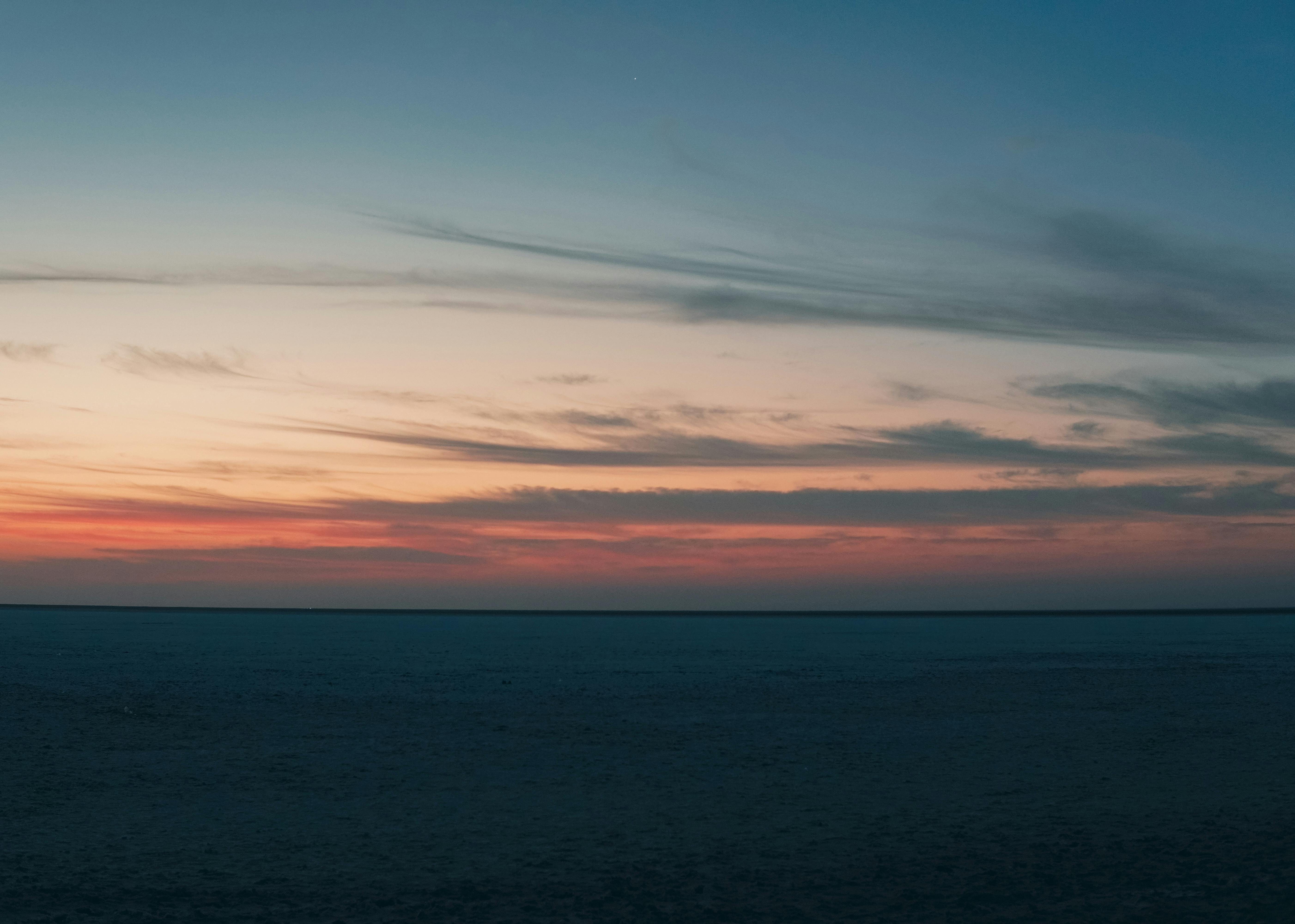
The Rann of Kutch, the great salt marsh at India’s western edge, looks like snow under a desert sun. For centuries, caravans crossed this blinding white expanse, and today travelers come for surreal sunsets, folk music under the stars, and intricate crafts that carry stories in every stitch.
Kutch’s capital, Bhuj, rose from earthquakes and empires. Its palaces—Aina Mahal and Prag Mahal—recall a courtly era, while nearby villages keep living traditions: ajrakh block printing, rogan painting, bell metal, and Kutch embroidery in vivid threads. Dhordo, the “Gateway to the White Rann,” delivers the spectacle—camel carts creak across salt flats, and cultural troupes fill cool evenings with rhythm.
Best time is November–February when the salt desert is dry and the Rann Utsav brings nightly performances. Carry government ID for White Rann permits, dress modestly for temples and villages, and expect vegetarian Gujarati thalis alongside robust Kutchi specialties. Book flights to Bhuj or Ahmedabad and reserve desert camps early in season.
Bhuj
Bhuj is your cultural launchpad—palaces around Hamirsar Lake, bustling bazaars, and craft villages close enough for unhurried day trips. It’s also where you’ll feast on Gujarati thalis and snack on dabeli, Kutch’s beloved sweet-spicy sandwich.
- Top sights: Aina Mahal (Palace of Mirrors), Prag Mahal’s clock tower, Chhatardi (royal cenotaphs), Kutch Museum, Hamirsar Lake promenade.
- Craft circuits: Bhujodi (Vankar weavers), Ajrakhpur (ajrakh block printing), Nirona (rogan painting, lacquer work), Banni villages (Hodka, Ludiya, Khavda).
- Stay: Explore options on VRBO Bhuj and Hotels.com Bhuj—look near Hamirsar Lake for easy walks to sights.
- Getting in: Fly to Bhuj (BHJ) via Mumbai/Ahmedabad—1–1.5 hours from either—search fares on Trip.com Flights or Kiwi.com (typical $45–$120 one-way in season). Trains to Bhuj run overnight from Mumbai (~16h) and ~7h from Ahmedabad—check schedules on Trip.com Trains.
Day 1: Arrive Bhuj, lakeside stroll and palace twilight
Afternoon: Land in Bhuj and settle in. Stretch your legs with a loop around Hamirsar Lake—locals come for evening breezes and chaat stalls. Pop into the ornate Shree Swaminarayan Temple for carved marble and quiet courtyards.
Evening: Catch golden hour at Chhatardi (royal cenotaphs). The sandstone pavilions glow at sunset—photographers love the pillared silhouettes. Dinner at Hotel Prince’s restaurant (near the lake): order a Gujarati thali for an edible tour—rotla (millet flatbread), kadhi, shaak, farsan, and buttery ghee-laced sweets. If you prefer a reservation-only experience, Bhuj House serves refined Parsi family recipes—dhansak, salli boti—by prior booking.
Day 2: Palaces and textiles—Aina Mahal, Prag Mahal, Bhujodi, Ajrakhpur
Morning: Breakfast at Annapurna Restaurant (central Bhuj): piping-hot fafda with jalebi or a light poha and masala chai. Tour Aina Mahal (mirrored halls, European clocks, and a marine-themed room from the 18th century) followed by neighboring Prag Mahal’s Venetian-Gothic façade and clock tower climb for city views.
Afternoon: Head to Bhujodi village to meet Vankar weaving families—watch shawls and stoles take shape on pit looms. A short hop to Ajrakhpur reveals the centuries-old ajrakh process: hand-carved wooden blocks, natural indigo and madder, and sunlit drying yards. Pick up scarves and table runners direct from artisans.
Evening: Dinner at Noorani Restaurant (popular with locals for grills and hearty curries) or Neelam Restaurant for vegetarian North Indian staples. Night walk along the bazaar lanes for kulfi and roasted peanuts.
Day 3: Mandvi Beach day trip—palace, shipyards, windmills
Morning: Early drive to Mandvi (about 60 km; ~1.5 hours). Stop at Vijay Vilas Palace, the royal seaside retreat amid casuarina groves, then walk to the old wooden shipbuilding yards on the Rukmavati River—massive dhow hulls take shape plank by plank, a living craft tradition.
Afternoon: Hit Mandvi Beach’s windmill stretch. Snack at beach kiosks: try dabeli (Kutch’s signature, pressed in a pav with tamarind-date chutney and peanuts), bhajiyas, and coconut water. If you want a sit-down Kathiyawadi thali, look for a local dining hall near the bus stand—set meals come with bajra rotla, lasaniya bataka (garlic potatoes), kadhi, and chaas.
Evening: Return to Bhuj. Dinner at your hotel or at Prince Lake View with a simple Gujarati khichdi-kadhi finish. Rest up for the desert leg.
Dhordo (White Rann)
Dhordo is the gateway to the White Rann—an endless salt pan that shimmers pink at dawn and burns orange at dusk. Between excursions, unravel Banni’s craft villages, meet Meghwal embroiderers, and listen to kutchi folk songs that stretch the night.
- Highlights: White Rann sunrise/sunset, camel-cart rides, Kalo Dungar (Black Hill) viewpoint, Hodka and Ludiya villages, Khavda sweets, India Bridge (permit-controlled area; no photography near security posts).
- Stay: Browse camps and resorts around Dhordo/Hodka on VRBO Dhordo and Hotels.com Dhordo. During Rann Utsav (Nov–Feb), tent cities offer cultural shows and buffet meals.
- Getting there from Bhuj: Private car from Bhuj to Dhordo is ~80 km (1.5–2 hours). Expect INR 2,500–3,500 ($30–42) one-way for an AC sedan with driver. Arrange through your hotel or a local operator in Bhuj bazaar.
Day 4: Transfer to Dhordo via Banni villages and Kalo Dungar
Morning: Depart Bhuj after breakfast for Dhordo, stopping at Bhirandiyara for a White Rann permit (carry passport or government ID). Sample hot malai mawa from roadside sweet stalls—rich, dense, and beloved by locals.
Afternoon: Detour to Khavda for handcrafted pottery and snacks, then continue to Kalo Dungar (Black Hill), Kutch’s highest point. The panoramic view takes in the Rann’s chalky infinity; a hilltop temple serves a simple community meal at lunchtime.
Evening: Check into your desert camp. Head to the White Rann for sunset—walk a few hundred meters onto the crust to leave crowds behind. After dinner at your camp’s dining hall, settle in for folk music and garba performances under the stars.
Day 5: White Rann sunrise, Hodka village crafts, camel carts at dusk
Morning: Sunrise on the salt flats: the surface blushes rose before turning pearl-white. Bring sunglasses and sandals you don’t mind crusted with salt. Coffee and breakfast back at camp.
Afternoon: Visit Hodka and Ludiya (Meghwal hamlets known for mirror-work embroidery and vivid painted bhungas—circular mud homes). Buy direct from artisans; ask about motifs and stitches like pakko, kharek, and soof. For lunch, many village-run resorts serve homestyle bajra rotla, ringna no olo (smoky eggplant mash), and garlic chutney.
Evening: Return to the White Rann for a camel-cart ride or try light adventure offerings (ATVs or paramotoring are typically available in season; costs vary, ~INR 500–2,500). Dinner at camp, then lie back for stargazing—the desert sky is astonishing on moonless nights.
Day 6: India Bridge loop, Nirona’s rogan art, slow desert afternoon
Morning: After breakfast, drive towards India Bridge—this road skims the edge of the Rann and scrubby Banni grasslands (carry your ID; photography is restricted near security zones). Birders can spot steppe eagles, harriers, and wintering waders.
Afternoon: Continue to Nirona to meet rogan artists who paint with castor-oil pigment stretched into a thread between tool and canvas. You’ll also find lacquered wooden spoons and toys—watch the sheen appear as artisans work the lathe with natural dyes. Snack on masala chai and khakhra at a village tea stall.
Evening: Free time back at camp. Borrow a bicycle if available, enjoy a sunset walk on the salt, or join a folk storytelling session around a small bonfire. Dinner is typically a buffet—look for sev tameta, undhiyu in season, and warm halwa.
Day 7: Last look at the Rann, return to Bhuj and depart
Morning: Optional final sunrise on the flats, then check out. If your flight is later in the day, swing through Bhujodi on the way back for any last-minute shawls or cushion covers.
Afternoon: Transfer to Bhuj Airport for your flight—search options on Trip.com Flights or Kiwi.com. If you’re connecting by rail to Ahmedabad or Mumbai, check Trip.com Trains.
Where to eat and drink (quick picks)
- Breakfast and coffee in Bhuj: Annapurna Restaurant for fafda-jalebi and poha; tea at lakeside stalls near Hamirsar; look for a café inside larger hotels (Ilark or Fern) if you want espresso-based drinks.
- Lunch stops on craft days: Simple thali at village-run dining in Hodka or near Bhujodi; LLDC’s café (near Ajrakhpur) often serves light, regional plates after your museum visit.
- Dinner in Bhuj: Hotel Prince Restaurant (reliable Gujarati and North Indian), Noorani (non-veg grills/curries), Neelam (veg curries, tandoor). Reserve Bhuj House for a Parsi set meal.
- Snacks in Banni: Bhirandiyara’s hot malai mawa, Khavda sweets and farsan, desert-side chai at sunset viewpoints.
Practical notes
- Permits: White Rann entry permits are checked at Bhirandiyara and Dhordo gates; carry a physical ID. Fees are modest (a few dollars) with separate parking charges.
- Seasonality: November–February is peak; March–April gets hot; monsoon (roughly July–September) can flood the flats.
- Clothing: Sun protection is essential—hat, sunglasses, sunscreen. Evenings can be chilly in winter; pack a light jacket.
- Transport: Hiring a car with driver simplifies village hops (~INR 3,000–4,000 per day). ATMs are in Bhuj; carry cash in villages.
- Responsible shopping: Buy directly from artisans; ask about techniques and time invested. It sustains families and preserves craft lineages.
Across seven days, you’ll trace Kutch from palace courtyards to salt horizons—meeting weavers, printers, and painters who hold the region’s soul. Come home with textiles that whisper of desert light, and memories of sunsets that felt like another planet.