
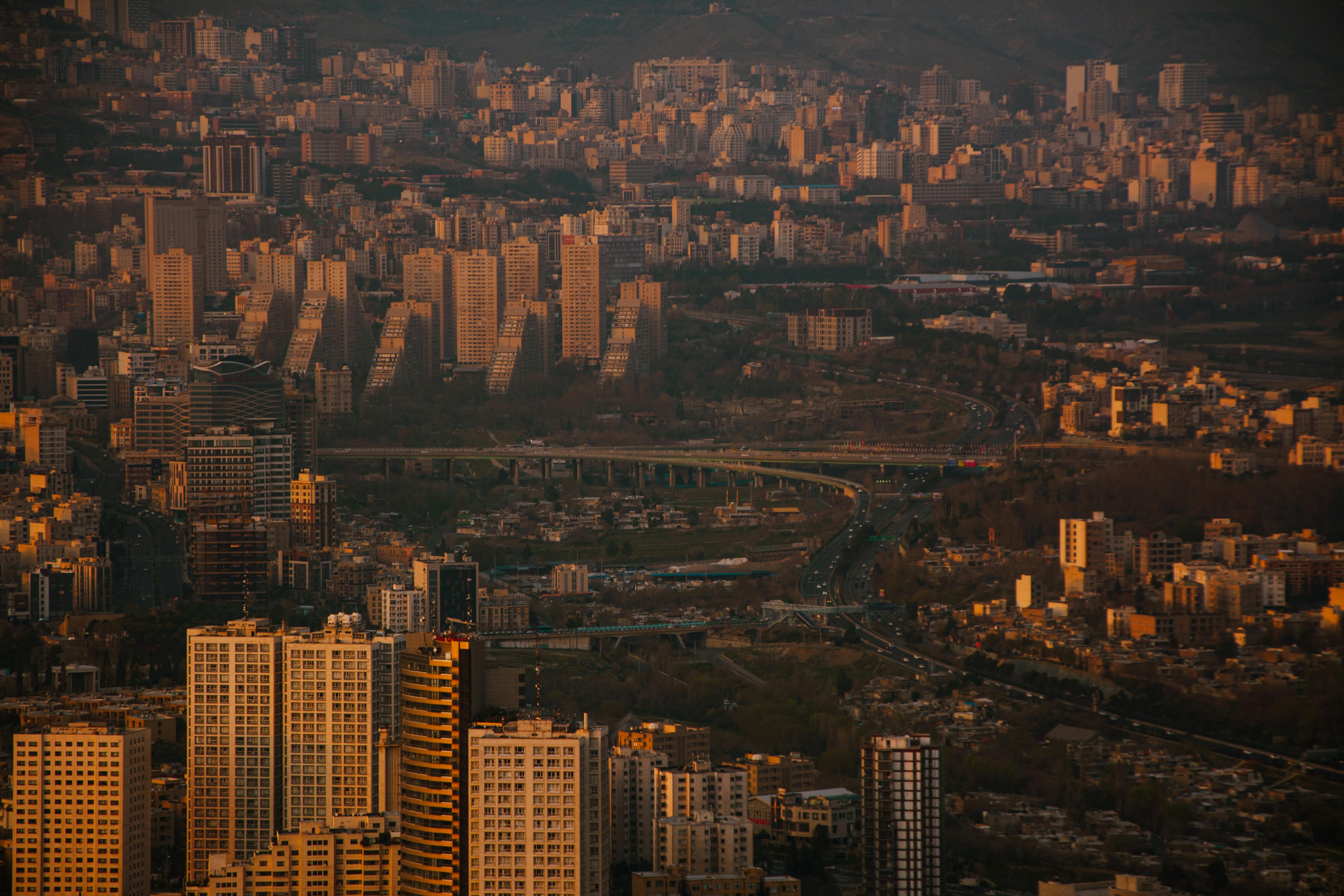
Tehran—set against the snow-dusted Alborz—blends royal opulence with everyday bustle. The Iranian capital grew from the ancient city of Rey into a 20th-century powerhouse where Qajar-era palaces and postmodern footbridges share the skyline. With vibrant bazaars, resolute museums, and mountains at its doorstep, a week here rewards curiosity and an open palate.
History hums in its tiled courtyards and modern galleries. Explore the UNESCO-listed Golestan Palace, the Grand Bazaar’s arteries of trade, and the soaring Azadi and Milad towers that bookend eras. Wander Si-e Tir Street’s museum row and food trucks, then head north for cool gardens, Tajrish Bazaar, and the forested trails of Darband and Darakeh.
Practical notes: visas and entry rules vary by nationality; check current advisories and requirements before booking. Bring cash (international cards rarely work); money is priced in rials but quoted in “tomans” (drop a zero). Dress modestly, especially at shrines; photography of government or military sites is restricted. The metro is excellent; ride-hailing (Snapp) is common; air quality and traffic fluctuate—plan mountain days right after rain for the clearest views.
Tehran
Tehran’s energy is kinetic by day and cinematic at dusk, when the Tabiat Bridge glows over parkland and the mountains blush mauve. In one radius you can bargain for spices, sip tea in a 100-year-old stall, and study Pahlavi palaces that whisper political turns. Food is a highlight—from slow-cooked dizi (abgoosht stew) and saffron-kissed tahchin to herb-packed northern dishes.
- Top sights: Golestan Palace, Grand Bazaar, National Museum of Iran, Carpet Museum, Tehran Museum of Contemporary Art (check exhibitions), Sa’dabad & Niavaran palace complexes, Tabiat Bridge, Azadi & Milad Towers, Tajrish Bazaar, Tochal telecabin.
- Local flavors: Kebab institutions like Alborz and Nayeb; bazaar legends Moslem (for tahchin) and Sharaf El-Islam; traditional dizi at Dizi Sara; tea at tiny Haj Ali Darvish in the bazaar; saffron ice cream (“Akbar Mashti”).
- Neighborhoods to base: Central (Ferdowsi/Valiasr) for museums and old Tehran; Tajrish/Niavaran for greener, cooler nights and easy mountain access; Sa’adat Abad/Elahiyeh for quiet, upscale stays.
Where to stay: Browse vetted stays and hotels in Tehran on VRBO and Hotels.com. Consistent picks include Espinas Palace (panoramic city views), Parsian Azadi (north, near Tochal access), Ferdowsi International Grand Hotel (walkable to Golestan/Bazaar), and Novotel/ibis at IKA for late arrivals.
How to get there: Fly into Imam Khomeini International Airport (IKA). From many European or Gulf hubs, nonstop/1-stop flights run ~5–9 hours, often $250–600 roundtrip depending on season. Compare fares on Trip.com (flights) or Kiwi.com. Airport to central Tehran takes 45–90 minutes by taxi; expect roughly $10–25 depending on time and distance.
Day 1 — Arrival, Valiasr Stroll, and Tabiat Bridge at Sunset
Morning: Fly into Tehran. If you land early, pick up a local SIM (Irancell or Hamrah-e Aval) at IKA and some cash at an authorized exchange. Pre-book a taxi, or use ride-hailing after securing a SIM.
Afternoon: Check in near Valiasr or Tajrish. Shake off jet lag with a light Persian lunch: try Nayeb (reliable kebabs; buttery basmati rice with a knob of saffron) or Sam Cafe (smart casual salads, flatbreads, and good espresso). Coffee fix? Chain favorite Lamiz Coffee pours strong brews across the city.
Evening: Walk the award-winning Tabiat Bridge during golden hour; its layered decks link Taleghani and Ab-o-Atash parks with skyline and mountain views. Dine at Divan (Sam Center rooftop) for modern Persian plates—think pomegranate-glazed chicken, reinvented tahchin, and inventive sherbets—then linger in the mall’s terraces for a nightcap tea.
Day 2 — Golestan Palace, Grand Bazaar, and Old-Tehran Tea
Morning: Start at UNESCO-listed Golestan Palace. Tour the Marble Throne veranda, mirrored halls, and photo museum; expect 2–3 hours with combined tickets. Stroll to the Grand Bazaar (best Sat–Thu): copperware, sweets, textiles, and a living lesson in Persian commerce.
Afternoon: Lunch inside the bazaar at famed Moslem (order the saffron-crusted tahchin—a baked rice “cake” with chicken) or Sharaf El-Islam (juicy kebabs, doogh yogurt drink). For a story-steeped cup, slip into pocket-sized Haj Ali Darvish Tea House (over a century old); sip cardamom tea with rock candy.
Evening: Explore the National Museum of Iran (prehistoric to Islamic-era highlights) or the nearby Glassware & Ceramic Museum (Abgineh) set in a Qajar mansion. Cap the day with classic Dizi Sara (Iranshahr St.): your server will mash the slow-cooked chickpea-lamb stew tableside; eat the broth first with flatbread, then the pounded solids with torshi pickles.
Day 3 — Carpets, Contemporary Art, and a Towering Night View
Morning: Wander the Carpet Museum of Iran beside Laleh Park; its masterpieces trace regional motifs and centuries of craftsmanship. Cross to the Tehran Museum of Contemporary Art (TMoCA) for rotating shows; its subterranean galleries are as notable as the collection (check current exhibits).
Afternoon: Break for lunch at the Iranian Artists Forum complex: Chai Bar serves a deep tea menu in a leafy courtyard; look for daily khoresht (stew) specials at the onsite traditional restaurant. Continue to the Reza Abbasi Museum (calligraphy, miniatures, metalwork) for an elegant overview of Persian artistry.
Evening: Take a leisurely promenade along central Valiasr Street, the city’s north–south spine lined with plane trees and boutiques. For dinner, book Gilaneh (northern Iranian cuisine: herb-laced baghala ghatogh, smoked fish, and sour orange flavors) or the ever-popular Alborz (legendary kebabs; the soltani combo is shareable). If you want a city panorama, head up Milad Tower afterward for the observation decks.
Day 4 — Sa’dabad Palaces, Tajrish Bazaar, and Darband Streamside
Morning: Tackle the vast Sa’dabad Complex in the foothills: prioritize the White Palace (Mellat) with its chandeliers and formal halls and the Green Palace with exquisite mirrorwork. The wooded grounds are great for a stroll.
Afternoon: Walk or taxi to Tajrish Bazaar for dried fruits, nuts, saffron, and copper trinkets; step into the blue-tiled Imamzadeh Saleh Shrine (dress conservatively). Lunch nearby at Nayeb (Tajrish branch) or grab a sweet Persian breakfast-for-lunch at Cafe Shemroon in Bagh-e Ferdows (try the kalleh-jush walnut-yogurt dip or barbari bread with herbs).
Evening: Head into Darband, a classic Tehran pastime. Follow the stream up a cobbled trail past samovar steam and skewers sizzling; pick a riverside kebab house with daybeds and heaters. Order koobideh or joojeh with plenty of grilled tomatoes and doogh, then tea with saffron rock candy as the lanterns come on.
Day 5 — Tochal Telecabin and Niavaran Royal Life
Morning: Ride the Tochal telecabin from Velenjak to high-altitude stations; in 45–60 minutes you can be above the clouds. In winter there’s skiing; in summer, crisp air and hiking. Warm up with ash-e reshteh (herbed noodle soup) at a mountaintop café; tickets are typically under $10.
Afternoon: Descend for the elegant Niavaran Palace complex: the Shah’s modernist residence, a museum of royal textiles, and manicured gardens under plane trees. Coffee break at Sam Cafe (Fereshteh/Sam Center) or a nearby Lamiz for reliable espresso.
Evening: For sunset, consider Bam-e Tehran (the “roof of Tehran”) above Velenjak—night views stretch to the horizon. Dine at SPU Restaurant (grills and steaks) near the lookout or return downtown for nostalgia at Cafe Naderi, a literary hangout since the 1930s serving kotlet sandwiches, pastries, and strong coffee.
Day 6 — Rey’s Sacred Heritage and Si-e Tir Street Food
Morning: Take Metro Line 1 south to Shahr-e Rey (about 30–40 minutes). Visit the Shah Abdol Azim Shrine complex—ornate courtyards and mirror halls; women may be offered a chador at the entrance. Nearby stand the Seljuk-era Tughrul Tower and hilltop remnants of ancient Rey; dress modestly and move respectfully.
Afternoon: Return to central Tehran for a slow lunch: try Alborz if you missed it, or hunt down a neighborhood dizi spot for a second round of abgoosht. If you prefer light fare, Cafe Tehroon (Jomhouri area) does a fine Persian breakfast all day—sangak bread, paneer, herbs, walnut jam, and brewed tea in glass cups.
Evening: Make for Si-e Tir Street, where museums meet a lively food-truck scene after dark. Graze on sambuseh, ash reshteh, grilled corn, and ice-cream-sandwich faludeh. If you crave a sit-down dessert, find a shop selling Akbar Mashti saffron-pistachio ice cream—dense, perfumed, and perfect after a day’s walk.
Day 7 — Museum Hops, Last Bites, and Departure
Morning: Save a flexible morning for anything you missed: the Post and Communications Museum (for vintage design), the Time Museum in Zafaranieh (clocks in a Qajar villa), or a final lap of Laleh Park. Pick up spices, dates, and gaz nougat either at Tajrish or a quality grocer downtown.
Afternoon: Early lunch before your flight: quick kebab at Shater Abbas (several branches) or a salad-and-sandwich stop at Sam Cafe. Allow 3–4 hours buffer for cross-city traffic and airport formalities to IKA. Compare any last-minute flight changes on Trip.com (flights) or Kiwi.com.
Evening: Departure day—if staying near the airport, the Novotel/ibis IKA restaurants are dependable for a last tea and kebab. Safe travels.
Insider tips and practicalities:
- Weekend is Friday; many offices slow on Thursday afternoon. Some museums have limited hours—especially the National Jewelry Treasury (typically Sat–Tue afternoons; confirm locally).
- Tehran Metro is fast and cheap; dedicated women’s cars are available. Taxis are plentiful; Snapp works well with a local SIM—cash payment is often fine.
- Expect menus to list prices in tomans (drop one zero from rials). Tipping is modest (round up or ~10% at restaurants).
- Alcohol is illegal; nightlife centers on cafés, teahouses, parks, and late walks on Valiasr, Tajrish, and the Tabiat Bridge.
Tehran rewards unhurried travelers: one day for palaces, one for bazaars, one for art, and several for mountain light and long meals. By week’s end, you’ll know your way around the metro, how you like your doogh, and exactly where the sunset looks best from the bridge.