
7 Days in Tehran: Palaces, Bazaars, Mountain Air, and Modern Art
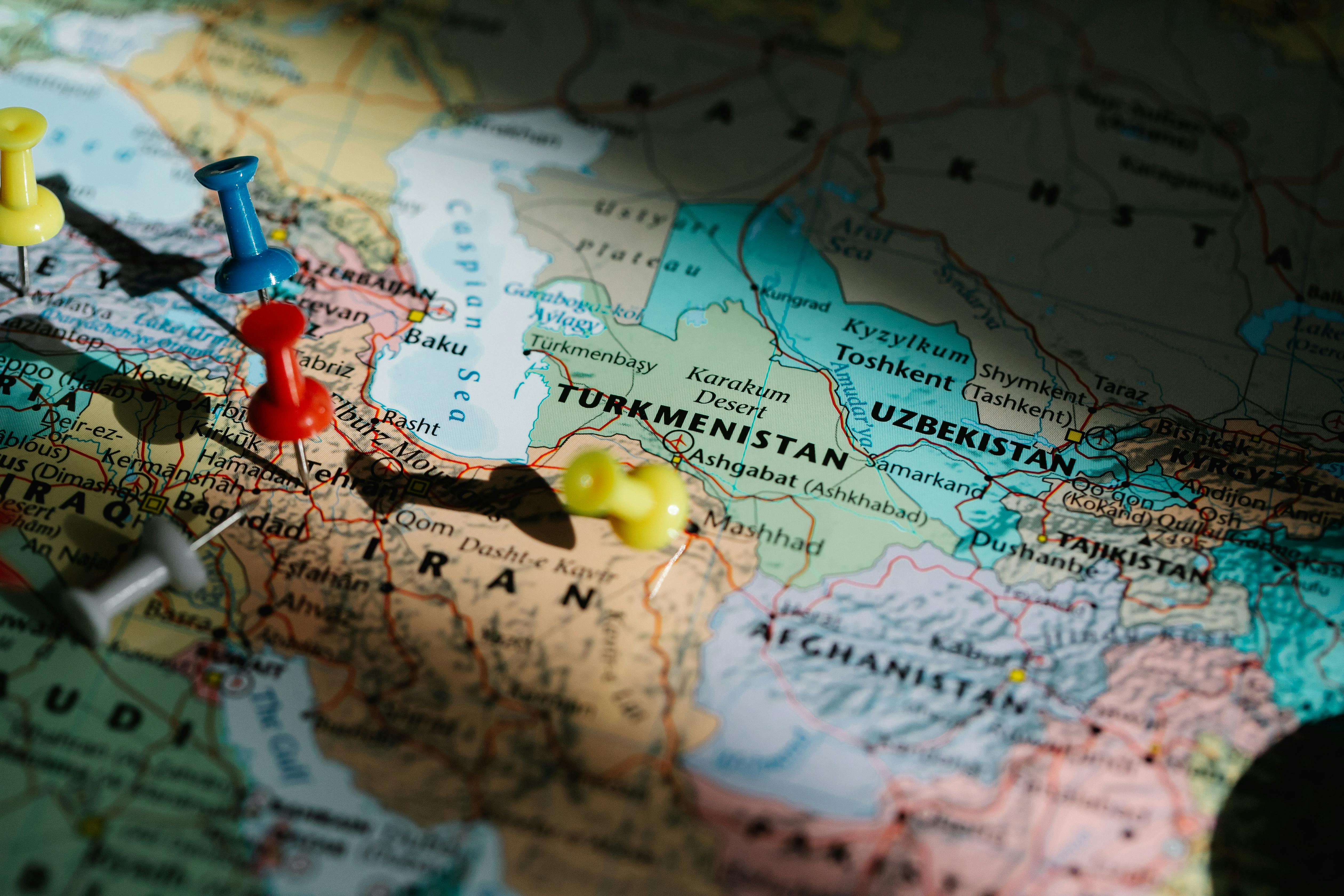
Tehran, Iran’s high-altitude capital beneath the Alborz Mountains, is a city of contrasts: Qajar-era palaces meet contemporary art galleries, spice-scented bazaars hum a stone’s throw from sleek bridges and modern towers. Founded as a village that rose to power in the late 18th century, Tehran became the Qajar and then Pahlavi seat—its palaces, museums, and broad boulevards narrate two centuries of rapid change.
Fun fact: Tehran holds one of the world’s most dazzling collections of royal gems—the Treasury of National Jewels—alongside a vibrant café scene and some of the Middle East’s most exciting modern art. From the UNESCO-listed Golestan Palace to the Tabiat (Nature) Bridge and the night markets of 30 Tir Street, the city is a feast for curious travelers.
Practical notes: international cards typically don’t work—bring sufficient cash (USD/EUR) to exchange locally, or arrange a tourist debit card. Dress codes are enforced by law; check current guidance and travel advisories before arrival. The metro is extensive and cheap, traffic is intense, and Thursday–Friday is the weekend. Persian cuisine shines—think kebabs, herb-laced stews, tahchin rice, and saffron ice cream.
Tehran
Tehran rewards unhurried exploration. Start downtown among Qajar palaces and the Grand Bazaar, then drift north to cool mountain air, Darband cafés, and royal compounds in Sa’dabad and Niavaran. Cap days with skyline views from Milad or Azadi Towers and golden-hour strolls over the Tabiat Bridge.
- Top sights: Golestan Palace (UNESCO), Grand Bazaar, National Museum of Iran, Treasury of National Jewels, Tabiat Bridge, Milad Tower, Azadi Tower, Sa’dabad and Niavaran palaces, Tajrish Bazaar, Rey’s shrines and Tughrul Tower.
- Where to stay: For easy sightseeing, base near Valiasr Street or Ferdowsi Square; for leafy calm, try Tajrish or Sa’adat Abad. Check availability on Hotels.com: Tehran hotels or search apartments on VRBO Tehran stays.
- Getting there: Fly into IKA (Imam Khomeini Intl). Compare routes via regional hubs (Istanbul, Doha, Dubai) on Trip.com flights or Kiwi.com flights. Typical flight times: 2–3.5 hours from Gulf hubs, 3–4 hours from Istanbul; roundtrips often $180–$450, season-dependent.
Airport to city: taxis take 50–75 minutes (traffic-dependent); expect roughly $15–30 equivalent. The airport metro operates limited hours and takes ~60–75 minutes into town. City metro rides are inexpensive, and local ride-hailing (book via your hotel if needed) is widely used.
Day 1: Arrival, Valiasr St. Stroll, and Tabiat Bridge Sunset
Afternoon: Arrive at IKA and transfer to your hotel. Shake off jet lag with a gentle walk along Valiasr Street—the city’s north–south spine lined with plane trees—and a pick-me-up at Sam Cafe (multiple branches; Fereshteh or Karim Khan are convivial) or Lamiz Coffee (reliable espresso).
Evening: Head to Abo-Atash Park and step onto the Tabiat Bridge, an award-winning pedestrian span with panoramic sunset views over the Modarres freeway. Dine at Divan (Sam Center, north Tehran) for modern Persian—try their jewel rice with barberries and saffron, or a pistachio-studded kebab—and finish with saffron-pistachio ice cream at a nearby bastani stand.
Day 2: UNESCO Tehran—Golestan Palace, Grand Bazaar, and National Treasures
Morning: Tour the Golestan Palace, a Qajar masterpiece of mirrorwork and tile (allow 2–3 hours; combined tickets typically $4–10 for foreigners depending on galleries). Don’t miss the Marble Throne veranda and photogenic Shams-ol-Emareh tower. Coffee break at Café Tehroon (retro Persian vibe; good herbal infusions) before stepping into the adjacent historic core.
Afternoon: Dive into the Grand Bazaar, among the world’s largest. Seek out the copper-workers’ lane for rhythmic hammering and the spice caravansaries for rose petals and saffron. Lunch at Moslem Restaurant (legendary tahchin—saffron rice cake with chicken) or Sharaf El-Islam (classic kebabs and khoresht). Then visit the National Museum of Iran (prehistoric to Sasanian highlights; ~1–2 hours). If it’s Sat–Tue, time your entry to the Treasury of National Jewels (usually open mid-afternoon for a short window; the Peacock Throne and Darya-ye Noor diamond are jaw-dropping).
Evening: Tea and live traditional music at Azari Traditional Teahouse (near Railway Square; reserve via your hotel for music nights). Try dizi (abgoosht)—a slow-cooked lamb and chickpea stew served with crispy bread and torshi pickles.
Day 3: Mountains, Darband Trail, Sa’dabad, and Tajrish
Morning: Ride north to Darband, a leafy gorge where footpaths and stairways climb along cascades. Settle at a riverside takht (platform) for breakfast—fresh barbari bread, honey, feta, and walnuts; or try ash-e reshteh (herb noodle soup). Snap the chairlift views if operating.
Afternoon: Explore the Sa’dabad Complex (sprawling royal estate; allow 2–3 hours). The White Palace showcases 20th-century state rooms; the Green Palace glitters with mirror mosaics. Walk or ride to Tajrish Bazaar for dried sour cherries, walnuts, and spices, then step into Imamzadeh Saleh shrine for exquisite blue tilework (observe dress and photography rules).
Evening: Dinner options nearby: Heeva Cafe (Northern Iranian plates like mirza ghasemi and baghala ghatogh), Gilaneh (seafood and rice dishes from the Caspian region on Africa Blvd), or Nayeb (a Tehran institution for barg and koobideh kebabs). Night stroll along Andarzgoo Boulevard’s café row.
Day 4: Palaces to Pop Art—Niavaran, Laleh Park Museums, and Milad Tower
Morning: Visit the Niavaran Palace Complex, a modernist royal residence with family quarters, Shah’s library, and a private cinema; tickets are sold per museum—budget $4–10 total. The garden is a quiet respite.
Afternoon: Cross to Laleh Park for a museum double: the Tehran Museum of Contemporary Art (rotating exhibitions; home to a major collection including modern masters) and the Carpet Museum of Iran (patterns as history lessons—verify opening hours). Lunch between visits: Gole Rezaieh (old-school café since the 1940s; schnitzel and fesenjan) or a quick bite on 30 Tir Street, where food stalls serve sambusas, ash, and fresh pomegranate juice.
Evening: Ride up the Milad Tower for sunset cityscapes; the observation deck is usually open into the evening. For dinner, book Shandiz Jordan for shishlik (giant marinated lamb chops) or choose contemporary Persian at Hestooran (inventive takes on classic stews and jeweled rice).
Day 5: Southbound to Rey—Shrines, Tughrul Tower, and Azadi
Morning: Take the metro to Rey (Shahr-e Rey), one of Greater Tehran’s oldest settlements. Visit the Shah Abdol-Azim Shrine complex (dress modestly; women should cover hair; observe separate entrances if signposted). Wander the adjacent bazaar for spices and halvah.
Afternoon: Short ride to the Tughrul Tower, a 12th-century Seljuk brick monument with elegant geometry. Lunch back near Rey at Nayeb (Shahr-e Rey branch) or a local dizi house. Return cityward to the Azadi Tower; tour its museum and climb inside for unique latticework views. Golden-hour photos on the plaza are superb.
Evening: Back downtown, dessert at historic Café Naderi (melancholy poets’ haunt; layer cakes and strong coffee) or sample classic saffron bastani at Akbar Mashti near Tajrish. If you still have energy, a late walk along Valiasr under the plane trees feels cinematic.
Day 6: Crafts, Galleries, and a Taste of Tehran
Morning: Return to the Grand Bazaar’s quieter courtyards to watch coppersmiths and carpet dealers open shop; sip a tiny glass of black tea at a tucked-away chaykhaneh. Consider arranging a Persian cooking class via your hotel—learn to cook ghormeh sabzi or fesenjan, and decode spice blends like advieh.
Afternoon: Lunch at Alborz Restaurant (a kebab legend—order soltani for a mix of barg and koobideh). Then gallery-hop in Karim Khan/Nejatollahi (Villa) area: look for contemporary spaces such as Aaran or Etemad showing emerging Iranian artists. Coffee at Sam Cafe (Karim Khan) or Rush/Roast specialty spots nearby.
Evening: Sunset reprise on the Tabiat Bridge if you loved it, or relax in Ab-o-Atash Park. Dinner ideas: back to Divan for dishes you missed, or go homestyle at Dizi Sara (Iranshahr St.; stone-pot stew served with rituals—pound, pour, and dip!). Nightcap saffron tea with cardamom.
Day 7: Hidden Houses and Last Bites
Morning: Before departure, visit the Moghaddam House Museum near Hasan Abad—an exquisitely restored residence with tranquil courtyard pools and eclectic artifacts (usually opens mornings to mid-afternoon; allow ~60–90 minutes). Brunch nearby at Café Tehroon or a quick stop at Lamiz for a cappuccino and a box of gaz (nougat) and sohan (saffron brittle) to take home. Transfer to IKA for your afternoon flight.
Where to Stay (by vibe and convenience)
- Leafy North (Tajrish/Sa’adat Abad): Cooler air, mountain access, near Sa’dabad/Niavaran; good for café-hopping and evening walks.
- Central (Valiasr/Ferdowsi/Karim Khan): Best for museum days and zipping around by metro; lively coffee and gallery scene.
- Classic Hotels to consider: Espinas Palace (modern, north), Espinas International (central), Parsian Azadi (north, views), Taj Mahal (suite-style; beloved Indian-Persian restaurant), Laleh (near museums). Check current availability and rates on Hotels.com: Tehran hotels or browse apartments on VRBO Tehran stays.
How to Move Around and Practical Tips
- Metro: Fast and inexpensive; signs are bilingual in many stations. Expect most trips under $0.50 equivalent.
- Taxis/Ride-hailing: Ask your hotel to arrange rides or help with local apps; most cross-town trips run $2–7 equivalent depending on traffic.
- Opening hours: Many museums close on certain religious holidays and often on Mondays. Treasury of National Jewels typically opens Sat–Tue afternoons for a short window—confirm the day prior.
- Money: International bank cards generally do not work. Bring sufficient cash (USD/EUR), exchange at authorized exchanges, and consider a tourist debit card arranged via your accommodation.
- Etiquette: Dress modestly; women should cover hair in public. Always ask before photographing people and in religious spaces.
Flights to Tehran
Compare fares and schedules to IKA from major hubs on Trip.com flights and Kiwi.com flights. Typical connections: Istanbul (3–4h), Doha (2–2.5h), Dubai (2–2.5h). Expect seasonal variations; book early for Nowruz (spring) and autumn high season.
With a week in Tehran, you’ll trace royal splendor, living bazaars, mountain trails, and neon-lit modernity. The city’s rhythm—tea glass clinks, muezzin calls, gallery openings—lingers long after you leave, along with the taste of saffron rice and sour cherries.