
7 Days in Tallinn: A Stylish Baltic City Break Through Medieval Lanes, Seaside Districts, and Estonian Flavors
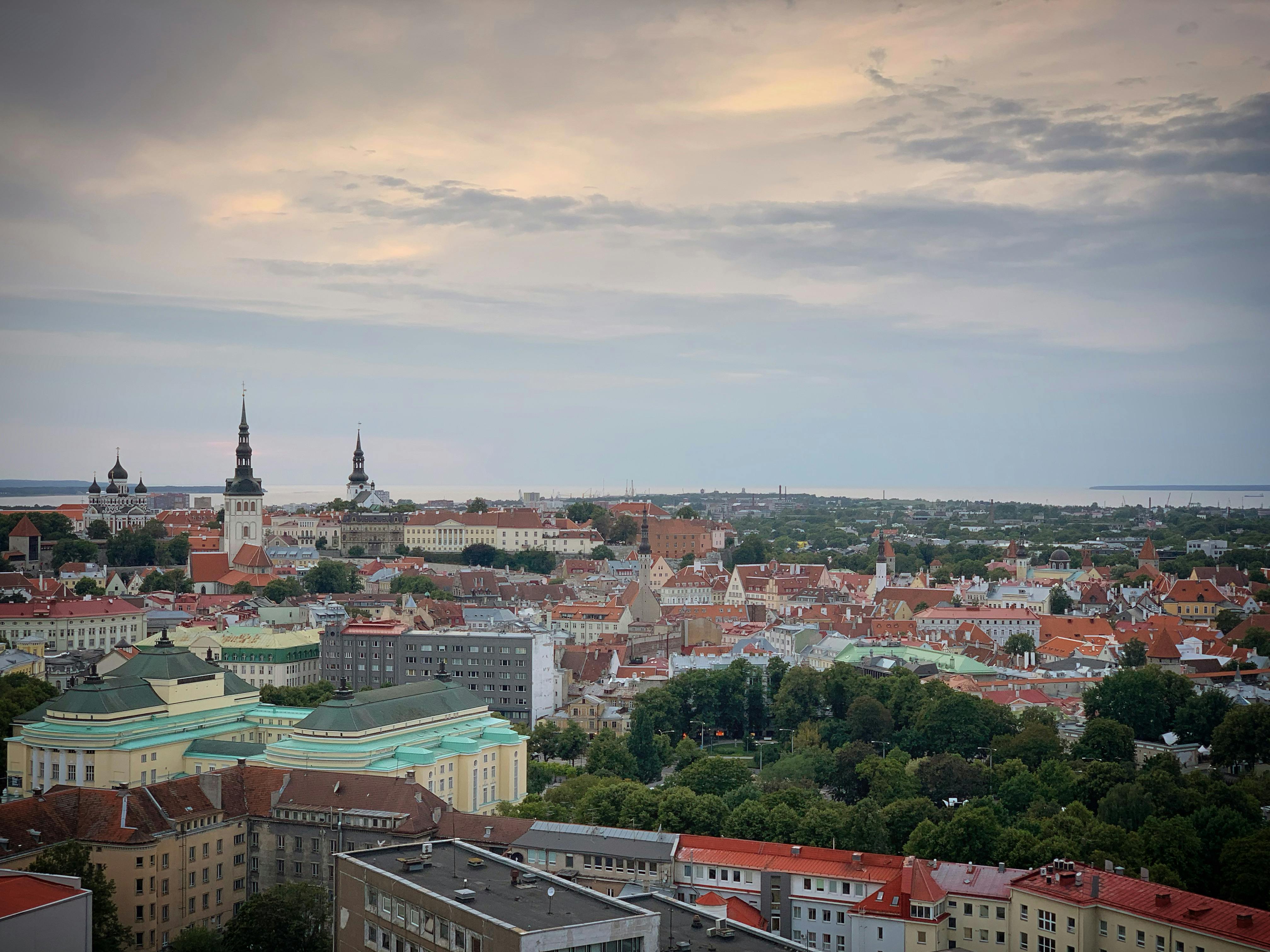
Tallinn is one of Europe’s most rewarding capital cities for travelers who love atmosphere as much as landmarks. Its UNESCO-listed Old Town still wears its medieval bones proudly—stone lanes, merchant houses, church spires, and defensive towers—yet the city also feels unmistakably modern, with inventive restaurants, design shops, startup energy, and a strong café culture.
Historically, Tallinn sat on important Hanseatic trade routes, and that merchant legacy still lingers in its warehouses, guild halls, and fortified walls. One of the city’s great pleasures is contrast: in a single day, you can walk from a Gothic square to a former industrial district filled with galleries, then out toward the Baltic Sea for sunset.
Practical notes: Tallinn is compact, walkable, and easy to navigate, though cobblestones in the Old Town mean sturdy shoes are a wise idea. Estonian cuisine today goes well beyond the old clichés—expect rye bread, smoked fish, forest mushrooms, black garlic, seasonal berries, and ambitious tasting menus alongside casual bakeries and coffee spots. As of early 2025, Tallinn remains a very manageable European destination for independent travelers, with reliable public transport, good digital infrastructure, and strong English proficiency in visitor-facing businesses.
Tallinn
Tallinn is the rare capital that feels both grand and intimate. Its skyline of towers and domes is instantly recognizable, but the city’s deeper appeal lies in its layered neighborhoods: the medieval lower town, aristocratic Toompea, bohemian Kalamaja, creative Telliskivi, and the dignified seaside around Kadriorg and Pirita.
This is an excellent city for travelers who like to combine culture with comfort. You can spend the morning in a centuries-old church, the afternoon browsing design stores or maritime exhibits, and the evening over modern Estonian cooking in a candlelit dining room.
Food is one of Tallinn’s strongest surprises. Traditional taverns still pour hearty soups and serve game, but many of the city’s best tables reinterpret local ingredients with Nordic precision. Coffee is taken seriously here too, and the bakery scene is strong enough to anchor several mornings of this itinerary.
Where to stay in Tallinn
- For first-time visitors, staying in or just outside the Old Town is the most practical choice, especially if you want to walk to major sights. Browse VRBO stays in Tallinn for apartments in historic buildings or modern city-center flats.
- If you prefer a hotel, compare options on Hotels.com Tallinn. Look around Old Town, Rotermann, or Kadriorg depending on whether you want medieval atmosphere, sleek dining, or quieter streets.
Getting to Tallinn
- If arriving from elsewhere in Europe, check Omio flights for air options and Omio ferries if you are pairing Tallinn with Helsinki or Stockholm.
- If you are traveling within Europe by rail and bus before reaching the Baltics, Omio trains and Omio buses are the most relevant tools. Tallinn itself is often reached most efficiently by plane or ferry; airport-to-center transfer is usually around 15–20 minutes by taxi or public transport.
Dining and local favorites to know before you start
- RØST Bakery: one of the city’s best morning stops, loved for cardamom buns, excellent sourdough, and serious coffee. Ideal when you want a modern Scandinavian-style breakfast rather than a hotel buffet.
- Karjase Sai: a stylish bakery and café with beautiful laminated pastries, strong espresso, and a polished but unpretentious feel. A very good central option for breakfast or a light lunch.
- F-Hoone: a Telliskivi staple in an industrial-chic setting, known for dependable brunches and relaxed lunches. It remains popular because it is actually useful, not merely fashionable.
- Rataskaevu 16: among Tallinn’s best-known restaurants for a reason, with warm service and a menu that feels local without being heavy-handed. It is excellent for an early trip dinner when you want a reliable start.
- Lee: tucked near Old Town walls, with refined cooking rooted in Estonian ingredients. Good for travelers who want a more composed, contemporary dinner.
- NOA Chef’s Hall or NOA: slightly outside the center on the waterfront, worth the taxi for a polished special-occasion meal with sea views and some of Tallinn’s most ambitious cooking.
Day 1: Arrival and a first walk through Old Town
Morning: This is your travel day, so keep the morning focused on transit and arrival logistics. If you want to compare final transport options into Estonia before departure, use Omio flights or Omio ferries; most arrivals into central Tallinn from the airport or ferry terminal are straightforward and relatively quick.
Afternoon: After checking in, begin gently with a self-guided stroll through Tallinn Old Town. Walk from Viru Gate toward Town Hall Square, then continue through narrow lanes such as Vene and Pühavaimu streets, where medieval façades, discreet courtyards, and old merchant houses create the city’s first unforgettable impression.
Afternoon: Pause for coffee and a pastry at Karjase Sai if you want something elegant and central, or at Pierre Chocolaterie in the Masters’ Courtyard if you are drawn to candlelight, truffles, and a slightly theatrical old-world mood. Pierre is not the place for third-wave coffee precision, but it is superb for atmosphere.
Evening: For your first dinner, book Rataskaevu 16. It is a smart opening-night choice because the menu is accessible but thoughtful, the setting is intimate, and dishes often highlight regional ingredients without turning dinner into a lecture on terroir.
Evening: If energy allows, finish with a twilight climb toward the viewing platforms on Toompea Hill. The city’s red roofs and church spires are especially striking at blue hour, and seeing Tallinn from above on your first night gives the rest of the week a satisfying sense of place.
Day 2: Toompea, medieval Tallinn, and classic city landmarks
Morning: Start with breakfast at RØST Bakery, where the cardamom buns are deservedly famous and the coffee is among the best in Tallinn. Then head uphill to Toompea Castle, Alexander Nevsky Cathedral, and the upper town viewpoints, where you can better understand how power, religion, and defense once shaped the city.
Morning: Continue to the Dome Church area and walk sections of the old walls and lanes surrounding the hill. Toompea is not just scenic; it is the part of Tallinn where the city’s aristocratic and political history comes into focus, making it a useful counterpoint to the merchant character of the lower town.
Afternoon: Have lunch at III Draakon for something playful and memorable. This tavern on Town Hall Square leans into medieval atmosphere with elk soup, savory pies, and candlelit rough-hewn interiors; it is touristy in concept, yes, but still genuinely fun when approached in the right spirit.
Afternoon: Spend the rest of the afternoon visiting Tallinn Town Hall Square, St. Olaf’s Church, and, if open and appealing to you, the Kiek in de Kök Fortifications Museum. The museum is especially worthwhile if you enjoy military history, tunnels, and the practical mechanics of a fortified city rather than just postcard beauty.
Evening: Dine at Lee, a polished restaurant near the old walls that handles local ingredients with finesse. The space feels calm rather than ceremonious, and the food often showcases smoky, pickled, herbal, and seasonal flavors that give a grounded sense of contemporary Estonian cooking.
Evening: After dinner, take a slow walk along the quieter Old Town lanes. Tallinn after dark is one of Europe’s best evening cities for walkers—less because of nightlife spectacle and more because the lantern-lit stone streets feel genuinely inhabited by history.
Day 3: Kadriorg, art, and seaside Tallinn
Morning: Begin with breakfast at NOP in Kadriorg, a beloved neighborhood café and shop known for fresh breakfasts, baked goods, and a local, lived-in feel. It is the kind of place that tells you as much about modern Tallinn as any museum.
Morning: Spend the late morning exploring Kadriorg Park and Kadriorg Palace, the baroque complex commissioned by Peter the Great. The gardens are especially pleasant in warmer months, while the district’s villas and tree-lined streets offer a calmer, more residential face of the city.
Afternoon: Visit KUMU Art Museum, Estonia’s premier art museum and one of the strongest cultural stops in the capital. Even travelers who are not habitual museum-goers often find KUMU rewarding because it places Estonian identity, Soviet history, and modern art in a broader Baltic and European framework.
Afternoon: For lunch, consider Mon Repos in Kadriorg, which offers a refined setting and well-executed seasonal dishes, or stay casual with a light café lunch nearby if you want more museum time. If the weather is good, continue toward the seafront promenade for a restorative walk.
Evening: Head to NOA or NOA Chef’s Hall for dinner, depending on how elaborate an evening you want. The waterfront setting is part of the appeal, but the real reason to go is the kitchen’s confidence with fish, sauces, and modern Nordic-Baltic technique.
Evening: Return to the center after dinner for a quiet drink at a smart wine bar or cocktail spot. If you prefer beer, Tallinn’s craft scene is lively, but this is also a good night to simply enjoy the harbor air and the longer northern evening light in season.
Day 4: Kalamaja, Telliskivi Creative City, and contemporary Tallinn
Morning: Start in Kalamaja, the former workers’ district turned one of Tallinn’s most appealing neighborhoods. Have breakfast and coffee at RØST Bakery if you want a repeat worth making, or try Fika for a softer, neighborhood-café pace and strong Scandinavian influence.
Morning: Wander the wooden houses and side streets of Kalamaja before making your way to Telliskivi Creative City. This former industrial complex has become a hub for design shops, murals, studios, food spots, and cultural events, and it shows how well Tallinn has repurposed its industrial spaces without sanding away their texture.
Afternoon: For lunch, choose F-Hoone, still one of the district’s most useful all-round restaurants, with a menu broad enough to satisfy mixed appetites. If you prefer something quicker, Telliskivi also has casual food counters and bakeries that make grazing easy.
Afternoon: Spend part of the afternoon at Fotografiska Tallinn, whose exhibitions and rooftop views make it one of the city’s most satisfying contemporary cultural venues. Even when the photography itself is not universally to your taste, the building, shop, and café ecosystem around it make the visit worthwhile.
Evening: For dinner, consider Lore Bistroo in Noblessner, a warm, sociable place known for sharing plates and a coastal-industrial setting, or 180° by Matthias Diether if you want a splurge meal with serious culinary ambition. Noblessner, a former submarine shipyard area, is one of Tallinn’s clearest examples of elegant urban reinvention.
Evening: After dinner, take a harbor-side walk in Noblessner. The mix of sea air, repurposed brick, and modern architecture gives this district a very different mood from Old Town, and by this point in the trip that contrast becomes one of Tallinn’s great pleasures.
Day 5: Maritime history, Noblessner, and the seafront
Morning: Have breakfast at Pulla Bakery or another central café, then head to the Seaplane Harbour (Lennusadam). This museum is excellent even for visitors who do not usually seek out naval history; the architecture of the hangars is impressive, and the exhibits are interactive, immersive, and unusually well presented.
Morning: Allow time to explore the museum ship, submarine displays, and Estonia’s wider maritime story. Tallinn’s identity has always been bound to the sea, and this museum explains that relationship better than any quick harbor glance can.
Afternoon: For lunch, stay in the wider Noblessner area, where you can choose between casual waterfront dining and more polished sit-down options. If you did not dine at Lore Bistroo on Day 4, this is a strong opportunity; it is especially good for a leisurely midday meal with excellent breads, seafood-forward plates, and a convivial atmosphere.
Afternoon: Continue with a walk along the waterfront and, if interested, stop at PROTO Invention Factory. This attraction is particularly good if you enjoy interactive exhibits, industrial heritage, or are traveling with older children and teens; it turns engineering ideas and prototypes into something more tactile and entertaining.
Evening: Return to the center for dinner at Härg if you are in the mood for a strong steakhouse experience, or choose Farm for a menu that leans more directly into Estonian ingredients and rustic-modern presentation. Farm is a better fit if you want one of your final dinners to feel rooted in place rather than globally interchangeable.
Evening: If you would like a post-dinner drink, seek out a quiet cocktail bar rather than a noisy pub crawl. Tallinn can certainly party, but on a weeklong city break, the more rewarding evening move is often to preserve time and attention for the city itself.
Day 6: Pirita, outdoor Tallinn, and a slower final full day
Morning: Start with breakfast near your hotel, or revisit your favorite café of the trip. Then make your way to Pirita, Tallinn’s greener seaside district, where the city opens up into beach, river, yachting history, and long pedestrian stretches that feel far removed from Old Town’s compact drama.
Morning: Visit the Pirita Convent Ruins, whose surviving stone structures are haunting and photogenic without being overrun by crowds. The site offers a quieter, more contemplative encounter with Tallinn’s medieval past than the busier landmarks in the center.
Afternoon: Have lunch at a seaside restaurant or café in the Pirita area, keeping things simple and scenic. If weather permits, walk part of the beachfront or riverside path; this is less about checking off sights and more about experiencing how locals use the city’s coastal space.
Afternoon: If you still want one more major cultural stop, consider the Estonian Open Air Museum on the western side of Tallinn instead of Pirita, especially if you are interested in vernacular architecture and rural history. It requires more transit time, but it offers a valuable picture of the country beyond the capital.
Evening: For your final celebratory dinner, choose the restaurant that best matches the tone you want to end on: NOA Chef’s Hall for a memorable tasting-menu finale, Lee for a composed city-center meal, or Rataskaevu 16 if you prefer a warm, familiar favorite. Any of these would make a worthy closing chapter.
Evening: End with one last walk through the Old Town or along the city walls. By the sixth night, Tallinn no longer feels like a postcard; it feels legible, textured, and personal, which is exactly what a well-paced week here should achieve.
Day 7: Market browsing, final bites, and departure
Morning: Keep the final morning light and practical. Enjoy breakfast at Karjase Sai or RØST Bakery, then spend a couple of hours picking up edible souvenirs such as rye products, chocolates, craft spirits, or small design goods from central boutiques or market-style shops.
Morning: If you want one last cultural stop before leaving, visit the Balti Jaam Market. It is a good place to see everyday Tallinn in motion, with produce, street food, antiques, and a useful cross-section of local life beyond the formal heritage sites.
Afternoon: Have an early lunch before departure. F-Hoone works well if you are near Telliskivi, while a central café lunch is smarter if you need to collect luggage and head to the airport or ferry terminal soon after.
Afternoon: For onward travel, use Omio flights if departing by air within Europe or Omio ferries if continuing across the Baltic Sea. Allow roughly 15–20 minutes to Tallinn Airport from the center in normal conditions, and a bit longer to ferry terminals depending on traffic and baggage.
Extra food and drink recommendations for your week in Tallinn
- Olde Hansa: best approached as theatrical dining rather than a purely gastronomic stop. The medieval concept is elaborate and memorable, making it a fun option if you want one meal that leans hard into Tallinn’s Hanseatic identity.
- Vegan Restoran V: a smart choice even for non-vegans, especially if you want a lighter meal after several rich dinners. Its long-standing popularity reflects real consistency rather than trendiness.
- Maiasmokk: Tallinn’s historic café is worth visiting for confectionery, marzipan, and old-fashioned café culture. It works particularly well as an afternoon pause when you want a dose of edible history.
- Koht: a tiny and beloved craft beer bar with a more local, less staged feel than many central drinking spots. Excellent if you want to sample Estonian beer culture without committing to a late night.
Tallinn rewards a full week because it reveals itself in layers: medieval, maritime, artistic, coastal, and quietly forward-looking. This 7-day Tallinn itinerary gives you the landmarks you came for, then goes further—into neighborhoods, meals, and moments that make the city feel lived rather than merely visited.
By the time you leave, you will have seen why Tallinn is one of the most compelling Baltic city breaks in Europe: compact but rich, historic yet inventive, and generous to travelers who walk slowly, eat well, and stay curious.