
7 Days in Spain: Madrid and Barcelona Itinerary for Art, Tapas, Gaudí, and Grand Boulevards
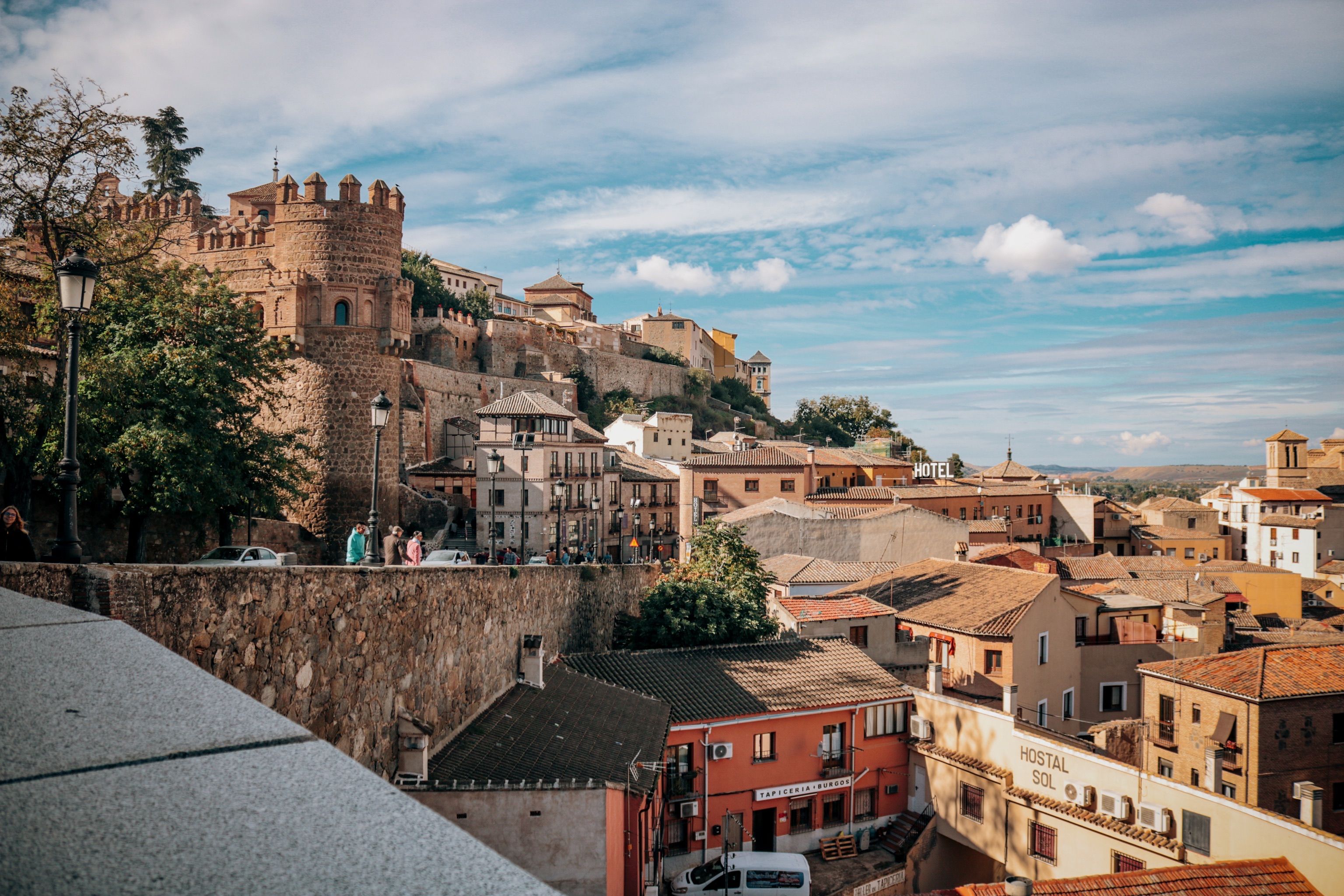
Spain rewards even a short trip with astonishing variety. In a single week, you can move from Madrid’s Habsburg squares and museum-lined boulevards to Barcelona’s Mediterranean light, Gaudí architecture, and seaside neighborhoods. This 7-day Spain itinerary focuses on the country’s two great urban capitals, giving you a balanced introduction to history, food, art, and local rhythm without turning the trip into a sprint.
Madrid rose to prominence in the 16th century when Philip II made it the seat of the Spanish court, and it still carries that imperial confidence in its plazas, palaces, and ceremonial avenues. Barcelona, by contrast, feels more mercurial and artistic, shaped by Catalan identity, merchant wealth, and the fever dream imagination of Antoni Gaudí. Together, they form one of Europe’s most rewarding twin-city trips.
Practically speaking, Spain is easy to navigate by high-speed rail, and for a 7-day trip the AVE/iryo/OUIGO corridor between Madrid and Barcelona is far more pleasant than flying once airport transfers are counted. Expect late dining hours, especially for dinner, and remember that major attractions such as the Royal Palace, Sagrada Família, and Park Güell are best booked ahead. Bring comfortable walking shoes, pace your museum time, and leave room for long coffees, vermouth, and unplanned detours.
Madrid
Madrid does not seduce with one monument alone; it wins you over by accumulation. A perfect cup of coffee on a tiled plaza, a Goya in a hushed gallery, the sudden grandeur of the Royal Palace, the clatter of plates at a century-old tapas bar—this is a city of layered pleasures.
Spain’s capital is especially good for first-time visitors because the major sights are concentrated and the neighborhoods are easy to read. Sol, Plaza Mayor, the Literary Quarter, the Prado area, and La Latina can all be explored on foot, and each reveals a different face of the city.
For stays in Madrid, browse VRBO Madrid rentals for apartment-style options, or compare hotels via Hotels.com Madrid. Strong picks include The Westin Palace, Madrid for classic grandeur near the Golden Triangle of Art, Novotel Madrid Center for a comfortable base with easy transit, and Hostal Persal for a more budget-conscious stay near Sol and the Literary Quarter.
For arrival planning into Spain and onward rail options, use Omio flights for European air routes and Omio trains for Spain’s high-speed rail network. If you are arriving from outside Europe and want to compare flight options, Trip.com flights is also useful.
- Recommended activity: Madrid: Royal Palace Guided Tour with Skip the Line Ticket — ideal if you want context for the ceremonial rooms, Bourbon history, and court etiquette rather than simply wandering through opulent halls.
- Recommended activity: Three Cities in One Day: Segovia, Avila and Toledo from Madrid — a long but efficient excursion if you would rather add medieval Spain to your trip than spend another full city day in Madrid.


Day 1 – Arrive in Madrid and Settle into the Historic Center
Morning: This is your travel day, so keep the morning light. Aim for an afternoon arrival in Madrid and transfer to your hotel in the central districts of Sol, Cortes, or Salamanca for the easiest first-time stay.
Afternoon: After check-in, begin gently with a walk through Puerta del Sol, Plaza Mayor, and the arcaded streets around the old core. Stop for coffee and something sweet at Chocolatería San Ginés; yes, it is famous, but the thick hot chocolate and churros are a Madrid rite of passage and a pleasant way to mark your first hours in Spain.
Evening: Head to the Literary Quarter for dinner at Casa Alberto, a venerable tavern known for classic dishes such as rabo de toro and well-poured vermouth, or try Taberna La Concha in La Latina for a more intimate, local feel. If you still have energy, stroll to Plaza de Santa Ana for your first look at Madrid at night, when the terraces fill and the city begins dining in earnest.
Day 2 – Royal Madrid, Markets, and Sunset Views
Morning: Start with the Royal Palace guided tour. The palace is less a home than a theater of monarchy, full of frescoed ceilings, porcelain rooms, and ceremonial symbolism; going with a guide helps turn gold leaf and chandeliers into a coherent story about Spain’s Bourbon dynasty.
Afternoon: Walk across to Almudena Cathedral, then continue to Mercado de San Miguel for a snack-based lunch if you want variety, though for better value and fewer crowds I prefer Casa Revuelta for fried cod or El Landó for a more traditional sit-down meal. Spend the later afternoon at the Temple of Debod, where an authentic Egyptian temple—gifted to Spain—sits improbably above Madrid, offering one of the city’s best panoramic viewpoints.
Evening: Dine in La Latina, where tavern culture still feels deeply rooted. Taberna Tempranillo is excellent for wine and small plates, while Juana La Loca is a reliable favorite for its famous tortilla de patatas, rich and custardy in the center, one of Madrid’s most discussed versions for good reason.
Day 3 – Art Triangle and Elegant Boulevards
Morning: Have breakfast at HanSo Café or Toma Café, both strong choices if you care about specialty coffee rather than simply caffeine. Then dedicate the morning to the Prado Museum; focus on Velázquez, Goya, El Greco, and Bosch rather than attempting to conquer everything, because the museum is far more rewarding in selected masterpieces than in exhaustive fatigue.
Afternoon: Lunch near the museum at El Brillante if you want Madrid’s famous calamari sandwich in an old-school setting, or at Fismuler for a more contemporary Spanish menu. Afterwards, stroll the Paseo del Prado and Retiro Park; rent a rowboat if the weather is fine, or simply wander beneath the plane trees and past the Crystal Palace.
Evening: For dinner, book Sobrino de Botín if the appeal of dining at one of the world’s oldest restaurants speaks to you; roast suckling pig is the headline dish. If you prefer something more modern, try Sala de Despiece, where market aesthetics and clever plating make the meal feel distinctly current without losing Spanish identity.
Day 4 – Optional Day Trip or Deeper Madrid
Morning: If you want to maximize your week, take the Three Cities in One Day: Segovia, Avila and Toledo from Madrid tour. It is a long day, but it delivers Roman engineering in Segovia, medieval walls in Ávila, and layered Christian, Jewish, and Islamic heritage in Toledo, giving your Spain itinerary a broader historical frame than the capital alone can offer.
Afternoon: If you stay in Madrid instead, spend the afternoon in Malasaña and Chueca. Browse independent shops, pause for coffee at Misión Café, and enjoy lunch at Casa Macareno, a polished tavern that respects traditional cooking while feeling very much of today’s Madrid.
Evening: Either return from the day trip and keep dinner simple near your hotel, or if you remained in the city, go out for a more atmospheric final Madrid night. Bodega de la Ardosa is a classic choice for vermouth, salmorejo, and tortilla, and its old tiled interior makes the whole experience feel like a scene preserved from another century.
Day 5 – High-Speed Train to Barcelona
Morning: Depart Madrid for Barcelona by high-speed train booked through Omio trains. The trip typically takes about 2 hours 30 minutes to 3 hours, with fares often ranging from about $25 to $90 depending on how early you book and which operator you choose; aim for a morning departure so you still have most of the day in Catalonia.
Afternoon: After hotel check-in in Barcelona, begin in the Gothic Quarter and El Born. Wander Plaça Reial, the cathedral area, and the medieval lanes toward Santa Maria del Mar, then stop for lunch at Bormuth or El Xampanyet, where cava and small plates set the tone beautifully for your first afternoon in the city.
Evening: Walk down to Barceloneta or Port Vell for a maritime change of mood. For dinner, Can Solé is a venerable seafood address, while La Cova Fumada is beloved for its no-frills neighborhood character and bomba, the potato-and-meat croquette associated with Barcelona’s working waterfront traditions.
Barcelona
Barcelona feels both carefully built and gloriously unruly. Roman foundations, Gothic lanes, Modernist façades, beach culture, and avant-garde cooking coexist here in a way few European cities can match.
This is a place where architecture becomes biography. Gaudí’s basilica still rises after more than a century of construction, Park Güell turns a hillside into a mosaic fantasy, and even ordinary apartment buildings in the Eixample seem to compete for beauty.
For accommodation, browse VRBO Barcelona rentals or compare hotels on Hotels.com Barcelona. Excellent options include Hotel Arts Barcelona for a waterfront splurge, Hostal Grau Barcelona for a stylish central stay, and H10 Marina Barcelona for a comfortable base between the old city and the sea.
- Recommended activity: Park Guell and Sagrada Familia Tour with Skip the Line Tickets — an efficient pairing of Gaudí’s two most essential works, ideal if your time in Barcelona is limited.
- Recommended activity: Montserrat & Cogwheel Train, Gourmet Wine Tasting & Tapas/Lunch — a superb day out combining mountain scenery, pilgrimage history, and Catalan wine country.
- Recommended activity: Barcelona Paella Cooking Class with Market Visit, Tapas & Sangria — a lively, hands-on way to understand Spanish ingredients beyond restaurant tables.
- Recommended activity: Sagrada Familia: The Golden Hour with Skip the line Tickets — particularly appealing for travelers who want the basilica at its most luminous, when stained glass turns the nave into a chamber of shifting color.


Day 6 – Gaudí Masterpieces and the Eixample
Morning: Begin with coffee and pastry at Satan’s Coffee Corner or Nomad Frutas Selectas if you want a more contemporary specialty-coffee start. Then take the Park Guell and Sagrada Familia Tour with Skip the Line Tickets; seeing both sites with a guide helps decode Gaudí’s symbolism, from organic columns and biblical façades to the serpentine benches and engineered whimsy of Park Güell.
Afternoon: After the tour, have lunch in the Eixample at Cervecería Catalana if you do not mind a lively, popular room, or at Ciudad Condal for dependable tapas and efficient service. Spend the afternoon along Passeig de Gràcia, admiring Casa Batlló and La Pedrera from the outside and noting how Barcelona turned apartment façades into acts of architectural competition.
Evening: If you want a memorable second look at Gaudí’s basilica, consider the Sagrada Familia Golden Hour tour. For dinner, book a table at Bar Mut for polished Catalan comfort food, or go to Cal Pep in El Born for seafood-driven small plates served with the kind of cheerful intensity that makes Barcelona dining so entertaining.
Day 7 – Montserrat or Markets, Then Departure
Morning: If your departure is in the afternoon and logistics allow, spend your final morning close to the center rather than venturing too far. Walk through the Boqueria area early before the biggest crowds, then have breakfast at Granja M. Viader, a historic dairy café famous for xuixos, melindros, and thick hot chocolate, or choose Brunch & Cake if you want a more contemporary menu.
Afternoon: For travelers with a later onward schedule or those adding an extra night, the Montserrat & Cogwheel Train, Gourmet Wine Tasting & Tapas/Lunch experience is one of the best excursions from Barcelona. If you are truly departing today, keep it simple with last-minute shopping in El Born or along Rambla de Catalunya, then transfer to the airport or station using time booked through Omio flights or onward rail via Omio trains.
Evening: If you still have a final evening in the city, make it count with a farewell dinner at 7 Portes, a Barcelona institution long associated with rice dishes and literary history, or at Cañete near the Raval for spirited service and superb seafood and Iberian ham. Raise a glass of cava to a week that has taken you from royal Madrid to Modernist Barcelona without wasting a day.
This 7-day Spain itinerary gives you two contrasting but complementary cities: Madrid for courtly history, museums, and tavern culture, and Barcelona for Gaudí, Catalan character, and Mediterranean energy. It is a compact route, but it offers a remarkably rich first encounter with Spain—one filled with art, architecture, tapas, and the kind of city walks that stay in the memory long after the trip ends.