
7 Days in Spain: Madrid and Barcelona Art, Tapas & Gaudí Itinerary
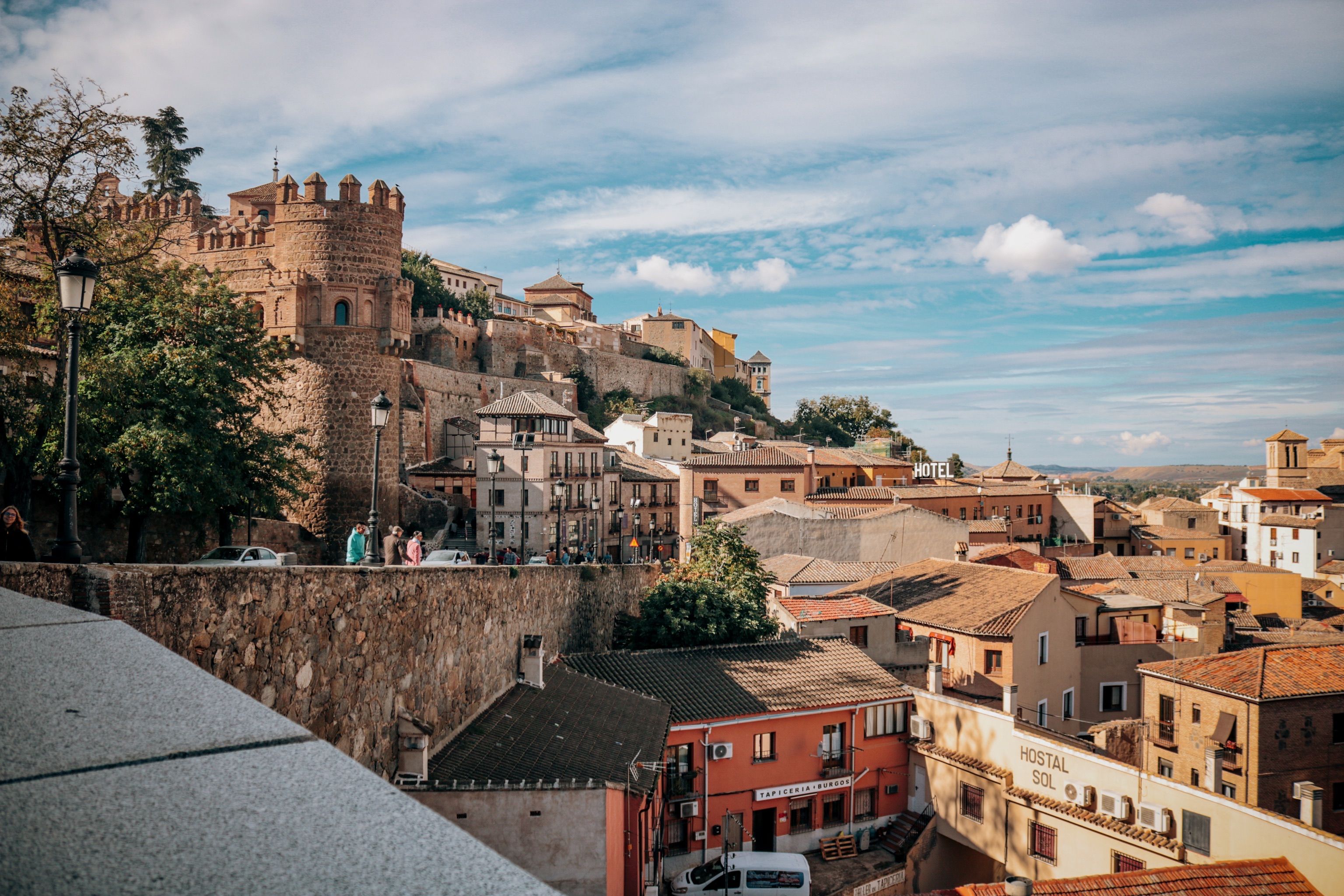
Spain rewards even a short trip with an astonishing range of history, food, and atmosphere. In a single week, you can move from Madrid’s Habsburg plazas and masterpiece-filled museums to Barcelona’s dreamlike Gaudí architecture and sea-bright Catalan streets, all connected by one of Europe’s most efficient high-speed rail networks.
There is also a pleasure in Spain that does not fit neatly on a monument list: late dinners, coffee taken standing at a bar, market counters with glistening jamón, and neighborhoods that come alive after sunset. Practical notes matter here: reserve major sights in advance, especially the Royal Palace and Sagrada Familia; keep an eye on pickpocketing in busy transit hubs and along La Rambla; and remember that lunch often runs late and dinner commonly begins after 8:30 p.m.
This 7-day Spain itinerary focuses on Madrid and Barcelona, the best two-city combination for a one-week first trip. You will have time for royal history, flamenco, tapas, world-class art, Gothic lanes, and modernist icons, without spending too much of your holiday in transit.
Madrid
Madrid is Spain’s stately heart: elegant, animated, and gloriously devoted to the good life. It is a city of broad avenues, leafy parks, old taverns, late-night conversation, and museums that can stand beside any in Europe.
What makes Madrid especially rewarding is how easily the monumental and the everyday coexist. One moment you are standing before Velázquez at the Prado; the next, you are leaning over a marble counter in a century-old vermouth bar with a plate of gildas and croquetas.
Where to stay: For a refined classic base, consider The Westin Palace, Madrid. For strong mid-range value, look at Novotel Madrid Center or Melia Madrid Princesa. For budget-friendly central lodging, Room007 Ventura Hostel and Hostal Persal are practical picks. You can also browse broader options on VRBO Madrid and Hotels.com Madrid.
Getting there: For flights into Spain, compare options via Omio flights. Madrid-Barajas is usually the easiest international gateway, with metro, train, and taxi access into the center in roughly 20–40 minutes depending on your neighborhood.

Recommended Madrid activity: Madrid: Royal Palace Guided Tour with Skip the Line Ticket. This is an excellent first-city booking because it adds context to a monument that can otherwise feel overwhelming in scale.

Optional long day tour from Madrid: Three Cities in One Day: Segovia, Avila and Toledo from Madrid. It is ambitious, but useful if you want a fast survey of Castilian Spain without changing hotels.
Day 1 - Arrive in Madrid
Morning: In transit to Spain.
Afternoon: Arrive in Madrid, check in, and keep the first hours gentle. Take an orientation stroll through Puerta del Sol, Plaza Mayor, and the lanes around Ópera; these compact central districts give you a quick feel for old Madrid without demanding too much energy after a flight.
Evening: Start with a classic Madrid dinner in the Literary Quarter. For tapas, head to Casa Revuelta for crisp bacalao frito and to Bodega de la Ardosa for tortilla española and vermouth; if you want a more formal first meal, Sobrino de Botín is famous for roast suckling pig and claims centuries of continuous operation. End with a short walk past the illuminated Royal Palace and Almudena Cathedral.
Day 2 - Royal Madrid and the historic center
Morning: Begin with coffee and breakfast at HanSo Café or La Mallorquina; the latter is beloved for pastries in the heart of the city. Then visit the Royal Palace with the skip-the-line guided tour, which is the smartest way to understand the ceremonial rooms, Bourbon dynastic history, and why this enormous palace is still used for state occasions.
Afternoon: Walk to Mercado de San Miguel for a selective lunch rather than a full graze-everything spree; look for jamón ibérico, croquetas, olives, and a glass of wine. Afterward, cross toward Plaza de la Villa and the Austrias quarter, where Madrid still shows its Habsburg bones in narrow streets and shaded stone facades.
Evening: For dinner, book Taberna La Concha in La Latina for excellent tostas and wine, or Casa Lucio if you want the famed huevos rotos in a room long favored by politicians and actors. If energy allows, continue to a flamenco performance in the center; even in Madrid, the art form carries the emotional intensity of Andalusia, and an intimate tablao is far better than a generic bar crawl.
Day 3 - Prado, Retiro and neighborhood food culture
Morning: Fuel up at Toma Café if specialty coffee matters to you, or Misión Café for excellent pastries and a polished brunch atmosphere. Spend the morning at the Prado Museum, where the essential route includes Velázquez’s Las Meninas, Goya’s blacker visions of Spain, and masterpieces by El Greco, Titian, and Bosch.
Afternoon: Have lunch nearby at Los 33 for a lively grill-focused meal or La Castela for classic raciones done with care. Then walk through Retiro Park, pausing at the lake, the Crystal Palace, and the long tree-lined avenues that make Madrid feel almost ceremonial in scale.
Evening: Spend the night in Chueca or Malasaña, two neighborhoods that show Madrid’s more contemporary personality. For dinner, try Sala de Despiece if you want inventive small plates presented with theatrical flair, or Casa Macareno for a handsome modern tavern take on traditional Madrid fare.
Day 4 - Day trip or slow Madrid finale
Morning: If you want a full excursion, take the Three Cities in One Day: Segovia, Avila and Toledo from Madrid. It is a long day, but it packs Roman engineering in Segovia, medieval walls in Ávila, and Toledo’s layered Christian, Muslim, and Jewish heritage into one efficient outing.
Afternoon: If you prefer to remain in Madrid, make this a slower local day: browse the bookshops and boutiques of Barrio de las Letras, then take lunch at Casa González, a tiny, atmospheric shop-bar known for cheeses, wines, and preserved delicacies. Another excellent option is Lhardy, one of Madrid’s historic dining rooms, where cocido and consommé connect you to 19th-century culinary tradition.
Evening: Celebrate your last Madrid night with cocktails at Salmon Guru if you enjoy inventive drinks, or a more traditional final vermouth in La Latina. For dinner, Taberna El Sur offers dependable classics, while Lakasa is a strong choice for contemporary Spanish cooking with serious ingredients and polish.
Barcelona
Barcelona arrives in a different register entirely. Where Madrid is courtly and inland, Barcelona is visual, restless, and Mediterranean, a city where Gothic stone, beach light, and Gaudí’s improbable imagination all seem to occupy the same block.
It is also a city best enjoyed by district. The Gothic Quarter rewards early wandering, the Eixample reveals modernist facades at every turn, Gràcia still feels proudly local, and Barceloneta reminds you that one of Europe’s most culturally significant cities is also by the sea.
Where to stay: For a splurge, consider Hotel Arts Barcelona. For stylish mid-range stays, H10 Marina Barcelona, Novotel Barcelona City, and Hilton Diagonal Mar Barcelona are good options. For budget-conscious travelers, Hostal Grau Barcelona and Generator Barcelona are useful bases. You can also browse VRBO Barcelona and Hotels.com Barcelona.
Travel from Madrid to Barcelona: Take a morning high-speed train, typically about 2.5 to 3 hours city-center to city-center, usually around $35-$90 depending on timing and fare class. Compare schedules on Omio trains or Trip.com trains; rail is generally faster and less cumbersome than flying for this route.

Recommended Barcelona activity: Sagrada Familia Guided Tour with Skip the Line Ticket. If this is your first time in Barcelona, it is one of the most worthwhile advance reservations in the country.

Recommended Barcelona activity: Park Guell Guided Tour with Skip the Line Ticket. This gives structure to a site whose symbolism and design are easy to miss without explanation.

Recommended day trip from Barcelona: Montserrat & Cogwheel Train, Gourmet Wine Tasting & Tapas/Lunch. It is one of the best combinations of landscape, spirituality, and regional food near the city.

Recommended culinary experience: Barcelona Paella Cooking Class with Market Visit, Tapas & Sangria. A useful, social way to understand ingredients and techniques rather than only eating them.
Day 5 - Train to Barcelona and the Gothic Quarter
Morning: Depart Madrid by high-speed train for Barcelona. Aim for an early service so you can arrive by late morning or around midday, drop your bags, and still have a meaningful first afternoon in the city.
Afternoon: Start gently in the Gothic Quarter, where Roman foundations, medieval lanes, and small squares still define the old core. Lunch at Bar del Pla for polished Catalan small plates or Bormuth for a more casual but consistently satisfying spread of tapas, montaditos, and vermouth.
Evening: Walk through El Born toward Santa Maria del Mar, one of Barcelona’s most beautiful churches and a masterpiece of Catalan Gothic simplicity. For dinner, choose Tapeo for excellent seasonal tapas or Cal Pep if you do not mind a wait for first-rate seafood and market-driven cooking. If you want a memorable show, book the Top Awarded Flamenco Show Tablao Cordobes with dinner option.
Day 6 - Sagrada Familia, Eixample and Gràcia
Morning: Have breakfast at Brunch & Cake if you want a colorful, substantial start, or seek out a simpler local café for a croissant and cortado. Then visit the Sagrada Familia with the guided skip-the-line tour; Gaudí’s basilica is overwhelming not just for its scale but for how it turns light into structure, theology, and color.
Afternoon: Explore the Eixample, Barcelona’s rational 19th-century expansion district, where the gridded avenues hold some of the city’s most spectacular facades. For lunch, El Nacional offers a handsome multi-counter food hall experience, while Cerveseria Catalana remains a reliable choice for tapas if you go at an off-peak hour to avoid long waits.
Evening: Spend the evening in Gràcia, a district that still feels village-like in its plazas and independent spirit. Dine at La Pepita for creative tapas or Can Codina for a more old-school neighborhood feel, then linger in one of Gràcia’s squares where Barcelona’s nightly social life unfolds with less performance and more local rhythm.
Day 7 - Park Güell, a final taste of Barcelona and departure
Morning: Begin early at Park Güell with the guided skip-the-line tour. The mosaic serpent bench, gingerbread-like gatehouses, and hilltop views are iconic, but the real pleasure is understanding how Gaudí fused architecture, landscape, and symbolism into something still unlike any urban park in Europe.
Afternoon: For your final meal before departure, choose a memorable lunch depending on mood: Xiringuito Escribà if you want rice and sea air near the beach, Cervecería del Born for a central classic option, or La Paradeta if you want an informal seafood feast chosen market-style at the counter. Then collect your bags and head to the airport or station for your afternoon departure.
Evening: Departure.
If you have one extra day or prefer a lighter final schedule, replace part of Day 7 with the Montserrat & Cogwheel Train, Gourmet Wine Tasting & Tapas/Lunch tour, or swap in the Barcelona Paella Cooking Class with Market Visit, Tapas & Sangria for a more hands-on culinary finale.
This Spain itinerary gives you two of the country’s great urban experiences without rushing the essentials. Madrid supplies grandeur, museum depth, and tavern culture; Barcelona answers with modernist brilliance, Mediterranean light, and a different regional identity that makes the contrast especially satisfying.
Return to this plan as your working travel companion: it is designed so that the famous sights fit naturally beside excellent meals, neighborhood walks, and practical logistics. In one week, you will not see all of Spain, but you will understand why so many travelers begin here and immediately start plotting a second visit.