
7 Days in Spain: A Smart, Scenic Itinerary Through Madrid and Barcelona
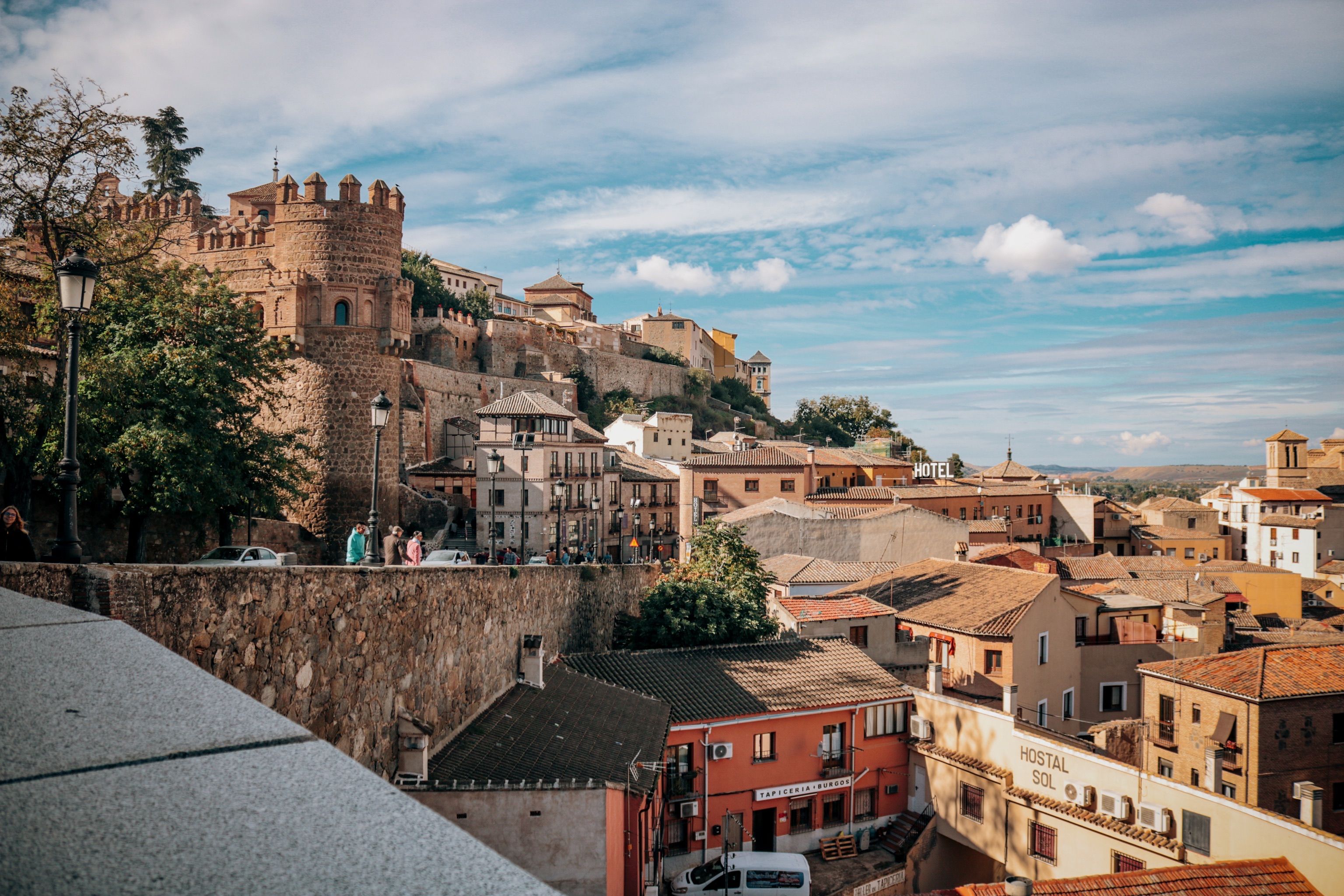
Spain rewards even a short trip with remarkable variety. In one week, you can move from Madrid’s regal avenues and museum-lined boulevards to Barcelona’s surreal Modernisme, Mediterranean light, and neighborhood markets. This 7-day Spain itinerary focuses on two cities for a smooth route, giving you enough time to savor major sights without turning the trip into a race.
Madrid became Spain’s capital in the 16th century under the Habsburgs, and its grand plazas, royal collections, and café culture still reflect that imperial inheritance. Barcelona, by contrast, wears its identity through architecture, sea breezes, and the restless imagination of Antoni Gaudí, whose Sagrada Familia remains one of Europe’s most extraordinary works in progress. Together, they offer a vivid introduction to Spanish history, art, food, and regional character.
Practically, Spain is easy to navigate by high-speed rail, especially between Madrid and Barcelona. Expect late lunches, even later dinners, excellent coffee, and regional specialties worth chasing: bocadillos de calamares and cocido influences in Madrid, vermouth, seafood, and Catalan dishes in Barcelona. As of March 2025, both cities remain highly viable for independent travelers; reserve major monuments, especially the Royal Palace and Sagrada Familia, well in advance.
Madrid
Madrid is a capital that reveals itself through rhythm as much as monuments. One hour you are standing before Velázquez and Goya; the next, you are in a tiled tavern eating gildas and tortilla while locals drift from vermouth to dinner with enviable ease.
The city is especially rewarding on foot. The historic core around Sol, Plaza Mayor, and the Royal Palace is dense with layers of Habsburg and Bourbon history, while neighborhoods like Barrio de las Letras, Chueca, and Salamanca each bring a distinct mood, from literary old-world streets to polished shopping avenues.
Where to stay: For a classic central stay, consider The Westin Palace, Madrid, long associated with writers, diplomats, and a privileged location near the Prado. For strong mid-range value, Novotel Madrid Center works well for transport and comfortable rooms. Budget-minded travelers can look at Hostal Persal or browse broader options on VRBO Madrid and Hotels.com Madrid.
Getting there: For flights into Spain, compare options via Omio flights. If you prefer to map your rail connections within Europe before or after the trip, use Omio trains.
- Recommended activity: Madrid: Royal Palace Guided Tour with Skip the Line Ticket — an efficient way to understand the scale, ceremony, and decorative excess of one of Europe’s great royal residences.
- Recommended activity: Three Cities in One Day: Segovia, Avila and Toledo from Madrid — ambitious, but excellent for travelers who want a wider Castilian sweep without changing hotels.

Day 1 - Arrive in Madrid
Morning: You will likely be in transit, so keep this portion unscheduled. If you land earlier than expected, aim only for a relaxed coffee rather than a full sightseeing push.
Afternoon: Arrive in Madrid, check in, and take an easy orientation walk through Puerta del Sol, Plaza Mayor, and the streets around the Mercado de San Miguel area. Skip the tourist-trap snacking inside the market unless something truly tempts you; instead, use it as a visual introduction, then wander into surrounding lanes to absorb the city’s energy after travel.
Evening: Start with coffee or merienda at Café de Oriente if you want a polished terrace facing the palace, or at HanSo Café if you prefer specialty coffee with a younger local crowd. For dinner, book Casa Lucio if you want the famous huevos rotos and old Madrid atmosphere, or try Taberna La Concha in La Latina for vermouth and thoughtful tapas. End with a gentle stroll toward the Royal Palace viewpoints as the city softens into evening light.
Day 2 - Royal Madrid, old quarters, and classic taverns
Morning: Visit the Royal Palace, ideally with the skip-the-line guided tour, which adds historical context to rooms that can otherwise blur into gilded spectacle. Pair it with the Almudena Cathedral exterior and the Sabatini Gardens for a fuller sense of royal Madrid.
Afternoon: Have lunch at El Anciano Rey de los Vinos near the palace, a venerable address known for straightforward Spanish cooking and a location that makes logistical sense. Then walk through Plaza de la Villa and Barrio de las Letras, where Cervantes and Lope de Vega once lived, before pausing at a café such as Café Central area spots for a slower literary-quarter feel.
Evening: Head to La Latina for a proper tapas crawl. Consider Juana La Loca for its celebrated tortilla de patatas, layered and luxuriously soft inside, and La Musa Latina for a slightly more contemporary small-plates style. If you still have energy, finish with rooftop views near Círculo de Bellas Artes area bars, though even a simple post-dinner walk is rewarding.
Day 3 - Art, Retiro, and elegant Madrid
Morning: Begin with breakfast at La Rollerie or a specialty coffee stop near the Prado, then spend the morning at the Prado Museum. Rather than trying to conquer it, focus on a concise route: Velázquez’s Las Meninas, Goya’s dark vision, Bosch’s fantastical panels, and a handful of Titian works for the royal collecting story.
Afternoon: Lunch at Lhardy if you want old-school Madrid dining with historical pedigree, or at Estado Puro for refined tapas in a central setting. Then walk through El Retiro Park: the lake, tree-lined promenades, and Crystal Palace offer a welcome shift from galleries to open air. If you enjoy a more local neighborhood atmosphere, continue into Salamanca for polished shopping streets and quieter cafés.
Evening: Dine at Bodega de la Ardosa, beloved for tortilla and beer culture, or Saddle if you are splurging on a more formal meal. Madrid dinners start late, so pace yourself with a pre-dinner vermouth or gin and tonic. If flamenco interests you, seek a reputable tablao for a focused performance rather than a generic dinner show.
Day 4 - Madrid to Barcelona by high-speed train
Morning: Depart Madrid for Barcelona on the high-speed train. Book via Omio trains; journey time is typically about 2.5 to 3 hours, with fares often around $35-$90 depending on class and booking window. If rail times do not fit, compare alternatives on Omio flights, though the train is usually more efficient city-center to city-center.
Afternoon: Arrive, check in, and ease into Barcelona with a walk through the Gothic Quarter and down toward the waterfront. This is not the moment to over-program; the pleasure lies in medieval alleys, fragments of Roman walls, and the shift in mood from Madrid’s courtly gravity to Barcelona’s maritime openness.
Evening: For dinner, choose Bodega Biarritz 1881 for intimate tapas or El Xampanyet near El Born for sparkling wine, anchovies, and a standing-room-old-world atmosphere that feels wonderfully Catalan. If you want a nightcap, El Born offers good people-watching without requiring a big, late night.
Barcelona
Barcelona is one of Europe’s most visually distinctive cities. Roman roots, medieval lanes, Modernista fantasy, beach promenades, and serious food culture coexist here, often within a single afternoon’s walk.
Gaudí’s influence is the obvious draw, but Barcelona’s appeal is broader than a checklist of monuments. Markets, vermouth bars, neighborhood bakeries, and late golden light over the Eixample and the sea are what make people want to return.
Where to stay: For a high-end base near the waterfront, Hotel Arts Barcelona remains a strong choice. For a central, tasteful stay with lighter footprint appeal, Hostal Grau Barcelona is well placed. Other good options include Novotel Barcelona City and H10 Marina Barcelona, plus broader searches on VRBO Barcelona and Hotels.com Barcelona.
- Recommended activity: Sagrada Familia Guided Tour with Skip the Line Ticket
- Recommended activity: Park Guell Guided Tour with Skip the Line Ticket
- Recommended activity: Montserrat & Cogwheel Train, Gourmet Wine Tasting & Tapas/Lunch
- Recommended activity: Barcelona Paella Cooking Class with Market Visit, Tapas & Sangria


Day 5 - Sagrada Familia, Eixample, and the Gothic Quarter
Morning: Start with breakfast at Brunch & Cake or a more understated coffee-and-pastry stop in the Eixample, then head to the Sagrada Familia Guided Tour with Skip the Line Ticket. Sagrada Familia is not simply Barcelona’s emblem; it is a living argument in stone, color, geometry, and faith, and a guided visit helps decode the facades, symbolism, and astonishing interior light.
Afternoon: Have lunch at Cerveseria Catalana for reliable tapas with range, or at El Nacional if you want a stylish food hall format with multiple Spanish counters under one dramatic roof. Spend the afternoon strolling Passeig de Gràcia to admire the façades of Gaudí-era Modernisme and the elegant grid of the Eixample before dipping back into the Gothic Quarter for cathedral lanes and old merchant streets.
Evening: Dine in El Born at Cal Pep if you can secure a place, especially for seafood and fast-moving small plates, or choose Bormuth for a more casual but very enjoyable neighborhood meal. After dinner, walk toward Plaça de Sant Jaume and the softly lit medieval streets; Barcelona at night is best taken slowly.
Day 6 - Park Güell, local flavors, and a cooking class
Morning: Begin with coffee and a light breakfast near Gràcia, then join the Park Guell Guided Tour with Skip the Line Ticket. The park is playful on first glance, but its engineering, symbolism, and urban vision are what make it more than a photogenic mosaic dream.
Afternoon: Spend time in Gràcia, a neighborhood that still feels more village-like than monumental. Lunch at La Pepita for inventive tapas or at Can Codina for something more rooted in local tradition. If you want a hands-on culinary experience, the Barcelona Paella Cooking Class with Market Visit, Tapas & Sangria is an enjoyable way to understand ingredients, rice technique, and the sociable spirit behind Spanish meals.
Evening: Keep dinner lighter if you have taken the cooking class. Otherwise, head to Bar Cañete near the Raval for a lively, polished take on classic tapas, or to Dos Pebrots if you want a more thoughtful historical approach to Iberian and Mediterranean flavors. Finish with vermouth or a quiet drink rather than trying to force a big final-night sprint.
Day 7 - Montserrat or seaside Barcelona, then departure
Morning: If your departure timing permits a full outing, take the Montserrat & Cogwheel Train, Gourmet Wine Tasting & Tapas/Lunch experience. Montserrat’s serrated mountain silhouette, monastery, and pilgrimage history make it one of Catalonia’s most memorable excursions, and the food-and-wine component adds regional depth beyond simple sightseeing.
Afternoon: If you have a standard afternoon departure and prefer to stay close to the city, skip the day trip and choose a relaxed final half-day instead: Barceloneta promenade, a quick market browse, or a last walk through El Born before collecting bags and heading to the airport. An early lunch at Can Majó for seafood if you are by the beach, or at Cervecería La Plata for a concise, old-school menu, makes for a fitting send-off.
Evening: Departure. If your flight leaves later than expected and you still have time, one final coffee and pastry can be surprisingly satisfying; in Spain, endings are best handled without haste.
This Spain itinerary gives you two of the country’s finest urban experiences without wasting time on overambitious transfers. Madrid brings royal history, museums, and tavern life; Barcelona answers with Gaudí, Catalan character, and Mediterranean sparkle. It is a first trip with enough substance to feel rewarding, and enough unfinished business to justify the next one.