
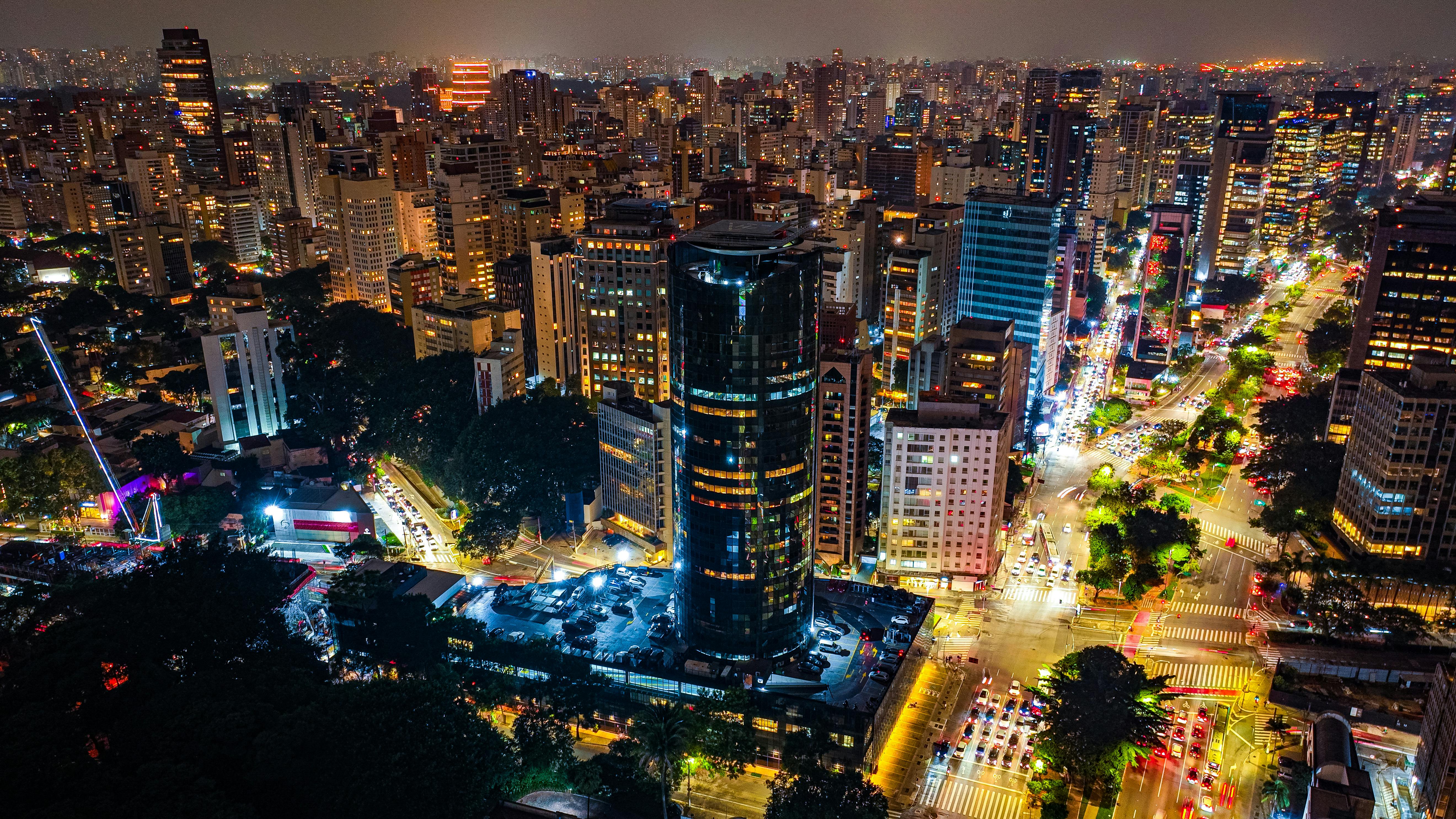
Brazil reveals two very different personalities on this 7-day itinerary: São Paulo, the country’s mighty cultural and financial engine, and Fortaleza, one of the Northeast’s most inviting seaside capitals. São Paulo began as a Jesuit mission in 1554 and grew into a vast metropolis shaped by waves of Italian, Japanese, Lebanese, and other immigrant communities; Fortaleza, by contrast, developed as a coastal stronghold and trading port, and today is beloved for long urban beaches, forró rhythms, and sunshine that seems to have no off switch.
What makes this pairing so satisfying is contrast. In São Paulo, you can spend a morning with Brazilian modern art, an afternoon wandering a produce market stacked with exotic fruit, and an evening in neighborhoods where some of the best restaurants in Latin America share streets with botequins, pastry shops, and serious coffee bars. In Fortaleza, the pulse slows just enough: broad waterfront promenades, jangada fishing-boat imagery, beach kiosks pouring cold drinks, and seafood lunches that turn into long conversations.
A few practical notes will make the trip smoother. Domestic flights between São Paulo and Fortaleza are the most efficient option and usually take around 3 hours 20 minutes nonstop, though total door-to-door travel is closer to half a day once airport transfers are included. Use normal big-city caution in crowded areas, rely on registered taxis or ride-hailing apps at night, keep beachwear for the coast and lighter smart-casual clothing for São Paulo’s top dining rooms, and make room for local specialties such as pão de queijo, pastel, moqueca, grilled queijo coalho, and Northeast Brazilian seafood.
São Paulo
São Paulo is not a city that asks for instant love; it rewards curiosity. It is immense, intense, and exhilarating, a place where world-class museums, street art, Japanese eateries, elegant cocktail bars, and old-school bakeries all seem to coexist in a single city block.
This is Brazil’s great urban laboratory. You will notice it in Avenida Paulista’s cultural institutions, in Liberdade’s Japanese-Brazilian identity, in the Mercadão’s market theater, and in neighborhoods such as Jardins, Pinheiros, and Vila Madalena, where the city’s appetite for design, food, and nightlife is on full display.
Where to stay in São Paulo:
- Hotel Unique – A design-forward icon near Ibirapuera Park, famous for its striking boat-like architecture and rooftop views. A strong pick if you want a memorable address and easy access to the Jardins area.
- Ibis Budget São Paulo Paulista – A practical base on or near Paulista with excellent metro access. Best for travelers who want to spend more on dining and culture than on the room itself.
- Hotel Fasano São Paulo – Refined and discreet, with polished service in Jardins. Ideal for travelers who want top restaurants and upscale shopping within easy reach.
- Novotel São Paulo Morumbi – A comfortable option if you prefer more space and a calmer business-district setting.
- Browse more stays on VRBO São Paulo or Hotels.com São Paulo.
Getting there: For your arrival into São Paulo and for domestic flight comparisons within Brazil, check Trip.com flights or Kiwi.com flights. São Paulo has multiple airports, so confirm whether your flight uses GRU, CGH, or VCP before booking transfers.
City highlights: Do not miss Avenida Paulista for museums and urban energy, MASP for one of the finest art collections in the Southern Hemisphere, Ibirapuera Park for architecture and people-watching, Liberdade for Japanese-Brazilian culture, and Vila Madalena for murals, bars, and independent shops. Food is a major attraction in its own right here; many travelers leave feeling they have only just begun to understand the city through its restaurants.
Day 1 – Arrive in São Paulo, Paulista Avenue, and a first taste of the city
Morning: This is your travel day, so keep the morning reserved for your flight and arrival logistics. If possible, arrange a hotel in Paulista, Jardins, or Pinheiros so your first afternoon is easy and efficient rather than spent crossing the city in traffic.
Afternoon: After check-in, begin with a gentle introduction along Avenida Paulista, São Paulo’s great urban boulevard and a symbol of the city’s wealth, ambition, and reinvention. Stop for coffee at Urbe Café Bar, a local favorite known for careful brewing and a crowd that mixes office workers, creatives, and students, then continue toward Casa das Rosas, a preserved French-style mansion turned cultural center that offers a lovely contrast to the surrounding towers.
Evening: Have your first dinner in the Jardins area at Maní if you want contemporary Brazilian cuisine with polish, or at Bráz Pizzaria if you prefer one of São Paulo’s great obsessions done extremely well; the city’s pizza culture is no joke and reflects generations of Italian influence. If energy allows, finish with a drink at Seen São Paulo, whose rooftop views help make sense of the metropolis below, or keep it classic with a leisurely stroll and an early night to recover from the flight.
Day 2 – Art, architecture, and the flavors of central São Paulo
Morning: Start with breakfast at Bella Paulista, a beloved 24-hour bakery and café where you can sample pão de queijo, fresh juices, eggs, and excellent Brazilian coffee while observing a cross-section of city life. Then visit MASP – Museu de Arte de São Paulo, renowned not only for its collection of European, Brazilian, and modern works but also for Lina Bo Bardi’s radical architecture and the museum’s famous glass easels, which make the art feel unusually immediate.
Afternoon: Head downtown to the Mercado Municipal de São Paulo, the Mercadão, a 1933 market hall with stained glass, theatrical produce displays, and some of the city’s most famous sandwiches. For lunch, try the oversized mortadella sandwich at Bar do Mané or a pastel de bacalhau at Hocca Bar; both are part of the market’s folklore, and even when they are busy, the experience is worth it. Afterward, visit the Mosteiro de São Bento area or admire the exterior of the Theatro Municipal if you want a glimpse of old São Paulo grandeur.
Evening: Spend the evening in Pinheiros, a neighborhood that often feels like the city’s current creative nerve center. Dine at A Casa do Porco if you can secure a reservation; it is celebrated for inventive pork-focused Brazilian cooking and regularly appears on major Latin American dining lists. For cocktails afterward, Guilhotina Bar is a smart choice, serious without being stiff, and a fine place to absorb São Paulo’s confidence after dark.
Day 3 – Ibirapuera Park, Japanese-Brazilian heritage, and Vila Madalena nightlife
Morning: Begin at Ibirapuera Park, São Paulo’s great green breathing space, where joggers, families, cyclists, and art lovers mingle around Oscar Niemeyer’s modernist buildings. Grab breakfast or a light coffee beforehand at Coffee Lab in Vila Madalena if you want one of the city’s most respected specialty-coffee experiences, where staff often explain beans and brewing methods with the seriousness of a wine tasting.
Afternoon: Continue to Liberdade, the heart of the largest Japanese diaspora community outside Japan, though the neighborhood also reflects Chinese, Korean, and broader Asian-Brazilian influences. For lunch, Hinodê is a longstanding option for sushi and classic Japanese dishes, while Rong He is a strong pick if you are craving hand-pulled noodles and dumplings. After lunch, browse groceries, gift shops, and sweet shops before heading to Beco do Batman in Vila Madalena, where alley walls become an open-air gallery of ever-changing street art.
Evening: Stay in Vila Madalena for dinner and drinks. Boteco São Bento is a good introduction to the boteco tradition—informal bars serving cold beer and savory snacks—while Jacarandá offers a more polished meal in a handsome setting. If you want live music, ask your hotel or a local concierge which nearby bars have samba, MPB, or DJ sets that evening; this neighborhood rewards a little spontaneity.
Day 4 – São Paulo to Fortaleza, Beira-Mar, and your first Atlantic sunset
Morning: Check out and head to the airport for a morning flight from São Paulo to Fortaleza. Nonstop flights usually take about 3 hours 20 minutes, and with check-in and transfers you should budget around 5.5 to 6.5 hours door to door; fares commonly fall around US$80–220 depending on season and baggage. Compare schedules on Trip.com flights or Kiwi.com flights.
Afternoon: Arrive in Fortaleza, check in, and settle near Meireles, Mucuripe, or Praia do Futuro if possible. Ease into the city with a stroll along the Beira-Mar waterfront promenade, where walkers, coconut vendors, joggers, and craft stalls create a social atmosphere that feels distinctly Northeastern and deeply local.
Evening: For dinner, choose Coco Bambu Beira Mar, famous for generous seafood portions and a lively waterfront setting, or Vojnilô Praia if you want something more rooted in Ceará flavors. Order shrimp, fish, or regional starters such as tapioca-based snacks and queijo coalho, then linger long enough to watch how the avenue comes alive after sunset.
Fortaleza
Fortaleza is a city of light, salt air, and sociable evenings. It serves both as a beach destination and as a gateway to Ceará’s dramatic dune and lagoon landscapes, but the city itself deserves proper time rather than being treated as a mere stopover.
The local rhythm is different from São Paulo’s vertical rush. Here the pleasures are often beautifully direct: sunrise over the ocean, crab or grilled fish by the water, handicraft fairs along Beira-Mar, and music-filled nights where forró can still pull strangers onto the dance floor.
Where to stay in Fortaleza:
- Hotel Gran Marquise – One of Fortaleza’s best-known upscale stays, well located in Mucuripe with polished rooms and strong sea views.
- Pousada Veleiro – A simpler, more intimate option for travelers who prefer a smaller property and a friendlier guesthouse feel.
- Vila Galé Fortaleza – A resort-style pick on Praia do Futuro, attractive if beach time and on-site amenities matter most.
- Browse more stays on VRBO Fortaleza or Hotels.com Fortaleza.
City highlights: Fortaleza’s core pleasures include the Beira-Mar promenade, Praia de Iracema’s cultural landmarks, the beach clubs of Praia do Futuro, seafood dining, and strong access to Ceará crafts and music. If you love urban beaches with a social energy rather than isolated perfection, this city is especially rewarding.
Day 5 – Mercado Central, Dragão do Mar, and Fortaleza’s cultural side
Morning: Start with breakfast at 50 Sabores if you want to sample one of the city’s favorite dessert institutions in lighter morning form, or opt for a fuller regional breakfast at your hotel with fruit, tapioca, and local cakes. Then head to the Mercado Central, one of the best places to understand Ceará handicrafts, from lacework and hammocks to leather goods and cashew products. Even if you do not shop much, it is a useful cultural stop and a good place to pick up gifts that are genuinely tied to the region.
Afternoon: Visit the Dragão do Mar Center of Art and Culture in Praia de Iracema, a lively cultural complex with museums, exhibitions, cinemas, and public spaces that often host local events. For lunch nearby, try Santa Grelha for well-executed Brazilian classics and grilled dishes, or seek out a seafood restaurant where you can try fish moqueca or camarão na moranga, a rich shrimp preparation served in pumpkin at some regional spots.
Evening: Spend the evening in Praia de Iracema, historically associated with bohemian Fortaleza and still one of the best areas for nightlife and people-watching. Dinner at Colher de Pau is a good way to explore Northeastern Brazilian cooking in a casual setting; look for baião de dois, sun-dried meat, and regional side dishes. If there is a live forró performance nearby, go—even as an observer, it is one of the clearest windows into the city’s social soul.
Day 6 – Praia do Futuro beach day and seafood by the sea
Morning: Dedicate the morning to Praia do Futuro, Fortaleza’s best-known beach for a full-service day by the sea. Rather than simply laying out a towel, choose one of the established barracas—large beach restaurant complexes with chairs, showers, food service, and sometimes live music—such as Crocobeach or Chico do Caranguejo, both popular for their infrastructure and lively atmosphere.
Afternoon: Stay on the beach into the afternoon for a long seafood lunch. This is the right moment for crab, grilled fish, shrimp with garlic, cold beer, and fresh juices; the experience matters as much as the menu, because Fortaleza’s beach culture is built around unhurried meals with the ocean in view. If you prefer quieter stretches, ask your driver or hotel about sections slightly removed from the busiest family clusters.
Evening: Return to the hotel to freshen up, then take an evening walk again along Beira-Mar, especially if the handicraft fair is active. For dinner, Moleskine Gastrobar offers a more contemporary urban setting if you want a break from beachfront dining, while Coco Bambu remains a reliable choice if you are happily leaning into a seafood-heavy Fortaleza stay.
Day 7 – Slow morning in Fortaleza and departure
Morning: Use your final morning for a relaxed breakfast and one last look at the water. A café stop for strong Brazilian coffee and a tapioca crêpe or regional pastry is the right farewell; if time permits, fit in a short stroll near Mucuripe or Meireles and pick up any last-minute cashew sweets or artisan souvenirs.
Afternoon: Head to the airport for your departure. Plan extra time for traffic depending on where you are staying, especially if leaving from the beachfront districts.
Evening: In transit home, expect to remember this trip in contrasts: São Paulo’s museums, markets, and restaurant brilliance on one side, Fortaleza’s sea breeze, beach barracas, and warm evenings on the other. It is a compact introduction to two essential faces of Brazil, and one that leaves plenty of reason to return.
This 7-day São Paulo and Fortaleza itinerary offers a smart first look at Brazil by pairing culture-heavy city days with restorative Atlantic coast time. You will leave with a sense of the country’s scale, flavor, and regional variety—plus, very likely, a list of restaurants and beaches you will want to revisit.