
7 Days in São Paulo: A Food, Art, and Neighborhood Guide to Brazil’s Most Electric City
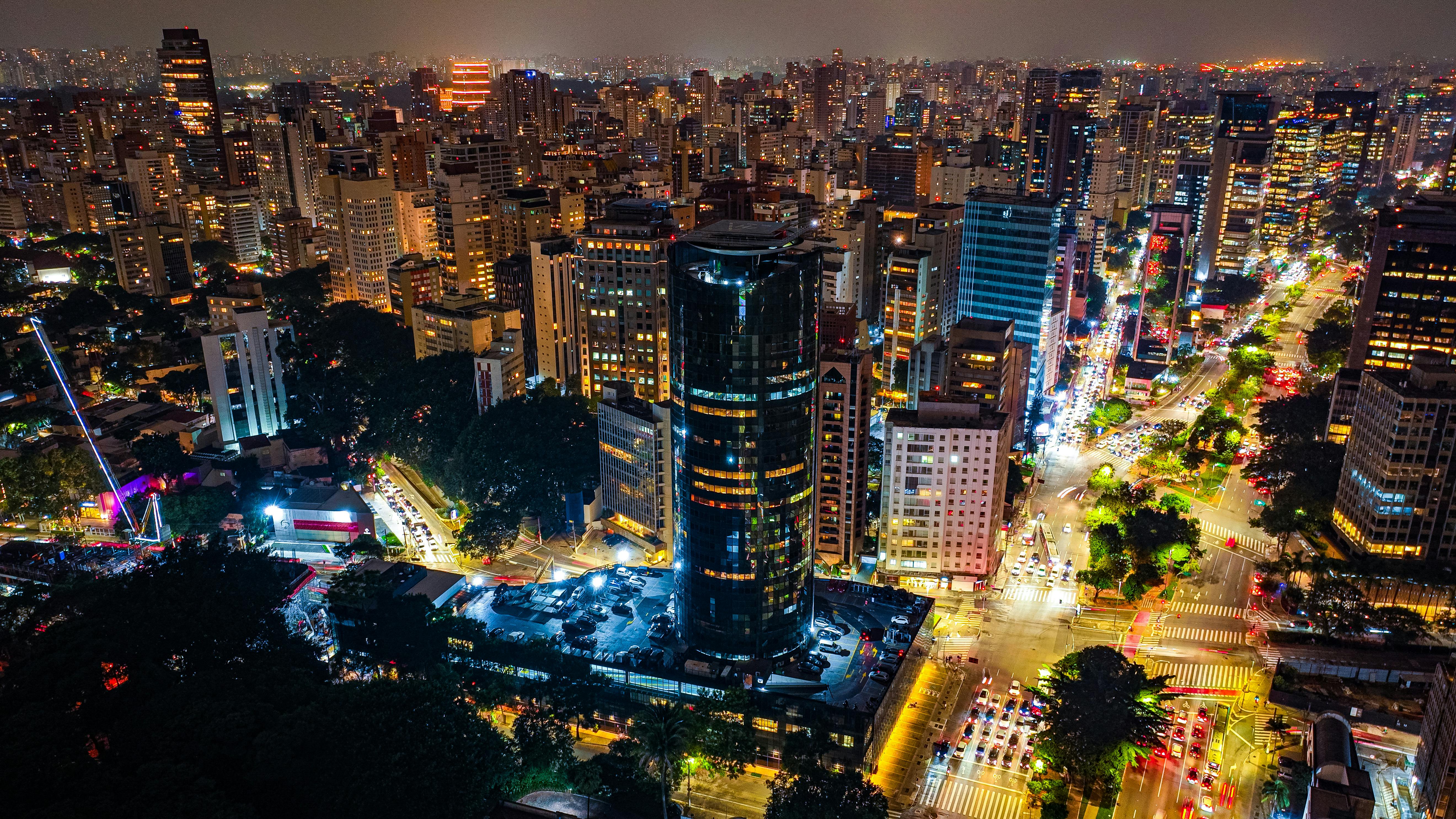
São Paulo is not Brazil’s postcard city in the obvious sense; it wins you over another way. Founded in 1554 by Jesuit priests, it grew from a small colonial mission into the largest city in the Southern Hemisphere, a restless metropolis shaped by waves of Italian, Japanese, Lebanese, Portuguese, and internal Brazilian migration.
That layered history is exactly what makes it so compelling. One morning you can stand among modernist masterpieces at MASP on Avenida Paulista, by lunch you are eating one of the city’s great mortadella sandwiches at the Mercado Municipal, and by evening you are sipping cocktails in a converted townhouse in Jardins or listening to samba in Vila Madalena.
Practical notes matter here. São Paulo rewards planning: traffic can be intense, so group neighborhoods together; use app-based rides at night, especially for longer hops; and keep valuables discreet in crowded areas. Come hungry, because this is one of the best food cities in the Americas, famous for pizza, feijoada, pastel, top-tier tasting menus, and one of the world’s largest Japanese communities outside Japan.
Getting there and getting around: Fly into São Paulo via Trip.com flights or Kiwi.com. From Guarulhos Airport to central neighborhoods such as Paulista, Jardins, or Pinheiros, expect roughly 45-75 minutes by car depending on traffic, with taxi or app-ride costs often around US$15-35 equivalent. For a 7-day trip focused on the city, stay in Paulista, Jardins, Pinheiros, or Itaim Bibi for the best balance of safety, dining, and access.
São Paulo
São Paulo is immense, yes, but it is not a city to “conquer.” It is a city to read neighborhood by neighborhood: the grand cultural spine of Paulista, the old civic core around Sé and the Pátio do Colégio, the bohemian slopes of Vila Madalena, the market energy of Centro, and the polished avenues of Jardins and Itaim.
The great pleasure here is contrast. São Paulo can give you cutting-edge Brazilian art, century-old coffee culture, cathedral-scale markets, elite tasting menus, immigrant food traditions, serious nightlife, and some of the country’s best people-watching all in the same day.
Where to stay: For design and a memorable address, consider Hotel Unique, known for its dramatic architecture and rooftop views. For polished luxury in Jardins, Hotel Fasano São Paulo remains one of the city’s most respected stays. For a practical, well-located value option near Paulista, Ibis Budget São Paulo Paulista is a smart choice. If you prefer a broader search, browse VRBO São Paulo or Hotels.com São Paulo.
- Best neighborhoods for visitors: Paulista for museums and metro access; Jardins for restaurants and shopping; Pinheiros for nightlife and coffee; Itaim Bibi for polished dining; Vila Madalena for bars and street art.
- Signature foods to try: mortadella sandwich, pastel, feijoada, coxinha, Brazilian pizza, pão de queijo, brigadeiro, and Japanese-Brazilian sushi and temaki.
- Useful note: Museums often have specific busy periods and some close on Mondays, so confirm times before heading out.
Day 1: Arrival in São Paulo, Paulista Avenue, and a First Taste of the City
Morning: This is your arrival day, so keep the morning reserved for transit. If you land early and your hotel room is not ready, leave your bags and begin gently rather than trying to sprint into sightseeing in a city this large.
Afternoon: After check-in, head to Avenida Paulista, São Paulo’s best first handshake. Walk the avenue slowly, taking in its skyline, cultural centers, bookstores, and the famous red-beam architecture of MASP, the Museu de Arte de São Paulo, whose suspended galleries turned it into a modern icon. If you want a soft landing, stop for coffee at Coffee Lab’s outpost or at a reliable local café near Paulista and order a Brazilian filter coffee with pão de queijo.
Evening: For dinner, begin with a classic São Paulo meal at Figueira Rubaiyat in Jardins, where the giant century-old fig tree in the dining room creates one of the city’s most memorable settings; the menu leans toward excellent grilled meats, seafood, and polished Brazilian service. If you want something more casual, try Bella Paulista, a beloved bakery-deli that is open late and gives you an immediate feel for the city’s everyday appetite, from sandwiches and pastries to soups and desserts. End with a drink at the rooftop bar of Hotel Unique if you are staying there or want a glamorous first-night panorama.
Day 2: Historic Center, Municipal Market, and Italian São Paulo
Morning: Start in the historic center at Pátio do Colégio, where São Paulo was founded in 1554. Continue to the Sé Cathedral, a neo-Gothic landmark with one of the largest churches in Brazil, then walk to the Mosteiro de São Bento if timing permits; the monastery is known for Gregorian chant and a quieter, older rhythm than the streets outside. Have breakfast nearby at Padaria Santa Tereza or another traditional bakery for espresso, fresh juice, and toasted pão na chapa with butter.
Afternoon: Make your way to the Mercado Municipal de São Paulo, the city’s grand market hall, famous for stained glass, fruit stands, cod counters, and oversized sandwiches. Try the celebrated mortadella sandwich at Bar do Mané, a gloriously excessive São Paulo institution, or share a pastel de bacalhau, the crisp cod pastry many paulistanos swear by. After lunch, visit the nearby Rua 25 de Março area for a glimpse of São Paulo’s commerce at full volume, or if you prefer architecture, admire the Theatro Municipal, inspired in part by the Paris Opéra and central to the city’s cultural life.
Evening: Head to Bixiga, the old Italian-Brazilian district. Dine at Cantina C... Que Sabe! or Speranza, both tied to the city’s Italian dining legacy; this is a fine moment to try São Paulo-style pizza or homemade pasta and feel how deeply immigration shaped the local table. If you still have energy, have a post-dinner drink at a neighborhood bar and enjoy one of the city’s most enduring cultural blends: Brazilian nightlife with an Italian accent.
Day 3: MASP, Jardins, and São Paulo’s High-Low Food Scene
Morning: Dedicate the morning to MASP, one of Latin America’s most important art museums. Its collection ranges from European masters to Brazilian modernism, but the building itself is part of the experience, a landmark of Lina Bo Bardi’s architecture and a symbol of São Paulo’s intellectual confidence. Before or after, have breakfast at Le Pain Quotidien in the Jardins area or seek out a specialty coffee at King of the Fork for a more local, cyclist-meets-coffee-geek atmosphere.
Afternoon: Stroll through Jardins, where tree-lined streets, galleries, and boutiques offer a more refined pace. For lunch, book A Casa do Porco if you can secure a reservation well ahead; chef Jefferson Rueda’s restaurant became famous for reinventing pork in playful, deeply Brazilian ways, and it remains one of the city’s essential meals. If that feels too ambitious for midday logistics, choose Tordesilhas, known for regional Brazilian dishes served with scholarship and warmth, excellent for travelers who want to understand the country beyond the southeast.
Evening: For dinner, choose between two superb São Paulo experiences. Maní offers inventive Brazilian cooking with elegance and precision, while D.O.M. remains a temple of ingredient-driven cuisine associated with chef Alex Atala, who helped place Brazilian biodiversity at the center of global fine dining. For cocktails afterward, head to SubAstor, a stylish subterranean bar with serious drinks and a polished crowd.
Day 4: Ibirapuera Park, Afro-Brazilian Art, and a Music-Filled Night
Morning: Begin at Ibirapuera Park, São Paulo’s green masterpiece, designed in part by Oscar Niemeyer and Roberto Burle Marx. Walk or rent a bike among lakes, pavilions, and broad paths, then stop for breakfast or coffee at the park cafés, or eat beforehand at Padoca do Mani, which is consistently one of the city’s most admired bakery-cafés for excellent bread, pastries, and Brazilian breakfast staples.
Afternoon: Stay in the Ibirapuera area for culture. The Museu Afro Brasil is especially worth your time, offering a powerful and necessary view of Brazilian history, art, religion, and identity through the African diaspora; it is one of the city’s most thought-provoking institutions. For lunch, try Vista Restaurante if open during your visit, where modern Brazilian dishes are served with one of the best urban views in town, or head to Capim Santo for contemporary Brazilian cooking in a welcoming setting.
Evening: Tonight is ideal for live music. If you enjoy samba and MPB, look for a performance at Bona Casa de Música or a respected venue in Pinheiros or Vila Madalena; São Paulo’s music calendar changes constantly, but the city rarely disappoints. For dinner before the show, Consulado Mineiro offers hearty Minas Gerais classics, while Mocotó Café outposts or northeastern-inspired spots can give you a taste of another Brazil entirely.
Day 5: Liberdade, Japanese-Brazilian São Paulo, and Evening in Pinheiros
Morning: Spend the morning in Liberdade, the district most associated with São Paulo’s Japanese-Brazilian community. Lantern-lined streets, Asian markets, bakeries, and specialty shops make this one of the city’s most distinctive neighborhoods. Start with breakfast at 89ºC Coffee Station or a local bakery for melon pan, savory buns, and strong coffee, then browse grocery stores and gift shops for imported teas, sweets, ceramics, and snacks.
Afternoon: For lunch, choose a place that shows São Paulo’s range in Japanese cuisine. Izakaya Issa is admired for a more traditional Japanese feel, while other local sushi counters in Liberdade reveal why the city is internationally respected for Japanese food. After lunch, visit the Japan House São Paulo on Paulista if you did not fit it earlier; its exhibitions, design shop, and cultural programming make a smart companion to the neighborhood visit.
Evening: Head to Pinheiros, one of the city’s strongest districts for contemporary dining and bars. Dine at Casa do Saulo for Amazonian flavors rarely encountered by first-time visitors, or Tan Tan if you want a buzzy, contemporary Japanese-inspired meal with a very São Paulo edge. For drinks, Guilhotina Bar is frequently cited among the city’s best cocktail bars, known for inventive menus and serious technique without losing its neighborhood pulse.
Day 6: Vila Madalena, Beco do Batman, and São Paulo After Dark
Morning: Begin in Vila Madalena with coffee and breakfast at Cupping Café or another specialty spot in the area. Then walk to Beco do Batman, the city’s best-known street art lane, where murals change often and the walls function like an open-air gallery. It is photogenic, yes, but also a useful reminder that São Paulo’s creativity lives outdoors as much as in museums.
Afternoon: Continue exploring Vila Madalena’s hilly streets, independent boutiques, design stores, and small galleries. For lunch, Jacarandá offers a handsome setting and refined comfort food under a leafy canopy, while Bráz Elettrica is excellent if you want a more casual but very São Paulo pizza stop from one of the city’s most respected pizza names. If you prefer a scenic city view, stop by the Mirante do Sesc Paulista later in the afternoon, where the panorama gives scale to the vastness you have been exploring all week.
Evening: Reserve tonight for São Paulo nightlife. If you want a classic bar-hopping atmosphere, stay in Vila Madalena and visit a run of neighborhood bars with live samba, caipirinhas, and petiscos; if you prefer something sleeker, Itaim Bibi and Pinheiros offer polished cocktail dens and late dinners. For a standout meal, book Evvai, where chef Luiz Filipe Souza explores an Italo-Brazilian dialogue that fits São Paulo perfectly: immigrant memory, Brazilian ingredients, and contemporary technique meeting on one plate.
Day 7: Football, Last-Minute Shopping, and Departure
Morning: On your final morning, choose one last lens on the city. Football fans should visit the Museu do Futebol at Pacaembu, one of Brazil’s most engaging sports museums and a fine introduction to how deeply the game is woven into national identity. If sport is not your passion, spend a slower morning shopping for design objects, books, coffee, and gourmet souvenirs in Jardins or Pinheiros.
Afternoon: Have an early lunch before heading to the airport. Padoca do Mani is excellent for a farewell meal of salads, sandwiches, pastries, and sweets, while Mercadão da Cidade or a polished bakery near your hotel can work well if time is tight. Then transfer to the airport, allowing generous time for traffic; book your outbound flight via Trip.com or Kiwi.com.
Evening: This period is reserved for departure. If your flight is later than expected and you have extra time landside before leaving the city, a final espresso and brigadeiro make a suitably São Paulo farewell.
Over seven days, this São Paulo itinerary reveals a city of depth rather than a checklist of monuments. You will leave with a sharper sense of Brazil’s history, migration, art, music, and appetite—and with the pleasant suspicion that São Paulo is too large, too intelligent, and too delicious to be understood in a single visit.