
7 Days in Singapore: Marina Bay, Hawker Markets, Sentosa & Cultural Quarters
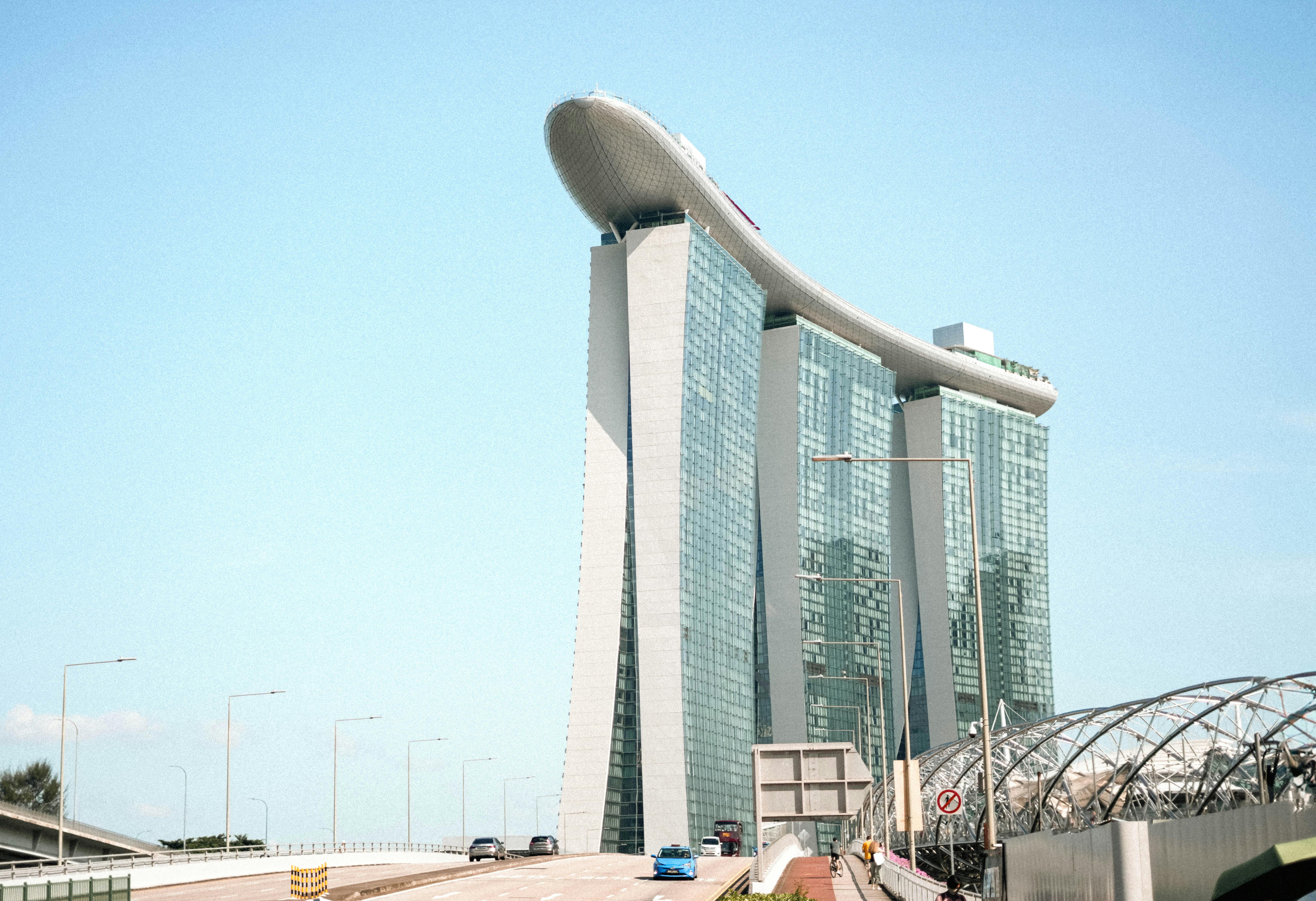
Singapore is a small island nation with an outsized story. Once a colonial trading post at the crossroads of the Malay Peninsula, it became a modern city-state whose skyline, port, and cultural mix now make it one of Asia’s most compelling urban destinations.
What makes Singapore so enjoyable for a 7-day trip is its range. In one week you can move from futuristic conservatories at Gardens by the Bay to shophouse lanes in Chinatown, fragrant spice shops in Little India, beach time on Sentosa, and late-night hawker centers where Michelin-recognized meals still arrive on trays rather than white tablecloths.
Practically speaking, Singapore is easy, safe, and efficient for first-time visitors. English is widely spoken, the MRT is excellent, tap water is safe to drink, and the weather is hot and humid year-round, so light clothing, an umbrella, and midday breaks are wise; dining is a major attraction here, with Malay, Chinese, Indian, Peranakan, and modern Singaporean flavors all worth seeking out.
Singapore
For a 7-day stay, keeping the itinerary in a single city is the smartest choice. Singapore rewards depth more than speed: its neighborhoods are distinct, transport is simple, and even famous attractions reveal more when you linger for meals, museums, waterfront walks, and after-dark spectacles rather than racing through them.
This city excels at contrasts. You can have kaya toast and kopi in a no-frills breakfast spot, spend the afternoon in a cloud forest beneath an indoor waterfall, and finish the day by gliding past colonial facades and glittering towers on the Singapore River.
For accommodations, begin with broad searches on VRBO Singapore and Hotels.com Singapore. Standout stays include Marina Bay Sands for famous skyline views, Shangri-La Hotel, Singapore for resort-like calm near Orchard, Shangri-La's Rasa Sentosa Resort & Spa for a beach-focused Sentosa stay, Hotel Boss for a solid mid-range base near Kampong Glam and Little India, and Hotel 81 Chinatown for a budget-friendly location in one of the city’s most atmospheric districts.
For arrival logistics, compare flights on Trip.com flights and Kiwi.com flights. From Changi Airport, a taxi or private transfer to central Singapore usually takes about 20-30 minutes and commonly costs around US$20-35 depending on traffic and surcharges; for a pre-arranged option, consider Singapore Airport Private Transfer.
If you prefer a guided overview early in the trip, these are especially useful: Singapore Private Customized City Tour with Driver, Lion City Bike Tour of Singapore, Chinatown, Little India, and Arab Street Walking Tour, and Small Group: Michelin and Local Hawker Food Tour with 9 tastings.


Day 1 – Arrival, Kampong Glam, and a First Taste of Singapore
Morning: This is your travel day, so keep the morning reserved for your flight and arrival planning. If you want to pre-book flights, compare options on Trip.com or Kiwi.com.
Afternoon: Arrive at Changi Airport and transfer into the city. If you want the easiest start after a long flight, book Singapore Airport Private Transfer; otherwise, a taxi to Marina Bay, Bugis, or Chinatown is usually about 20-30 minutes.
Afternoon: After check-in and a short refresh, head to Kampong Glam. Begin with Haji Lane and Arab Street, where low-rise shophouses, textile stores, mural-covered walls, and the golden dome of Sultan Mosque introduce Singapore’s Malay and Muslim heritage in a compact, walkable area.
Afternoon: For a gentle first coffee stop, try one of the independent cafes around Haji Lane for a flat white and pastry, then stroll toward Bussorah Street. The appeal here is not speed but atmosphere: this quarter gives you a human-scaled beginning before the larger spectacle of Marina Bay later in the week.
Evening: Have dinner in Kampong Glam or nearby Beach Road. Zam Zam is a classic choice for murtabak, the beloved stuffed pan-fried bread, rich with minced meat and curry; it is busy, straightforward, and exactly the sort of place that has anchored local dining habits for generations.
Evening: If you want something with a more contemporary feel, continue around the Bugis and Arab Street area for Malay-leaning and fusion dining, then take an easy after-dinner walk. On your first night, resist over-scheduling; a neighborhood ramble, a cool drink, and an early sleep will set up the rest of the week far better than a heroic late night.
Day 2 – Civic District, Marina Bay, and Singapore’s Signature Skyline
Morning: Start with breakfast at Ya Kun Kaya Toast or Killiney Kopitiam for a classic Singaporean breakfast of kaya toast, soft-boiled eggs, and kopi. It is a ritual as much as a meal, and a useful introduction to the city’s blend of Chinese coffee-shop culture and local taste.
Morning: Explore the Civic District and waterfront promenade. Walk past colonial-era landmarks and toward Merlion Park, where the half-lion, half-fish statue summarizes Singapore’s mythic origin story: “Singapura,” or Lion City, rising from a maritime settlement with the sea still at its core.
Afternoon: Spend the afternoon around Marina Bay. If you want a broad orientation without overthinking routes, the Big Bus Singapore Hop-On Hop-Off Tour is practical for first-time visitors, especially for understanding how the major districts connect.

Afternoon: For lunch, eat at Lau Pa Sat, one of the city’s most atmospheric hawker centers, housed in an elegant Victorian cast-iron market building. Try satay if the grills are going, or seek out stalls serving Hainanese chicken rice, prawn noodles, or laksa; the variety is part of the fun, and the setting places office workers, visitors, and old-school food culture under one roof.
Evening: Time your ascent to the Marina Bay Sands SkyPark Observation Deck for late afternoon into dusk. The panorama is one of Asia’s great urban views: the bay, the port, the Supertrees, and the tightening geometry of the central business district all visible at once.

Evening: Stay in Marina Bay for dinner. If you prefer convenience, eat inside The Shoppes or nearby waterfront dining; if you want a better local angle, cross back toward the city for a proper hawker or heritage-district meal rather than treating Marina Bay as a full culinary destination.
Evening: Finish with the bay’s nighttime atmosphere. The skyline’s appeal is not only visual but civic: Singapore has turned reclaimed waterfront into public theater, where office towers, promenades, public art, and light shows all work together to make the city feel staged, but never sterile.
Day 3 – Gardens by the Bay and an Evening River Cruise
Morning: Have breakfast near your hotel, then make an early start for Gardens by the Bay before the day grows hotter. The cooled conservatories are especially welcome in Singapore’s humidity, and the morning light is ideal for wandering the outdoor gardens before crowds build.
Morning: Book Singapore OCBC Skyway Flower dome Cloud Forest Garden by the Bay for the elevated walkway and conservatory experience. The Cloud Forest, with its misty interior and dramatic waterfall, feels almost theatrical, while the Flower Dome offers a more botanical and seasonal counterpoint.

Afternoon: For lunch, eat nearby at a casual spot in Marina Bay or return to Satay by the Bay, where you can dine with water views in a more open-air setting. This is a good place to try barbecued seafood, satay, and local fruit juices without committing to a formal meal.
Afternoon: Spend the later afternoon at a measured pace. Photograph the Supertree Grove, rest in the shade, and avoid trying to squeeze in every attraction; the point of this day is to enjoy Singapore’s polished urban nature, not to turn it into a checklist.
Evening: Tonight is ideal for Singapore River Cruise, Night Garden Rhapsody & Spectra by CYT or the similar Singapore Starry Night Cruise, Garden Rhapsody & Spectra Show. These tours work well because they link several signature nighttime experiences into one smooth outing: river views, the illuminated Supertrees, and Marina Bay’s water-and-light performance.


Evening: Before or after the tour, have dinner at Clarke Quay or Boat Quay if you want riverside energy, though for better value you may prefer a hawker-centered meal elsewhere and simply keep the quay for drinks and views. The river at night is one of Singapore’s strongest moods: humid air, reflections on the water, restored shophouses, and skyscrapers stacked behind them.
Day 4 – Chinatown, Maxwell, and Singapore Through Food
Morning: Begin in Chinatown with coffee and toast, then walk the district before lunch crowds appear. The area’s restored shophouses, temples, and narrow lanes reveal the mercantile city that existed long before the current skyline, and the density of food options is among the best anywhere in Singapore.
Morning: If you want structure and historical context, join the 4-hour Chinatown, Little India, and Arab Street Walking Tour. It is especially useful for connecting architecture, religion, migration, and food into one coherent story rather than treating neighborhoods as isolated photo stops.
Afternoon: Have lunch at Maxwell Food Centre, one of the essential Singapore hawker experiences. This is the place to sample chicken rice, popiah, congee, or fresh sugarcane juice while observing the democratic brilliance of the hawker system: office workers, elders, families, and travelers all eating exceptionally well at neighboring tables.
Afternoon: Build the rest of the afternoon around the Small Group: Michelin and Local Hawker Food Tour with 9 tastings if available for your preferred timing. It is a strong choice because Singapore’s food scene can be overwhelming; having a guide decode what to order, why a stall matters, and how dishes differ by community turns a meal into cultural literacy.
Evening: Keep dinner lighter after a tasting-heavy day. A good option is a dessert stop for ice kacang, chendol, or egg tarts, followed by a relaxed walk through Chinatown’s lantern-strung streets.
Evening: If you still have room, consider a late casual meal in the district rather than a formal restaurant reservation. Chinatown is one of those places where a second small dinner often feels wiser than a single oversized one: a bowl of noodles, a few skewers, or a simple herbal soup can be more satisfying than a drawn-out meal.
Day 5 – Little India, Tekka Market, and the Colors of Serangoon Road
Morning: Start in Little India with breakfast at Tekka Centre or a nearby South Indian spot. Order thosai, prata, idli, or a banana-leaf set if available in the morning; the district’s appeal lies in aroma as much as architecture, with flower garlands, spices, incense, and griddled breads all announcing themselves before you see them.
Morning: Walk Serangoon Road and nearby side streets at an unhurried pace. Little India feels especially alive in the morning, when temples are active, produce stalls are fresh, and the neighborhood reads as a lived-in commercial district rather than a curated attraction.
Afternoon: If you skipped the cross-neighborhood walk on Day 4, use today for the Chinatown, Little India, and Arab Street Walking Tour. If you already covered it, spend your afternoon browsing Mustafa Centre and the area’s small shops for tea, spices, textiles, and snacks to bring home.
Afternoon: For lunch, stay local. A banana-leaf rice meal is one of the best ways to understand Singapore’s Indian dining traditions: rice served on banana leaf, accompanied by curries, vegetables, papadum, and often fish or mutton, with the meal built around aroma, texture, and generosity.
Evening: Tonight, consider the Small Group: Singapore Street Food & Night Tour with 9 tastings if you want another deep dive into Singapore after dark. It is particularly good later in the trip, when you already recognize neighborhoods and can better appreciate how differently the city behaves once the sun goes down.

Evening: Otherwise, have dinner in Little India and linger for sweets and tea. A final masala chai, kulfi, or a crisp prata with fish curry is a fine way to end a day in one of Singapore’s most vivid quarters.
Day 6 – Sentosa Island for Beaches, Views, and a Change of Pace
Morning: After several city-heavy days, shift the mood with a Sentosa day. Have an early breakfast near your hotel, then head out before the hottest hours so you can enjoy the island with some energy rather than arriving already wilted.
Morning: Sentosa is Singapore’s recreational counterweight to the business district: beaches, attractions, promenades, and resorts arranged for easy leisure. Even travelers who think they are not “resort people” often appreciate the contrast after days of museums, markets, and hawker centers.
Afternoon: Spend the afternoon walking the beachfront areas, pausing for a long lunch, and deciding whether you want activity or idleness. This is a good day for a proper midday break, whether that means returning to your hotel pool or simply settling in with a cold drink and sea breeze.
Afternoon: For lunch, choose something relaxed and unfussy on or near Sentosa rather than planning a destination meal. The point here is a looser schedule: beach time, coastal walks, and a break from the city’s constant visual intensity.
Evening: If you are staying nearby, dinner at Sentosa can be convenient; if not, return to the mainland for a stronger food scene. Travelers staying at Shangri-La's Rasa Sentosa Resort & Spa will find this day especially easy, while those based in the city can still enjoy Sentosa comfortably as a full-day outing.
Evening: End with a low-key waterfront walk or a simple cocktail rather than a packed schedule. After six days in Singapore, this quieter evening gives the trip a good rhythm and leaves energy for a final full day.
Day 7 – Local Insights, Last-Minute Shopping, and Departure
Morning: Use your final morning for a more personal look at the city. The Private Singapore Tour with a Local, Highlights & Hidden Gems 100% Personalised is ideal if you want your last hours shaped around your interests, whether that means architecture, neighborhood life, coffee, or lesser-known corners.

Morning: If you prefer to keep it independent, spend the morning in Tiong Bahru or Orchard depending on your style. Tiong Bahru suits travelers who like cafes, bookstores, and low-rise heritage atmosphere; Orchard is better for polished malls, air-conditioning, and efficient final shopping.
Afternoon: Have an early lunch before heading to the airport. This is a good moment for one last bowl of noodles, a final plate of chicken rice, or a proper kopi and kaya toast to close the circle where local daily life began.
Afternoon: Allow generous transfer time to Changi Airport, usually 20-30 minutes from central districts by taxi, longer in traffic. If you want a stress-free exit, pre-book Singapore Airport Private Transfer.
Evening: Departure. If you have lounge access or extra time, enjoy the airport calmly rather than rushing; Changi is famously efficient, and ending the trip in an orderly, unhurried way feels very appropriate for Singapore.
Over seven days, this Singapore itinerary gives you the city’s major icons, its multicultural neighborhoods, and its most rewarding food experiences without turning the trip into a sprint. You will leave having seen the skyline, tasted the hawker heritage, wandered the river and historic quarters, and understood why Singapore is far more than a stopover city.