
7 Days in Shandong, China: Qingdao and Jinan Temples, Sea Views & Spring City Classics
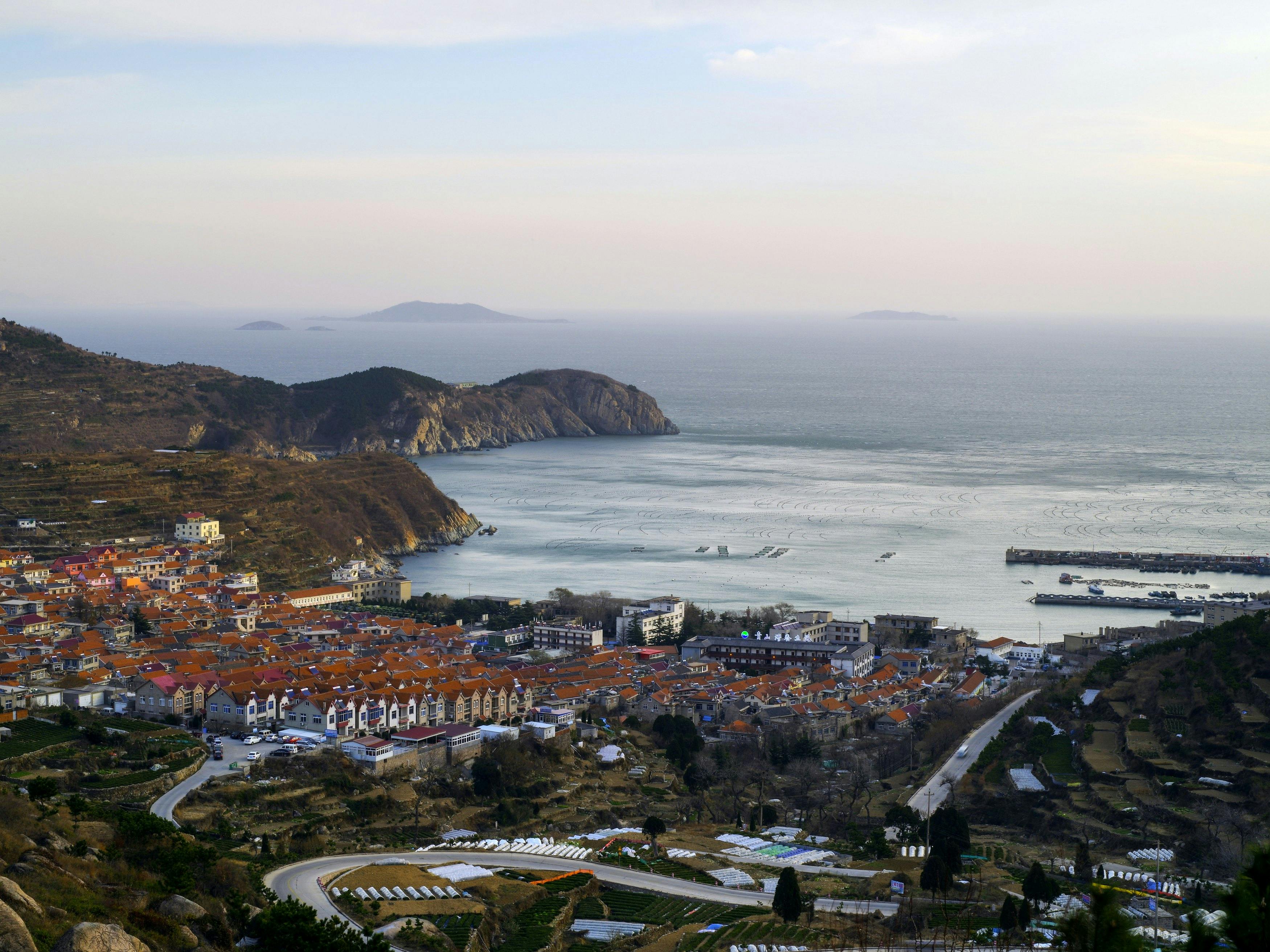
Shandong is one of China’s great historic heartlands, the home province of Confucius and a region where imperial memory, mountain worship, and salt-swept seacoast all sit within a few train hours of one another. For a 7-day trip, the most rewarding pairing is Qingdao and Jinan: one a seaside city with red roofs, beer lore, and boardwalk views, the other a spring-fed capital celebrated in Chinese literature for its clear water and old quarters.
There is variety here without frantic packing. You will move from Qingdao’s ocean promenades, German colonial streets, and Laoshan mountain scenery to Jinan’s willow-lined lake, artesian springs, temple hills, and excellent Shandong cuisine, with a straightforward high-speed rail connection in between.
Practically speaking, Shandong is easy to navigate by high-speed train, and March through late autumn tends to be the sweet spot for sightseeing. Bring comfortable walking shoes, some cashless payment backup, and an appetite for seafood in Qingdao and hearty Lu cuisine in Jinan; if you plan temple or mountain visits, start early, as China’s major attractions are best enjoyed before the mid-morning crowds build.
Arrival & intercity travel: For flights into Shandong, compare options on Trip.com flights or Kiwi.com. For the Qingdao-Jinan leg, high-speed rail is the clear choice; browse schedules on Trip.com trains. Expect roughly 2.5-3.5 hours depending on service, with typical second-class fares often around US$18-35.
Qingdao
Qingdao is Shandong’s most seductive first impression: sea air, sloped lanes, church spires, tiled villas, and one of China’s most recognizable waterfront skylines. Its character comes from an unusual blend of German colonial planning, Chinese seaside leisure culture, and the long-running fame of Tsingtao beer.
The city rewards wandering. In a single day you can move from a historic cathedral square to a seafood lunch, then out toward cliffside coastal scenery or the Daoist landscapes of Laoshan. It is also one of the easiest Chinese cities in which to enjoy a slower travel rhythm: coffee by the sea, sunset promenades, and late dinners built around shellfish, sea cucumber, and grilled squid.
Where to stay: Browse vacation rentals on VRBO Qingdao or hotels on Hotels.com Qingdao. For first-timers, the best bases are Shinan District near Badaguan, Zhanqiao, and the old town, or the May Fourth Square area if you prefer modern hotels and quick metro access.
- Top sights: Zhanqiao Pier, St. Michael’s Cathedral, Signal Hill Park, Badaguan Scenic Area, Xiaoyushan Park, May Fourth Square, Olympic Sailing Center, Tsingtao Beer Museum, and Laoshan.
- Breakfast & coffee ideas: seek out a neighborhood shop for jidan guanbing (egg crepe), fresh soy milk, and baozi; in the old town and modern waterfront districts, Qingdao has a strong specialty coffee scene, making a seaside coffee stop especially worthwhile before a walking day.
- What to eat: Qingdao is at its best with simply prepared seafood. Order clams with chili, steamed scallops with garlic, braised sea cucumber, grilled prawns, and local draft Tsingtao.
Viator option nearby in China: If you decide to add a future China extension beyond Shandong, this can be useful inspiration: Private Shanghai Full Day City Tour with Old and New Highlights.

Day 1 - Arrive in Qingdao
Morning: Arrival day is assumed later, so keep the morning unplanned or in transit. If you land early enough, use the time only for check-in and a brief neighborhood orientation.
Afternoon: Arrive in Qingdao and settle into your hotel in Shinan District or near May Fourth Square. After check-in, ease into the city with a gentle walk along Zhanqiao Pier, Qingdao’s emblematic sea bridge, where the pavilion at the end frames the harbor and the breeze immediately tells you this is a city shaped by water.
Evening: For dinner, head to a trusted local seafood restaurant in the old city or waterfront districts and keep the first meal classic: stir-fried clams, steamed fish, garlic scallops, and local beer. If you still have energy, stroll the illuminated waterfront near May Fourth Square; the skyline is modern, but the mood is relaxed rather than frantic.
Day 2 - Old Qingdao, churches, hills, and beer history
Morning: Start with breakfast from a local shop: jidan guanbing, sesame flatbread, or steamed buns, plus hot soy milk. Then explore the old quarter around St. Michael’s Cathedral, whose twin spires and square hint at Qingdao’s European-planned past; continue through the sloping lanes toward Signal Hill Park for one of the best compact overviews of red roofs and sea.
Afternoon: Have lunch nearby with simple northern dishes or seafood dumplings, then continue to the Tsingtao Beer Museum. Even if you are not especially devoted to beer, it is one of the city’s most revealing museums, explaining how Qingdao’s brewery history grew from treaty-port geopolitics into a national brand recognized far beyond China.
Evening: Dine in the old town or around Taidong, where you can sample grilled squid, seafood noodles, or a more substantial Shandong meal. End with a short walk at Xiaoyushan Park or by a sea-facing avenue if the weather is clear; Qingdao after dark is less about nightlife spectacle than lingering atmosphere.
Day 3 - Badaguan and the coast
Morning: Begin with coffee and a light breakfast in the Badaguan area, then spend the morning walking Badaguan Scenic Area, the city’s most photogenic district of villa-lined roads shaded by different tree species. It is popular for wedding photography for good reason: the neighborhood feels almost cinematic, especially when sea air drifts in from the nearby shore.
Afternoon: Continue to the beachfront and nearby viewpoints, then pause for lunch at a seafood-focused spot where you can order razor clams, prawns, and cold local dishes. If you prefer more city energy, transfer to the Olympic Sailing Center and marina area for a contrasting view of contemporary Qingdao, with broad promenades and polished towers facing the bay.
Evening: Choose dinner near the waterfront, ideally a place known for live tanks and straightforward cooking rather than an overdesigned dining room. Qingdao food shines when it is fresh and unpretentious; a plate of clams, seasonal greens, handmade dumplings, and a glass of beer is often a better memory than a formal banquet.
Day 4 - Laoshan day trip
Morning: Set out early for Laoshan, the granite mountain range east of the city long associated with Daoism, pilgrimage, and dramatic sea-meets-mountain scenery. This is one of the most distinctive landscapes in coastal China, and an early start gives you quieter trails, softer light, and a more contemplative feel.
Afternoon: Spend the afternoon between scenic overlooks, temple precincts, and local seafood or farmhouse-style lunch depending on the route you choose. If you prefer a less strenuous day, focus on one scenic section rather than trying to cover the mountain comprehensively; Laoshan rewards depth more than speed.
Evening: Return to Qingdao for a restorative dinner. A good final-night choice in the city is a restaurant specializing in Shandong-style braises and seafood, allowing you to compare inland culinary techniques with the coastal ingredients that define Qingdao.
Jinan
Jinan, the capital of Shandong, is known across China as the City of Springs. The phrase is not poetic exaggeration: artesian springs surface throughout the urban core, feeding ponds, streams, and the lovely expanse of Daming Lake, which gives the city a luminous softness unusual for a provincial capital.
There is deep cultural weight here too. Jinan has been a place of scholars, officials, and celebrated writers, and it remains one of the best cities to understand the inland side of Shandong: old courtyards, temple hills, spring water, and the robust traditions of Lu cuisine, one of China’s foundational regional culinary systems.
Where to stay: Browse rentals on VRBO Jinan or hotels on Hotels.com Jinan. For sightseeing convenience, stay near Daming Lake, Quancheng Square, or the old commercial center so you can easily walk between springs, parks, and restaurants.
- Top sights: Baotu Spring Park, Daming Lake, Quancheng Square, Black Tiger Spring, Qushuiting Street, Furong Street, Thousand Buddha Mountain, and Shandong Museum.
- What makes it special: Jinan is a city of water sounds. Springs bubble out in courtyards, under pavilions, and beside tea houses, giving the city an unusually gentle rhythm.
- What to eat: seek out classic Lu cuisine dishes such as sweet-and-sour carp, braised sea cucumber, crispy pork preparations, clear broths, and handmade dumplings. Street snacks in the old quarter also make excellent casual lunches.
Travel from Qingdao to Jinan: Take a morning high-speed train booked via Trip.com trains. Journey time is usually about 2.5-3.5 hours, and stations are well connected by taxi and metro on arrival.
Viator option nearby in China: For another future extension idea, consider Zhujiajiao Water Town and Shanghai City Private Day Tour.

Day 5 - Train to Jinan and spring city introduction
Morning: Depart Qingdao by high-speed train for Jinan. This is a comfortable morning transfer, and if you choose an earlier service you should still have a generous half day in your next city.
Afternoon: After hotel check-in, begin with Baotu Spring Park, the city’s most famous spring site and the right introduction to Jinan’s identity. The water is startlingly clear, and the classical pavilions, inscriptions, and garden layout make this feel less like a park and more like a distilled idea of literati China.
Evening: Have dinner in the old commercial quarter, ideally trying sweet-and-sour carp or another traditional Lu cuisine dish. Afterward, wander around Quancheng Square and nearby lit-up streets; Jinan’s city center is lively but still carries the gentle cadence of its waterways.
Day 6 - Daming Lake, old lanes, and local snacks
Morning: Start with a local breakfast of fried dough, savory pancakes, or dumplings, then head to Daming Lake. This is one of the city’s great pleasures: willow trees, causeways, old pavilions, and broad reflective water that has inspired painters and poets for centuries.
Afternoon: Continue on foot through Qushuiting Street and the lanes feeding into the older quarters, where water channels run beside houses and tea shops. Stop for lunch on or near Furong Street, but choose carefully: the area can be touristy, so prioritize simpler stalls and older restaurants with high turnover for sesame pastries, noodles, dumplings, or Shandong-style snacks.
Evening: For dinner, choose a more formal Lu cuisine restaurant and sample dishes that show the region’s technical range: clear soups, braises, seafood preparations, and delicately seasoned vegetable dishes. If you want a final evening walk, the spring-fed sections around Black Tiger Spring are especially atmospheric after dark.
Day 7 - Thousand Buddha Mountain and departure
Morning: Spend your last full morning at Thousand Buddha Mountain, a historic hillside complex of caves, carvings, temple spaces, and city viewpoints. It is not as famous internationally as some Chinese mountain sites, which is precisely part of its appeal; the setting feels lived-in, devotional, and local rather than staged.
Afternoon: Return for an early lunch before heading to the airport or rail station for departure. If time allows, squeeze in one final spring-side tea or coffee near the city center as a calm coda to the trip.
Evening: Departure day travel.
This 7-day Shandong itinerary gives you two complementary faces of the province: Qingdao’s sea breeze and architectural layers, and Jinan’s springs, lakes, and classical calm. It is a route with just enough movement to stay exciting, but enough depth in each city to let Shandong reveal its history, cuisine, and everyday beauty.