
7 Days in Seoul: Palaces, Street Food, Design Districts, and Seoul Night Views
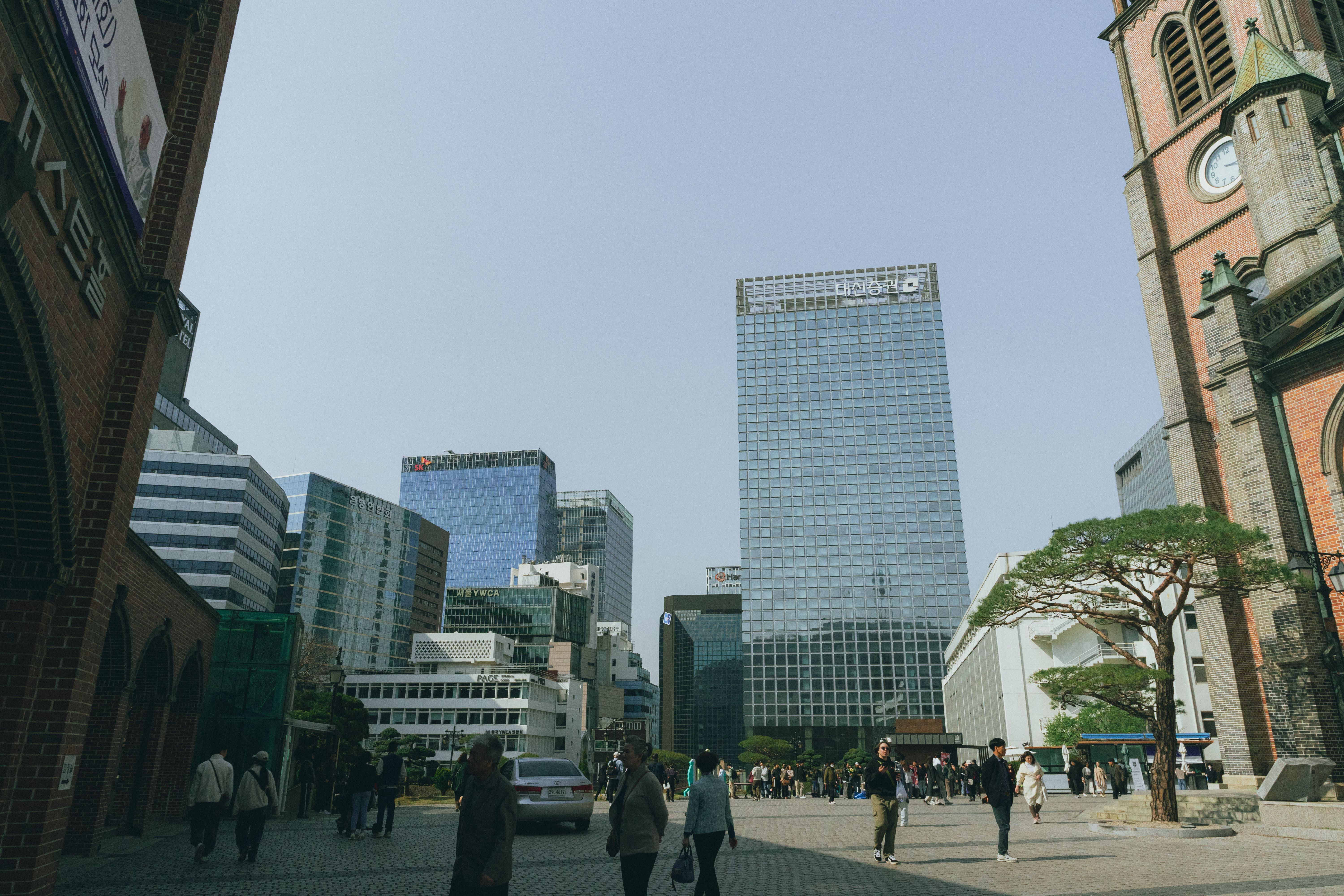
Seoul is a city that seems to move in two directions at once: forward at astonishing speed and backward with deep reverence. It was the capital of the Joseon dynasty for more than five centuries, and that long memory still lives in its palace gates, Confucian shrines, hanok neighborhoods, and ritual spaces tucked between glass towers and LED billboards.
One of Seoul’s great pleasures is contrast. You can spend the morning inside a throne hall from the 14th century, eat lunch in a market famous for knife-cut noodles and mung bean pancakes, sip a meticulous pour-over in a minimalist café by afternoon, and finish the night with Korean fried chicken, craft beer, or a river walk under the city lights.
For practical planning, Seoul is one of Asia’s easiest capitals to navigate thanks to its excellent subway system, reliable taxis, and clear signage in English. Spring and autumn are especially pleasant, though this itinerary works year-round; just book key stays early, carry a T-money transit card, and come hungry for barbecue, jjimdak, mandu, tteokbokki, and the kind of café culture that could occupy an entire trip on its own.
Seoul
Seoul rewards curiosity. The headline sights are excellent, but the city’s real magic often appears in the in-between moments: a narrow alley in Ikseon-dong, a tiny espresso bar in Seongsu, a late-night pojangmacha-style snack, or a quiet palace wall at dusk.
The city is also delightfully neighborhood-driven. Jongno offers dynastic history and old Seoul atmosphere, Myeongdong is practical and central for first-timers, Hongdae hums with youthful energy, Gangnam offers polished modern Seoul, and Seongsu has become one of the capital’s most interesting creative districts.
For where to stay, consider The Shilla Seoul for refined service and a strong location for taxis and sightseeing, Lotte Hotel World if you want easy access to eastern Seoul and family-friendly convenience, or Hostel Haru for a simpler, well-located base that keeps more of your budget for eating and exploring. You can also browse broader options on Hotels.com Seoul or VRBO Seoul.
For flights into Seoul, compare schedules and fares on Trip.com flights or Kiwi.com. From Incheon International Airport to central Seoul, the AREX Express takes roughly 45-50 minutes to Seoul Station and usually costs about ₩9,500-₩11,000, while airport limousine buses and taxis are useful if you have heavy luggage or are staying far from a major rail hub.
- Best areas for first-time visitors: Myeongdong, Insadong/Jongno, Euljiro, or Hongdae.
- Must-try foods: Korean barbecue, samgyetang, kalguksu, mandu, bibimbap, gimbap, fried chicken, hotteok, and hanwoo if you want a splurge meal.
- Useful tip: Many cafés open a bit later than breakfast travelers expect, so traditional bakeries, hotel breakfasts, Isaac Toast-style spots, or market stalls can be practical early starts.
Day 1: Arrival in Seoul, Myeongdong, and N Seoul Tower
Morning: This is your travel day, so keep the morning reserved for your international flight and airport formalities. If you land at Incheon in the late morning or around noon, take the AREX or an airport bus into the city and check into your hotel before heading out lightly.
Afternoon: Ease into Seoul with Myeongdong, a district that works particularly well on arrival because it is central, energetic, and easy to navigate. Start with a late lunch at Myeongdong Kyoja, one of Seoul’s most famous longstanding noodle houses, beloved for its silky kalguksu, compact mandu, and punchy garlic kimchi; it is famous for good reason, and the efficiency of the service feels like part of the ritual.
After lunch, walk through the shopping streets and snack stalls of Myeongdong. Even if you are not here for cosmetics or fashion, the area is excellent for people-watching and first tastes of Seoul street food such as grilled lobster tail with cheese, tteokbokki, gyeran-ppang in cooler weather, and skewered snacks that make the neighborhood feel like a carnival after dusk.
Evening: Head up to N Seoul Tower on Namsan for one of the classic Seoul night views. You can go by cable car or combine a short uphill walk with the ascent; the reward is a broad panorama that helps you understand the scale of the city on your very first night.
For dinner, choose between Wangbijib in Myeongdong for dependable Korean barbecue with well-marbled beef and attentive grilling, or Jinju Hoegwan nearby for a more old-school meal centered on Kongguksu in summer or bibimbap and traditional Korean dishes year-round. If you still have energy, finish with a quietly elegant cocktail at Le Chamber in Cheongdam if you want a polished bar experience, or simply return for a gentler first night and a convenience-store dessert run, a beloved Seoul pastime in its own right.
Day 2: Gyeongbokgung, Bukchon Hanok Village, Insadong, and Ikseon-dong
Morning: Begin with breakfast and coffee at Onion Anguk, a striking café set in a hanok-inspired space that helped define the aesthetic wave around this part of town. Arrive early to avoid lines and order a pastry with a carefully made coffee before walking to Gyeongbokgung Palace, the grandest of Seoul’s Five Grand Palaces and the ceremonial heart of the Joseon court.
Spend the rest of the morning exploring Gyeongbokgung’s main halls, gates, courtyards, and pavilions. The palace is not merely photogenic; it offers a useful frame for understanding Seoul’s political and cultural history, especially when paired with the National Palace Museum or a timed changing of the guard ceremony.
Afternoon: Walk into Bukchon Hanok Village, where historic houses still line the hills between palaces. It is one of Seoul’s most photographed areas, but it is also a residential neighborhood, so the best way to appreciate it is respectfully and slowly, pausing at lookout points and side lanes rather than treating it like a checklist backdrop.
For lunch, stop in Insadong at Sanchon if you want an elaborate temple-style vegetarian meal in a serene setting, or choose a more casual traditional restaurant nearby for doenjang jjigae, jeon, and rice sets. Then browse Insadong’s craft shops, tea houses, and galleries before drifting into Ikseon-dong, where old alleyways have been transformed into one of Seoul’s most atmospheric café and dining quarters.
Evening: Stay in Ikseon-dong for dinner. Chanyangjip is a good traditional choice if you want Korean comfort food, while many of the neighborhood’s small modern Korean and fusion spots suit travelers who enjoy discovering intimate spaces with distinctive interiors.
After dinner, have dessert or tea at Cheongsudang, famous for its tranquil garden-like design and soufflé-style desserts, or seek out a quieter hanok café tucked into the lanes. This is one of Seoul’s best evening ambles: lantern glow, low eaves, and the soft hum of conversation around corners that feel older than the city’s skyline suggests.
Day 3: Changdeokgung, Gwangjang Market, and Euljiro
Morning: Start with a simpler breakfast near your hotel or a neighborhood bakery, then head to Changdeokgung, often considered the most graceful of Seoul’s palaces. Its relationship to the landscape is especially beautiful, and if available during your visit, the Secret Garden tour is worth planning around for its pavilions, ponds, and carefully arranged natural design.
The mood here is more intimate than Gyeongbokgung. Where the latter impresses with scale and state symbolism, Changdeokgung lingers in the mind because it feels lived in, shaped by topography and court life rather than imposed grandiosity.
Afternoon: For lunch, go to Gwangjang Market, one of Seoul’s essential food experiences. Try mayak gimbap, bindaetteok from a busy pancake stall, and hand-cut noodles; if you enjoy culinary theater, this is the place to watch batter sizzle, noodles fly, and regulars order with practiced speed.
After eating, explore more of Jongno or visit the Dongdaemun Design Plaza area for a change of visual tempo. If design and architecture interest you, DDP’s futuristic curves offer a dramatic contrast to the palace district, and the surrounding fashion-market zone shows another side of Seoul’s commercial life.
Evening: Spend the night in Euljiro, a neighborhood that has evolved from an old industrial and printing district into one of Seoul’s most compelling nighttime areas. Its appeal lies in hidden stairwells, repurposed workshops, no-frills grill houses, and bars that feel discovered rather than advertised.
For dinner, look for a classic Korean barbecue place in Euljiro 3-ga, where the smell of charcoal seems to define entire alleyways. Follow that with drinks at a low-key cocktail bar or a craft beer spot; the pleasure here is not one marquee venue but the district’s layered atmosphere, where mechanics’ signs, neon, stainless-steel tables, and new creative energy all coexist.
Day 4: Samcheong-dong, Museum Time, and the Cheonggyecheon Stream
Morning: Begin in Samcheong-dong, a neighborhood of gentle slopes, galleries, boutiques, and stylish cafés just east of Gyeongbokgung. Have breakfast at a café here or return to Anguk-area favorites, then visit the National Museum of Modern and Contemporary Art, Seoul, whose exhibitions often provide a sharp counterpoint to the palace architecture around it.
If you prefer a more explicitly historical morning, substitute the museum with the National Folk Museum of Korea. It gives useful context on everyday life, customs, domestic spaces, and seasonal traditions, making the city’s older neighborhoods feel richer and more legible.
Afternoon: For lunch, try Tosokchon Samgyetang near Gyeongbokgung, one of Seoul’s most famous places for ginseng chicken soup. It is popular with visitors, yes, but still worth recommending because the dish is deeply rooted in Korean food culture, restorative without being heavy, and especially satisfying after several days of walking.
After lunch, enjoy a slower afternoon: browse independent shops in Samcheong-dong, visit a small gallery, or return to your hotel for a rest before the evening. If you prefer another landmark, Deoksugung and its stone-wall road make an elegant late-afternoon walk, particularly when the light softens and office crowds begin to thin.
Evening: Walk along the Cheonggyecheon Stream after dark. This restored urban waterway cuts through central Seoul like a ribbon of calm, and it offers one of the city’s best low-effort evening experiences: clean lines, reflections, public art, and a sense of Seoul exhaling.
For dinner, head to Mugyodong Bugeokukjib if you want a beloved local institution centered on dried pollack soup and humble Korean comfort, or choose a restaurant in the Gwanghwamun area for a broader menu. If you want a sweet finish, stop for bingsu or a well-made espresso in one of the refined cafés around the city center before an early night.
Day 5: Seongsu-dong, Seoul Forest, and Gangnam or Jamsil
Morning: Today is for contemporary Seoul. Start in Seongsu-dong, often described as Seoul’s answer to Brooklyn, though it really deserves to be understood on its own terms: old factory stock, fashion brands, inventive cafés, and a constant churn of pop-ups and design-forward retail.
Grab breakfast and coffee at Daelim Changgo or another warehouse-style café in the area, where industrial bones and serious coffee culture make even a short stop feel like an event. Then walk through Seoul Forest, a large green space that locals actually use, rather than merely photograph, and one that offers a refreshing pause from denser central districts.
Afternoon: Stay in Seongsu for lunch at a modern Korean or Italian-leaning bistro, or seek out a casual spot serving pork cutlets, noodles, or rice bowls amid the side streets. The pleasure of Seongsu is browsing without over-planning: independent shops, eyewear brands, fashion spaces, fragrance boutiques, and limited exhibitions appear and disappear quickly, which keeps the neighborhood lively.
Later, head to Gangnam if you want polished shopping streets and a look at Seoul’s high-gloss business and entertainment side, or go to Jamsil for Lotte World Tower, Seokchon Lake, and a broader skyline experience. If views interest you, Seoul Sky in Lotte World Tower offers an excellent observatory with a very different perspective from N Seoul Tower.
Evening: Have dinner in Jamsil or Songridan-gil, where the dining scene is increasingly interesting and less frantic than some of the city’s more famous nightlife zones. Look for a grilled meat restaurant, modern Korean small plates, or a good chicken-and-beer spot if you want one of Korea’s classic evening pairings.
If you choose Gangnam instead, consider a more polished dinner with hanwoo beef or refined Korean cuisine, then finish with drinks in a cocktail lounge or wine bar. This is a good night to see the city at its most contemporary: sleek towers, destination dining, and crowds dressed as if every errand might become an event.
Day 6: Hongdae, Yeonnam-dong, and a Han River Night
Morning: Begin in Yeonnam-dong with breakfast at a neighborhood café, where you will find some of Seoul’s most appealing low-key coffee culture. This area just beyond Hongdae feels more residential and relaxed, making it ideal for a slower start before the day becomes more energetic.
Then walk through Hongdae, the university district known for street performance, indie spirit, and youth culture. In daylight, its backstreets reveal boutiques, record shops, accessory stores, and cafés that can be easy to miss once the evening crowds arrive.
Afternoon: For lunch, try a casual Korean meal in Hongdae such as dakgalbi, pork cutlet, or a hearty stew, or seek out one of the area’s excellent ramen, curry, or fusion spots if you want a break from traditional fare. Spend the afternoon shopping, ducking into photo-booth studios, browsing design stores, or visiting a themed café only if it genuinely appeals to you; Hongdae is best enjoyed by following your own curiosity rather than chasing every trend.
If you want a cultural detour, this is also a good slot for the Leeum Museum of Art instead of more shopping, though it requires transit across town. The collection is strong and intelligently curated, spanning Korean antiquities and modern art in a way that mirrors Seoul’s wider identity.
Evening: End the day by the Han River, ideally at Yeouido Hangang Park or Banpo Hangang Park depending on your route and energy. Pick up picnic food, Korean fried chicken, kimbap, or convenience-store drinks and join locals who turn the riverbanks into a nightly ritual of cycling, chatting, date nights, and city-gazing.
For dinner before or after the river, choose a fried chicken specialist such as Kyochon or BHC if you want a classic crispy soy-garlic version, or find a local pub serving chicken with draft beer. If timing aligns, watch the Banpo Bridge Moonlight Rainbow Fountain seasonally; if not, the simple pleasure of sitting by the water with Seoul glowing behind you is enough.
Day 7: Namdaemun or last shopping, café stop, and departure
Morning: Keep your final morning flexible and close to your hotel. If you are staying centrally, visit Namdaemun Market for one last dose of old-school Seoul commerce and an early lunch-style breakfast; kalguksu alley is especially satisfying, with steaming bowls and tightly run kitchens that have served workers and shoppers for decades.
If shopping is a priority, use the morning for last-minute beauty, stationery, snacks, tea, socks, or homewares in Myeongdong, Insadong, or your neighborhood of choice. This is also a good moment for a final specialty coffee at a café you missed earlier, because Seoul is one of the world’s great coffee cities and deserves a proper farewell cup.
Afternoon: Return to your hotel, collect your bags, and head to the airport. For departure planning, allow roughly 45-60 minutes on the AREX to Incheon plus check-in time, or longer if you are using an airport bus or road transfer during peak traffic.
If you need flight options for your onward journey, compare Trip.com flights and Kiwi.com. If you are connecting to another Korean city by rail before flying onward, you can also review schedules on Trip.com trains.
Evening: This section is reserved for travel, as your departure is in the afternoon. If you have a late flight and happen to remain in the city into early evening, keep things simple with a final bowl of noodles, a bakery stop, or one more walk through a favorite neighborhood rather than attempting another major sight.
Seven days in Seoul gives you enough time to move beyond the postcard version of the city. You will see palaces and markets, yes, but also the subtler pleasures that make people return: neighborhood rhythms, exacting coffee, excellent urban parks, late-night meals, and a sense that history and experimentation are sharing the same streets quite happily.
It is a trip built on contrast and cohesion in equal measure. Seoul can be ceremonial, playful, intense, and restful within a single day, and that range is exactly what makes a week here feel so full.