
7 Days in Seoul: A Relaxing Itinerary for Local Neighborhoods, Shopping Streets & Photo-Worthy Views
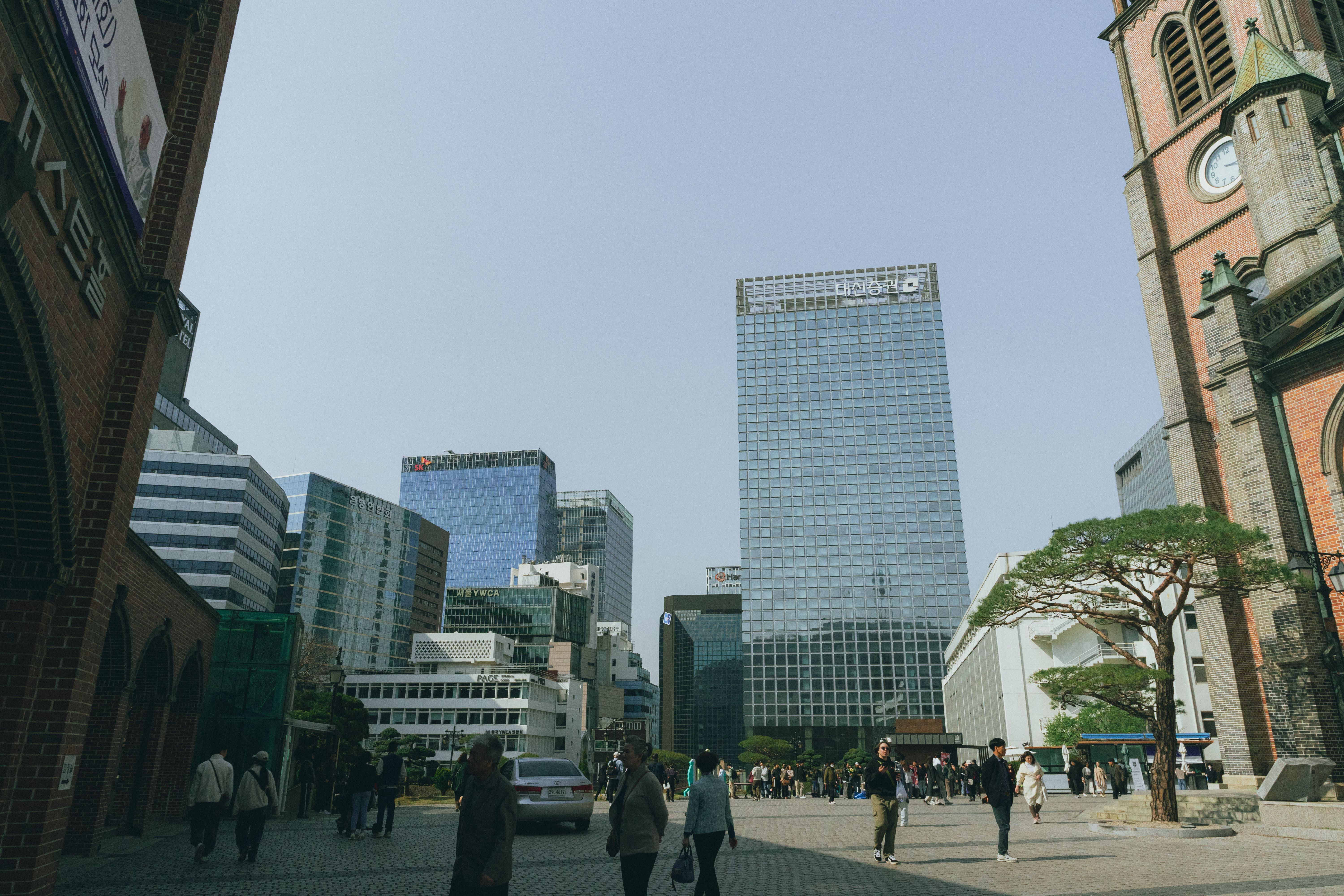
Seoul is a city of astonishing layers. It was the capital of the Joseon dynasty for more than five centuries, and that long history still shows in palace gates, Confucian shrines, and hanok neighborhoods tucked between design stores, department malls, and glass towers.
What makes Seoul especially rewarding over 7 days is its rhythm. You can spend the morning in a royal courtyard, lunch on knife-cut noodles in a market lane, photograph a neon avenue by dusk, and finish with a quiet coffee in a backstreet café where students, office workers, and artists share the same tables.
Practically, Seoul is efficient, safe, and easy to navigate by subway, though major shopping districts can stay lively late into the evening. Spring and autumn are particularly pleasant, local food ranges from market snacks to refined Korean tasting menus, and travelers should keep an eye on normal big-city etiquette, weather, and any DMZ access updates before touring the border area.
Arrival & getting in: From Incheon International Airport, the simplest planning tools for flights are Trip.com flights or Kiwi.com flights. If you prefer to pre-book a direct ride after landing, the Private Airport Transfer : Incheon to/from Seoul is convenient; driving time is usually around 60–90 minutes depending on traffic, and airport rail options are generally faster at rush hour.
Seoul
For a 7-day trip focused on a relaxing pace, Seoul works best as a single-base itinerary. The city is vast, but its neighborhoods each have a distinct personality: Jongno for palaces and old Seoul, Euljiro for back-alley character, Seongsu for design-led cafés, Hongdae for youthful street energy, and Jamsil for polished lakeside modernity.
This is also an excellent city for travelers who enjoy shopping, living like a local, and photography. The best Seoul moments often arrive between landmarks: a side street in Ikseon-dong at golden hour, the steam rising off mandu in a market stall, laundry hanging behind a mural in a hillside lane, or the polished symmetry of a palace courtyard after rain.
Where to stay: For a special stay with strong service and easy access to central sights, consider The Shilla Seoul. For a practical mid-range base that fits a budget-conscious, city-exploring trip, Hotel 8 Hours works well; for a simpler budget option near central Seoul, try Hostel Haru. You can also compare broader neighborhood options via VRBO Seoul and Hotels.com Seoul.
How to get around: Seoul’s subway is usually the best choice, with T-money payment making transfers simple. Taxis are useful at night or for cross-city hops, but for this itinerary, grouping nearby neighborhoods together keeps costs moderate and the pace easy.
Day 1 – Arrival, gentle first impressions in Myeongdong and Namsan
Morning: This is your travel day, so keep the morning focused on transit and arrival preparations. If you want a pre-booked airport ride after landing, use the Private Airport Transfer : Incheon to/from Seoul; otherwise, airport rail into central Seoul is usually efficient and affordable.
Afternoon: Arrive in Seoul, check in, and keep your first outing close to your hotel. If you stay around Myeongdong or City Hall, start with an easy stroll through Myeongdong’s shopping lanes, where beauty flagships, Korean fashion stores, street snack stands, and bright storefronts create an immediate sense of the city without demanding too much energy.
For a late lunch, try Myeongdong Kyoja, one of Seoul’s enduring classics, known for kalguksu (knife-cut noodle soup) and plump mandu. The appeal here is not trendiness but consistency; it is fast, warming, and deeply Seoul in the best way.
Evening: Ride or walk up toward N Seoul Tower around dusk. Even if you skip the full tower experience, the Namsan area offers broad city views that are excellent for photography, especially as office towers begin to glow and the city turns silver-blue under evening light.
For dinner, choose a calm Korean barbecue meal at Wangbijib in Myeongdong, where good cuts and efficient service make it a reliable first-night choice, or go for a more old-school, charcoal-grilled mood in nearby Euljiro. If you still have energy, end with a dessert stop at Sulbing for bingsu, Korea’s famous shaved ice, which is a soft landing after a long flight.
Day 2 – Royal Seoul, Bukchon Hanok Village, Insadong, and tea-house culture
Morning: Begin at Gyeongbokgung Palace, the grandest of Seoul’s five major palaces and the clearest introduction to Joseon royal architecture. Go early for softer light and thinner crowds; the wide courtyards, mountain backdrop, and painted eaves make this one of the city’s best photography spots.
If you would prefer context from a guide, the Seoul: Gyeongbok Palace, Hanok Village, and Gwangjang Tour is a strong fit for first-time visitors. It pairs key historic districts efficiently, which is helpful if you want orientation without spending the whole week navigating alone.

Afternoon: Walk into Bukchon Hanok Village, where traditional homes climb the slopes between former aristocratic quarters. This is one of Seoul’s most photographed neighborhoods, but it rewards a respectful, quiet visit; the best images often come from looking down side lanes rather than fighting for the busiest viewpoints.
For lunch, head to Insadong and choose between Sanchon for temple-style Korean cuisine in an atmospheric setting or a more casual bowl of doenjang stew and banchan at a local hanjeongsik restaurant in the area. Afterward, browse Insadong’s calligraphy shops, tea stores, ceramics, and paper goods—this is one of the best districts for thoughtful shopping rather than pure brand hunting.
Evening: Spend the evening in Ikseon-dong, a maze of restored hanok lanes now filled with cafés, intimate dining rooms, and stylish dessert spots. The neighborhood has a softer, more local evening feel than some of Seoul’s larger nightlife districts, and the lantern-lit alleys are particularly good for low-light photography.
For dinner, reserve at a modern Korean spot in the area or keep it simple with grilled fish or jeon nearby in Jongno. End with tea and cake in a hanok café—this is one of the most relaxing Seoul experiences, and the contrast between old timber architecture and contemporary café culture captures the city perfectly.
Day 3 – Local flavors at Gwangjang Market, Euljiro lanes, and Dongdaemun night views
Morning: Start with breakfast or an early snack at Gwangjang Market, one of Seoul’s most storied food markets. Try bindaetteok, the market’s famous mung bean pancake, along with mayak gimbap; these are not merely popular bites but part of the city’s everyday food memory.
If food-led exploration sounds appealing, the Seoul Street Food Market Tour or the Seoul Fun Food Tour: 12 different food tastings are both excellent options for understanding how markets function beyond the obvious photo stops.

Afternoon: Wander into Euljiro, where printing shops, hardware storefronts, old workshops, and quietly fashionable cafés coexist in a way that feels unmistakably local. This is a superb district for travelers who like to walk without agenda; much of the pleasure comes from peering into alleys, noticing faded signs, and stopping where the mood feels right.
For coffee, seek out one of Euljiro’s warehouse-style cafés hidden above workshops. For lunch, try a no-frills Korean diner serving kimchi jjigae, sundubu, or grilled mackerel; the point here is not polish but everyday Seoul, exactly the sort of lived-in experience that suits your preferred vibe.
Evening: Head east to Dongdaemun Design Plaza and the surrounding fashion district. DDP’s fluid, futuristic architecture is one of the city’s strongest night photography subjects, while the nearby wholesale and retail centers make this a practical evening for shopping, especially if you want clothing, accessories, or Korean design finds.
For dinner, choose dakhanmari near Dongdaemun—this chicken hot pot specialty is deeply tied to the area and ideal for a comforting meal. Jin Ok Hwa Original Chicken Restaurant remains the classic name many travelers seek out, and the simple broth, added noodles, and lively dining room make the experience memorable without feeling staged.
Day 4 – A meaningful DMZ day trip
Today is best devoted to a full or half-day DMZ excursion, which offers the historical depth that balances Seoul’s shopping streets and café neighborhoods. The Korean Demilitarized Zone is one of the most politically charged border areas in the world, and visiting it adds context to museums, memorials, and even ordinary conversations in the capital.
For this experience, consider the Best DMZ Tour Korea from Seoul (Suspension Bridge & JSA Museum) if you want a strong general overview, or the Half-Day DMZ Tour Led by a Retired Military Officer from Seoul if you value especially vivid storytelling and firsthand military perspective. Travel time each way is typically around 1.5 to 2 hours depending on route and checkpoint conditions.


Back in Seoul, keep the evening quiet. Have dinner in City Hall, Jongno, or near your hotel—samgyetang, seolleongtang, or a simple bibimbap dinner is ideal after a long excursion. If you still want a short walk, Cheonggyecheon Stream is excellent at night: calm water, lit bridges, and a slower pace than the main shopping districts.
Day 5 – Seongsu, Seoul Forest, and a relaxed local-living day
Morning: Spend the morning in Seongsu-dong, a former industrial district that has evolved into one of Seoul’s most interesting café and design neighborhoods. It is often compared to Brooklyn by marketers, but in person it feels more specific than that: old factories, careful retail design, excellent coffee, and a younger local crowd that comes to browse, work, and linger.
Choose a specialty coffee shop for breakfast—Seongsu has several strong options for espresso, pastries, and quiet people-watching. This is also a smart morning for shopping if you enjoy discovering Korean brands, stationery, home goods, or fashion in smaller-format stores rather than department malls.
Afternoon: Walk to Seoul Forest, one of the city’s best green spaces for a low-pressure afternoon. The park’s paths, tree-lined stretches, and open lawns offer a pleasant reset from denser neighborhoods, and photographers will appreciate the changing seasonal textures, especially in spring blossom periods and autumn foliage weeks.
For lunch, pick a modern Korean or pasta café in Seongsu, where the neighborhood does casual dining particularly well. Later, browse more concept stores and pop-ups, then stop for dessert in a café with large windows and soft natural light; few districts in Seoul are better suited to a relaxed, unhurried day.
Evening: Cross the river to Jamsil for a different side of the city. Walk around Seokchon Lake, where the skyline reflects in the water and the promenade feels surprisingly calm for such a major district.
Dinner options here are broad: polished Korean dining, casual chains done well, or a higher-floor restaurant with city views. If you want a hotel splurge dinner or simply prefer to stay nearby, Lotte Hotel World is a useful reference point in the district and convenient if you’d like to base yourself in a quieter, more modern area.
Day 6 – Hongdae, Yeonnam-dong, and a customized hidden-gems day
Morning: Begin in Yeonnam-dong, just beyond the main Hongdae crowds. This neighborhood is ideal for living like a local: bakery breakfasts, neighborhood coffee, low-rise streets, independent boutiques, and residents walking dogs or running errands beside visiting creatives and students.
For breakfast, settle into a bakery café for a slower start, then wander the Gyeongui Line Forest Park area. The linear park gives the district breathing room, and it is a pleasant place to photograph daily urban life rather than only monuments.
Afternoon: This is a great point in the week for a flexible guided experience tailored to your interests in photography, shopping, and neighborhood life. The Seoul Highlights & Hidden Gems Tours by Locals: Private + Custom is especially well matched to your style, as it can help uncover smaller lanes, stores, and overlooked corners that are easy to miss independently.

If you prefer a more structured private day, the Flexible Private Guided Tour in Seoul (Optional Incheon Layover) is another strong choice. A good custom brief would be: independent fashion, photogenic cafés, traditional-modern contrast, and local lunch stops.
Evening: Let the night unfold in Hongdae, but keep it selective rather than hectic. Browse side streets for Korean streetwear, small record shops, accessories, and cosmetics, then have dinner at a charcoal-grill restaurant or a cozy makgeolli bar where savory pancakes and rice wine suit a relaxed evening.
If live energy appeals without wanting a full club scene, watch buskers or small performances around Hongdae’s main pedestrian zones. The area is animated, but because you have several nights in Seoul, you can enjoy its youthful atmosphere for a couple of hours and leave before it grows too loud.
Day 7 – Last shopping, final palace or café stop, and departure
Morning: Use your final morning for a light, low-stress choice depending on what you loved most. If you want one more historic note, visit Deoksugung, whose stone-wall road and elegant palace buildings make for a quieter farewell than Gyeongbokgung; if shopping is the priority, return to Myeongdong, Insadong, or Seongsu for last purchases.
For breakfast, choose a café with a lingering pace rather than a rushed grab-and-go. A final Korean brunch-style spread, good coffee, and a window seat can be as memorable as one more landmark.
Afternoon: Check out and depart for the airport. For outbound travel planning, Trip.com flights and Kiwi.com flights are the relevant search tools. If you want a pre-arranged transfer back to Incheon, reuse the Private Airport Transfer : Incheon to/from Seoul.
Evening: Departure day.
Extra dining and café notes for your week in Seoul
- Breakfast & coffee: In Seongsu and Yeonnam-dong, prioritize independent cafés where Seoul’s coffee culture shines through careful roasting, strong pastry programs, and beautifully designed interiors. These districts are ideal if you enjoy slow mornings and photography.
- Lunch: Gwangjang Market is essential for classic snacks, while Insadong and Jongno are better for traditional sit-down Korean meals. In Myeongdong, noodle specialists and dumpling houses are reliable, quick, and satisfying between sightseeing stops.
- Dinner: Try Korean barbecue once in Myeongdong or Mapo, dakhanmari in Dongdaemun, and one modern Korean meal in Seongsu or Jamsil. This mix gives you both everyday Seoul and a more polished interpretation of local cuisine.
- Late desserts: Bingsu, soufflé-style cakes, fruit tarts, and café desserts are woven into Seoul’s evening culture. In neighborhoods like Ikseon-dong and Hongdae, dessert can easily become the highlight of the night.
Optional alternative day trip
If you would rather trade the DMZ for scenery and gentle pacing, the Nami Island & Garden of Morning Calm & Gangchon Railbike Tour is a photogenic option. It is especially appealing in spring and autumn, when gardens, tree lines, and soft natural light fit a more restorative rhythm.

Over seven days, Seoul reveals itself not as a checklist city but as a place of moods, textures, and neighborhoods. This itinerary gives you the big historical anchors, plenty of shopping, excellent photography opportunities, and enough open air and café time to keep the week feeling restorative rather than rushed.
By the end of the trip, you will have seen royal Seoul, modern Seoul, market Seoul, and everyday Seoul. That range is the city’s real gift—and the reason it stays with travelers long after they leave.