
7 Days in Scotland: Edinburgh and Glasgow with Castles, Whisky, Lochs, and Local Favourites
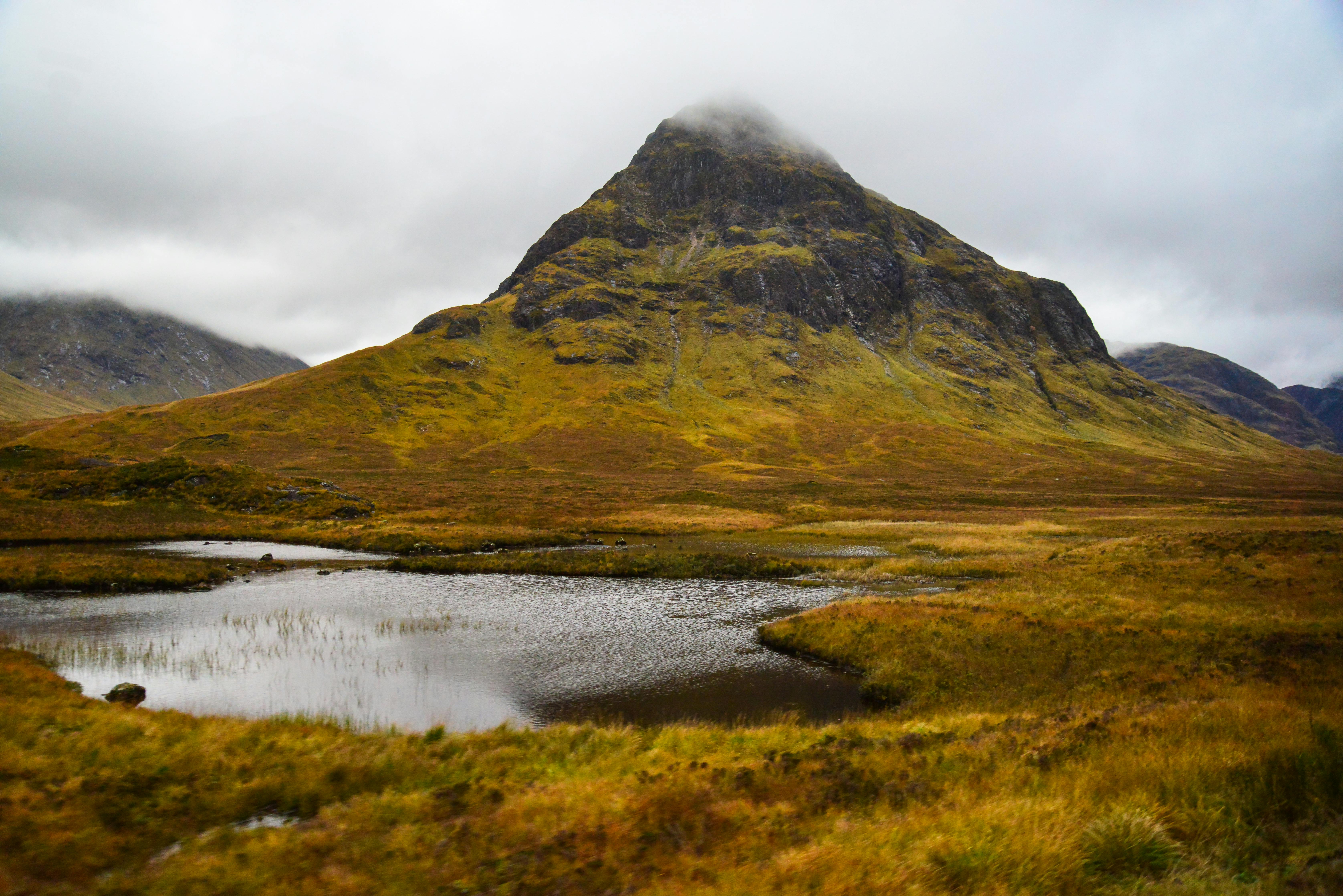
Scotland rewards the traveler who likes a place with weather, wit, and a long memory. In one week, you can move from Edinburgh’s medieval ridge and Georgian squares to Glasgow’s grand Victorian avenues, riverfront reinvention, and famously warm local spirit, all while tasting whisky, hearing live music, and catching glimpses of lochs and hill country.
Historically, this is a land shaped by royal intrigue, Enlightenment brilliance, industrial muscle, and stubborn independence of character. Edinburgh’s Old and New Towns are UNESCO-listed for good reason, while Glasgow rose to prominence through trade, shipbuilding, design, and the arts, creating two cities that feel strikingly different despite being barely an hour apart by train.
Practical notes first: March through autumn is ideal for long daylight and easier sightseeing, but Scotland’s weather can pivot from sunshine to drizzle in an hour, so layers and waterproof shoes are wise. Tap water is excellent, public transport is reliable, card payments are widely accepted, and booking popular sights like Edinburgh Castle ahead of time is smart; for intercity travel, compare rail options on Omio.
Edinburgh
Edinburgh is one of Europe’s great theatrical cities. Its skyline is all spires, crags, and stone, with the Castle perched above the Old Town like a stern stage director watching every scene unfold below.
The city’s pleasures are layered closely together: wynds and closes off the Royal Mile, elegant Georgian crescents in the New Town, serious museums, ghost stories, sharp coffee, and some of the best pub culture in Britain. It is easy to spend hours simply walking and looking up.
For stays, Edinburgh offers strong options across budgets. If you want old-school grandeur beside Waverley Station, book The Balmoral Hotel; for a central, playful base near the Old Town, try The Grassmarket Hotel; for good value with comfort and a pool, consider Novotel Edinburgh Centre; and for sociable budget digs with a castle view, Castle Rock Hostel is a standout. You can also browse broader options on VRBO Edinburgh or Hotels.com Edinburgh.
For arrival into Scotland, compare flights into Edinburgh on Omio. From Edinburgh Airport to the centre, the tram reaches central stops in about 30 minutes, while a taxi usually takes 25 to 35 minutes depending on traffic.
- Top sights: Edinburgh Castle, the Royal Mile, St Giles’ Cathedral, the National Museum of Scotland, Victoria Street, Calton Hill, Dean Village, and Arthur’s Seat.
- Local food and drink to seek out: haggis in thoughtful modern form, Cullen skink, smoked salmon, Scottish cheeses, excellent baking, and whisky flights that go beyond the obvious names.
- City character: Edinburgh is compact but hilly. Wear sturdy shoes, reserve major attractions in advance, and leave time for unplanned detours down closes and into old pubs.
Day 1 - Arrive in Edinburgh
Morning: This is a travel day, so keep the first morning focused on arrival logistics. If you land early, use the airport tram or taxi to check in, drop bags, and take a moment to reset before your first wander through the Scottish capital.
Afternoon: Start gently in the Old Town with a walk from the Royal Mile down toward Victoria Street and the Grassmarket. Victoria Street’s curve of colourful shopfronts is one of the city’s most photographed corners, but it is worth more than a quick photo; the layered medieval street plan gives you an immediate sense of how old, vertical, and atmospheric Edinburgh really is.
For a late lunch, go to Oink for a simple, beloved Edinburgh staple: slow-roasted Scottish hog in a soft roll with sage and onion stuffing or haggis. If you want something more leisurely, Howies on Victoria Street is a reliable introduction to modern Scottish cooking, often serving dishes like venison, salmon, and seasonal soups in a room that feels rooted in the city rather than designed for tourists.
Evening: Head up to Calton Hill around sunset. The climb is short, and the reward is one of the great urban views in Britain: the Castle in silhouette, the spire-studded skyline, and the Firth of Forth beyond.
For dinner, book The Scran & Scallie in Stockbridge if you want polished pub cooking with local ingredients, or choose The Devil’s Advocate near the Royal Mile for a strong whisky list and a handsome lantern-lit setting in an old pump house. End with a nightcap at The Bow Bar, a small, serious whisky pub that locals and enthusiasts alike respect for its range and lack of fuss.
Day 2 - Edinburgh Castle, the Royal Mile, and the Old Town
Morning: Begin with coffee and breakfast at Lowdown on George Street, known for carefully sourced beans and excellent pastries, or at Wellington Coffee, a compact local favourite with a loyal following. Then make your way early to Edinburgh Castle, the city’s defining landmark, dramatically set atop Castle Rock.
The Castle is not merely scenic; it is a compressed history of Scotland’s wars, monarchs, prisons, and regalia. Give it at least two to three hours to see the Crown Jewels, the Great Hall, Mons Meg, the National War Museum, and the views over Princes Street Gardens and the New Town.
Afternoon: Walk down the Royal Mile and stop at St Giles’ Cathedral, where the crown steeple and centuries of civic and religious history make it one of the route’s most significant buildings. Then continue to the National Museum of Scotland, one of the best museums in the UK, where galleries range from Scottish antiquities and science to fashion and world cultures.
For lunch, try Deacon Brodie’s Tavern if you want a historically themed pub stop on the Mile, or make for Makars Mash Bar, where the format is delightfully Scottish: choose mains such as beef, sausages, or vegetarian haggis with excellent mashed potato variations and rich gravies. This is hearty food, well suited to Edinburgh’s brisk air.
Evening: In the evening, consider a guided underground history or ghost tour focused on the city’s closes and vaults. These can be theatrical, but the best guides use the tales to illuminate disease, overcrowding, crime, and the harsher textures of early urban life.
For dinner, book Wedgwood the Restaurant, a long-admired Old Town address where Scottish produce is handled with care and flair, often with game, seafood, and inventive seasonal details. If you prefer something more casual, the Hanging Bat offers excellent craft beer and notably good food, making it a smart choice for travelers who want substance over ceremony.
Day 3 - Arthur’s Seat, Holyrood, and New Town streets
Morning: Start early with coffee and breakfast at Levels Café and Lounge or at Söderberg, the Swedish bakery-café beloved for cardamom buns, good coffee, and calm interiors. Then set out for Arthur’s Seat if the weather is decent; this extinct volcano rises above Holyrood Park and gives you a sweeping understanding of Edinburgh’s geography.
The hike can be brisk and muddy, but it is memorable rather than technical if taken at a steady pace. From the summit, you can read the whole city at once: medieval spine, Georgian order, distant sea, and the rough green edges that keep Edinburgh from feeling overbuilt.
Afternoon: After descending, visit the Palace of Holyroodhouse from the outside or inside if it suits your interests, then walk up through the Canongate. Alternatively, if weather turns, skip the hill and spend more time indoors at the Palace or the Museum of Edinburgh.
For lunch, The City Café is a dependable informal stop for burgers, brunch dishes, and comfort food, while Clarinda’s Tea Room offers a more old-fashioned Edinburgh experience with soups, scones, and cakes. Later, cross into the New Town for a different cityscape entirely: broad streets, sandstone crescents, refined shopfronts, and the calm order of 18th-century planning.
Evening: Spend the evening in Stockbridge or the West End. Stockbridge has a village-like feel despite being central, with independent shops, a strong local dining scene, and a slower rhythm than the Royal Mile.
Dinner options include Café St Honoré, a much-loved bistro where French technique meets Scottish ingredients in a deeply satisfying way, or The Raeburn if you want a stylish neighbourhood setting. If you still have energy, finish with a whisky tasting at The Scotch Whisky Experience or a quieter dram in a traditional pub such as Sandy Bell’s, which is especially rewarding if live folk music is underway.
Day 4 - Day trip into the Highlands and loch country from Edinburgh
Take a full-day small-group coach excursion into the Scottish Highlands, often routing through places such as Stirling, Glencoe, Loch Ness, or Pitlochry depending on the operator and season. This is the one day where a tour makes practical sense: in a single outing, you get mountain scenery, lochs, Highland history, and the changing textures of Scotland beyond the central belt without the stress of driving narrow roads yourself.
Bring layers, a waterproof jacket, snacks, and a power bank, and sit on the left side of the coach when possible for particularly rewarding views on some routes. If you prefer not to do a long coach day, a shorter independent alternative is Stirling by train, but for a first-time 7-day Scotland itinerary, the Highlands day trip offers broader visual contrast and a stronger sense of the country’s scale.
For meals, most tours stop in villages with cafés and inns, but if you want control, pick up pastries or sandwiches from Twelve Triangles or a supermarket before departure. On your return to Edinburgh, keep dinner relaxed: The Sheep Heid Inn in Duddingston, often cited as one of Scotland’s oldest pubs, is atmospheric and satisfying, while Mother India’s Café offers one of the city’s most consistently enjoyable dinners through Indian tapas-style sharing plates.
Day 5 - Travel to Glasgow and explore the West End
Morning: Check out and take a morning train from Edinburgh Waverley to Glasgow Queen Street. The journey usually takes about 50 minutes; fares vary by time and booking window, but roughly £15-£30 is a sensible estimate for many standard tickets, and schedules are easy to compare on Omio.
Afternoon: After arriving and dropping bags, begin in Glasgow’s West End, the city’s most immediately appealing district for many visitors. Start at Kelvingrove Art Gallery and Museum, a grand red-sandstone institution where Salvador Dalí, armour, natural history, and Scottish painting coexist under one roof with remarkable confidence.
For lunch, go to Ox and Finch if you can secure a table and want one of Glasgow’s most admired kitchens, known for creative small plates with real precision. A more casual but beloved option is Ka Pao in the Botanic Gardens area, where punchy Southeast Asian flavours and a lively room make for a memorable midday stop.
Evening: Stroll Byres Road, Ashton Lane, and the University of Glasgow quarter. The university’s towers and cloisters have a cinematic quality, while Ashton Lane compresses bars, restaurants, and string lights into a lane that can feel festive without becoming too rowdy early in the evening.
For your Glasgow stay, consider Kimpton Blythswood Square Hotel for polished comfort and a strong central location, Ibis Styles Glasgow Centre George Square for smart value, or Radisson RED Glasgow for modern style near the river and event venues. You can also browse VRBO Glasgow or Hotels.com Glasgow.
Dinner at The Gannet is a fine choice for ingredient-driven Scottish cooking in Finnieston, while Cail Bruich offers a more formal tasting-led experience. If you want music after dinner, Glasgow is one of Britain’s great live-music cities; check what is on at King Tut’s Wah Wah Hut or The Scotia, the latter being one of the city’s oldest pubs and often excellent for traditional music sessions.
Glasgow
Glasgow is less immediately picturesque than Edinburgh, and all the more compelling for it. It wins people over with personality: bold architecture, generous museums, a fierce music scene, and a food culture that has sharpened dramatically over the last decade.
This is a city of mercantile wealth, industrial ambition, and cultural reinvention. You see it in the grand facades around George Square, in Charles Rennie Mackintosh’s design legacy, in the converted warehouses of Finnieston, and in the straightforward friendliness of everyday interactions.
Glasgow also makes an excellent base for light urban exploration because its districts feel distinct. The centre, Merchant City, West End, Southside, and Finnieston each have their own rhythm, so even a short stay feels varied rather than repetitive.
- Top sights: Kelvingrove Art Gallery and Museum, Glasgow Cathedral, the Necropolis, Riverside Museum, the University of Glasgow, George Square, and the Burrell Collection.
- Food strengths: inventive small plates, excellent baking and coffee, South Asian food, modern Scottish menus, and strong pub fare.
- Fun fact: Glasgow’s slogan, “People Make Glasgow,” sounds like marketing until you visit and realize it is largely true.
Day 6 - Glasgow Cathedral, Necropolis, Merchant City, and Finnieston
Morning: Begin with breakfast at Singl-end Café, where the portions are generous and the baking is strong, or at Papercup Coffee Company if specialty coffee matters more than a full spread. Then head to Glasgow Cathedral, one of mainland Scotland’s most important medieval buildings and a rare survivor of the Reformation era.
From there, climb into the Necropolis, the Victorian cemetery spread across the hill behind the cathedral. This is not a morbid recommendation for its own sake; the monument-filled hillside offers one of the best views in the city and tells a vivid story about 19th-century wealth, civic pride, and the Glasgow merchants and industrialists who shaped the city.
Afternoon: Continue to Merchant City for lunch. Try Paesano Pizza for widely praised Neapolitan-style pies that are simple, fast, and genuinely excellent, or head to The Gannet’s more casual counterparts in Finnieston later if you want to spread the day westward.
After lunch, choose between the Gallery of Modern Art for a lighter cultural stop or the Riverside Museum if transport history, Zaha Hadid architecture, and the city’s shipbuilding past appeal more. If weather is fine, the walk along the Clyde links old Glasgow to the new cultural waterfront with useful clarity.
Evening: Spend your final full evening in Finnieston, a district that has become shorthand for modern Glasgow dining. It is lively but not all style and no substance; some of the city’s best kitchens and bars are here.
For dinner, try Crabshakk for beautifully handled seafood in an intimate setting, especially if langoustines, oysters, or fish specials tempt you. Another strong option is The Finnieston, long respected for seafood and one of the better whisky bars in the area. For a final drink, stop at Ben Nevis Bar if there is live folk music, or choose The Pot Still in the centre for a serious whisky selection served without pretension.
Day 7 - Parks, design, final shopping, and departure
Morning: Ease into the last day with breakfast at Wilson Street Pantry, a consistently good city-centre café with thoughtful brunch dishes, or Laboratorio Espresso for excellent coffee if you prefer to keep things light. Then visit the Burrell Collection in Pollok Country Park if time allows; reopened after a major refurbishment, it remains one of Glasgow’s finest cultural experiences, pairing eclectic international art with a green park setting.
If you would rather stay central, spend your morning on Buchanan Street and nearby arcades for final shopping and people-watching. Glasgow’s city centre is particularly good for architecture at eye level, with handsome facades, decorative stonework, and flashes of Art Nouveau and Victorian confidence tucked between modern storefronts.
Afternoon: Have an early lunch before heading to the airport or station. For something memorable, order a sandwich and bake from Piece, a local favourite known for generously filled rolls and sandwiches, or sit down at Café Gandolfi in Merchant City, a long-standing Glasgow institution with a menu that often foregrounds Scottish ingredients.
Allow sufficient transfer time for departure. If leaving from Glasgow Airport, a taxi from the centre generally takes 20 to 30 minutes in normal traffic; if you are returning to Edinburgh for a flight, trains back to Edinburgh often take around 50 minutes, and you can compare routes on Omio or flights on Omio.
This 7-day Scotland itinerary gives you two contrasting cities and a taste of the Highlands without making the week feel rushed. Edinburgh supplies the dramatic history and skyline; Glasgow brings the music, humour, and appetite, and together they form a smart first journey through Scotland, United Kingdom.
You will leave with castle views, pub conversations, museum memories, and likely a short list of places you already want to revisit. That, more than anything, is Scotland’s trick: it rarely feels finished in a single trip.