
7 Days in Santa Cruz de Tenerife: Volcanoes, Beaches, and Old-World Canary Charm
Santa Cruz de Tenerife, capital of Spain’s Canary Islands, fuses Atlantic trade winds with Saharan light. Founded in the 15th century after the Guanche era, the port city repelled Admiral Nelson in 1797—he lost his arm here—and now throws one of the world’s great carnivals. You’ll feel the island’s story in its plazas, fortifications, and the bells of nearby La Laguna, a UNESCO World Heritage city.
Within an hour, Tenerife pivots from beaches to the moonlike caldera of Teide National Park, one of Europe’s best high-altitude landscapes. Ancient laurel forest cloaks the Anaga massif, while fishermen’s taverns in San Andrés serve today’s catch with wrinkled potatoes and mojo. Expect microclimates: bring layers and sunscreen year-round.
Canarian cuisine is honest and generous—think grilled cheese with palm honey, gofio, bananas, goat stews, and volcanic wines from the island’s north. Public transport is reliable, the tram links Santa Cruz and La Laguna, and driving opens remote corners. Book Teide cable car in advance, carry cash for rustic guachinches, and keep an eye out for the warm calima winds.
Santa Cruz de Tenerife
Santa Cruz radiates around the waterfront: Plaza de España’s sea-lagoon mirrors the sky; beneath it, the Castillo de San Cristóbal interpretation center displays “El Tigre,” the cannon tied to Nelson’s defeat. The wave-like Auditorio de Tenerife fronts the ocean, while TEA (Tenerife Espacio de las Artes) and MUNA (Museum of Nature & Archaeology) trace art and volcanic origins. Leafy García Sanabria Park and the hilltop Palmetum—Europe’s best palm garden—offer serene green breaks.
- Where to stay (Hotels.com affiliate): Classic elegance at Iberostar Heritage Grand Mencey; modern business-friendly comfort at Silken Atlántida Santa Cruz; good-value central base at Hotel Adonis Capital; spacious rooms and easy parking at Hotel Escuela Santa Cruz. Or browse:
- More options: Hotels.com: Santa Cruz de Tenerife | VRBO: Santa Cruz de Tenerife
- How to get there: Tenerife North (TFN) sits ~15–20 minutes from Santa Cruz; Tenerife South (TFS) is ~45–60 minutes. From European cities, use Omio flights (typical 2–4 hours; many fares $60–150 one-way). If you’re coming from outside Europe, compare long-haul options on Kiwi.com or Trip.com flights. Slow-travelers can even arrive by ferry from mainland Spain—search crossings via Omio ferries (Huelva/Cádiz to Santa Cruz; ~30–40 hours).
- Getting around: TITSA buses are frequent; the Santa Cruz–La Laguna tram is clean and cheap (~40 minutes). A rental car helps for Teide, Anaga, and the west coast.
Day 1: Arrival, Waterfront Stroll, and La Noria Night
Afternoon: Check in and shake off the flight with a gentle loop: Plaza de España’s lagoon, the Cabildo building, and the underground Castillo de San Cristóbal exhibit (free, short, fascinating—look for the “El Tigre” cannon). Continue along Avenida Marítima to view the Auditorio de Tenerife’s sculptural curves against the surf.
Evening: Start Canarian flavors at La Hierbita (traditional house, courtyards, rabbit in salmorejo, grilled goat cheese with palm honey). Alternatively, Bodeguita Canaria serves local cheeses, garlicky prawns, and papas arrugadas with mojo rojo/verde. For a nightcap, wander the bars of Calle de La Noria; grab a barraquito (Canarian layered coffee with lemon zest and Licor 43) for dessert warmth.
Day 2: Market Bites, Museums, and the Palmetum Sunset
Morning: Coffee and croissants at 100% Pan y Pastelería (local bakery chain; great for fresh-baked breakfast). Browse Mercado de Nuestra Señora de África for goat cheeses, seasonal fruit, and almogrote (cheese and pepper spread from neighboring La Gomera). Snack your way through fruit stands and jamón cones.
Afternoon: Dive into MUNA for Guanche archaeology and volcanic origins, then cross to TEA for contemporary art and architecture. Pause in Parque García Sanabria among sculpture and tropical trees.
Evening: Head to the Palmetum for a golden-hour ramble among rare palms with sweeping port views. Dinner at Taberna Ramón (longstanding favorite: tender sirloin, sizzling garlic shrimp, padrón peppers). If you fancy a rooftop drink, try Café Atlántico near the center for city lights.
Day 3: Playa de Las Teresitas and San Andrés Seafood
Morning: Taxi or bus 15 minutes to Playa de Las Teresitas, a curving golden beach sheltered by breakwaters—calm water perfect for a relaxing swim. Early risers can detour to the nearby Mirador Las Teresitas for postcard shots of the bay.
Afternoon: Walk or ride to the fishing village of San Andrés. Lunch at the Cofradía de Pescadores de San Andrés (today’s catch a la plancha, octopus, and limpets with mojo) or casual chiringuitos along the sand. On the way back, stop at the smaller, wild-feeling Playa de Las Gaviotas (black sand; mind the tides).
Evening: Back in Santa Cruz, stroll Calle del Castillo for shopping. Dinner at El Puntero (no-frills, fresh fish, and gofio escaldado) and a gelato from a nearby heladería.
Day 4: Teide National Park—Crater Floors and Cable Car Peaks
Day trip: Drive 1–1.5 hours (or join a tour) to Teide National Park, Spain’s highest peak at 3,718 m. Book the cable car in advance (return tickets often €40–50) to reach La Rambleta (3,555 m), then follow short trails for vast caldera views; a free permit (reserved weeks ahead) is required for the final Telesforo Bravo path to the summit. Loop the Roques de García trail amid lava cathedrals and pumice plains; bring layers, water, and sunscreen.
Food tips: Pack a picnic or stop in La Orotava on the way back at historic Casa Egon (1916 pastry house with canelés and hearty plates) or grab simple grills at park cafés.
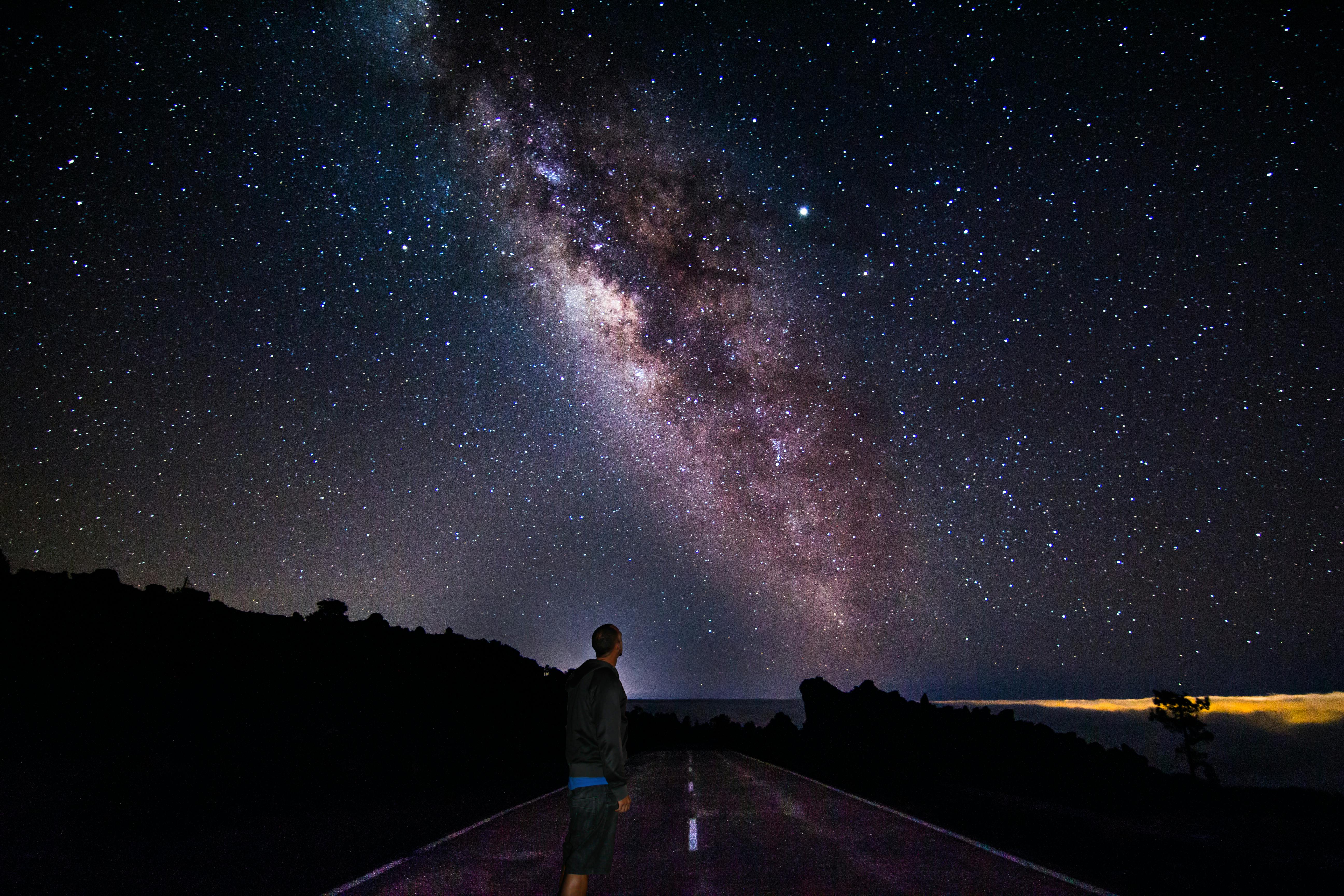
Evening: If skies are clear, consider staying until dusk for a bit of roadside stargazing—the Milky Way is often vivid above the clouds. Back in town, keep dinner light with tapas and local Listán Negro wine.
Day 5: La Laguna UNESCO + Anaga Laurel Forest
Morning: Take the tram (~40 minutes) to San Cristóbal de La Laguna, a Renaissance grid city whose urban plan inspired Spanish colonial towns. Visit the cathedral, stroll pastel palaces along Calle Obispo Rey Redondo, and people-watch in Plaza del Adelantado. Coffee and toast with tomato at Tasca La Rebotica or grab a torta at a traditional café.
Afternoon: Bus or drive 30–45 minutes into Anaga Rural Park. Start with the Sendero de los Sentidos at Cruz del Carmen (short, child-friendly loops through Laurisilva), or drive to Taganana for cliff-and-ocean drama. Advanced hikers can tackle trails down to Benijo beach (black sand, strong surf—no lifeguards).
Evening: Dine with sea views at Restaurante Casa África (Taganana)—try vieja (parrotfish), squid, and papas arrugadas. Return to Santa Cruz via mountain switchbacks; go slow and watch for fog.
Day 6: North Coast Flair—La Orotava, Puerto de la Cruz, and Lago Martiánez
Morning: Drive ~40 minutes to La Orotava, famed for wooden balconies and Corpus Christi sand tapestries. Tour Casa de los Balcones and peek into peaceful patios.
Afternoon: Continue 10 minutes to Puerto de la Cruz. Swim at Lago Martiánez, César Manrique’s lake-and-pools complex sculpted from lava and wind, or visit the lush Jardín Botánico (18th-century acclimatization garden). Lunch at Mesón Los Gemelos (hearty Canarian plates, huge portions) or seaside fish at the old harbor.
Evening: Return to Santa Cruz. For something different, book a wine-focused dinner: grilled cherne (wreckfish), wrinkled potatoes, and a glass of volcanic Malvasía. Nightcap stroll through García Sanabria Park’s illuminated paths.
Day 7: Cliffs and Cetaceans—Los Gigantes and Farewell Santa Cruz
Morning: Drive ~1 hour to Los Gigantes, where 600-meter cliffs drop into cobalt sea. Join a 2–3 hour whale-and-dolphin boat (pilot whales are resident year-round; tours typically €30–60). Calm mornings mean smoother seas.
Afternoon: Lunch at the Cofradía de Pescadores de Puerto de Santiago (grilled sardines, limpets, and mojo). Optional detour to the Masca viewpoints for a jaw-dropping valley panorama before returning east.
Evening: Back in Santa Cruz for a lingering final dinner—repeat your favorite or try Bodeguita Canaria for a last spread of local cheeses, escaldón de gofio, and Bienmesabe for dessert. Pack up, savor a late barraquito, and toast the trade winds.
Practical bites and coffee favorites
- Breakfast/coffee: 100% Pan y Pastelería (reliable across town), cafés around Plaza Weyler, and bar kiosks inside the Mercado for quick cortados.
- Lunch ideas: Mercado stalls; El Puntero for fresh fish; beach chiringuitos at Las Teresitas; Casa África in Taganana.
- Dinner picks: La Hierbita (traditional), Taberna Ramón (meats and prawns), Bodeguita Canaria (classic recipes). Reserve on weekends.
- Local sips: Volcanic whites (Listán Blanco, Malvasía), light reds (Listán Negro), honey rum as a digestif.
Optional add-on inspiration: Madeira hikes (for a future Atlantic twin-island trip)
Many travelers pair Tenerife with a short hop to Madeira (Portugal). If this speaks to you, bookmark these highly rated hiking experiences for a longer trip down the line:
- Majestic West Tour and Fanal Forest — Misty laurel forest, coastal cliffs, and photogenic viewpoints in western Madeira.

Majestic West Tour and Fanal Forest on Viator - Ponta de São Lourenço (PR 8) - Hiking Tour in Madeira — A dramatic peninsula of volcanic rock and Atlantic views on Madeira’s east end.

Ponta de São Lourenço (PR 8) - Hiking Tour in Madeira on Viator - Sunrise in Areeiro Peak — Watch the sun ignite a sea of clouds from Madeira’s high ridges.

Sunrise in Areeiro Peak on Viator
Departure day tip: Aim for an afternoon flight so you can squeeze in a market breakfast and a last stroll along the waterfront. From TFN, you’re 15–20 minutes to the terminal; from TFS, leave 1–1.5 hours. To search or adjust flights, compare on Omio flights (within Europe) or Kiwi.com/Trip.com flights for long-haul.
Seven days in Santa Cruz de Tenerife give you the island’s full spectrum: a cultured capital, rainforest trails, lunar volcano vistas, and two oceans in one glance. With thoughtful pacing and a few well-chosen meals, you’ll leave with salt on your skin, volcanic dust on your boots, and a new favorite corner of Spain.