
7 Days in San Remo and Genoa: A Riviera di Ponente Itinerary with Beaches, Old Town Lanes, and Ligurian Food
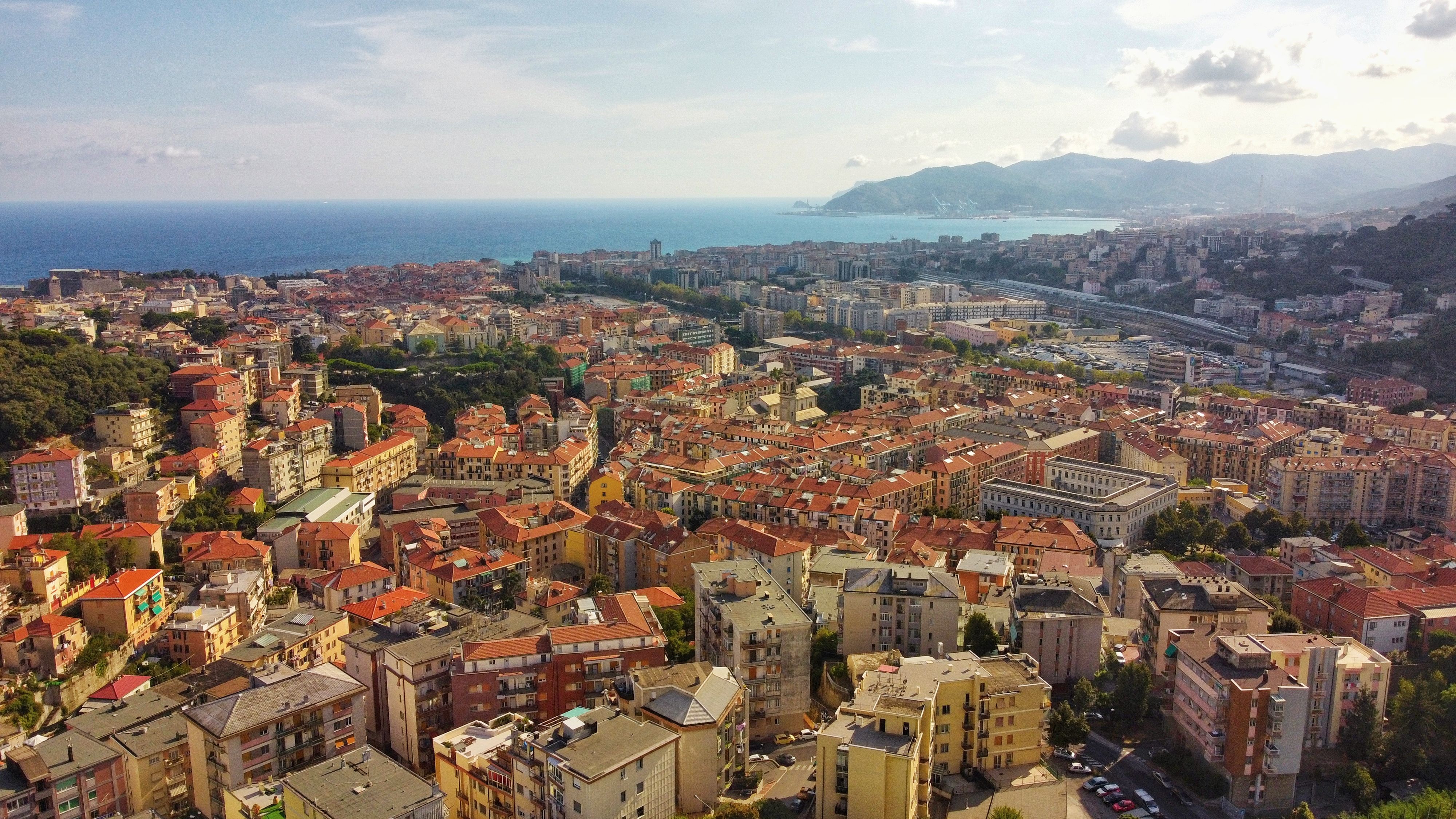
Liguria is one of Italy’s great strips of drama: mountains dropping into the sea, old ports turned promenades, and villages that seem to have learned the color of sunset. San Remo, the grand old resort town of the Riviera dei Fiori, grew famous in the 19th century when aristocrats from across Europe came for mild winters, gardens, and sea air.
Today, San Remo still carries that faded-gilded glamour well. You’ll find Liberty-style villas, the onion-domed Russian Orthodox church, the famous Ariston Theatre of the Italian Song Festival, and one of the loveliest cycling promenades in Liguria along the old coastal railway line.
Practical notes: this is an easy trip for travelers who enjoy scenic train rides, long lunches, and unhurried exploration. Ligurian cuisine is a highlight—expect focaccia, pesto, farinata, taggiasca olives, seafood, and excellent local wines—and comfortable walking shoes are essential because even elegant seaside towns here tend to tilt upward into steep lanes and stairways.
San Remo
San Remo is not merely a beach town. It is a curious, handsome blend of palm-lined boulevards, belle-époque hotels, casino grandeur, serious cycling infrastructure, and a medieval old quarter called La Pigna that rises in a tangle behind the modern center.
This is a rewarding base for a 7-day Liguria itinerary because it balances relaxation with range. From here, you can easily reach Bordighera, Dolceacqua, Ventimiglia, Bussana Vecchia, and even the French borderlands, all while returning each evening to the sea and the lights of the promenade.
Where to stay: Browse apartments and holiday homes on VRBO San Remo, or compare centrally located hotels on Hotels.com San Remo.
Getting there: For flights into the region, search European routes via Omio flights. Many travelers arrive through Nice, Genoa, or Milan, then continue by rail; for trains into San Remo, use Omio trains. Nice Airport to San Remo usually takes about 1.5 to 2.5 hours depending on transfers, while Genoa to San Remo by train is commonly around 2 to 2.5 hours.
Local flavor to look for: morning cappuccino with warm focaccia, aperitivo near the marina, sardenaira (the local ancestor of pizza topped with tomato, olives, anchovies, and garlic), and taggiasca olives in everything from salads to braised rabbit dishes.
Local gems: Corso Imperatrice for sea views, the old Porto Vecchio area for evening atmosphere, the cycling path toward Arma di Taggia or Ospedaletti, Villa Nobel for a quieter cultural stop, and the flower market heritage that still shapes the town’s identity.
Day 1 - Arrival in San Remo
Morning: Travel day. If you are arriving by air into the wider Liguria or Côte d’Azur region, compare connections on Omio flights and onward rail options on Omio trains.
Afternoon: Arrive in San Remo, check into your accommodation, and keep the first hours gentle. Start with a walk along Corso Imperatrice and the seafront, where palms, gardens, and grand hotels still recall the town’s golden age as a winter resort for European high society.
Afternoon: Pause for coffee and something sweet at Caffè Europa if you want a classic central option, or choose a bar along Via Matteotti for people-watching. Via Matteotti is San Remo’s social spine, lined with shops, cafés, and the easy rhythm of a town that knows how to stroll.
Evening: For dinner, book a table at Ristorante Flipper, well regarded for seafood and a polished but unfussy Riviera style, or try La Giada for a dependable first-night meal with Ligurian and Italian staples. Afterward, walk to the Casino di Sanremo exterior and surrounding streets; even if you do not gamble, the building is one of the city’s defining Liberty-era landmarks.
Day 2 - La Pigna, markets, and the classic San Remo waterfront
Morning: Begin with breakfast at Focacceria Milese, a local favorite for Ligurian focaccia, pizza by the slice, and quick savory bites. Then climb into La Pigna, San Remo’s medieval quarter, where stone archways, tiny shrines, vaulted passages, and steep staircases reveal the older town hidden behind the resort façade.
Morning: Make your way toward the Sanctuary of Madonna della Costa. The church crowns the upper old town and gives you one of the best over-the-rooftops views in San Remo, especially rewarding in the softer morning light.
Afternoon: Head back down for lunch at Ristorante da Moschino near Porto Vecchio, known for seafood and an appealing harbor atmosphere. Order anchovies, mussels, or a simple pasta with clams if available; in Liguria, restraint on the plate often signals confidence rather than lack of imagination.
Afternoon: Spend the rest of the day around the marina, Villa Comunale gardens, and the waterfront. If you enjoy local life more than monuments, browse produce shops and food stores for olive oil, pesto, and regional preserves.
Evening: Take aperitivo near the port, then dine at B.Bros & Co. if you want a more contemporary dinner setting, or keep it traditional with another Ligurian seafood meal in the center. End with a slow passeggiata along the lit promenade, one of the simplest pleasures of any San Remo travel guide.
Day 3 - Cycling the Riviera and a relaxed beach day
Morning: Have breakfast and coffee near the seafront, then rent bikes and ride part of the Pista Ciclabile del Ponente Ligure, the scenic coastal cycle path built on a disused railway line. This is one of the best activities in San Remo: largely flat, sea-facing, and dotted with beach clubs, cafés, and spots to stop for photographs.
Morning: Ride west toward Ospedaletti for belle-époque traces and open views, or east toward Arma di Taggia if you want a longer outing. The beauty of this route is that it feels active without being punishing, making it suitable for travelers who want scenery more than sport.
Afternoon: Stop for lunch at a beachside establishment or return to town for a light meal of farinata, salad, and local white wine. Spend the afternoon at one of San Remo’s beaches or bathing establishments; the town’s shoreline is more about relaxed sun-and-sea ease than dramatic wilderness.
Evening: For dinner, seek out a menu featuring sardenaira or rabbit with olives, both deeply rooted in western Ligurian cooking. If you want a more atmospheric night walk, circle Porto Sole marina, where the boats and reflections create a very different mood from the medieval lanes of La Pigna.
Day 4 - Day trip to Dolceacqua and Bordighera
Morning: Take a morning regional train or bus connection toward Bordighera, or route first toward Ventimiglia and continue inland to Dolceacqua. Search rail options on Omio trains and bus options on Omio buses; travel times vary, but San Remo to Bordighera is roughly 15 minutes by train, while reaching Dolceacqua generally takes around 45 to 75 minutes with a connection.
Morning: If you start in Dolceacqua, you’ll be rewarded with one of inland Liguria’s most evocative scenes: a medieval stone bridge leading to a hill village watched over by the Doria Castle ruins. Claude Monet painted it, and once you see the layered houses and dramatic arches, the reason becomes obvious.
Afternoon: Lunch in Dolceacqua on local specialties and, if possible, a glass of Rossese di Dolceacqua, the area’s notable red wine. Then continue to Bordighera, a refined seaside town beloved by artists and winter visitors, for a promenade walk and a quieter, more residential Riviera atmosphere than San Remo.
Evening: Return to San Remo for dinner. If energy allows, choose a restaurant with outdoor seating and order pesto trofie or pansotti with walnut sauce, two dishes that explain Ligurian cooking better than any brochure could.
Day 5 - Bussana Vecchia, Villa Nobel, and San Remo culture
Morning: Start with coffee and pastry, then head to Bussana Vecchia, the hilltop artists’ village east of San Remo. Rebuilt informally by artists after the old settlement was abandoned following an 1887 earthquake, it remains one of the most unusual excursions in the area: part ruin, part creative enclave, part open-air labyrinth.
Morning: Wander its stone lanes slowly. Small studios, craft shops, and improvised corners give it a very different feel from polished resort Liguria; it is atmospheric rather than museum-perfect, which is exactly why many travelers remember it so vividly.
Afternoon: Return to San Remo for lunch, then visit Villa Nobel, where Alfred Nobel spent his final years. The villa adds an intellectual footnote to the city’s story and gives welcome depth beyond beaches and belle époque nostalgia.
Afternoon: If you prefer leisure to museums, swap Villa Nobel for a longer café stop and shopping session along Via Matteotti. Look for local food gifts rather than generic souvenirs—olive oil, pesto, and sweets travel better and say more about the place.
Evening: Dine in the old town or near the harbor. If you enjoy a pre-dinner drink, order a spritz or local wine and watch how Italian evening life unfolds in stages: children out late, older couples walking arm in arm, and tables filling gradually rather than all at once.
Day 6 - Transfer to Genoa
Morning: Depart San Remo for Genoa by train. Search schedules on Omio trains; the journey is typically about 2 to 2.5 hours and is one of the prettiest rail rides in northwest Italy, with sea views, tunnels, and glimpses of Riviera towns sliding by.
Afternoon: After checking in, begin with Genoa’s Centro Storico, one of Europe’s largest medieval old towns. The city feels different from San Remo immediately—denser, grander, and more maritime, with dark-slate facades, noble palaces, hidden courtyards, and caruggi, the famously narrow lanes that twist toward the old port.
Afternoon: Stop for lunch at a traditional focaccia bakery or casual trattoria. In Genoa, even a simple square of focaccia eaten warm and slightly oily can be a culinary event; locals often dip plain focaccia into cappuccino at breakfast, a custom that surprises visitors and makes perfect sense once tasted.
Evening: Spend the evening at the Porto Antico, redesigned by Renzo Piano and now one of the city’s most pleasant public spaces. For dinner, seek out pesto alla genovese, pansotti in walnut sauce, or fresh seafood, then enjoy the harbor lights and the tougher, more storied beauty of Liguria’s historic capital.
Genoa
Genoa is one of Italy’s least superficial great cities. It was once a maritime republic powerful enough to rival Venice, and traces of that mercantile confidence remain in its palaces, churches, and labyrinthine streets that feel made for secrets, bankers, sailors, and poets in equal measure.
For this itinerary, Genoa works beautifully as a closing chapter. After the gentler tempo of San Remo and the Riviera dei Fiori, Genoa offers scale, history, and appetite: monumental palazzi on the Strade Nuove, one of Europe’s great aquariums, and serious food culture rooted in the port and the hills beyond it.
Where to stay: Compare apartments and holiday homes on VRBO Genoa, or browse central hotels on Hotels.com Genoa.
Activity idea: Although the supplied Viator inventory is broader Italy rather than Liguria-specific, travelers continuing onward in Italy may enjoy this classic northern Italy experience from Venice: Murano & Burano Islands Guided Small-Group Tour by Private Boat.

Another onward-travel option for Italy lovers: SMALL-GROUP Wine Safari: Tuscany Wine Tasting Tour from Florence.

Day 7 - Genoa highlights and departure
Morning: Begin with breakfast at a historic café or bakery and then walk the Via Garibaldi area, where Renaissance and Baroque palaces display the wealth of old Genoese families. If time allows, peek into one of the Palazzi dei Rolli sites; these residences once hosted distinguished visitors to the republic under an official civic hospitality system, a detail as elegant as it is revealing.
Morning: If you prefer maritime energy to aristocratic art, substitute the palaces for more time around the Porto Antico and the surrounding old town lanes. Genoa rewards wandering, but do it attentively: a quiet shrine, a laundry line overhead, or a tiny shop selling farinata can become the detail you remember most.
Afternoon: Enjoy an early lunch before departure—focaccia di Recco if you find it, classic Genovese focaccia, or a plate of trenette al pesto. Then collect your bags and head to the station or airport; for onward European rail or flight planning, use Omio trains and Omio flights.
This 7-day San Remo and Genoa itinerary offers a satisfying portrait of western Liguria: resort elegance, medieval hill villages, sea air, and one of Italy’s most characterful port cities. It is a trip built less on rushing between landmarks than on learning the region’s cadence—coffee, promenades, old stones, and meals that make you wonder why Liguria is still underrated.