
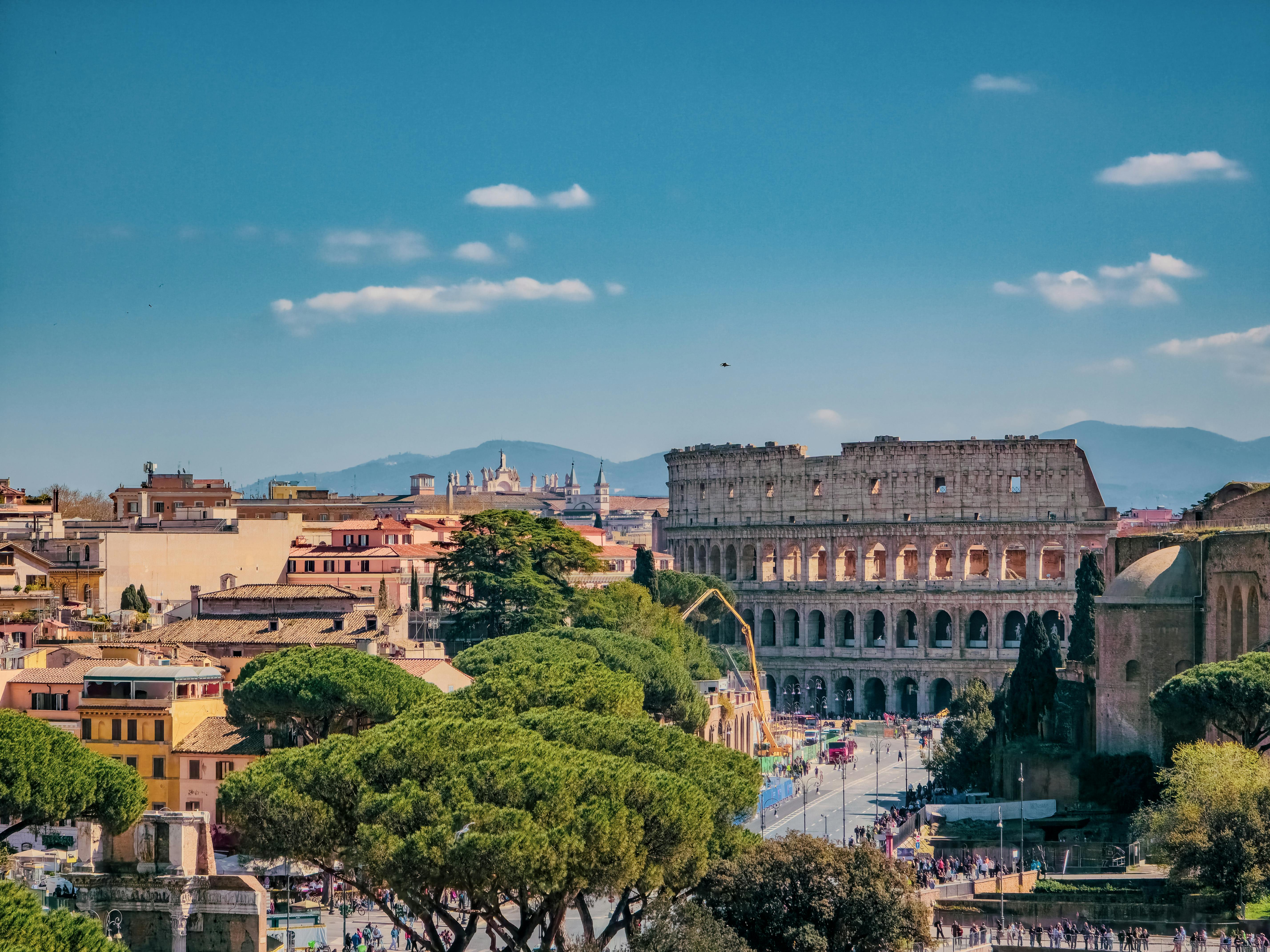
Rome and the Amalfi Coast make a brilliant 7-day Italy itinerary because they show two different Italian masterpieces in one trip. In Rome, nearly every street corner carries a layer of history: imperial forums, Renaissance palaces, Baroque fountains, and churches filled with astonishing art. On the Amalfi Coast, the mood shifts from marble and myth to sea light, tiled domes, terraced lemon groves, and villages clinging impossibly to the cliffs.
Rome began as the capital of a republic, became the center of an empire, and later the seat of the papacy, so its monuments span more than two millennia. The Amalfi Coast, by contrast, rose to prominence through maritime trade, and towns like Amalfi were once powerful seafaring republics. One of the great pleasures of combining them is the contrast: one day you are standing on the Colosseum arena floor, and a few days later you are watching fishing boats drift beneath pastel houses in Positano.
Practically, this route works well for a week, though it rewards early starts and pre-booked transport, especially between Rome and Campania. March through early June and September through October are particularly appealing for this Rome and Amalfi Coast trip, with milder weather and fewer crowds than peak summer; in high season, ferries and restaurants should be reserved ahead. Bring comfortable walking shoes for cobblestones and stairways, carry some cash for smaller cafés, and arrive hungry: this is a journey of cacio e pepe, suppli, sfogliatella, anchovies from Cetara, local mozzarella, and lemon desserts scented with the coast’s famous citrus.
Rome
Rome is not a museum frozen in amber; it is a noisy, elegant, gloriously lived-in capital where ancient stones share the street with Vespas, corner bars, and neighborhood markets. The city’s great miracle is that the famous sights truly are magnificent, yet some of the best moments come between them: an espresso taken standing at the counter, a sunset from the Pincian Hill, or a late dinner in Trastevere while church bells sound overhead.
For first-time visitors, the essentials are the Colosseum, Roman Forum, Pantheon, Trevi Fountain, Piazza Navona, and Vatican City. But Rome is also a city of texture: orange-colored facades in the evening light, laundry above narrow lanes, and trattorias that have been perfecting Roman pasta for generations. It rewards both planning and wandering, which is why the first half of this itinerary balances major monuments with room to breathe.
Where to stay in Rome: For a polished central base, consider Hotel Eden, Dorchester Collection or Hotel de Russie, a Rocco Forte Hotel. For character and a location that feels more residential, Hotel Santa Maria in Trastevere is a lovely pick, while Kolbe Hotel Rome is well placed for ancient Rome. You can also browse wider options on VRBO Rome and Hotels.com Rome.
Getting to Rome: For flights into Europe, compare schedules on Omio flights. If you are arriving from elsewhere in Italy or Europe by rail, check Omio trains. From Fiumicino Airport to central Rome, the Leonardo Express takes about 32 minutes to Termini, while taxis to the historic center are usually around a fixed airport-city fare.
Viator experiences worth considering in Rome:
- Colosseum Arena Floor, Roman Forum and Palatine Hill Guided Tour — ideal if you want context and a stronger sense of the scale of ancient Rome.
- Vatican Museums, Sistine Chapel & St Peter’s Basilica Guided Tour — a smart choice because Vatican logistics are much easier with timed, guided entry.
- Winner 2025 Rome Twilight Trastevere Food Tour by Eating Europe — excellent for travelers who want a delicious introduction to Roman street food, wine, and neighborhood history.
- Rome 3H Private Golf Cart Tour with Pick Up and Drop Off Included — particularly useful on arrival day or if you want a broad city overview without exhausting yourself.


Day 1 - Arrive in Rome
Morning: This is your travel morning, so keep the schedule light and focus on arrival logistics. If your flight lands at Fiumicino, take the airport train or taxi into the center and check into your hotel; if rooms are not ready, leave your bags and bring only essentials for a gentle first walk.
Afternoon: Since arrival is assumed in the afternoon, begin with an easy introduction to the historic center: Piazza Navona, the Pantheon exterior, and the Trevi Fountain form a classic first loop. Stop for coffee at Sant'Eustachio Il Caffè, famous for its richly crema-topped espresso, or at Tazza d'Oro near the Pantheon, another Roman institution where locals still crowd the counter.
Evening: For dinner, head to Roscioli Salumeria con Cucina for a superb Roman meal built around top-tier ingredients; the carbonara and cured meats are especially notable, and the wine list is formidable. If you want something more old-school, Armando al Pantheon remains one of the most reliable addresses for amatriciana and coda alla vaccinara. End with a stroll to Piazza di Spagna or the Trevi Fountain after dark, when the crowds thin and the city feels cinematic.
Day 2 - Ancient Rome: Colosseum, Forum, and Monti
Morning: Start early in ancient Rome with the Colosseum Arena Floor, Roman Forum and Palatine Hill Guided Tour. This is one of the best ways to understand the city’s imperial core, because the guide helps turn broken columns and archaeological layers into a coherent story of emperors, ceremonies, politics, and spectacle.
Afternoon: Have lunch in Monti, the neighborhood just uphill from the Colosseum. La Taverna dei Fori Imperiali is a dependable favorite for Roman classics and family-run warmth, while Ai Tre Scalini is a pleasant option for a lighter lunch with wine and small plates. Afterward, browse Monti’s lanes, small shops, and vintage boutiques, then walk up to the Basilica di San Pietro in Vincoli to see Michelangelo’s Moses.
Evening: Stay in Monti for an aperitivo or move toward the Capitoline Hill for twilight views over the Forum. For dinner, try Urbana 47 for a more contemporary menu rooted in regional ingredients, or Trattoria Al Tettarello near Piazza Navona if you want a second helping of robust Roman cooking. If energy allows, finish with gelato from Fatamorgana or a night walk along Via dei Fori Imperiali.
Day 3 - Vatican City and Trastevere
Morning: Dedicate the morning to the Vatican with the Vatican Museums, Sistine Chapel & St Peter’s Basilica Guided Tour. The no-wait access matters here, but the real value is interpretive: the Vatican Museums are vast, and a strong guide helps you focus on the Raphael Rooms, classical sculpture, papal collections, and Michelangelo’s Sistine ceiling without feeling overwhelmed.
Afternoon: For lunch, Bonci Pizzarium is the famous modern option for pizza al taglio with inventive toppings, though queues can be long; alternatively, Il Sorpasso near the Vatican offers excellent plates and a more leisurely atmosphere. Spend the afternoon in St. Peter’s Square and, if open and time permits, climb the dome for one of the great panoramic views of Rome. Later, cross the Tiber into Trastevere by foot.
Evening: Trastevere is ideal at night, when its ivy-draped facades and piazzas fill with life. Book the Rome Twilight Trastevere Food Tour if you want a guided evening of supplì, pasta, cured meats, and neighborhood stories. If dining independently, try Da Enzo al 29 for classic Roman dishes or SantoPalato if you are willing to taxi for a bolder, deeply traditional take on quinto quarto and Roman recipes.
Day 4 - Markets, Villa Borghese, and the road south
Morning: Enjoy a slower Roman morning before tomorrow’s transfer. Have breakfast at Barnum Café or Faro - Luminari del Caffè, both strong choices if you care about coffee rather than simply drinking it because you are in Italy. Then explore Campo de' Fiori or, for a more local feel, Mercato Testaccio, where you can sample street food and see everyday Roman life away from the monumental core.
Afternoon: Spend the afternoon at Villa Borghese and the Pincian Terrace, a fine place to pause before leaving the capital. For lunch in Testaccio, Flavio al Velavevodetto is one of the city’s standout addresses for carbonara and amatriciana, served in a district long associated with Roman working-class food culture. Return to your hotel early enough to pack and prepare for the next morning’s journey.
Evening: Keep dinner fairly relaxed and reasonably early. Cesare al Casaletto is worth the taxi ride for many travelers thanks to its serious Roman kitchen and excellent fritti, but if you want something central, Emma serves solid Roman-style pizza and a broad menu in a convenient location. Aim for a restful night because the move to the Amalfi Coast is best done early.
Amalfi Coast
The Amalfi Coast is less a single place than a sequence of dramatic scenes: terraces cut into rock, church domes tiled in majolica, steep staircases, citrus groves, and little harbors where boats rock in water of improbable color. Positano is the glamorous entrance, Amalfi the old maritime heart, and Ravello the elevated retreat of gardens and long views.
For a 7-day itinerary, it is smartest to use one base on the coast rather than changing hotels again. Positano works well for postcard beauty and restaurant variety; Amalfi is practical for ferries and buses; Praiano can be calmer and often offers better value. Since your request specifies the Amalfi Coast rather than one exact town, this itinerary treats the coast as a stay in one base with day trips and scenic movement between villages.
Where to stay on the Amalfi Coast: For iconic Positano glamour, Le Sirenuse is the grand classic. For a more moderate stay, Hotel La Pergola and Hotel Margherita are appealing options, while Hotel Poseidon is another beloved coastal address. You can also browse VRBO Amalfi Coast and Hotels.com Amalfi Coast.
Travel from Rome to the Amalfi Coast: The most logical route is a morning high-speed train from Rome to Naples on Omio trains, usually about 1 hour 10 minutes to 1 hour 20 minutes and often roughly $20-$60 depending on train type and booking window. From Naples, continue by private driver or ferry-season combination depending on your base; for road transfers, you can also consider the Private Transfer from Naples to Positano or Praiano or Viceversa. If ferries are operating for your travel dates, compare options on Omio ferries; buses can be checked on Omio buses.
Viator experiences worth considering on the Amalfi Coast:
- Amalfi Coast & Positano: Boat Tour with Snorkeling & Drinks — one of the best-value ways to understand the coastline, because the view from the water is the revelation.
- Full Day Capri Island Cruise from Praiano, Positano or Amalfi — a beautiful day if you want cliffs, grottoes, and time around Capri.
- Hands-On Cooking Class & Farmhouse Tour on the Amalfi Coast — excellent for travelers who want to do more than sightsee and understand local produce, pasta, and wine.
- Authentic Vespa Tour of Amalfi Coast : Positano & Ravello visit — a stylish, memorable option if you want scenery without the stress of driving yourself.


Day 5 - Rome to the Amalfi Coast
Morning: Depart Rome in the morning for Naples by high-speed train using Omio trains. The rail segment is quick, but the onward transfer to the coast usually brings total travel time to around 3.5 to 5 hours depending on your final town and traffic; budget roughly $20-$60 for the train, then substantially more for a private driver if you choose comfort over connections.
Afternoon: After arriving on the coast and checking in, keep the first afternoon simple. If based in Positano, walk down to Spiaggia Grande and the church of Santa Maria Assunta with its famous tiled dome; if based in Amalfi, wander the Duomo steps and the lanes around Piazza del Duomo. For lunch or a late snack, in Positano try Da Ferdinando for a beachside casual meal or Casa e Bottega for fresher, lighter plates; in Amalfi, stop at Andrea Pansa, one of the coast’s historic pastry institutions, for coffee and a pastry.
Evening: Make your first coastal dinner memorable but not too ambitious. In Positano, Chez Black is a classic for seafood with harbor views, while La Tagliata above town offers rustic abundance and spectacular scenery. In Amalfi, Marina Grande is a strong seafood address, and Da Gemma remains a respected name for polished local cuisine. Order something touched by lemon, anchovy, or local catch, because these flavors belong to the coast as much as the views do.
Day 6 - Amalfi Coast by sea
Morning: Begin with a proper coastal breakfast: espresso, fresh juice, and a cornetto or local pastry. Then spend the day on the water with the Amalfi Coast & Positano: Boat Tour with Snorkeling & Drinks or the Small Group Amalfi Coast Boat Day Tour from Amalfi. This is the day to understand why the coastline became legendary: from the sea, the villages look almost theatrical, stacked above coves and hidden beaches.
Afternoon: Continue your boat day, with stops for swimming, snorkeling, and glimpses of grottoes and fishing hamlets. If your excursion includes free time ashore, use it to browse Amalfi or Positano for ceramics, linen, or lemon products rather than rushing to see everything. A light lunch by the water is ideal; many travelers enjoy a plate of grilled fish, caprese salad, or spaghetti alle vongole after a morning in the sun.
Evening: Keep the evening relaxed after a sea day. In Positano, Buca di Bacco is a reliable choice for seafood and pasta in the heart of town, while in Amalfi, L'Abside offers a pleasant central setting for regional dishes. If you still have energy, linger over a limoncello or a scoop of lemon sorbet and enjoy the fact that once the day-trippers leave, the coast regains a quieter rhythm.
Day 7 - Ravello or a cooking experience, then departure
Morning: Since departure is in the afternoon, choose one final half-day experience close to your base. If timing allows, visit Ravello for Villa Rufolo and Villa Cimbrone gardens, where terraces open onto one of Italy’s most celebrated panoramas. If you prefer a more hands-on farewell, the Hands-On Cooking Class & Farmhouse Tour on the Amalfi Coast is excellent, though it works best only if your departure timing is not rushed.
Afternoon: Have an early lunch before setting off for your onward journey. In Amalfi, a final pastry stop at Pansa is an elegant send-off; in Positano, Franco’s Bar is better known for aperitivo than lunch, so for food consider a simple last meal at a café near the beach before your transfer. Build in generous buffer time, because road conditions on the Amalfi Coast can be slow and unpredictable, especially from late spring onward.
Evening: This is your travel evening or arrival at your next destination. If you have a little time before leaving the coast, take one last look at the water and terraces; it is the sort of landscape that lingers in the mind long after the trip ends.
This Rome and Amalfi Coast itinerary brings together the monumental and the intimate: gladiators and popes, cliff roads and fishing boats, market lunches and unforgettable dinners. In one week, you will see ancient Rome, Vatican treasures, and some of southern Italy’s most celebrated coastal scenery, while still leaving room for the real pleasures of travel — slow walks, strong coffee, and meals worth remembering.