
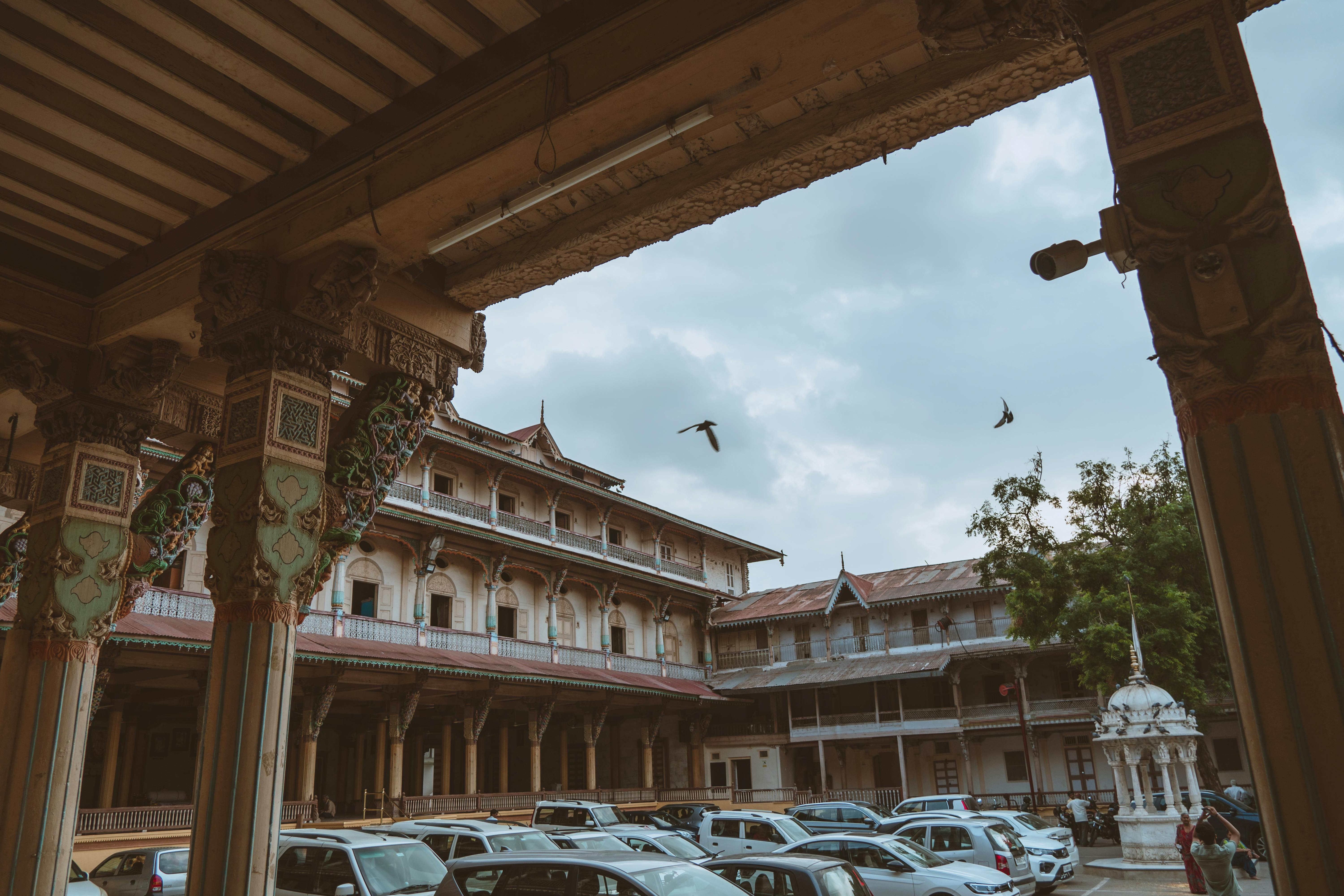
Western Gujarat has a way of surprising first-time visitors. Rajkot, once a princely center of Saurashtra, carries traces of colonial-era schools, Gandhi’s early life, and the entrepreneurial energy that defines modern Gujarat. A week here works especially well when paired with Dwarka, one of Hinduism’s revered Char Dham pilgrimage cities, where the Arabian Sea meets temple bells and old legends.
Rajkot is not a city of showy monuments so much as one of texture. Its appeal lies in Watson Museum’s artifacts, the stately Kaba Gandhi No Delo, bustling bazaars for bandhani and silverwork, and a food scene built on robust Kathiawadi flavors—think bajra rotla, sev tameta, garlic chutney, and buttermilk that rescues you from the afternoon heat. Dwarka adds a different rhythm: ghats, evening aarti, island shrines, sea breezes, and a devotional atmosphere that shapes the town from dawn to night.
For practical planning, the best months are roughly November through March, when days are warm but generally manageable. Dress modestly for temples, remove shoes where required, carry cash for smaller shops and local eateries, and expect some traffic and crowds around religious sites—especially in Dwarka at sunset and on festival days. Vegetarian food is widely available and often excellent, while alcohol availability is restricted in Gujarat under state law.
Rajkot
Rajkot is the cultural heartbeat of inland Saurashtra, a city that rewards curiosity rather than checklist tourism. It is associated with Mahatma Gandhi’s youth, old royal institutions, and a trading spirit visible in everything from textile stores to sweet shops.
The city is also one of the best introductions to Kathiawadi cuisine, which is bolder and earthier than many travelers expect. Meals here often arrive as generous thalis with smoky rotlas, ringna no oro, jaggery, khichdi, and intensely spiced vegetable dishes that tell you more about the region than any museum label.
For where to stay, start with VRBO stays in Rajkot if you want an apartment or family-sized rental, or browse Hotels.com options in Rajkot for business hotels and centrally located properties. For arrival travel planning, compare flights into Rajkot or nearby airports through Trip.com flights or Kiwi.com flights.
Day 1 - Arrive in Rajkot
Morning: This is your travel day, so keep the morning focused on arrival logistics. If you are flying in via Rajkot International Airport at Hirasar, expect roughly 45-60 minutes by car into the city center depending on traffic; pre-booked taxis are the easiest option.
Afternoon: After check-in and a short rest, begin gently at Race Course Grounds, one of Rajkot’s most beloved public spaces. It is less a formal monument than a local institution—walkers, snack sellers, families, and joggers all gather here—and it gives you an immediate feel for the city’s everyday pulse.
Stop for coffee or an early snack at a well-regarded café such as Tea Post or a polished local coffee shop in the Kalawad Road area, where you can ease into the trip with masala tea, sandwiches, and light bites. If you arrive hungry, order something familiar first, then graduate to regional dishes at dinner.
Evening: For your first dinner, head to The Grand Thakar for a classic Gujarati thali. This is a strong opening-night choice because it gives you a broad survey of local flavors in one sitting—multiple vegetable preparations, farsan, dal, kadhi, rotli, sweets, rice, and endless refills served with practiced generosity.
If you want a more Saurashtra-specific meal, consider Kathiyawadi restaurants around Kalawad Road where bajra rotla, sev tameta, lasaniya bataka, and ringna no oro appear in their proper rustic form. Keep the night easy and turn in early; Rajkot rewards an early start.
Day 2 - Gandhi heritage, museum collections, and old-city flavors
Morning: Start at Kaba Gandhi No Delo, the house where Mahatma Gandhi spent part of his childhood. It is not vast, but that is part of its strength: the rooms, photographs, and interpretive displays create a more intimate sense of Gandhi’s formative years than a grand memorial could.
For breakfast before or after, choose a local spot for fafda-jalebi, khaman, or poha. Rajkot mornings often begin with savory snacks and tea rather than elaborate Western breakfasts, and joining that rhythm is one of the simplest ways to feel rooted in place.
Afternoon: Continue to the Watson Museum in Jubilee Garden, one of Rajkot’s essential cultural stops. Its collection includes artifacts from the region’s princely past, colonial-era materials, sculptures, textiles, and objects that help make sense of Saurashtra’s layered identity.
Have lunch at a dependable Gujarati or North Indian restaurant nearby, or seek out a local favorite serving thali and light meals so you can keep sightseeing comfortably. After lunch, stroll through Jubilee Garden and nearby market streets, where you can browse everyday commerce rather than souvenir theater.
Evening: Spend the evening in the old market areas looking for bandhani textiles, silver jewelry, traditional footwear, and snacks. Rajkot is known for trade and craftsmanship, and even casual browsing can turn up beautifully dyed fabrics and practical gifts.
For dinner, try a respected Kathiawadi restaurant and order deliberately: bajra rotla with white butter, sev tameta, ringan no olo, khichdi, and chaas. Kathiawadi food is recommended here not only because it is local, but because Rajkot is one of the best urban settings in Gujarat to taste it with consistency.
Day 3 - Temples, local neighborhoods, and an evening food circuit
Morning: Begin at Rotary Dolls Museum, a quirky and genuinely memorable stop with dolls from many countries. It may sound modest on paper, but the museum is unexpectedly engaging and offers a lighter counterpoint to Rajkot’s more historical sites.
Afterward, visit ISKCON Rajkot or another local temple depending on your interests. ISKCON’s calm, clean setting and devotional music make it a peaceful morning break, especially if you want a spiritual stop without the intensity of a major pilgrimage site.
Afternoon: Lunch can be at a polished vegetarian restaurant where you can sample paneer dishes, Gujarati farsan, and fresh breads in an air-conditioned setting before the day’s warmest hours. Then head to Lalpari Lake or a quieter local green space for a slower afternoon, particularly if you enjoy birdwatching in season.
If you prefer more heritage over leisure, use this slot for additional shopping or a visit to local artisan and textile districts. Rajkot is especially good for visitors who like seeing how a living commercial city functions beyond its headline attractions.
Evening: Dedicate tonight to Rajkot’s snack culture. Seek out spots known for dabeli, pav bhaji, sandwiches, gathiya, and kulfi; ask locals where they go rather than where tourists are sent, because the best evening bites are often humble and crowded.
End with sweets from a respected local mithai shop. Gujarati sweet-making is not merely dessert here—it is part of the social language of the city, and taking home a box of peda or dry-fruit sweets is practically civic participation.
Day 4 - Day trip options from Rajkot or a deeper city day
Morning: Today works well as a flexible excursion day. If you enjoy spirituality and architecture, consider a half-day outing by car to a prominent temple complex in the greater Rajkot area, or remain in the city for a slower pace with breakfast at a café and a second pass through neighborhoods you liked best.
A café breakfast of South Indian dishes, masala omelets where available, or toast and coffee can be a pleasant break from richer fare. Rajkot’s newer dining corridors offer a useful contrast to the city’s older institutions.
Afternoon: If you stay in town, use the afternoon for targeted shopping: bandhani dupattas, embroidered textiles, brassware, or packaged snacks for the road to Dwarka tomorrow. Another good option is a leisurely lunch at a thali restaurant you missed earlier; in Rajkot, repeat meals are often justified because regional menus vary house by house.
If you prefer a structured cultural afternoon, return to a museum or visit a local library or civic landmark to understand the city beyond tourism. Rajkot often reveals itself in fragments, and a second look usually improves the first impression.
Evening: Have an earlier dinner tonight in preparation for your transfer day. Choose something satisfying but not too heavy—perhaps a vegetarian Punjabi-Gujarati restaurant with dal fry, tandoori roti, and a regional sabzi, or a final Kathiawadi meal if you are already devoted to the cuisine.
Pack tonight and keep cash, temple-appropriate clothing, sunscreen, and water accessible for the road. Dwarka has a very different tempo from Rajkot, and it is worth arriving organized.
Dwarka
Dwarka is one of India’s great sacred cities, tied in Hindu tradition to Lord Krishna and counted among the Char Dham pilgrimage sites. Yet even travelers who come for history, architecture, or coastal atmosphere rather than devotion often find the town compelling.
The appeal lies in contrasts: wind over the Arabian Sea, priests reciting at ghats, pilgrims moving through narrow lanes, and a skyline anchored by the tall shikhara of Dwarkadhish Temple. It feels older than its streets, as if mythology has settled into the stonework and never left.
For accommodation, browse VRBO stays in Dwarka for apartments and vacation rentals, or compare Hotels.com options in Dwarka for temple-area hotels and seaside stays. For travel between Rajkot and Dwarka, check Trip.com trains; the rail journey usually takes about 4.5 to 6.5 hours depending on service, while a private car typically takes around 4.5 to 5.5 hours. Costs can range from roughly $3-12 for standard train classes or about $55-95 for a private taxi, depending on vehicle type and season.
Day 5 - Travel from Rajkot to Dwarka and first temple evening
Morning: Depart Rajkot in the morning for Dwarka by train or private car. A car offers the most flexibility and hotel-to-hotel convenience, while the train is economical and gives a more local travel experience across the Saurashtra landscape.
Afternoon: Arrive, check in, and have a simple vegetarian lunch near your hotel—look for a clean local restaurant serving Gujarati thali, Punjabi staples, or South Indian dishes. In pilgrimage towns, lunches are often straightforward, but that simplicity can be part of the appeal.
After resting, make your first visit to Dwarkadhish Temple. This is the city’s spiritual and architectural center, with its soaring multi-storey shikhara, carved stone surfaces, and constant stream of worshippers giving the complex a sense of purpose rather than pageantry.
Evening: Stay for the evening aarti if timing allows. Even for non-devotional travelers, the soundscape of bells, chanting, lamps, and conch shells creates one of the most atmospheric experiences in Gujarat.
For dinner, choose a reliable vegetarian restaurant near the temple precinct and order a lighter meal—roti, dal, vegetable curry, and lassi are ideal after the journey. Take a short post-dinner walk toward the Gomti Ghat area, where the sea breeze and temple silhouette make for a memorable first night.
Day 6 - Gomti Ghat, Bet Dwarka, and sunset by the sea
Morning: Start early at Gomti Ghat, where pilgrims descend the stone steps to the water and small shrines line the river-sea edge. Early morning is the best time to see the area at its most evocative, before the heat and heavier crowds arrive.
Have breakfast nearby—look for hot tea, poha, upma, idli, or simple stuffed parathas depending on what your hotel and nearby cafés do well. Then set out for Bet Dwarka, typically reached via road transfer and boat connection, allowing extra time for queues and weather conditions.
Afternoon: Bet Dwarka is associated with Krishna lore and has the pleasing feel of an excursion rather than just another temple stop. The crossing itself is part of the experience, with sea views, birds overhead, and a gradual shift from town bustle to island rhythm.
Have lunch back in Dwarka or at a dependable stop en route, keeping expectations practical rather than gourmet. In this part of the trip, the reward is less culinary ambition than the cumulative atmosphere of coast, faith, and local movement.
Evening: Return in time for a quieter sunset stop at Dwarka Beach or another seafront viewpoint. The Arabian Sea light here can be remarkably soft, and the sight of temple flags moving above the skyline stays with many travelers long after departure.
Dinner should be a fuller meal tonight. Seek out a well-reviewed vegetarian restaurant for a Gujarati thali or North Indian dinner, and if available try local sweets afterward; even in pilgrimage towns, dessert counters often have excellent fresh preparations.
Day 7 - Rukmini Temple, final market walk, and departure
Morning: Visit Rukmini Devi Temple, a smaller but important site known for its sculptural detail and its association with a famous local legend of separation from Krishna’s main temple. It is worth seeing because it offers a more intimate architectural experience than the busier central shrine.
If time permits, add Nageshwar Jyotirlinga on the outskirts, one of the significant Shiva sites linked to the region. Start early if you plan both, as temple access, transport, and queues can affect timing.
Afternoon: Before departure, browse local shops for devotional items, shells, small textiles, and edible gifts. Then have an early lunch of thali or a simple South Indian meal, depending on what is easiest near your transport point.
For onward travel, if you are heading to a larger airport or another city in Gujarat, arrange a private transfer or rail connection in advance. Use Trip.com train search, Trip.com flights, or Kiwi.com flights as needed for the next leg.
Evening: This is your departure window, so keep the schedule light and unhurried. Leave with enough margin for station or road delays, especially during pilgrimage seasons and weekends.
This 7-day Gujarat itinerary gives you two complementary faces of Saurashtra: Rajkot’s civic history, markets, and deeply satisfying food, and Dwarka’s mythic shoreline, temple culture, and devotional energy. It is a trip built less on rushing between landmarks than on understanding how western Gujarat lives, eats, remembers, and worships.