
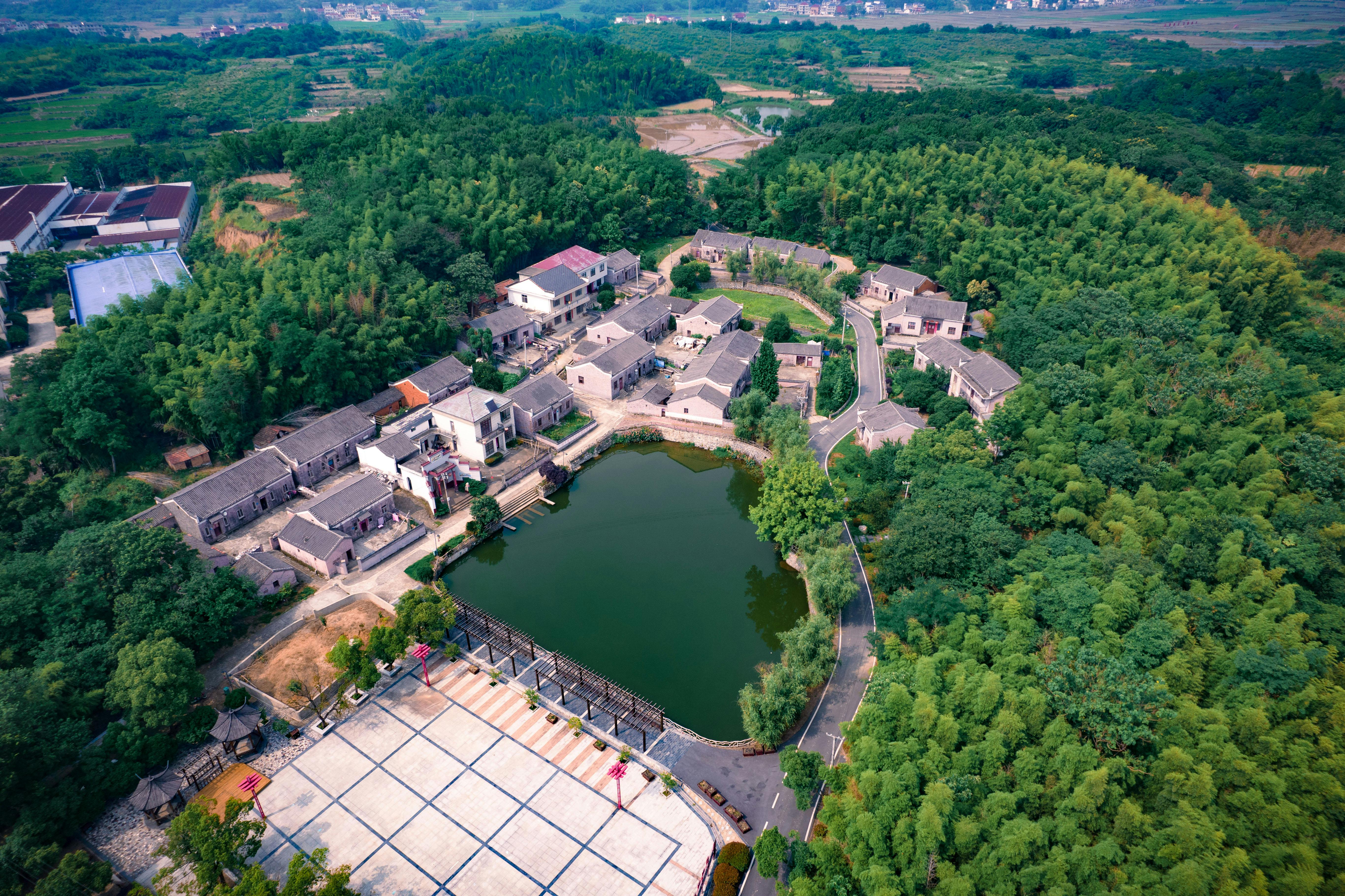
Pingxiang, in western Jiangxi near the Hunan border, is one of those Chinese cities that slips under the radar until travelers hear about Wugong Mountain. Historically, it grew through coal, ceramics, and border trade, yet today many visitors arrive for alpine meadows, temples, hot springs, and a slower local rhythm than China’s megacities.
One of Pingxiang’s great surprises is how varied a 7-day trip can feel. In a single week, you can walk historic streets in Anyuan, ride up toward misty ridgelines on Wugongshan, visit Liling just across the provincial line for famed ceramics, and still leave time for Jiangxi dishes, tea houses, and unhurried evenings.
Practically speaking, the best times to visit are spring and autumn, when hiking conditions are cooler and the mountain scenery is at its best. Bring sturdy shoes, a light rain layer, and cashless payment options that work in China; local cuisine tends toward savory, spicy, and robust, with noodles, stir-fries, river fish, and Hakka-influenced dishes appearing throughout this Pingxiang travel guide.
Pingxiang
Pingxiang is the base for most of this itinerary and the city that gives the trip its character. It is not flashy, which is exactly why it works so well: temple courtyards, local breakfast stalls, mountain gateways, and neighborhoods where daily life still feels close at hand.
The city is best known internationally for Wugong Mountain, one of southeast China’s most admired hiking destinations, famous for rolling alpine grasslands, sea-of-cloud panoramas, and a plank-road landscape that looks almost painted. Yet Pingxiang also rewards travelers who linger in the urban districts, especially Anyuan, where revolutionary history, older streets, and local eateries offer a deeper look at western Jiangxi.
For accommodations, browse VRBO stays in Pingxiang or compare centrally located options on Hotels.com for Pingxiang. Staying near Pingxiang North Railway Station is convenient for regional movement, while central Anyuan is better for food, markets, and easier evening strolls.
If you are arriving from another Chinese city, the easiest booking tools are Trip.com flights, Trip.com trains, or Kiwi.com flights. Many travelers route in via high-speed rail from Changsha or Nanchang; a Changsha-to-Pingxiang train is typically about 1-1.5 hours, while Nanchang to Pingxiang is often around 2-3 hours, with fares commonly in the roughly $10-$35 range depending on class and service.
Day 1: Arrival in Pingxiang and an Easy Introduction to Anyuan
Morning: This is your transit window. Aim for a route that gets you into Pingxiang in the afternoon; if coming by rail, morning departures from Changsha make for the smoothest arrival day and leave enough time to settle in without rushing.
Afternoon: Check into your hotel, rest briefly, then begin with a gentle walk through central Anyuan. This is the right first afternoon for orienting yourself: broad local streets, small shops, fruit sellers, and tea stalls create an immediate sense of place without demanding much energy after travel.
Afternoon: For a late lunch, look for a neighborhood eatery serving Pingxiang rice noodles or a modest stir-fry house with seasonal vegetables, tofu skin, and braised pork. In Pingxiang, these smaller local restaurants are often the best introduction because they reflect everyday Jiangxi flavors rather than polished banquet fare.
Evening: Start dinner with a local Jiangxi restaurant specializing in spicy home-style dishes: chopped chili fish head, stir-fried cured pork with peppers, clay-pot tofu, and wok-fried greens are all strong first-night choices. If spice is not your preference, ask for milder preparations and focus on braises, soups, and steamed egg dishes.
Evening: After dinner, take an unhurried stroll around a commercial square or riverside area if your hotel is nearby. Keep the first night light; a tea shop stop for green tea or a simple milk tea is enough before an early rest ahead of your mountain days.
Day 2: Anyuan History, Local Breakfast Culture, and Urban Pingxiang
Morning: Begin with a local breakfast of fresh soy milk, youtiao, steamed buns, or rice noodles from a busy neighborhood storefront. Breakfast in smaller Chinese cities is a daily ritual rather than a formality, and going early lets you see Pingxiang at its most animated.
Morning: Visit the Anyuan district’s historical sites, including areas associated with Pingxiang’s labor and revolutionary past. Even if you are not a specialist in modern Chinese history, the district matters because it connects the city’s industrial roots with the political movements that shaped the region in the 20th century.
Afternoon: Have lunch near the historical quarter at a dependable local restaurant serving stir-fried river fish, braised eggplant, lotus root, and rice. The ideal meal here is varied and shareable, giving you a chance to sample Jiangxi’s balance of salt, chili, and smoke.
Afternoon: Spend the later part of the day in a local park or older commercial streets, browsing snack shops and everyday markets. Look for sesame sweets, fresh-cut fruit, and local baked buns; these little stops often reveal more about Pingxiang than a checklist of major sights.
Evening: For dinner, seek out a Hakka-style or farmhouse-style restaurant where dishes come in clay pots and cast-iron pans. Try braised duck, stuffed tofu, pickled long beans, and a mountain vegetable dish if available; these are hearty, regionally grounded foods that suit Pingxiang’s terrain and climate.
Evening: If you still have energy, end with coffee or dessert at a contemporary café in the city center. Newer cafés in Jiangxi often mix polished interiors with local snacks, making them a pleasant contrast to the traditional breakfast stalls of the morning.
Day 3: Wugong Mountain Scenic Area and the Lower Slopes
Morning: Set out early for Wugong Mountain, usually around 1-1.5 hours from central Pingxiang by car or arranged transfer depending on your exact starting point. This legendary mountain area is the crown jewel of any Pingxiang itinerary, celebrated for high meadows, temple sites, dramatic boardwalks, and a cloudscape that can shift by the minute.
Morning: Stop for breakfast before departure or pick up simple provisions: buns, boiled eggs, fruit, and bottled water. Mountain sightseeing in China often involves more walking than expected, even when cable cars are available, so a practical breakfast pays off.
Afternoon: Spend the day exploring the scenic area’s lower and mid-level attractions, using cable car access where sensible to conserve energy for the best viewpoints. Focus on temple stops, panoramic platforms, and easier walking sections first; this gives you a strong introduction before tackling more ambitious routes later in the week.
Afternoon: For lunch, eat within the scenic zone or at a nearby mountain restaurant, keeping expectations straightforward. Noodle soups, stir-fried vegetables, and simple rice dishes are common here, and the reward is less the menu than the setting: cool air, rising ridgelines, and hikers streaming past with the same eager expression.
Evening: Return to Pingxiang for dinner, or stay near the mountain base if you prefer a slower pace ahead of tomorrow’s hike. A good dinner choice is a warming hot pot or farmhouse chicken stew, both ideal after a day in the highland breeze.
Evening: Turn in early. Wugongshan is at its best when approached with fresh legs, and tomorrow is the day to devote real time to its most memorable scenery.
Day 4: Full Wugongshan Hiking Day — Meadows, Clouds, and High Views
Morning: Start early for your main hiking day on Wugong Mountain. Depending on weather, fitness, and current route conditions, combine cable car segments with ridge walking to maximize views of the famed alpine grasslands, which have made Wugongshan one of China’s most photogenic hiking destinations.
Morning: What makes this mountain so special is not only altitude but texture: broad green backs of earth, soft bends in the ridgeline, temple roofs appearing in mist, and the possibility of a sea of clouds below your feet. It feels more lyrical than sheer, which is exactly its charm.
Afternoon: Continue hiking and pause often at major viewpoints rather than trying to rush every section. This is the day to savor the mountain’s scale, take photographs, and simply stand still for a while; Wugongshan rewards patience more than speed.
Afternoon: Eat a simple trail lunch or scenic-area meal, then begin descending by the safest and most practical route. In wet or foggy weather, choose caution over mileage; mountain surfaces can become slick, and visibility changes quickly.
Evening: Back in Pingxiang, choose a satisfying recovery dinner: noodles in rich broth, braised beef, sautéed greens, and perhaps a light local beer. If your hotel has spa or bath facilities, this is the ideal night to use them.
Evening: Keep plans minimal afterward. The mountain is the day’s central experience, and part of doing it well is allowing room for rest.
Day 5: Day Trip to Liling for Ceramics, Kiln Heritage, and Hunan Flavors
Morning: Depart in the morning for Liling in neighboring Hunan, a logical cross-border excursion from Pingxiang and one of the region’s most rewarding side trips. Travel by train or road is generally about 1-1.5 hours depending on routing; check schedules on Trip.com trains or regional options via Kiwi.com if combining broader transport. Expect a modest regional fare, often roughly $5-$20 depending on class and transfer pattern.
Liling
Liling is one of China’s best-known ceramic cities, especially famous for underglaze multicolored porcelain. If Pingxiang gives you mountains and local Jiangxi life, Liling adds craft history, kiln culture, and the punchier food traditions of Hunan.
This is a city where fire, clay, and trade shaped identity over centuries. Even a short visit helps explain how central ceramics remain to daily life in south-central China, from tableware to artistry to industrial pride.
If you decide to overnight instead of returning, compare VRBO stays in Liling and Hotels.com options in Liling. Most travelers on a 7-day Pingxiang trip, however, will find it easiest as a day trip.
Afternoon: Visit a ceramics museum, kiln heritage area, or porcelain culture center depending on what is operating during your visit. The appeal here is not just display cases; it is seeing how local identity has been built around technique, color, and the marriage of art with utility.
Afternoon: For lunch, lean into Hunan cuisine: chopped chili fish head, smoked meats, stir-fried seasonal vegetables, and soft rice are classic pairings. Hunan food is often bolder and sharper than Jiangxi’s already assertive fare, which makes this side trip especially interesting for travelers who plan around flavor as much as scenery.
Evening: Before returning to Pingxiang, stop at a local tea shop or café and browse for tasteful ceramic souvenirs rather than generic trinkets. A well-made cup, small dish, or tea set from Liling is the kind of souvenir that remains useful long after the trip ends.
Evening: Return to Pingxiang for a lighter dinner, perhaps congee, dumplings, or a noodle bowl. After several full days, a restrained evening meal is often more appealing than another large feast.
Day 6: Countryside Leisure, Temple Time, and Hot Springs or Tea
Morning: Make this a slower day after your mountain and cross-border outings. Sleep a little later, then head out for breakfast at a local spot serving steamed buns, rice porridge, pickles, and hot soy milk, or choose a modern café if you want espresso and pastries before another day of exploring.
Morning: Spend the rest of the morning at a temple, scenic rural edge, or secondary park area around Pingxiang. This is the right day to appreciate quieter sights: incense drifting through a courtyard, old pines, retirees practicing movement exercises, and the gentle pace that defines so much of inland Chinese city life.
Afternoon: Plan lunch at a farmhouse restaurant outside the denser city center if feasible. Free-range chicken, seasonal greens, local mushrooms, river fish, and hand-cut noodles are common strengths in these places, and the setting often matters as much as the food.
Afternoon: If available and convenient, use the afternoon for a hot spring or wellness-style stop in the broader Pingxiang area. If not, substitute a long tea-house break and some final local shopping; either way, the goal is to let the trip breathe before your last full evening.
Evening: Make this your celebratory dinner in Pingxiang. Order the dishes you liked most over the week, plus one or two you have not yet tried—perhaps a clay-pot braise, a local fish preparation, and a plate of mountain vegetables—and toast the trip with tea or a local beer.
Evening: Take one final evening walk through the city. By now, the streets that seemed unfamiliar on Day 1 should feel almost companionable.
Day 7: Last Tastes of Pingxiang and Departure
Morning: Keep your final morning close to your hotel and focused on simple pleasures. Have one last local breakfast—rice noodles are the best choice if you want a proper farewell to Pingxiang—then browse a nearby market or food street for snacks to bring on the journey.
Morning: If time permits, revisit a favorite district café or park rather than trying to squeeze in another major sight. Final mornings are best used for atmosphere, not ambition.
Afternoon: Check out and transfer for your onward trip. For rail or flight searches, use Trip.com trains, Trip.com flights, or Kiwi.com flights. Morning departures are typically easiest for intercity movement, but since this itinerary assumes an afternoon departure, leave enough buffer for station security and local traffic.
Evening: Departure.
Over seven days, Pingxiang reveals itself as far more than a gateway to Wugong Mountain. This itinerary combines mountain hiking, Jiangxi local culture, Hunan ceramics, historic Anyuan, and memorable regional food into a balanced western Jiangxi escape that feels both grounded and distinctive.
If you return, you could easily go deeper into trekking, rural stays, and neighboring Jiangxi-Hunan routes. For a first visit, though, this week offers the right blend of scenery, history, and everyday texture to make Pingxiang linger in the mind.