
7 Days in Paris: A Stylish Paris Itinerary with Versailles, the Louvre, and Left Bank Secrets
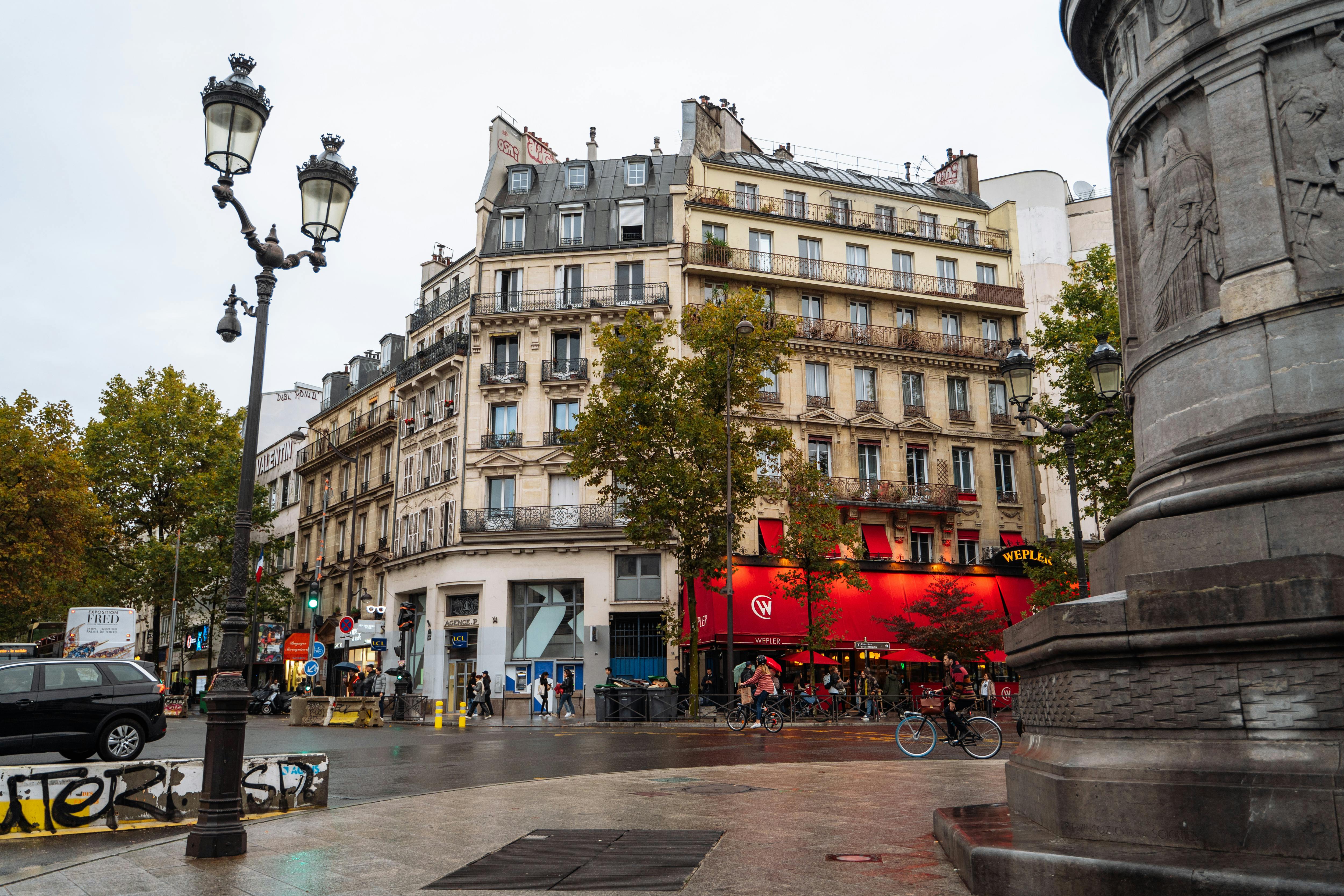
Paris has worn many crowns: Roman settlement, medieval stronghold, royal capital, revolutionary furnace, and modern capital of art, fashion, and ideas. Few cities can move so easily between grandeur and intimacy; one moment you are under the shadow of Notre-Dame, the next you are at a tiny zinc bar with a perfect espresso and a still-warm tart.
The city’s great pleasures are not only its monuments, but its texture. Paris rewards the traveler who notices the cream-stone façades, the bookstalls along the Seine, the ritual of apéritif, the etiquette of the bakery queue, and the way each arrondissement feels like a village with its own habits and loyalties.
For practical planning, Paris is best explored on foot with strategic use of the Métro and RER. As of March 2025, major attractions remain in high demand, so pre-booking key sights is wise; keep comfortable shoes, stay alert in crowded tourist zones for pickpocketing, and make time for simple pleasures—bread, butter, cheese, wine, and an unhurried café terrace—because that is as essential to a Paris vacation as any museum.
Paris
For a 7-day trip, Paris alone is the right choice: the city is deep rather than merely broad, and a week allows time for both its masterpieces and its quieter corners. You will have room for the Louvre, Eiffel Tower, Seine River cruise, Montmartre, the Marais, Saint-Germain-des-Prés, and a superb day trip to Versailles without turning the week into a race.
Paris is a city of layers. Medieval Paris survives on Île de la Cité, imperial Paris strides along grand boulevards, bohemian Paris lingers in Montmartre, and literary Paris still whispers from the Left Bank cafés where philosophers and novelists once argued through the night.
Food is one of the city’s greatest museums. A proper week here means buttery croissants at breakfast, market-fresh lunches, classic bistro dinners, and perhaps one ceremonious meal where sauces, silverware, and pacing still matter.
Where to stay: For a full range of apartments, browse VRBO Paris. For hotels across neighborhoods and budgets, see Hotels.com Paris.
- For classic palace Paris: The Ritz Paris, Le Meurice, and Hôtel Plaza Athénée. These suit travelers who want old-world service, top dining, and addresses woven into Parisian high society.
- For smart boutique stays: Hotel du College de France in the Latin Quarter places you near bookshops, the Sorbonne, and easy walks to Notre-Dame; Hôtel des Arts Montmartre is ideal if you want village atmosphere and easy access to Sacré-Cœur.
- For style without ceremony: Hôtel des Grands Boulevards has a fashionable address between the Marais and Opéra; Hôtel du Temps works well for travelers who like design, independent shops, and a slightly more local rhythm.
- For practical comfort: Novotel Paris Centre Gare Montparnasse is convenient for transport links and roomy standards; Hôtel des Arts Bastille suits guests who want to be near lively dining streets without paying central-luxury rates.
- For a splurge with a view-oriented location: The Peninsula Paris places you near the Arc de Triomphe and elegant western Paris.
- For budget-minded travelers: Generator Paris is social, youthful, and useful if you plan to spend most of your time out in the city.
Getting to Paris: Compare air options into Paris through Omio flights. From Charles de Gaulle Airport to the center, expect roughly 45-60 minutes by RER/taxi depending on traffic and your neighborhood; from Orly, roughly 30-45 minutes. If you are arriving from elsewhere in Europe by rail, compare routes with Omio trains.
Optional sightseeing tools: If you want an easy orientation on the first full day, the Paris Big Bus Hop-On Hop-Off Tour with Optional River Cruise is useful for understanding distances between the major sights before you dive deeper on foot.
Day 1 – Arrival, the Left Bank, and Your First Paris Evening
Morning: This is your travel day, so keep the morning reserved for transit. If you are still comparing arrival options before booking, use Omio flights for Europe-based departures.
Afternoon: Arrive in Paris, check in, and keep the first outing gentle. Begin with a neighborhood walk in Saint-Germain-des-Prés and the Latin Quarter, two districts that offer a graceful introduction to the city: old churches, bookstore-lined streets, polished cafés, and an unmistakable sense that Paris takes conversation seriously.
Afternoon: For a restorative late lunch, try Café de Flore or Les Deux Magots for the atmosphere rather than culinary innovation; both are historic intellectual landmarks where Sartre, Beauvoir, and generations of writers held court. If you want stronger food and less theater, lean toward Brasserie Lipp for Alsatian classics and excellent seafood platters, or La Palette for a painterly old café mood near galleries and antique shops.
Evening: Cross toward the Seine and take an easy first-night cruise with the Paris Seine River Sightseeing Cruise with Commentary by Bateaux Parisiens. Seeing Paris from the water at dusk is one of the best possible introductions: bridges glow, monuments align, and the city’s geography suddenly makes sense.

Evening: For dinner, book Chez Fernand Christine, a beloved Left Bank bistro known for onion soup, beef Bourguignon, and the sort of room in which everyone looks as if they have been coming for years. If you prefer something lighter, Semilla offers a more contemporary approach with strong produce and a smart wine list, excellent for a first evening when you want refinement without formality.
Day 2 – Louvre Masterpieces, the Tuileries, and a Grand Paris Night
Morning: Start with breakfast at Café Kitsuné in the Palais Royal area for good coffee and a polished but unfussy start, or choose Boulangerie Julien for classic viennoiserie if you want something more traditional. Then head to the Louvre with a reserved guided visit such as the Louvre Museum Masterpieces Guided Tour with Access.

Morning: A guide matters here because the Louvre is less a museum than a continent. The value is not merely skipping logistics; it is understanding how the palace became a museum, why the Mona Lisa became a global obsession, and how to move intelligently between canonical works without museum fatigue.
Afternoon: After the Louvre, stroll through the Tuileries Garden, where Parisians still use the gravel paths and green chairs as if they belonged to them personally. Continue toward Place de la Concorde, and if your energy is still strong, walk part of the Champs-Élysées—not for romance, but because it remains one of the city’s great ceremonial axes.
Afternoon: For lunch, choose Café Marly if you want a dramatic setting facing the Louvre arcades, though you are paying partly for the location. A stronger food-first option is La Petite Chaise in Saint-Germain, one of the oldest restaurants in Paris, where classic French dishes arrive with confidence rather than fuss.
Evening: Tonight is ideal for a celebratory dinner cruise: Bateaux Parisiens Seine River Gourmet Dinner & Sightseeing Cruise. The appeal is simple and enduring—Paris lit from the river, monuments unfolding course by course, and an evening that feels unmistakably like a vacation rather than a checklist.

Day 3 – Île de la Cité, Notre-Dame, and the Marais
Morning: Have breakfast at Maison d’Isabelle near the Latin Quarter, famous for well-made butter-rich pastries and a reliable morning rhythm. Then join the Early Access Paris Notre Dame Cathedral Walking Tour to understand the deep history of the city’s oldest core.

Morning: Notre-Dame is not only a cathedral; it is a biography of Paris in stone. On Île de la Cité, the story of kings, bishops, revolutionaries, restorers, and the recent resurrection after the fire becomes vividly legible when explained in context.
Afternoon: Walk into the Marais, one of Paris’s most compelling neighborhoods, where aristocratic mansions, Jewish heritage, fashion boutiques, and inventive food all coexist. Visit Place des Vosges, the city’s oldest planned square, whose brick pavilions and clipped lawns still feel serene despite the surrounding energy.
Afternoon: For lunch, L’As du Fallafel remains a famous institution for a reason, though there can be lines; the falafel is crisp, lavishly stuffed, and satisfying on a sightseeing day. If you want a seated meal, try Chez Janou for Provençal dishes and a mousse au chocolat served in a giant communal bowl that has achieved near-mythic status among visitors and locals alike.
Evening: Stay in the Marais for dinner at Bistrot des Tournelles, where French comfort dishes are done with generosity and precision. If you would prefer something more polished, Robert et Louise is known for wood-fired meats and an old-fashioned, clubby room that feels far removed from chain-restaurant Paris.
Evening: If energy allows, finish with a slow walk along the Seine quays. Paris after dark is most persuasive when nothing is scheduled and the city simply reveals itself bridge by bridge.
Day 4 – Eiffel Tower, Rue Cler, and the Seventh Arrondissement
Morning: Begin with breakfast on Rue Cler, one of the loveliest market streets in central Paris. Café du Marché is convenient and lively, while nearby bakeries offer fruit tarts, quiche, and excellent baguette sandwiches if you want to keep things simple before a major sight.
Morning: Then head to the Iron Lady with the Eiffel Tower Dedicated Reserved Access Top or 2nd floor by lift. Built for the 1889 Exposition Universelle and once criticized by artists as a metal monstrosity, it has long since become the city’s signature silhouette and still delivers one of the great urban panoramas in Europe.

Afternoon: After the tower, walk through the Champ de Mars and over toward the Trocadéro for the classic postcard views back across the Seine. If museums appeal, the Musée Rodin is a superb nearby option—smaller and more digestible than the Louvre, with deeply atmospheric gardens and bronzes that seem to change character in shifting light.
Afternoon: For lunch, Les Cocottes by Christian Constant is a dependable choice for elevated French cooking served in cast-iron cocottes, practical and elegant at once. Another favorite nearby is Le Petit Cler, a compact bistro praised for onion soup, duck confit, and the sort of efficient, old-school Parisian service that can feel brusque until you realize it is simply part of the tempo.
Evening: Dedicate the evening to one refined neighborhood dinner. If you want something classic, book Fontaine de Mars, an old Paris institution where southwestern French dishes and a proper wine list make for a deeply satisfying meal. If you prefer a more modern room, Thoumieux is a strong address for a special dinner in the 7th, with the city’s monuments close enough for an after-dinner stroll.
Day 5 – Versailles Day Trip
Morning: Have an early breakfast near your hotel—coffee and a tartine are enough for a day like this—then head out for Versailles Palace and Gardens Tour from Paris or From Paris: Versailles Palace Live Tour with Gardens Access. If planning independently, compare rail options on Omio trains; the journey from Paris is typically around 45-60 minutes each way depending on departure point and connections, with modest regional-train pricing.

Afternoon: Versailles is best understood not as a palace alone, but as political theater turned into architecture. Louis XIV transformed a hunting lodge into a stage set for absolute monarchy, where mirrors, gardens, fountains, and ritualized movement were all part of a system designed to awe nobles into obedience.
Afternoon: Give proper time to the Hall of Mirrors, the formal gardens, and—if your ticket and pace allow—the Trianon estate, which often becomes a favorite because it feels more human after the blinding spectacle of the main palace. Lunch is often easiest on-site or nearby in Versailles town, but keep expectations practical rather than gastronomic; the priority today is the experience rather than a destination meal.
Evening: Return to Paris and keep dinner close to your hotel. If staying near Saint-Germain, Allard offers polished bourgeois cooking in a historic setting; if near the 9th or Grands Boulevards, Bouillon Chartier is great fun for a lower-cost evening in a Belle Époque dining hall where the room is as memorable as the meal.
Day 6 – Montmartre, Bakeries, and a More Bohemian Paris
Morning: Start with breakfast at Mamiche, beloved for extraordinary pastries, excellent breads, and the sort of neighborhood devotion that tells you everything. Then make your way into Montmartre early, before the lanes around Sacré-Cœur fill with day-trippers and the hill briefly loses its village illusion.
Morning: Wander the quieter backstreets rather than only the main steps. Montmartre was once outside the city proper, a hillside of windmills, cheap rents, and cabarets where artists such as Picasso, Modigliani, and Toulouse-Lautrec lived and worked because central Paris was too expensive and too proper.
Afternoon: Visit Sacré-Cœur Basilica for the view, then continue to Place du Tertre, understanding that it is theatrical and touristy but still part of the quarter’s long association with painters. Better still, seek out the vineyard, small stairways, old cabaret facades, and the Musée de Montmartre area, where the neighborhood’s artistic past feels less performed and more tangible.
Afternoon: For lunch, Le Consulat wins on setting, though it is best approached as a scene rather than a culinary revelation. A stronger food choice is La Mascotte, a long-running brasserie known for seafood, generous French staples, and a room that feels genuinely lived-in rather than staged for postcards.
Evening: Tonight is a good chance for either a food activity or a baking experience. The Paris Croissant Small-Group Baking Class with a Chef is especially appealing if you want a tactile memory of the city rather than another monument.
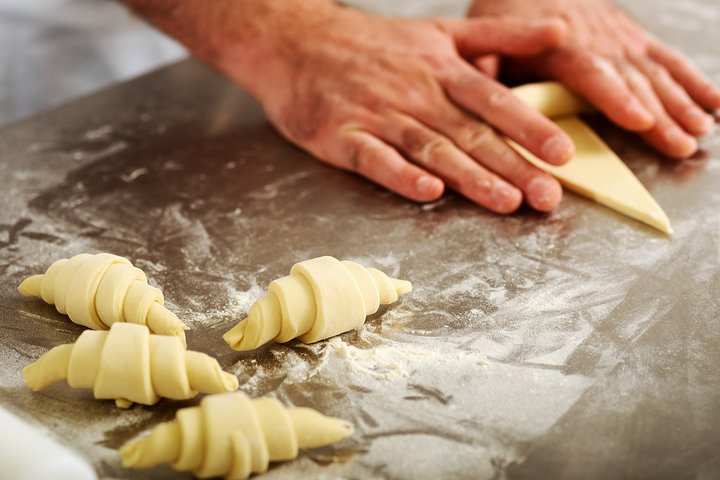
Evening: For dinner, reserve at Le Bon Georges in the 9th if you love serious French bistro cooking and well-chosen wine, or choose Frenchie Bar à Vins if you want small plates and a more contemporary crowd. End with a nightcap at a classic bar like Le Très Particulier if you are after atmosphere, or simply a final walk under the lamps of Pigalle and back downhill into the city.
Day 7 – Markets, Final Museum Time, and Departure
Morning: Keep the last day flexible and local. Have breakfast at your neighborhood boulangerie, then spend the morning in one final Parisian ritual: a market street, a bookshop, or a small museum rather than one more headline attraction.
Morning: Good choices include Rue Montorgueil for market energy and edible souvenirs, the Jardin du Luxembourg for a graceful last stroll, or the Musée de l’Orangerie if you want to end with Monet’s Water Lilies—an almost meditative farewell after the scale and density of the Louvre. If you would rather browse than sightsee, Paris’s food shops are ideal for bringing home tea, chocolate, caramels, mustard, or tins of biscuits that feel more useful than souvenirs made of plastic.
Afternoon: Enjoy an early lunch before departure. If near Montorgueil, try Au Rocher de Cancale for seafood and a classic setting, or choose Frenchie Wine Bar for a sharper modern menu if you can secure a table. If you are closer to the Left Bank, a final meal at Le Comptoir du Relais is a fitting goodbye: rich, assured bistro cooking in one of the districts most travelers imagine when they dream of Paris.
Afternoon: Make your way to the airport or rail station with time to spare, especially if departing during a weekday rush. For onward journeys within Europe, compare rail and air options via Omio trains and Omio flights.
This Paris itinerary gives you a full week of icons and nuance: the Eiffel Tower and Louvre, certainly, but also café terraces, market streets, Montmartre mornings, and the theatrical grandeur of Versailles. It is designed to leave you not only having seen Paris, but having understood how to inhabit it for a few glorious days—one coffee, one museum, one evening walk at a time.