
7 Days in Norway: Oslo & Bergen Fjords, Food, and Nordic Culture
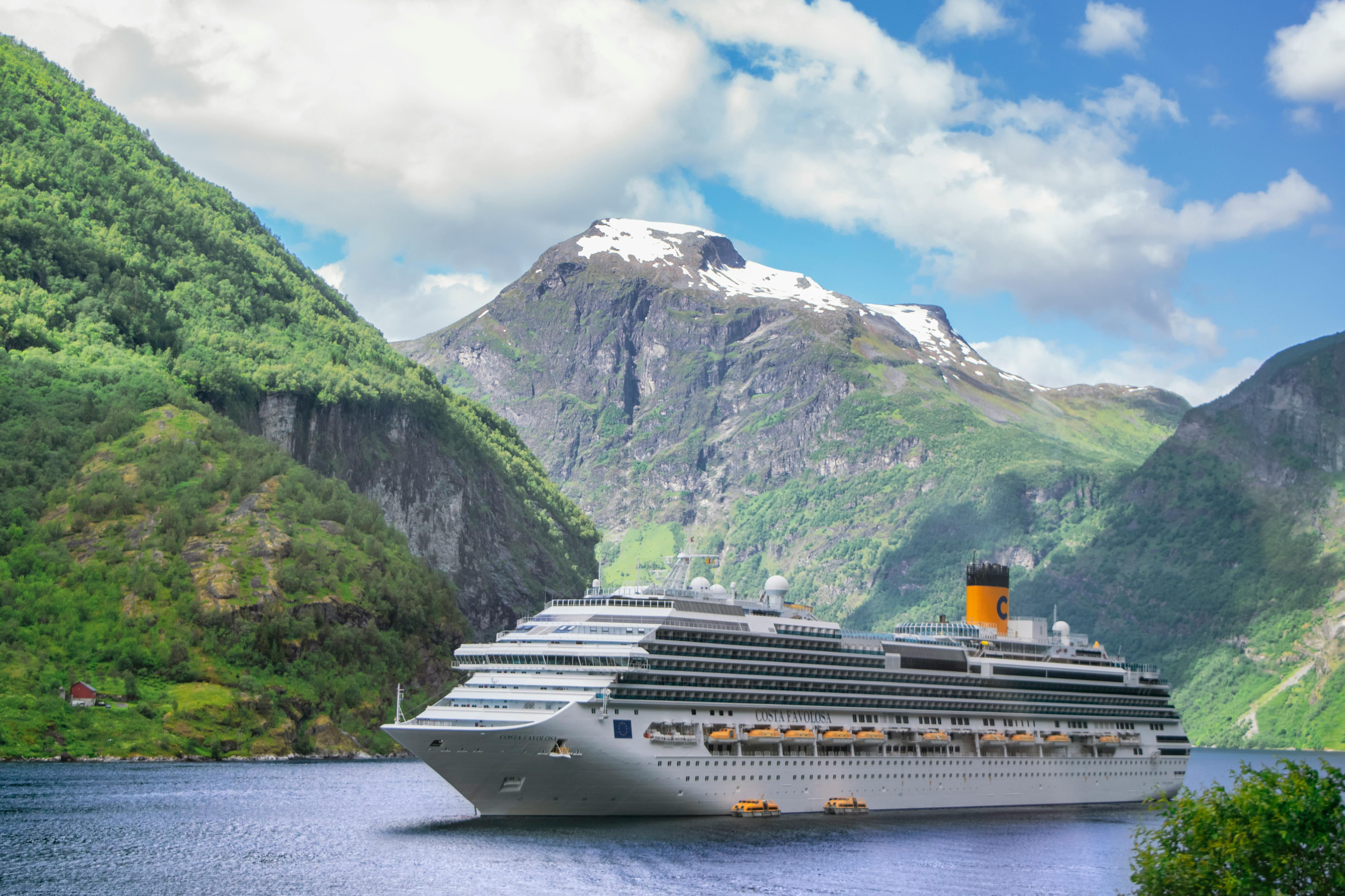
Norway is a country of seafarers, skiers, kings, cod, and cliff-edged beauty. Its modern identity was shaped by the Viking Age, centuries of union with Denmark and Sweden, and a 20th-century transformation into one of Europe’s most prosperous and socially minded nations.
For travelers, Norway offers a rare combination: efficient cities, deeply rooted traditions, and nature that feels almost theatrical. In a single week, you can move from Oslo’s waterfront architecture and world-class museums to Bergen’s timbered lanes and fjord gateway landscapes without feeling rushed.
Practical notes matter here. Norway is famously expensive, so booking hotels early helps; card payments are nearly universal; tap water is excellent; and weather can change quickly even in late spring and summer, so pack a waterproof layer and comfortable walking shoes. Norwegian cuisine is worth your attention too—expect exceptional seafood, cinnamon buns, brown cheese, and a coffee culture far stronger than many first-time visitors expect.
Suggested route: Fly into Oslo, then travel to Bergen mid-trip via one of Europe’s most beautiful rail corridors or a short domestic flight. For arrivals and onward transport in Norway, compare options on Omio flights and, for the Oslo–Bergen journey, check Omio trains.
Oslo
Oslo is one of Europe’s most appealing capital cities precisely because it refuses to be overblown. It is compact, clean-lined, and close to the water, with a rhythm shaped as much by sauna culture and forest trails as by opera houses and museums.
The city’s highlights are unusually varied for its size. You can study Viking and polar exploration history, admire Edvard Munch’s emotionally electric paintings, walk on the roofline edge of the Oslo Opera House, and dine on pristine Nordic seafood all in the same day.
Oslo is also one of Scandinavia’s best coffee cities. Neighborhoods such as Grünerløkka and Frogner are full of stylish cafés, bakeries, and small restaurants where the atmosphere feels local rather than performative.
Stay: Browse apartments and cabins on VRBO in Oslo or hotels on Hotels.com Oslo.
Why stay here: Central Oslo makes it easy to walk between the waterfront, museums, restaurants, and train station. If you prefer leafy streets and independent cafés, look around Frogner or Grünerløkka; if convenience matters most, stay near Sentralstasjon, Bjørvika, or the Opera House.
- Top sights: Oslo Opera House, MUNCH museum, Akershus Fortress, Karl Johans gate, Frogner Park, National Museum, Aker Brygge, and the Bygdøy museum peninsula.
- Food highlights: Fresh shrimp sandwiches, salmon, reindeer, waffles with brunost, cardamom buns, and specialty coffee.
- Good to know: Many museums close earlier than restaurants, and Sundays can feel quiet in some shopping areas, so plan museum-heavy days accordingly.
Day 1 – Arrive in Oslo
Morning: Not scheduled, as this is your arrival day. If your flight timing changes and you land early, keep the first hours light with a short stroll rather than a packed museum plan.
Afternoon: Arrive in Oslo and check into your accommodation. Ease into the city with a waterfront walk through Bjørvika, where modern Oslo shows off its sharp angles and harbor light; walk up the sloping marble roof of the Oslo Opera House for a splendid first view over the fjord and the barcode-like skyline behind it.
Afternoon: If you have a bit more energy, continue to the exterior plaza of the MUNCH museum area. Even from outside, this district is a perfect introduction to the capital’s mix of culture and modern urban design.
Evening: Start with dinner at Fiskeriet Youngstorget if you want high-quality seafood in a casual setting; their fish soup and fish and chips are reliable favorites and a gentle first taste of Norway’s seafood reputation. For something more polished, Engebret Café, one of Oslo’s oldest restaurants, offers classic Norwegian dishes in a historic setting that feels like a proper arrival ritual.
Evening: For a nightcap or coffee, try Kaffebrenneriet if you want something simple and central, or Tim Wendelboe if timing allows earlier in the day—one of the world’s best-known Nordic coffee roasters, admired for precision brewing and beans sourced with real care.
Day 2 – Oslo History, Art, and the Waterfront
Morning: Begin with breakfast at Åpent Bakeri, beloved for excellent bread, cinnamon buns, and open-faced sandwiches. Then head to the National Museum, whose collection gives proper context to Norwegian art and identity, including Munch’s iconic works and decorative arts that help explain the country’s visual language.
Afternoon: Have lunch at Vippa, the waterfront food hall, where you can sample several kitchens in one stop; it is especially good if your group has mixed tastes, and the harbor setting is lively without feeling tourist-trapped. After lunch, visit Akershus Fortress, the medieval stronghold that watched over Oslo for centuries and still offers some of the city’s best views over the water.
Evening: Spend the evening around Aker Brygge and Tjuvholmen, where promenades, sculpture, and sea air make for an easy stroll. For dinner, Lofoten Fiskerestaurant is a strong pick for shellfish and classic fish dishes with a polished waterfront atmosphere, while Døgnvill Burger Vulkan is a good alternative if you want a more casual, locally popular meal.
Day 3 – Bygdøy Museums and Frogner
Morning: Grab coffee and a light breakfast at Talormade, known for carefully roasted coffee and inventive doughnuts that manage to be playful without sacrificing quality. Then make your way to Bygdøy, Oslo’s museum peninsula, where maritime and exploration history come alive.
Afternoon: Focus your museum time on the Fram Museum and the Kon-Tiki Museum. The Fram tells the story of Norway’s Arctic ambition through the actual polar ship used by Fridtjof Nansen and Roald Amundsen, while Kon-Tiki captures Thor Heyerdahl’s improbable ocean-crossing experiments; together they reveal Norway’s national fascination with the sea, risk, and endurance.
Afternoon: For lunch, try Hukodden Strandrestaurant if open seasonally for a scenic waterside break, or return toward the center for something dependable and local. Later, visit Frogner Park and the Vigeland Sculpture Park, where Gustav Vigeland’s figures range from tender to unsettling, giving this green space an emotional charge unlike any ordinary city park.
Evening: Dine in Frogner at Brasserie Blanche if you want a refined bistro-style meal, or choose Smalhans in St. Hanshaugen for a more neighborhood-driven atmosphere and thoughtful Nordic cooking. End with a quiet walk or a drink nearby rather than overloading the night; Oslo rewards a slower pace.
Day 4 – MUNCH, Grünerløkka, and Oslo to Bergen
Morning: Have breakfast at W.B. Samson or another local bakery near your hotel, then visit the MUNCH museum if you did not yet go inside. Edvard Munch is far more than The Scream; the collection traces obsession, grief, desire, illness, and modernity with unusual intensity, making this one of Scandinavia’s most memorable museum experiences.
Afternoon: Enjoy lunch in Grünerløkka at Villa Paradiso Grünerløkka for excellent Neapolitan-style pizza, or Südøst Asian Crossover for a livelier meal with broad appeal. Spend a little time browsing the neighborhood’s independent shops and coffee spots before departing for Bergen.
Afternoon: Travel from Oslo to Bergen. The most scenic option is the train, which takes about 6.5 to 7 hours and often costs roughly US$35–$120 depending on booking time and fare class; search schedules on Omio trains. If you prefer speed, flights take about 55 minutes in the air, usually around US$60–$180 before baggage, and can be compared on Omio flights.
Evening: Arrive in Bergen, check in, and keep things simple with dinner near the historic center. Bryggeloftet & Stuene is a dependable introduction to classic Norwegian fare in old-world surroundings, while Lysverket offers a more contemporary approach with strong seafood and a serious kitchen that locals also respect.
Bergen
Bergen, ringed by mountains and open to the sea, is Norway at its most cinematic. Hanseatic merchants once made this one of northern Europe’s key trading cities, and their legacy still lingers in the leaning wooden facades of Bryggen.
Today, Bergen is both a historic port and the country’s most convenient gateway to fjords, waterfalls, and dramatic coastal scenery. Yet the city itself deserves more than a quick stop: it has excellent fish markets, funicular views, rainy-day atmosphere, and streets that seem made for wandering.
It also has a strong food scene. Bergen’s best meals tend to emphasize seafood, seasonal produce, and understated technique rather than flashy presentation, which suits the city perfectly.
Stay: Find apartments on VRBO in Bergen or compare hotels on Hotels.com Bergen.
Where to base yourself: Stay near Bryggen, the Fish Market, or Bergen Station for easy access to sightseeing and day trips. If you want quieter evenings, look slightly uphill or in residential streets just beyond the busiest center.
- Top sights: Bryggen Wharf, Fløibanen funicular, Mount Fløyen, Bergen Fish Market, KODE museums, and the harborfront.
- Best experiences: Fjord day trip, seafood dinner, mountain views, Hanseatic history, and rainy café-hopping.
- Fun fact: Bergen is famous for frequent rain, which locals treat less as an inconvenience than a civic personality trait.
Day 5 – Bryggen, Fløyen, and Bergen’s Historic Core
Morning: Start with breakfast at Godt Brød, a well-loved bakery chain that does organic bread, pastries, and sturdy sandwiches very well, or Bergen Kaffebrenneri for serious coffee and a more local café atmosphere. Then walk through Bryggen, the UNESCO-listed wharf where narrow wooden buildings recall Bergen’s Hanseatic trading past; go early, before the lanes fill, to appreciate the creaking timber and crooked geometry.
Afternoon: Visit the Bryggens Museum or simply continue exploring the old harbor quarter before lunch. For lunch, Bare Restaurant can be an excellent choice if you want a more ambitious midday meal, while the Fish Market offers a casual chance to try fish soup, shrimp, or salmon—just be selective and aim for stalls that look freshest rather than automatically choosing the most obvious counter.
Afternoon: Ride the Fløibanen funicular up to Mount Fløyen. The journey is short, but the reward is expansive: rooftops, harbor, islands, and mountains unfurl beneath you, and if the weather behaves, short walking paths at the top let you enjoy Bergen’s outdoor spirit without committing to a full hike.
Evening: For dinner, reserve Lysverket if you missed it on arrival; it is one of Bergen’s most consistently praised restaurants for modern Nordic cooking with strong seafood execution. Another excellent option is Cornelius Sjømatrestaurant if you want a destination seafood experience, though it requires more planning and is best for travelers ready to make dinner the evening’s main event.
Day 6 – Norway in a Nutshell Style Fjord Day
Dedicate today to a long fjord excursion from Bergen. A classic combination includes train, bus, and fjord cruise elements through areas such as Voss, Flåm, Nærøyfjord, and Gudvangen, and it remains one of the most rewarding ways to see western Norway’s steep valleys, mirror-like water, and snow-fed waterfalls in a single day.
Book transport components through Omio trains and Omio buses, and check Omio ferries where relevant. Expect a full-day outing of roughly 10 to 12 hours, with costs varying widely by route and season, often around US$140–$260+ in total if combining scenic rail and fjord boat segments.
Bring a waterproof shell, a warm layer, and snacks even if you plan to buy food en route. The beauty here is not abstract—it is immediate and almost overwhelming, particularly on the narrow branches of the fjord where farmhouses cling to slopes and waterfalls appear to pour out of the clouds.
For meals, keep breakfast simple before departure—Baker Brun is ideal for pastries and coffee—and have lunch wherever your route allows, often in Flåm or Voss. In the evening, once back in Bergen, go for something comforting and unfussy like Pingvinen, a local favorite known for hearty Norwegian dishes and a convivial atmosphere that feels earned after a long scenic day.
Day 7 – KODE, Last Walks, and Departure
Morning: Begin with coffee at Det Lille Kaffekompaniet, one of Bergen’s most beloved coffee spots, tiny in scale but serious about quality. Then visit the KODE art museums, which together offer an elegant final look at Norwegian and European art, design, and music history; it is a cultured, weather-proof way to spend your last full morning.
Afternoon: Have an early lunch at Bien Centro for excellent pizza in a relaxed setting, or choose Trekroneren if you want a quick but very Norwegian bite from one of Bergen’s most famous sausage stands. Pick up any last gifts—perhaps local knitwear, gourmet tins of seafood, or small design items—before heading to the airport.
Afternoon: Depart Bergen. For onward flights within or beyond Europe, compare schedules on Omio flights.
Evening: Not scheduled due to departure. If your flight is later than expected, spend the extra time along the harbor rather than adding another rushed attraction.
This 7-day Norway itinerary gives you two excellent sides of the country: Oslo’s cultured urban edge and Bergen’s fjord-framed maritime soul. It is a trip of strong coffee, sea air, wooden wharves, museum treasures, and mountain views—the kind of week that lingers in memory long after you have unpacked.