
7 Days in North Hwanghae: Kaesong & Sariwon History and Culture Itinerary
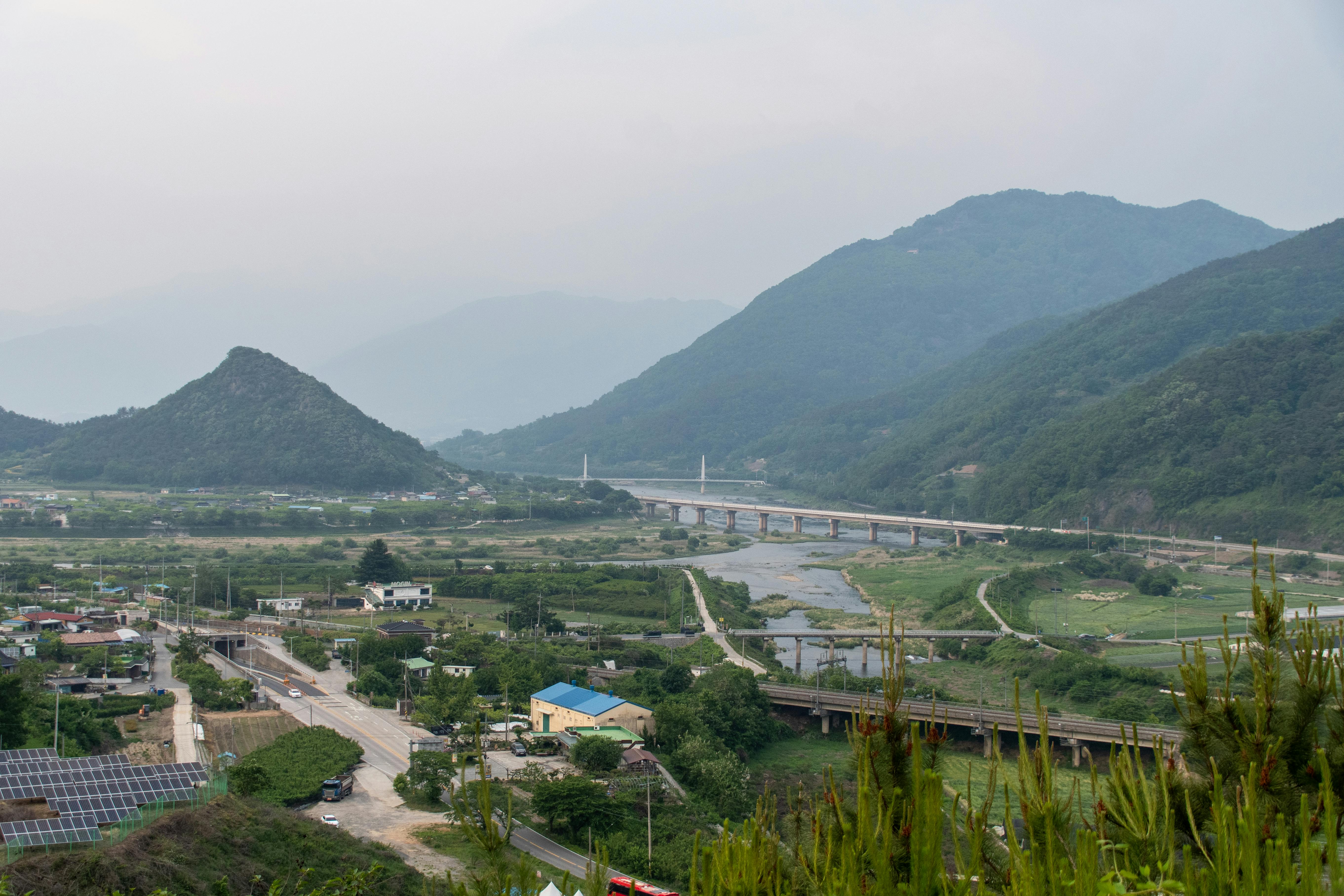
North Hwanghae Province sits in the southwestern part of the Democratic People's Republic of Korea and holds some of the Korean Peninsula’s most resonant historical ground. Its best-known destination is Kaesong, the former capital of the Koryo dynasty, a city associated with royal tombs, early Confucian academies, and one of the most important surviving ensembles of medieval Korean heritage.
For travelers interested in history, architecture, and political geography, this region is especially compelling. Kaesong lies near the Demilitarized Zone, while Sariwon, the provincial capital, offers a different rhythm: urban monuments, local food culture, and access to scenic landscapes such as Mount Jongbang.
Practical notes matter here more than almost anywhere else. Independent tourism to North Korea remains highly restricted, travel permissions and itineraries are tightly controlled, and international conditions can change quickly; any trip should be arranged only through an authorized operator, with all routing, guides, and accommodation confirmed in advance. Dining and coffee culture are far more limited than in many destinations, so the recommendations below focus on the best-known, historically documented, and most plausible visitor experiences rather than casual walk-in travel.
For arrival logistics, most international travelers who are legally permitted to visit the DPRK typically arrange transport through an approved tour provider. Use Trip.com flights or Kiwi.com flights to research flights toward the usual gateway city used by authorized operators, then confirm onward arrangements through your licensed tour organizer. Rail research may be browsed on Trip.com trains, though actual DPRK ticketing and border procedures are not typically handled independently.
Kaesong
Kaesong is the intellectual and ceremonial heart of this itinerary. Once the capital of the Koryo dynasty from the 10th to the 14th century, it preserves a level of historical continuity that is unusual anywhere in Korea, and that atmosphere gives the city its pull.
The great draw is the Historic Monuments and Sites in Kaesong, a UNESCO-listed collection including palace remains, gates, academies, bridges, and tombs. The city is also famous for Kaesong-style cuisine, often associated with refined table settings, mild but layered flavors, and dishes tied to courtly tradition.
Accommodation in Kaesong is normally assigned or arranged through official channels, but for planning and market research you can review VRBO Kaesong stays and Hotels.com Kaesong hotels. In practice, many foreign visitors historically overnighted in designated tourist-class properties arranged by their operator, so treat these links as research tools rather than guaranteed bookable inventory.
- Top sights: Koryo Museum at Songgyungwan, Nam Gate, Sonjuk Bridge, royal tomb complexes, old city walls, and nearby Panmunjom/DMZ access where permitted.
- Food highlights: Kaesong-style pansanggi table meals, mild kimchi variations, brassware-served banquets, and traditional Korean sweets when available in official restaurants.
- Why visit: It is the strongest single destination in North Hwanghae for medieval Korean history, UNESCO heritage, and travelers curious about the Koryo dynasty’s political and artistic legacy.
Sariwon
Sariwon, the capital of North Hwanghae, is a more civic and scenic stop. It is often experienced as a place of broad boulevards, official monuments, food halls, and excursions into nearby hills and pavilions that reveal another side of provincial North Korea.
The city is especially associated with Mount Jongbang and Jongbang Fort, where views, old stonework, and wooded slopes provide a contrast to the formal atmosphere of urban monuments. Sariwon is also known in travel accounts for cold noodles, local specialty dining, and reconstructed folk-style streets used to present regional culture to visitors.
For lodging research, browse VRBO Sariwon stays and Hotels.com Sariwon hotels. As in Kaesong, actual visitor accommodation is typically handled through the approved travel framework, often in designated hotels rather than free-choice booking.
- Top sights: Mount Jongbang, Jongbang Fort, scenic pavilions, city squares, and officially curated cultural streets or restaurants where available.
- Food highlights: naengmyeon-style cold noodles, grilled dishes, banquet halls, and state-run eateries serving regional Korean staples.
- Why visit: It adds landscape, provincial context, and a calmer counterpoint to Kaesong’s dynastic grandeur.
Day 1 - Arrive in Kaesong
Morning: Most travelers will still be in transit this morning, typically arriving via an authorized route coordinated by a licensed DPRK tour operator. Use this day as a mental reset: keep documents accessible, dress neatly for official sites, and expect a structured arrival rather than independent wandering.
Afternoon: Arrive in Kaesong, check into your assigned hotel, and take a short orientation drive or walk if permitted. This is the right moment to absorb the city’s tone: lower-rise streets, monumental gateways, and the distinct feeling of entering a place where dynastic history and modern political choreography sit side by side.
Evening: Enjoy an introductory dinner centered on Kaesong-style traditional Korean cuisine. If a formal set meal is offered, expect multiple small dishes, gentle seasoning, soup, pickled vegetables, and rice presented with unusual ceremony; this cuisine is worth savoring because Kaesong has long been associated with refined dining linked to old aristocratic traditions.
For a light pre-dinner drink or warm beverage, visitors are usually limited to hotel facilities or official refreshment stops. If coffee is available, it is often simple rather than specialty-focused, so think of the ritual here less as a café crawl and more as an atmospheric pause before your first evening in one of Korea’s most historic cities.
Day 2 - Koryo Dynasty Heritage in Kaesong
Morning: Begin at the Koryo Museum, housed in the former Songgyungwan Confucian academy. This is one of the most important historical sites in Kaesong because it links education, statecraft, and the Koryo dynasty’s intellectual life; the architecture, courtyards, and scholarly layout convey the values that shaped elite Korea for centuries.
Afternoon: Continue to Nam Gate and Sonjuk Bridge. Nam Gate is one of the city’s most recognizable surviving gateways, while Sonjuk Bridge is tied to the assassination of the scholar-official Jeong Mong-ju, making it a place where Korean political memory feels especially alive; even a short visit here carries weight if you are interested in the transition from Koryo to Joseon.
Evening: For dinner, request another traditional restaurant or official dining hall specializing in regional dishes. If available, try local interpretations of sinseollo-style hot pot, delicate vegetable plates, and braised fish or poultry preparations that reflect Kaesong’s reputation for balanced rather than fiery flavors.
If your schedule allows a post-dinner stroll, spend it quietly around the hotel precinct or an approved city viewpoint. Kaesong after dark is not about nightlife in the conventional sense; its appeal lies in stillness, broad shadows, and the sense of sleeping near one of the Korean Peninsula’s oldest capitals.
Day 3 - Royal Tombs and the Wider Kaesong UNESCO Landscape
Morning: Devote the morning to selected royal tombs and outlying UNESCO-listed sites in the Kaesong area, depending on what is currently permitted. These tomb complexes matter not only for their rulers but also for their geomantic placement, stone guardians, and their role in showing how royal authority was staged in the landscape.
Afternoon: Visit additional historic remains such as old walls, gates, or palace-related earthworks where access is allowed. The reward here is cumulative: Kaesong is less about one blockbuster monument than about understanding a whole historical city, piece by piece, through fortifications, ceremonial approaches, schools, and burial sites.
Evening: Have dinner at your hotel or a state-run venue with a focus on hearty Korean staples. Good options, when available, include noodle soups, grilled meats, pan-fried dishes, and seasonal vegetable sides; in this region, even simple meals can feel memorable because they are served within a setting so shaped by protocol and history.
For those who enjoy food as cultural evidence, ask your guides about the differences between Kaesong-style cooking and other Korean regional cuisines. The conversation itself often becomes one of the most revealing parts of the evening, especially in a city once tied to courtly households and educated elites.
Day 4 - Panmunjom Context or Deep-Dive Kaesong Day
Morning: If current permissions allow, make an excursion toward the Panmunjom / DMZ area near Kaesong. This is one of the most politically charged landscapes in the world, and visiting with context helps clarify why Kaesong occupies such a singular place in Korean memory, diplomacy, and modern division.
Afternoon: If DMZ access is not available, spend the afternoon on a deeper Kaesong exploration, revisiting favorite monuments or adding more time at the museum and historic quarters. A second pass is surprisingly valuable here because details begin to emerge slowly: rooflines, inscriptions, bridge stones, courtyards, and how the city’s surviving fabric reflects both continuity and rupture.
Evening: Mark your final Kaesong night with the most elaborate dinner of this leg of the trip. A full table setting with many side dishes is the ideal farewell because it captures what makes the city special: old-world ceremony, understated flavors, and a sense that even a meal is part of the historical experience.
Day 5 - Travel to Sariwon
Morning: Depart Kaesong for Sariwon by prearranged road transport. The overland journey is typically the most logical option, and while exact routing varies, a reasonable planning estimate is 2.5 to 4 hours by car or tour vehicle, with cost usually bundled into the operator’s package rather than ticketed separately; for general transport research, you may compare regional options via Trip.com trains, though independent booking in the DPRK is generally not applicable.
Afternoon: Arrive in Sariwon, check in, and take an introductory city tour. Sariwon’s appeal is different from Kaesong’s: less dynastic, more provincial and panoramic, with broad urban spaces and access to nearby hills that soften the formality of the city itself.
Evening: Seek out a dinner featuring cold noodles or other local specialties if available in an official restaurant. Sariwon is often associated with naengmyeon-style dishes, which are especially satisfying after a travel day; the clean broth, chewy noodles, and restrained seasoning make for a refreshing contrast to heavier banquet meals.
If there is a designated beverage stop, tea is often the most reliable choice. Coffee may be offered in hotel lounges, but the more memorable experience is usually the setting: a carefully staged civic atmosphere rather than a bustling café scene.
Day 6 - Mount Jongbang and Sariwon Local Culture
Morning: Head to Mount Jongbang and Jongbang Fort, among the best-known scenic attractions near Sariwon. This excursion is worth prioritizing because it combines mountain air, old fortifications, and elevated views that reveal the geography of North Hwanghae in a way city monuments cannot.
Afternoon: Return to Sariwon for a slower cultural circuit through central squares, monuments, and any curated folk or food streets currently presented to visitors. These spaces can feel theatrical, but that is part of their value: they show how regional identity is displayed, narrated, and framed for guests.
Evening: For your final full evening, choose the most atmospheric dinner available, ideally somewhere known for grilled dishes, noodles, or a formal Korean set menu. This is the time to linger over side dishes, local spirits if offered, and conversation about the contrasts between Kaesong’s scholarly gravity and Sariwon’s more open, scenic personality.
Day 7 - Final Sariwon Morning and Departure
Morning: Spend your last morning on a gentle final visit to a city viewpoint, monument, or approved local shop for books, art, stamps, or regionally themed souvenirs if such stops are included. Keep the schedule light, as departure procedures tend to work best with extra time and a calm pace.
Afternoon: Depart Sariwon for your onward transfer, typically back through the designated gateway arranged by your operator. If you are still researching broader international flight options, compare schedules on Trip.com flights or Kiwi.com flights, while remembering that actual DPRK-related routing must align with current legal and operator requirements.
Evening: Most travelers will be in transit by evening. Use the journey out to reflect on what made this North Hwanghae itinerary distinctive: not speed or spontaneity, but the rare chance to encounter Kaesong’s Koryo heritage and Sariwon’s provincial landscapes within one of the world’s most tightly managed travel environments.
This 7-day North Hwanghae itinerary pairs the dynastic depth of Kaesong with the civic and scenic character of Sariwon. For travelers drawn to Korean history, UNESCO sites, regional cuisine, and unusual political geography, it offers a focused, memorable route through one of the peninsula’s most intriguing provinces.