
7 Days in Nepal: Kathmandu and Pokhara Itinerary for Temples, Himalayan Views, and Lakeside Evenings
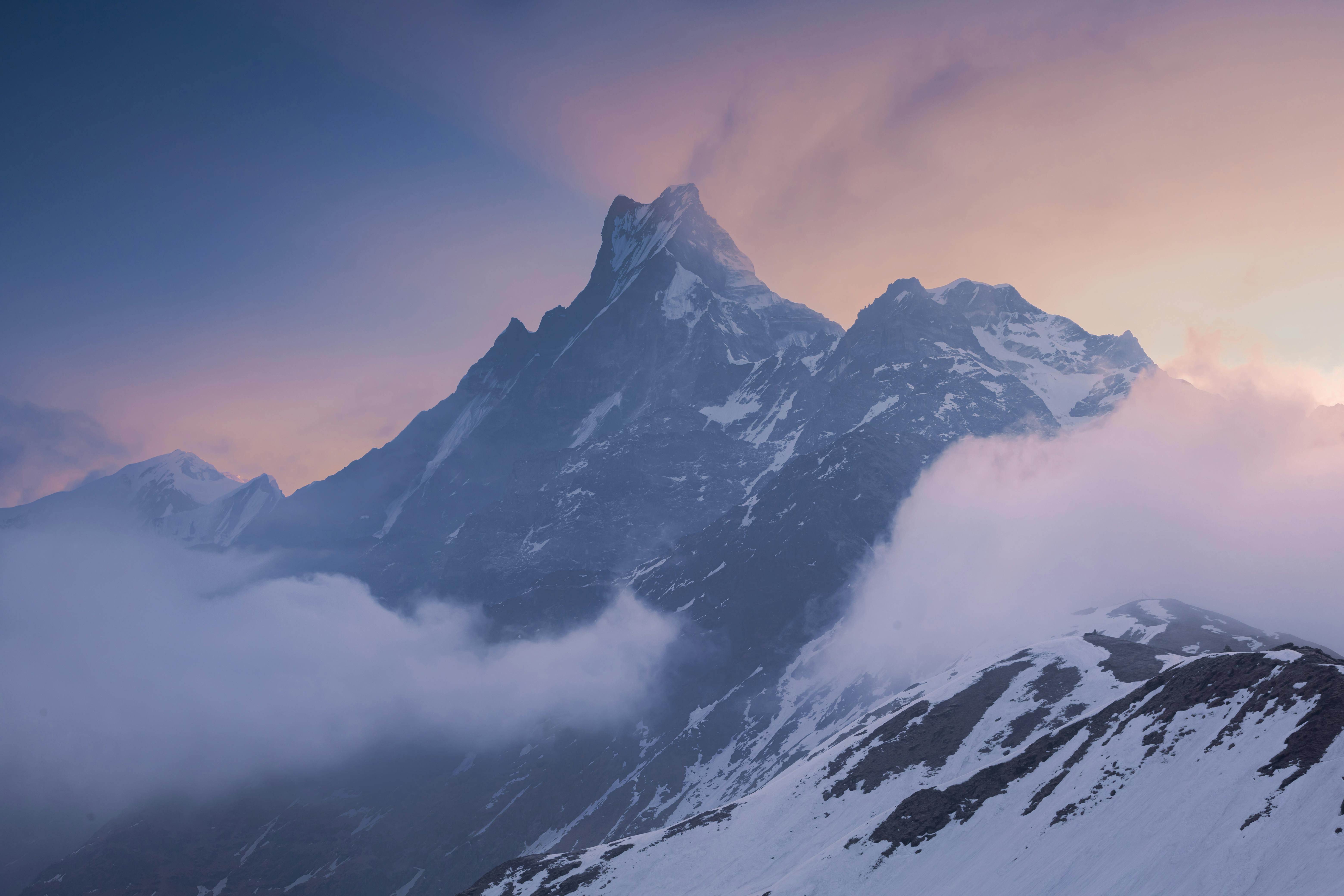
Nepal is one of those rare countries where history feels lived-in rather than preserved behind glass. In Kathmandu Valley, medieval palace squares, incense-laced courtyards, and Buddhist stupas still shape daily life, while Pokhara opens onto a softer rhythm of lakes, prayer flags, and Himalayan silhouettes.
For a 7-day trip, the smartest flow is two cities: Kathmandu for culture, architecture, and sacred sites; Pokhara for mountain scenery, boating, cafés, and lighter adventure. This balance gives you a strong sense of Nepal without turning the week into a blur of check-ins and transport days.
A few practical notes matter. March is a strong time to visit, with generally pleasant weather and clearer mountain views, but air quality can vary in Kathmandu and roads between cities can be slow, so build in patience and keep a flexible mindset. Nepali staples worth seeking out include momo dumplings, dal bhat, Newari feasts, sel roti, and rich Himalayan coffee culture that has grown quickly in both cities.
For arrival flights into Nepal, start with Trip.com flight search or Kiwi.com flight search. Plan to land in Kathmandu on Day 1 in the afternoon, and depart from Kathmandu on Day 7 in the afternoon.
Kathmandu
Kathmandu is dense, devotional, noisy, and unforgettable. It is the country’s cultural heart, where Hindu temples and Buddhist shrines stand within walking distance, and where carved wooden windows, brass butter lamps, and rooftop restaurants share the same city blocks.
The best way to enjoy Kathmandu is not to rush it. Let yourself move between major monuments and smaller pleasures: a courtyard café in Patan, a plate of steaming buff momos in Thamel, a sunset view over Swayambhunath, or a quiet side street where prayer wheels turn under old brick walls.
For stays, consider Dwarika's Hotel for heritage craftsmanship and one of the city’s most distinctive addresses, Hotel Yala Peak for a practical Thamel base, or Hyatt Regency Kathmandu for resort-style space near Boudhanath. You can also browse wider options on VRBO Kathmandu and Hotels.com Kathmandu.
- Top sights: Kathmandu Durbar Square, Patan Durbar Square, Swayambhunath, Boudhanath Stupa, Pashupatinath Temple, Garden of Dreams.
- Food to seek out: momo, dal bhat, Newari khaja sets, yomari if available, Tibetan bread, and locally roasted coffee.
- Where to eat: Yangling Tibetan Restaurant in Thamel for reliable momos and thukpa; OR2K for long-running vegetarian Middle Eastern and Nepali-friendly plates in a leafy courtyard; Newa Momo Restaurant for local-style dumplings; The Village Cafe in Pulchowk for polished all-day dining near Patan; Roadhouse Café for dependable pizza when you want a break from heavy sightseeing.
- Coffee and breakfast: Himalayan Java for the country’s most recognizable coffee chain and an easy start; Pumpernickel Bakery for breads, breakfast plates, and pastries popular with repeat visitors; Café Soma for a calmer specialty-coffee stop.
Day 1 - Arrive in Kathmandu
Morning: In transit to Nepal.
Afternoon: Arrive in Kathmandu and transfer to your hotel. Since international arrivals can feel tiring after immigration and traffic, keep the first afternoon gentle: check in, rest, and take a short orientation walk around Thamel if you are staying nearby, where trekking shops, bookstalls, prayer flags, and rooftop restaurants create the city’s traveler quarter.
Evening: Have an easy first dinner at Yangling Tibetan Restaurant, a dependable introduction to the city with momos, noodle soups, and Tibetan comfort food that travels well across appetites and energy levels. If you prefer a softer landing, OR2K offers a relaxed courtyard setting and lighter plates; afterwards, stroll briefly through Thamel’s lit lanes and turn in early.
Day 2 - Kathmandu Durbar Square, Asan Bazaar, and Swayambhunath
Morning: Start with breakfast at Pumpernickel Bakery, known for good coffee, fresh bread, eggs, and a traveler-friendly menu that still feels rooted in the city. Then head to Kathmandu Durbar Square, the old royal complex of courtyards, temples, and palaces, where reconstruction after the 2015 earthquake remains part of the landscape and offers a sober reminder of the city’s resilience.
Afternoon: Walk or ride to Asan Bazaar, one of Kathmandu’s oldest market areas, where spice sellers, brassware, textiles, marigold garlands, and everyday household trade reveal the city beyond monuments. For lunch, try Newa Momo Restaurant or another local spot specializing in Newari flavors; if you want something more substantial, order a khaja set with beaten rice, pickles, lentils, and spiced meat dishes for a more regionally specific taste than standard tourist menus.
Evening: Time your late afternoon ascent to Swayambhunath, the hilltop stupa often nicknamed the Monkey Temple. It is one of the finest places in the valley to watch the city soften into evening light while prayer flags snap in the wind and devotees circle the white dome; have dinner afterwards at Roadhouse Café or a Thamel rooftop restaurant for a comfortable end to a full sightseeing day.
Day 3 - Patan Durbar Square, Boudhanath, and Pashupatinath
Morning: Begin with coffee at Himalayan Java or Café Soma, then head to Patan, technically its own historic city yet part of greater Kathmandu. Patan Durbar Square is often the favorite among architecture lovers, thanks to its tighter urban fabric, remarkable brick-and-wood detailing, and a museum that helps decode the iconography and craftsmanship behind the temples.
Afternoon: Stay in Patan for lunch at The Village Cafe in Pulchowk, a polished and pleasant stop that works well after the square. Later, continue to Boudhanath Stupa, one of the largest spherical stupas in the world and a center of Tibetan Buddhist life in Nepal; walk the kora clockwise with locals, browse shops selling incense and singing bowls, and, if you wish, settle into a rooftop café for tea with a view of the all-seeing eyes on the stupa.
Evening: Near dusk, visit Pashupatinath Temple from the exterior ghats area, where the Bagmati River, temple bells, sadhus, and cremation rites create one of the most profound and confronting experiences in Kathmandu. Dress respectfully and keep your manner quiet; for dinner afterwards, choose a calm setting back in your hotel area, as this is a day that tends to stay with travelers.
Day 4 - Travel from Kathmandu to Pokhara
Morning: Depart Kathmandu for Pokhara. The fastest practical option is a short domestic flight, typically around 25 to 30 minutes in the air, plus airport procedures; prices commonly range around $60-$140 depending on timing and demand, and you can begin your search via Trip.com or Kiwi.com. Overland tourist buses also exist, but they usually take 7-9 hours and are not the best fit for a 7-day itinerary.
Afternoon: Arrive in Pokhara, check in, and settle near Lakeside, the city’s pleasant waterfront district. Ease into the change of pace with a walk along Phewa Lake and a late lunch at Moondance Restaurant & Bar or Café Concerto, both long-standing favorites where you can sit outdoors and watch paragliders drift down from Sarangkot.
Evening: Keep your first evening simple with a boat-lined lakeside stroll and dinner at Fresh Elements, known for thoughtful plates and a more contemporary feel than many standard tourist restaurants. Pokhara is gentler than Kathmandu at night, and that is the point: let the week exhale here.
Pokhara
Pokhara is Nepal in a different register. Where Kathmandu is layered and ceremonial, Pokhara is spacious, scenic, and restorative, with Phewa Lake at its center and the Annapurna range hovering like theater scenery on clear mornings.
This is the city for sunrise viewpoints, unhurried brunches, rowing on the lake, and days that can tilt either adventurous or restful. It is also a practical base for trekkers heading toward Annapurna, which gives the city an outdoorsy, international air without stripping away its local character.
For accommodations, consider The Pavilions Himalayas for a quieter retreat, Hotel Middle Path & Spa for a well-liked Lakeside stay, or Temple Tree Resort & Spa for a polished resort option. You can also browse VRBO Pokhara and Hotels.com Pokhara.
- Top sights: Phewa Lake, World Peace Pagoda, Davis Falls, Gupteshwor Mahadev Cave, Sarangkot sunrise, International Mountain Museum.
- Where to eat: Moondance Restaurant & Bar for broad crowd-pleasing menus and solid service; Fresh Elements for well-executed contemporary fare; Caffe Concerto for baked goods and all-day comfort; Byanjan Restaurant for Nepali dishes in a refined setting.
- Coffee and breakfast: Himalayan Java Lakeside for consistency and easy mornings; Café Concerto for pastries and coffee; Perky Beans for a smaller café feel and a good casual start.
Day 5 - Sarangkot sunrise, Phewa Lake, and the Peace Pagoda
Morning: Rise early for Sarangkot, the classic sunrise viewpoint above Pokhara. On a clear March morning, the first light on Annapurna South, Machapuchare, and neighboring peaks is reason enough to come to Nepal; afterwards, reward the early wake-up with breakfast and coffee at Himalayan Java or Café Concerto back in Lakeside.
Afternoon: Spend the middle of the day on and around Phewa Lake. Rent a boat with a boatman or self-row if conditions are suitable, gliding out toward the Tal Barahi Temple on its island setting, then continue to the World Peace Pagoda side for broad views back over the lake and city; lunch at Byanjan Restaurant is a good call if you want Nepali flavors served with care and a little more atmosphere.
Evening: Pokhara’s evenings are best kept pleasantly unhurried. Walk the lakeside strip, browse bookstores and handicraft shops, and have dinner at Fresh Elements or Moondance; both work well, though Fresh Elements is especially good if you want a more composed final plate after a scenic day.
Day 6 - Davis Falls, Gupteshwor Cave, Mountain Museum, and a relaxed lakeside night
Morning: Start with coffee at Perky Beans or Himalayan Java, then visit Davis Falls, where the Pardi Khola disappears dramatically into an underground tunnel. Pair it with nearby Gupteshwor Mahadev Cave, a shrine-filled cavern that gives this outing a mix of geology, devotion, and local legend.
Afternoon: Continue to the International Mountain Museum, one of Pokhara’s most worthwhile indoor stops. It adds valuable context to the landscapes you have been admiring, with exhibitions on Himalayan geology, mountaineering history, and the cultures of Nepal’s mountain communities; for lunch, head to Café Concerto or Byanjan depending on whether you want something café-light or more traditionally Nepali.
Evening: Use your last full evening in Pokhara to slow down. Find a good dinner with lake views, order dal bhat if you have not yet done so properly, and take one final walk along Phewa Lake after dark, when the shoreline lights shimmer and the city feels at its most contented.
Day 7 - Return to Kathmandu and depart
Morning: Travel back to Kathmandu in the morning. The most efficient option is a short domestic flight, usually around 25 to 30 minutes airborne, with typical fares in the $60-$140 range; if you prefer the road and have extra time tolerance, a private transfer is available from Pokhara to Kathmandu via Pokhara To Kathmandu Private Tour with Luxuries Car and Jeep.

Afternoon: Arrive in Kathmandu and connect to your international departure. If your schedule leaves a small cushion before heading to Tribhuvan International Airport, keep it close to your hotel or airport area rather than attempting one more major sight, as Kathmandu traffic is unpredictable.
Evening: In transit home.
If you want to extend this itinerary in the future, Nepal rewards return visits. A second trip could add Chitwan for wildlife, Bhaktapur for another extraordinary historic city, or trekking time in the Annapurna region.
This 7-day Nepal itinerary gives you the country’s two most rewarding contrasts in one week: Kathmandu’s sacred urban depth and Pokhara’s Himalayan calm. It is a trip of carved temples, stupa circles, momo lunches, sunrise peaks, and lakefront evenings—compact enough to be practical, but rich enough to linger long after you return.