
7 Days in Nepal: An Adventurous Kathmandu & Pokhara Itinerary for Hiking and Photography
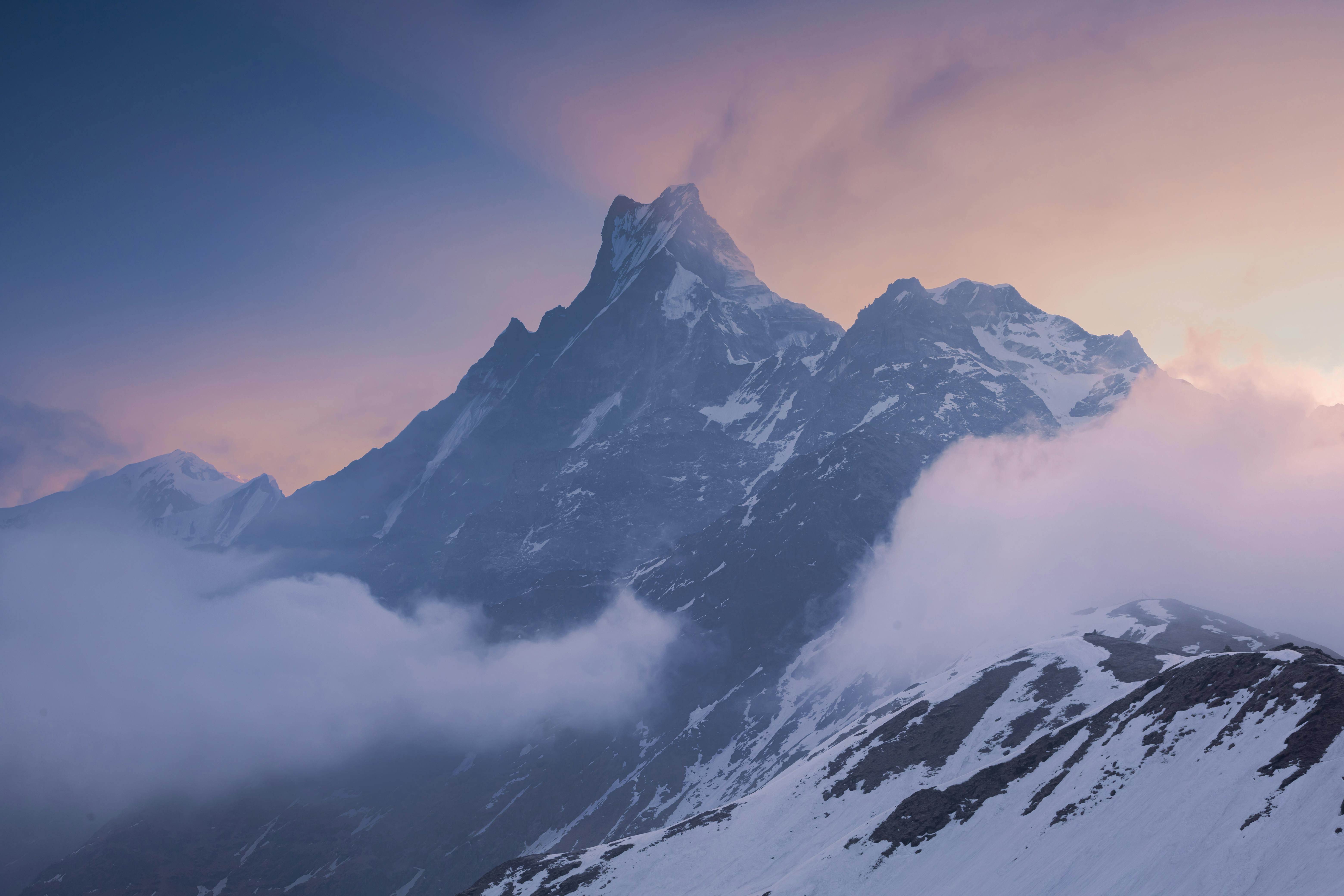
Nepal is one of those rare countries where medieval courtyards, snow-bright Himalayan horizons, and everyday spiritual ritual exist in the same frame. For a 7-day Nepal itinerary, the smartest flow is to combine Kathmandu, the historic capital of the Kathmandu Valley, with Pokhara, the country’s laid-back adventure hub beneath the Annapurna range.
Historically, Nepal was shaped by Malla kings, Newar artisans, mountain trade routes, and a deeply rooted blend of Hindu and Buddhist traditions. You will see that history not in museum labels alone, but in carved timber windows, butter lamps, prayer flags, and old city squares where life still unfolds much as it has for generations.
Practically speaking, March is an excellent time for hiking and photography in Nepal: skies are often clearer, temperatures are pleasant, and mountain views are frequently sharp in the mornings. Keep some cash on hand, dress modestly at religious sites, allow extra buffer for road or domestic travel delays, and eat widely—dal bhat, momos, Newari specialties, and fresh trout in Pokhara are all worth your appetite.
Kathmandu
Kathmandu is noisy, layered, and unforgettable. It is a city of shrine-filled alleys, brass butter lamps, market chaos, rooftop cafés, and stupas that seem to gather the whole sky.
For photographers, Kathmandu offers texture everywhere: saffron-robed pilgrims circling Boudhanath, pigeons exploding over Durbar Square, marigold garlands at Asan Bazaar, and the warm brick palette of Patan at golden hour. For adventurous travelers, it is also the best cultural launchpad before heading toward Nepal’s trekking landscapes.
Where to stay: For heritage-rich comfort, consider Dwarika's Hotel, famous for its Newari craftsmanship and museum-like architecture. For a smart-value base in Thamel, Hotel Yala Peak is a practical choice. For resort-style facilities and easier access to Boudha, Hyatt Regency Kathmandu works well. You can also compare broader options on VRBO Kathmandu or Hotels.com Kathmandu.
Getting there: Fly into Kathmandu and search fares on Trip.com flights or Kiwi.com flights. For this itinerary, plan on arriving in Kathmandu in the afternoon on Day 1.
Day 1 – Arrive in Kathmandu and Settle into Thamel or Boudha
Morning: In transit to Nepal.
Afternoon: Arrive in Kathmandu, transfer to your hotel, and keep the first few hours light. If you stay in Thamel, take an easy orientation walk through its web of trekking shops, bookstores, prayer-flag stalls, and rooftop cafés; if you stay near Boudhanath, begin with a gentle first look at one of the world’s largest stupas as devotees circle clockwise with prayer beads in hand.
Evening: For dinner, start with classic Nepali comfort food at a local favorite such as Thakali-style dining, where a dal bhat set gives you lentils, rice, vegetables, pickle, and curry in a practical, filling format beloved by trekkers. If you want something atmospheric, choose a rooftop restaurant in Thamel for your first city lights and a slow re-entry into energy after the flight; order momos and a local beer, then turn in early to prepare for a full next day.
Day 2 – Kathmandu Heritage, Boudhanath, and Pashupatinath
Morning: Begin at Boudhanath Stupa, ideally early, when the light is soft and the crowds are thinner. This is one of Kathmandu’s best photography locations: the giant painted eyes of the stupa, strings of prayer flags, and the steady circular movement of monks, pilgrims, and locals give your images motion and meaning rather than just monumentality.
Afternoon: Continue to Pashupatinath, Nepal’s most sacred Hindu temple complex, set along the Bagmati River. It is a profoundly important religious site rather than a theatrical stop, so visit with respect; the architecture, river ghats, sadhus, shrines, and ritual rhythms make it one of the most powerful cultural experiences in the valley.
Evening: Have dinner in the Boudha area, where Tibetan and Himalayan food is especially strong. Seek out hand-pulled noodles, thenthuk, or steamed momos, then finish with butter tea or a quieter espresso at a nearby café with stupa views; the stupa illuminated after dark is one of Kathmandu’s simplest and most memorable scenes.
Day 3 – Patan, Durbar Squares, Markets, and Newari Flavors
Morning: Head to Patan Durbar Square, the most visually refined of the valley’s royal squares. The carved windows, tiered temples, bronze details, and reddish-brick courtyards are superb for photography, especially if you like architectural composition and street scenes rather than only sweeping landscapes.
Afternoon: Spend time in the old lanes around Patan, then, if energy allows, continue to Kathmandu Durbar Square and nearby Asan Bazaar. Asan is especially lively for color and human detail—spice piles, copperware, market vendors, and temple corners all reward patient wandering with camera in hand.
Evening: Tonight is the right night for a proper Newari meal. Look for restaurants specializing in dishes such as bara, choila, yomari, and spicy buff preparations; Newari cuisine is one of the valley’s great culinary inheritances, and it gives real depth to the historical story you have been seeing all day.
Pokhara
Pokhara feels like a long exhale after Kathmandu. Set beside Phewa Lake and framed by the Annapurna range on clear days, it is Nepal’s most appealing base for soft adventure, mountain views, lakeside cafés, and easy-access hikes.
This is where your adventurous vibe comes fully into focus. Even without a major trek, Pokhara offers sunrise viewpoints, ridge walks, boating, waterfalls, caves, and some of the best relaxed photography conditions in the country—mist over the lake at dawn, prayer flags against blue sky, and mountain reflections when the weather cooperates.
Where to stay: For a restorative stay with a nature-forward setting, consider The Pavilions Himalayas. For strong value near Lakeside, Hotel Middle Path & Spa is a very sensible mid-range pick. For polished resort comfort, Temple Tree Resort & Spa is a dependable option. You can also browse VRBO Pokhara or Hotels.com Pokhara.
Travel from Kathmandu to Pokhara: The quickest option is a domestic flight, usually about 25-30 minutes airborne, though airport procedures and weather can affect timing; search on Trip.com flights or Kiwi.com flights. If you prefer overland travel and mountain-road scenery, a private or tourist bus transfer usually takes around 7-9 hours depending on conditions.
Day 4 – Travel to Pokhara and Lakeside Introduction
Morning: Depart Kathmandu for Pokhara, ideally on a morning flight to maximize your first afternoon by the lake. Flights are short but weather-sensitive, so keep expectations flexible and avoid packing a tightly timed lunch reservation.
Afternoon: Check in and spend your first hours around Phewa Lake. Rent a boat or simply walk the Lakeside promenade; this is one of the easiest and most satisfying photography sessions of the trip, especially if the water is still enough for mountain reflections and the paddle boats add a little color and movement to your frame.
Evening: Pokhara’s dining is broad and traveler-friendly. Choose a lakeside restaurant for grilled local fish or trout, Nepali thali, or wood-fired pizza if you want a break from curries; afterward, find a café with good coffee and a terrace, because Pokhara is one of the few places in Nepal where lingering over the view feels like a scheduled activity in itself.
Day 5 – Sunrise at Sarangkot, Light Hiking, and Pokhara Sights
Morning: Rise early for Sarangkot, the classic viewpoint above Pokhara. On a clear morning, this is one of the finest Himalayan panoramas accessible without a trek: Annapurna, Machapuchare, and surrounding peaks catch the first light, making it a must for photography and one of the clearest matches for your adventurous brief.
Afternoon: After breakfast and a rest, visit Davis Falls and Gupteshwor Cave, then continue to the World Peace Pagoda if energy permits. The pagoda gives you broad views over Pokhara, Phewa Lake, and the mountains beyond; it is especially rewarding if you enjoy a short active outing rather than a full-day hike.
Evening: Have dinner back in Lakeside. This is a good night for Nepali momos, thakali sets, or a Tibetan meal; if you want something quieter, choose a garden restaurant away from the main strip, then take a slow after-dinner walk by the water where the mood is calmer than Kathmandu and the night air is usually cool.
Day 6 – Adventure Day in Pokhara or Extended Scenic Exploration
Morning: Keep this day flexible for your preferred level of adventure. If you want a stronger hiking element without committing to a trek lodge route, plan a longer ridge or village walk in the hills above Pokhara with repeated mountain views and terraced fields that are excellent for documentary-style photography.
Afternoon: Alternatively, continue exploring Pokhara’s cultural side with the International Mountain Museum, which adds useful context to the Himalayan world—expeditions, mountain communities, geology, and climbing history all come together here. It is especially worthwhile before your final return to Kathmandu because it gives intellectual texture to the landscapes you have been photographing.
Evening: End your final Pokhara night with a standout dinner and a slower pace. Order fresh trout if available, or revisit your favorite local Nepali restaurant for one more dal bhat; if the sky is clear, lakeside after dark can be beautiful in a subtle way, with scattered reflections and far less visual clutter than the capital.
Suggested activity via Viator for the return or an alternate overland option:
- Pokhara To Kathmandu Private Tour with Luxuries Car and Jeep – A convenient private overland transfer if you would rather see the countryside than fly. Expect roughly 7-9 hours depending on traffic and road conditions; it is best for travelers who value flexibility, comfort, and roadside photo stops over speed.

Day 7 – Return to Kathmandu and Departure
Morning: Return from Pokhara to Kathmandu, ideally by morning flight if you have an afternoon international departure. If your onward flight leaves later, a private overland transfer can work, but only if you are building in generous time; domestic weather and road conditions in Nepal always deserve caution.
Afternoon: Depending on your departure schedule, fit in a final coffee and souvenir stop rather than one last major attraction. Good final purchases include pashminas, lokta paper goods, singing bowls, tea, and ethically sourced handicrafts; then transfer to the airport for departure.
Evening: In transit home, with memory cards full of stupas, mountain light, temple squares, and lakeside mornings.
Breakfast, coffee, and meal strategy throughout the trip:
- Kathmandu breakfasts: Use hotel breakfast for early starts, but seek out cafés in Thamel or Boudha for strong espresso, fresh bakery items, and fruit before sightseeing. Rooftop cafés are especially worthwhile because they provide a calmer vantage over the city’s bustle.
- Kathmandu lunches: Aim for Tibetan or Nepali lunches near your sightseeing areas—momos, noodle soups, thukpa, and dal bhat are efficient and satisfying between heritage stops.
- Kathmandu dinners: Prioritize one Thakali meal and one Newari meal. This gives you both the trek-country staple and the valley’s historic local cuisine.
- Pokhara breakfasts: Lakeside cafés are ideal for slow mornings with coffee and mountain weather checks. Order eggs, toast, granola, or Tibetan bread depending on how active your day will be.
- Pokhara lunches: Keep lunch lighter on sightseeing days—soups, momos, sandwiches, or Nepali set meals work well before afternoon viewpoints and walks.
- Pokhara dinners: Reserve evenings for longer meals by the water or in garden restaurants. Trout, Nepali curries, and Tibetan dishes are especially worth trying here.
Budget notes: With a budget level around 50 out of 100, this itinerary is designed as a comfortable mid-range Nepal trip. Choose a value hotel in Kathmandu, a solid mid-range property in Pokhara, use one domestic flight each way if your budget allows, and keep food mostly local; Nepal rewards this approach handsomely, because many of its best experiences—sunrise views, stupa walks, heritage squares, market wandering, and lakeside evenings—are not the most expensive ones.
This 7-day Nepal itinerary gives you two strong sides of the country: the sacred, historic intensity of Kathmandu and the open-air mountain calm of Pokhara. It is adventurous without being punishing, rich in photography opportunities, and practical for a one-week trip that leaves you feeling you have genuinely met Nepal rather than merely passed through it.