
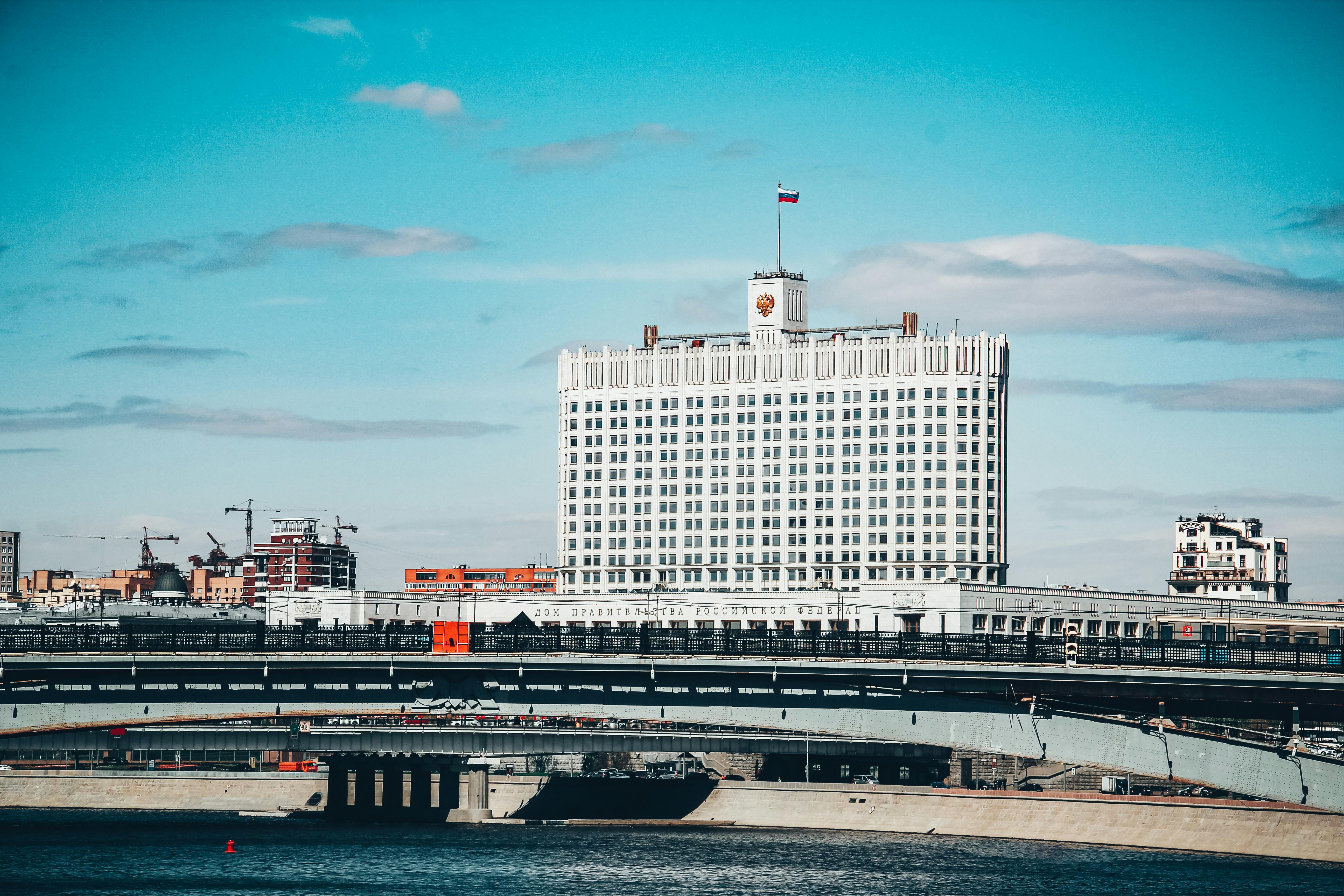
Russia rewards travelers who enjoy scale, drama, and story. In one week, the most logical route is to focus on Moscow and St. Petersburg, the country’s two great urban stages: one built around political power and bold modern energy, the other around imperial elegance, canals, and the long shadow of the Romanovs.
Moscow grew from a medieval principality into the seat of tsars, commissars, and presidents; St. Petersburg was Peter the Great’s audacious “window to Europe,” founded in 1703 on marshland and shaped into an imperial showpiece. Together, they offer the Russian Federation’s most concentrated mix of cathedrals, palaces, metro stations that feel like underground museums, literary history, ballet, and some of Eastern Europe’s most memorable dining.
Practical note: as of March 04, 2025, travelers should check their own government advisories, visa rules, payment limitations, insurance coverage, and local registration requirements before booking. Card acceptance for foreign-issued cards can be inconsistent, so carrying backup cash and confirming hotel payment policies in advance is wise; also note that many museums operate timed entry and some church interiors have dress expectations.
Arrival and intercity travel: For flights into Russia, compare options on Trip.com flights and Kiwi.com flights. For the Moscow–St. Petersburg segment, a high-speed rail journey is usually the smartest choice; browse schedules on Trip.com trains, with typical travel times around 4 to 4.5 hours and fares often starting roughly in the $35-$90 range depending on class and booking window.
Moscow
Moscow is not subtle, and that is part of its power. It is a city of fortified walls, monumental avenues, avant-garde flashes, refined dining rooms, old merchant lanes, and a metro system so beautiful that first-time visitors often turn a commute into an attraction.
The classic sights are rightly famous: the Kremlin, Red Square, and the candy-colored domes of St. Basil’s Cathedral. Yet some of Moscow’s greatest pleasures are more local in feel: breakfast in Patriarch Ponds, riverside walks through Gorky Park, Georgian dinners that stretch long into the night, and café stops in neighborhoods where 19th-century façades stand beside polished contemporary design.
Where to stay: Browse homes and apartments on VRBO Moscow or hotels on Hotels.com Moscow. If you want a central base with easy access to Arbat and the historic core, Arbat House Hotel is a useful address to check.
What to eat in Moscow: For breakfast or coffee, seek out neighborhood cafés around Patriarch Ponds and Tverskaya, where syrniki, blini, and strong coffee make an excellent first meal. For lunch, Soviet-era classics and modern Russian cooking both have their place; for dinner, Georgian restaurants are a Moscow institution, prized for khachapuri, khinkali dumplings, grilled meats, herb-heavy salads, and generous hospitality.
Day 1 – Arrive in Moscow, settle into the historic center
Morning: This is your travel day, so keep the morning reserved for your flight into Moscow. If you still need to price routes, use Trip.com or Kiwi.com for flight comparisons.
Afternoon: Arrive, check in, and spend your first hours on a gentle orientation walk around Red Square. Seeing the Kremlin walls, Lenin’s Mausoleum façade, GUM’s grand arcades, and St. Basil’s Cathedral in person is the right introduction to Moscow: the city announces itself immediately, with pageantry and weight.
Evening: Have an early dinner near the center with a focus on Russian staples such as borscht, beef stroganoff, pelmeni, or caviar pancakes if available. After dinner, stroll through illuminated Red Square and along Nikolskaya Street, where the evening lights and pedestrian atmosphere soften the severity of the surrounding history and make for a memorable first night.
Day 2 – Kremlin treasures, cathedrals, and the old heart of Moscow
Morning: Begin at the Kremlin, the fortified citadel that has served as the symbolic core of Russian power for centuries. Prioritize Cathedral Square, where coronations and burials tied church and state together, and if timing permits, add the Armory for state regalia, carriages, ceremonial armor, and Fabergé pieces that reveal the extravagance of the imperial court.
Afternoon: Visit St. Basil’s Cathedral, whose riot of color is even more striking inside, where intimate chapels and narrow passages feel surprisingly intricate compared with the monument’s theatrical exterior. Continue to Zaryadye Park, a modern landscaped space beside the Kremlin, and walk onto the floating bridge for one of the best river-and-skyline views in the city.
Evening: Dine in Kitay-Gorod or near the boulevard ring, ideally at a restaurant serving either updated Russian cuisine or a classic Georgian spread. A Georgian dinner is especially worth recommending tonight because Moscow does it exceptionally well: order khachapuri adjaruli, khinkali, grilled lamb, pkhali vegetable pâtés, and a carafe of tarragon lemonade for a meal that is convivial, rich, and unmistakably local in habit.
Day 3 – Moscow Metro, fine art, and riverfront life
Morning: Take a curated ride on the Moscow Metro, stopping at stations such as Komsomolskaya, Mayakovskaya, Novoslobodskaya, and Ploshchad Revolyutsii. These stations were designed as palaces for the people, with mosaics, chandeliers, marble, bronze sculptures, and wartime symbolism that turn public transport into a crash course in Soviet aesthetics and ideology.
Afternoon: Head to the Tretyakov Gallery, the essential museum for Russian art, where medieval icons, Repin’s psychological portraits, and sweeping historical canvases give visual form to the country’s politics, religion, and literary imagination. If energy remains, continue toward the river and Gorky Park, whose contemporary revival has made it one of the city’s best places to walk, people-watch, and reset after the intensity of the museum.
Evening: For dinner, pick a stylish restaurant or wine bar around Yakimanka or Patriarch Ponds. End the night with a short riverside walk or a viewpoint stop if available; Moscow after dark feels less ceremonial and more personal, with the city’s monumental surfaces giving way to café light, conversation, and a lived-in rhythm.
Day 4 – Arbat lanes, local cafés, and train to St. Petersburg
Morning: Check out and take a morning high-speed train to St. Petersburg; book via Trip.com trains. The journey is typically about 4 to 4.5 hours and usually costs around $35-$90, and it is preferable to flying because city-center to city-center travel is efficient and comfortable.
Afternoon: Arrive in St. Petersburg, check in, and take an easy walk along Nevsky Prospekt, the city’s grand artery of bookshops, pastry counters, churches, and imperial façades. Pause for coffee and a light lunch in a historic café setting if possible; this is a city that understands the art of lingering over tea, cake, and conversation.
Evening: Have dinner near the center, ideally with a menu that leans into seafood, game, or contemporary Russian fare. Finish with a canalside stroll: St. Petersburg reveals itself best in layers, and the evening light on water, bridges, and pale classical buildings explains why the city has inspired writers, composers, and romantics for more than three centuries.
St. Petersburg
St. Petersburg feels less like a city that grew naturally and more like a grand argument made in stone. Peter the Great wanted a European imperial capital, and the result is a place of sweeping avenues, pastel palaces, baroque flourishes, literary ghosts, white nights in summer, and museums so rich they can easily occupy an entire trip.
The essential landmarks are legendary: the Hermitage Museum, Palace Square, the Church of the Savior on Spilled Blood, and the canal network that gives parts of the city a faintly northern-Venetian mood. But St. Petersburg also excels in details: courtyards, elegant coffeehouses, old apartment districts, serious bread and pastry culture, and intimate music and ballet venues.
Where to stay: Search apartments on VRBO St. Petersburg or hotels on Hotels.com St. Petersburg. Staying near Nevsky Prospekt or the Admiralteysky area keeps major sights, dining, and transport within easy reach.
What to eat in St. Petersburg: Start mornings with syrniki, buckwheat porridge, fresh pastries, and coffee in one of the city’s polished café spaces. For lunch, seek out soups, pirozhki, or a smart business lunch menu; dinners can range from old-world Russian dining rooms to inventive contemporary kitchens, often with strong dessert and tea service.
Day 5 – Hermitage masterpieces and the imperial center
Morning: Start early at the Hermitage Museum, one of the world’s great collections, housed largely in the Winter Palace. Even travelers who do not usually plan museum-heavy trips should make time here: the state rooms alone are worth the visit, and the collection moves from antiquities to Rembrandt, Rubens, and French masters in a way that mirrors imperial ambition on a staggering scale.
Afternoon: Step out into Palace Square and then walk toward the Admiralty and along the Neva embankments. Stop for lunch at a refined café or bistro nearby, then continue to St. Isaac’s Cathedral, whose immense dome dominates the city skyline; climbing the colonnade, if open, gives a superb panorama over canals, cupolas, and avenues.
Evening: Book a special dinner tonight in the historic center. This is the right evening for a slower meal with multiple courses—perhaps local fish, mushrooms, beet preparations, or duck—because St. Petersburg shines when dining feels part salon, part stage set, and part history lesson.
Day 6 – Savior on Spilled Blood, canals, and literary Petersburg
Morning: Visit the Church of the Savior on Spilled Blood, built on the site where Emperor Alexander II was fatally wounded in 1881. Its exterior recalls old Russian church forms, but the interior is the true marvel: vast fields of mosaics create a jewel-box effect that feels far more intimate and emotional than many European cathedrals of similar fame.
Afternoon: Walk through the canals district, crossing small bridges and exploring side streets that reveal the city beyond the postcard façade. This is a good time for a leisurely lunch—perhaps pastries and soup in a café, or a full meal centered on dumplings, blini, or Baltic-influenced seafood—followed by a visit to a literary or apartment museum if one matches your interests, particularly Dostoevsky-related sites for travelers drawn to the city’s darker intellectual history.
Evening: Spend the evening with a cultural performance if tickets are available, such as ballet, opera, or chamber music. St. Petersburg’s performing arts tradition is not decorative background but part of the city’s identity, and ending the day in a historic theater adds a distinctly local grandeur that sightseeing alone cannot provide.
Day 7 – Peter and Paul Fortress, final views, and departure
Morning: Visit the Peter and Paul Fortress, the original citadel of St. Petersburg and the burial place of many Romanovs. The site is crucial because it explains the city’s foundation story: before the palace façades and ceremonial avenues came this strategic outpost, intended to secure Peter the Great’s northern project.
Afternoon: Enjoy a final lunch near the center, then make your way to the airport or station for departure. If time allows before leaving, fit in one last walk on Nevsky Prospekt or along the embankment for a final look at the city’s measured, luminous grandeur.
Evening: Departure.
This 7-day Russian Federation itinerary gives you the country’s most rewarding first encounter: Moscow for power, symbolism, and bold energy; St. Petersburg for imperial beauty, art, and water-bound elegance. It is a journey through cathedrals, museums, café culture, and the long afterlife of empire—dense with history, but still full of everyday pleasures.