
7 Days in Moscow: A Grand City Break Through Red Square, Art, History & Russian Cuisine
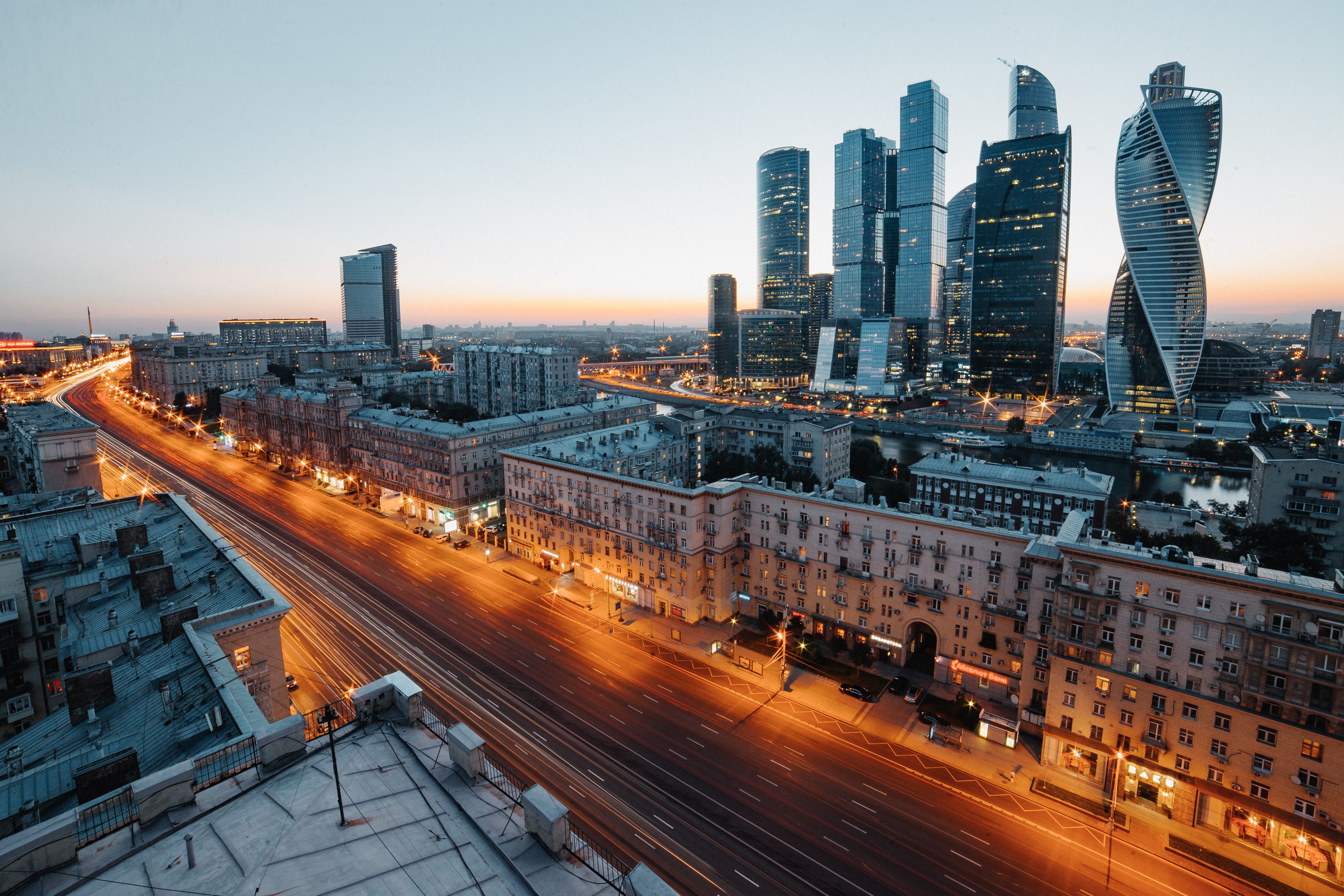
Moscow is a city of crowns and revolutions, onion domes and avant-garde experiments, solemn monasteries and extravagant department stores. First mentioned in 1147, it grew from a frontier settlement into the seat of princes, tsars, Soviet power, and modern Russian political life, leaving behind a skyline where medieval cathedrals and Stalinist towers still hold a conversation across centuries.
What makes Moscow so memorable is its theatrical contrast. One hour you are standing before Saint Basil’s Cathedral, that delirious burst of color at the edge of Red Square; the next, you are descending into Metro stations built like underground palaces, then dining on Georgian dumplings or refined Russian tasting menus in neighborhoods that hum late into the night.
For practical planning, allow extra time for security checks at major attractions, carry your passport copy and entry documents as required, and confirm museum hours a few days in advance since closures and timed-entry policies can shift. Moscow’s cuisine goes well beyond borscht and caviar: look for Georgian khachapuri, Armenian grills, Soviet-era comfort food, honey cake, syrniki, and excellent specialty coffee, all of which make this 7-day Moscow itinerary feel as much culinary as cultural.
Moscow
Moscow is not a city that reveals itself all at once. It arrives in layers: Kremlin walls glowing red at sunset, boulevard rings lined with grand apartments, hidden monastery courtyards, bookshops, river embankments, and cafés full of students, diplomats, artists, and families.
This is Russia’s political heart and one of Europe’s great cultural capitals, with major ballet, opera, painting, and decorative arts collections. It is also a city of neighborhoods: Tverskaya for big-city energy, Kitay-Gorod for historic lanes, Patriarch’s Ponds for stylish dining, Zamoskvorechye for old Moscow atmosphere, and Sparrow Hills for wide panoramas.
For where to stay, browse apartments and guest stays on VRBO Moscow or compare centrally located hotels on Hotels.com Moscow. If you want a classic address near the Kremlin, consider The Ritz-Carlton, Moscow; for a more modest central base with good access to Arbat and the center, look at Arbat House Hotel or the hotel’s official page at Arbat House Hotel.
To reach Moscow, compare air routes on Omio flights if you are traveling from Europe, or use Trip.com flights for broader international search options. Since this itinerary stays in one city, local transport will mainly be by Metro, taxi apps, and walking; Moscow’s Metro is fast, inexpensive, and worth riding as an attraction in its own right.
- Why stay central: Areas around Tverskaya, Okhotny Ryad, Arbat, Kropotkinskaya, and Kitay-Gorod reduce transit time and make evening strolls far more enjoyable.
- Best food styles to seek out: Traditional Russian, Georgian, contemporary Slavic, Armenian barbecue, and bakery-café breakfasts.
- Local fun fact: Several Moscow Metro stations were designed to function as propaganda palaces, with mosaics, chandeliers, marble, and bronze intended to elevate everyday life into civic spectacle.
Day 1: Arrival in Moscow and a First Taste of the Historic Center
Morning: This is your arrival day, so keep the morning reserved for transit. If your flight timing allows, pre-book or compare airport transfer options and flights through Omio or Trip.com, then settle into your hotel and freshen up after arrival.
Afternoon: Start gently with a walk around Red Square, the symbolic heart of Moscow and one of the world’s most recognized urban spaces. Stand before Saint Basil’s Cathedral to admire its 16th-century domes, then take in the State Historical Museum façade and the long red Kremlin wall; even if you save interior visits for later, this first encounter gives the city its dramatic opening note.
Afternoon: Step into GUM, the grand arcade facing Red Square, not just for shopping but for architecture: glass-vaulted ceilings, elegant bridges, and a polished imperial-meets-Soviet atmosphere. Pause for the famous old-fashioned ice cream sold inside; it is a small Moscow ritual and an easy way to join local tradition.
Evening: For dinner, book a table at Dr. Zhivago, just off Manezhnaya Square, one of the strongest introductions to contemporary Russian dining in the center. The room is bright and stylish, the menu is broad enough for first-time visitors, and dishes such as borscht, pelmeni, Olivier salad, and syrniki let you sample classics without the meal feeling like a museum exercise.
Evening: If Dr. Zhivago is full, consider Café Pushkin for a more theatrical setting, where aristocratic interiors, old-library romance, and polished Russian and French-inflected dishes create a memorable first night. End with a short illuminated walk toward Nikolskaya Street, whose festive lights and lively pedestrian scene make Moscow feel grand rather than stern.
Day 2: The Kremlin, Cathedrals, and Alexandrovsky Garden
Morning: Begin early at the Moscow Kremlin, the fortified complex that has served as a seat of power for centuries. Prioritize Cathedral Square, where the Assumption, Annunciation, and Archangel cathedrals contain royal tombs, icons, and the ceremonial spaces that once shaped Russian statehood.
Morning: If tickets and timing align, add the Armoury Chamber, one of Moscow’s richest collections of imperial artifacts. Its carriages, Fabergé pieces, coronation regalia, and ceremonial objects give useful texture to the abstract phrase “tsarist grandeur,” making Russian history tangible in gold, enamel, silk, and steel.
Afternoon: Lunch at Beluga is an excellent option if you want a refined midday meal with a strong Russian identity; it is known for caviar, seafood, elegant service, and a menu that treats national traditions seriously without feeling heavy-handed. For something quicker and less formal, Bosco Café inside GUM offers a pleasant people-watching perch and a polished central location.
Afternoon: After lunch, stroll through Alexandrovsky Garden, where locals rest beneath old trees beside the Kremlin walls. Visit the Tomb of the Unknown Soldier and watch for the changing of the guard; the ceremony is brief but solemn, and it adds a civic note to a day otherwise filled with dynastic history.
Evening: Spend the evening at the Bolshoi Theatre area, even if you do not attend a performance. The building itself is a landmark of Russian cultural prestige, and nearby streets offer handsome facades and a slightly more formal evening atmosphere.
Evening: For dinner, try Savva, where modern Russian cuisine is handled with restraint and imagination in a location convenient to the theater district. If you prefer Georgian flavors, head to a respected branch of Khachapuri or another central Georgian restaurant for cheese-filled bread, khinkali dumplings, grilled meats, and bright herb-heavy salads that locals return to constantly.
Day 3: Tretyakov Gallery and Old Moscow in Zamoskvorechye
Morning: Start with breakfast and coffee at Coffeemania, a dependable Moscow favorite known for strong espresso, polished service, and a menu that goes beyond pastries into substantial breakfast plates. If you want something more intimate, seek out a neighborhood specialty café near Tretyakovskaya for syrniki, porridge, or eggs before museum time.
Morning: Then head to the State Tretyakov Gallery, the essential museum for Russian art. Its collection moves from medieval icons to Repin, Surikov, Vasnetsov, and other masters who make Russia’s religious, literary, and political imagination legible even to first-time visitors.
Afternoon: Stay in Zamoskvorechye for lunch, a district that still holds a slower, older Moscow rhythm. Look for a classic Georgian lunch at a local restaurant nearby, where you can try lobio bean stew, khachapuri, and khinkali; Georgian cuisine is one of Moscow’s great pleasures because it is both comforting and vivid, rich in herbs, walnut, garlic, and smoke.
Afternoon: After lunch, wander the side streets around Ordynka and Pyatnitskaya, where merchant houses, church domes, and lower-rise streetscapes preserve a more intimate scale than the monumental center. If energy allows, continue to the New Tretyakov for 20th-century and Soviet-era art, which adds a fascinating ideological counterpoint to the morning’s classical collection.
Evening: Dine at Matryoshka if you want an atmospheric take on Russian cuisine with handsome interiors and a menu rooted in historical recipes. The restaurant is especially good for guests who want to understand Russian food beyond stereotypes, with dishes that show regional breadth and old culinary influences.
Evening: After dinner, take a riverfront stroll if weather permits, or return by Metro and admire stations along the route. Komsomolskaya, Mayakovskaya, Novoslobodskaya, and Ploshchad Revolyutsii are especially famous, and seeing them at night, when crowds thin slightly, makes their mosaics, bronze figures, and chandeliers easier to appreciate.
Day 4: Arbat, Pushkin Museum, and Cathedral Views
Morning: Begin with breakfast near Arbat at a café known for pastries, blini, or eggs, then walk Old Arbat before it becomes too busy. The street can be touristy, but its performers, souvenir shops, historic houses, and literary associations still offer a useful glimpse into how Moscow stages its own cultural mythology.
Morning: Continue to the Pushkin State Museum of Fine Arts, one of the city’s major art museums for European collections. This is a smart complement to the Tretyakov: where yesterday focused on Russian artistic identity, today broadens the lens to classical antiquity and Western European painting.
Afternoon: Lunch at a central café around Kropotkinskaya works well, especially if you can find a place serving fresh soups, salads, and baked goods for a lighter break. Then visit the Cathedral of Christ the Saviour, rebuilt after the Soviet period and now one of Moscow’s most commanding landmarks, with sweeping river and city views from the area around it.
Afternoon: If you enjoy urban landscapes, cross the Patriarshy Bridge for some of the best photographic angles in central Moscow. The view combines church domes, river movement, Stalinist silhouettes, and the layered cityscape that helps explain why Moscow so often feels both imperial and cinematic.
Evening: Head to Patriarch’s Ponds for dinner, one of Moscow’s most stylish and socially animated districts. This area is ideal for a more contemporary evening, with upscale dining rooms, wine bars, and a literary aura linked to Mikhail Bulgakov and The Master and Margarita.
Evening: Choose a dinner spot with a strong local reputation rather than a generic international menu. A good bistro or modern Russian restaurant here lets you see another side of Moscow: fashionable, conversational, and distinctly urban, less ceremonial than the Kremlin district and more lived-in after dark.
Day 5: Novodevichy Convent, Sparrow Hills, and Moscow State University
Morning: Start with coffee and breakfast before heading to Novodevichy Convent, one of Moscow’s most beautiful historic ensembles and a UNESCO-listed site. Its red-and-white walls, reflective ponds, and layered history involving noblewomen, dynastic politics, and religious life make it quieter but no less compelling than the city’s headline attractions.
Morning: If open and accessible during your visit, pair the convent grounds with Novodevichy Cemetery, where many of Russia’s most notable cultural and political figures are buried. It is a remarkably sculptural place, with memorials that read like a condensed history of Russian literature, music, and state power.
Afternoon: For lunch, choose a solid local restaurant in the southwest of the city or around your route toward Sparrow Hills. This is a good moment for something hearty but not too heavy: grilled meats, soups, or Georgian dishes work well before an afternoon outdoors.
Afternoon: Continue to Sparrow Hills for one of Moscow’s classic viewpoints. From the overlook, you can take in the sweep of the city and admire Moscow State University, one of the Seven Sisters skyscrapers, whose wedding-cake silhouette embodies Stalin-era monumentality on an almost operatic scale.
Evening: If you enjoy a more active evening, consider a river cruise or a waterside walk, depending on the season. Seeing Moscow from the river reframes the city’s architecture, turning embankments, churches, bridges, and civic monuments into a slow-moving panorama.
Evening: For dinner, seek out a reputable Armenian or Georgian restaurant, both of which are excellent in Moscow. Armenian cuisine brings superb grilled meats, lavash, herbs, and smoky vegetable dishes; Georgian menus, meanwhile, offer convivial variety and are ideal for sharing after a day of long walks.
Day 6: VDNKh, Cosmonautics, and Soviet Grandeur
Morning: Begin with an early breakfast, then ride the Metro to VDNKh, one of Moscow’s most intriguing large-scale public spaces. Originally conceived as a Soviet exhibition complex, it remains an extraordinary mix of pavilions, fountains, ideological architecture, landscaped paths, and nostalgic urban theater.
Morning: Pair VDNKh with the Museum of Cosmonautics, located near the Monument to the Conquerors of Space. This is one of the city’s most rewarding museums for travelers interested in science, Cold War history, and the Soviet dream of the future, with exhibits that make the space race feel both technical and deeply human.
Afternoon: Lunch in the area can be casual; choose a café where you can rest your feet and refuel before more walking. If you want variety, VDNKh’s broad grounds often make it easier to find a flexible meal rather than one destination restaurant, though quality can vary, so favor well-reviewed sit-down spots over kiosks.
Afternoon: Spend the second half of the day exploring more of the exhibition grounds and nearby green spaces. The pavilions reveal how the Soviet Union displayed agriculture, industry, and republic identities through architecture; even when exhibitions change, the site itself remains a vivid document of state ambition rendered in stone, ornament, and scale.
Evening: Return to the center for a memorable dinner in a classic Russian restaurant or a contemporary chef-led dining room. This is a good night for a slower meal with zakuski, fish, dumplings, and dessert such as medovik honey cake, allowing time to reflect on how different today’s Moscow felt from the medieval and imperial city of earlier days.
Evening: If you still have energy, finish with a final Metro ride through one or two stations you have not yet seen. Moscow’s underground is one of the few transit systems where a late-night detour for chandeliers, mosaics, and marble feels genuinely essential to the trip.
Day 7: Markets, Souvenirs, and Departure
Morning: Use your final morning for a relaxed breakfast at a café near your hotel. Order syrniki if you have not yet tried them properly; these soft cheese pancakes, often served with sour cream, jam, or berries, are one of the city’s most appealing breakfast traditions.
Morning: Then choose a final, manageable activity based on your interests: souvenir browsing around central shopping arcades, a quick stop at a favorite church or square for photographs, or a visit to a food market for edible gifts. Danilovsky Market is a strong option if logistics allow, as it gives one last look at modern Moscow’s appetite for both tradition and international flavors.
Afternoon: Return to your hotel, collect luggage, and transfer to the airport for departure. For flight comparisons and last-minute route checks, use Omio flights if traveling onward within or from Europe, or Trip.com flights for broader international searches.
Evening: Departure day typically ends in transit, but if your flight is later than expected and you have time for one final meal, keep it simple and central. A final bowl of borscht, a plate of pelmeni, or a coffee with honey cake is a fitting coda to a city that excels at both grandeur and comfort.
Over seven days, this Moscow itinerary moves from Kremlin power and cathedral history to art museums, literary neighborhoods, Soviet monuments, and deeply satisfying meals. It is a trip built for travelers who want more than checklists: a week in Moscow can be stately, surprising, and full of detail, the kind of city break that stays vivid long after the flight home.