
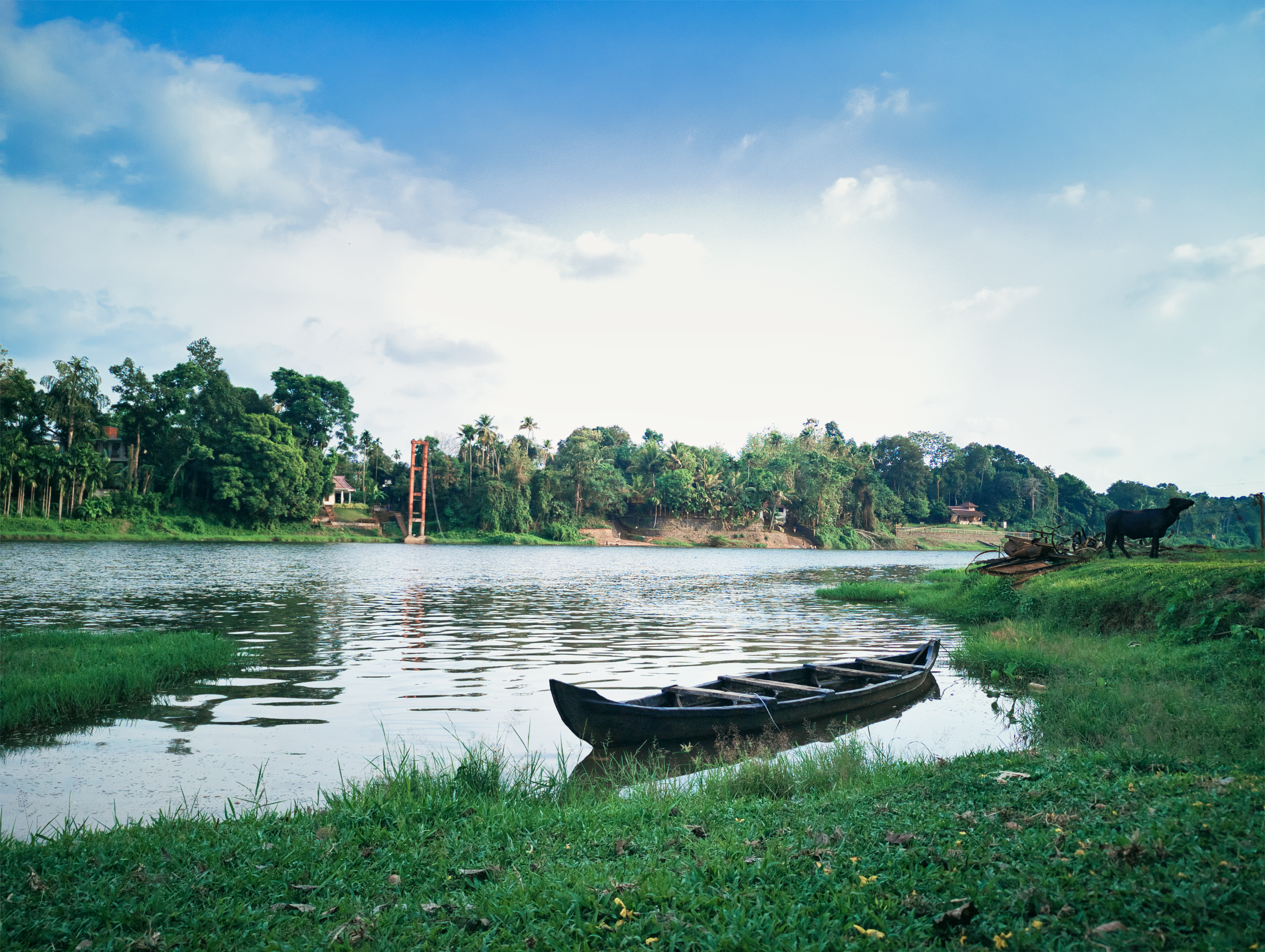
North Kerala rewards travelers who prefer texture over spectacle. Malappuram district, long shaped by trade routes, scholarly traditions, and the distinct Moplah Muslim culture of the Malabar Coast, offers a quieter side of Kerala—one of hill viewpoints, mosques, riverbanks, teak plantations, and food that lingers in memory long after the trip ends.
Kozhikode, historically known as Calicut, adds a maritime counterpoint. This is the city tied to the old spice trade and to Vasco da Gama’s 1498 landing nearby, but it is also gloriously contemporary: crowded beach promenades, beloved bakeries, legendary biryani spots, and some of the best snack culture in South India.
For a 7-day trip, pairing Malappuram with Kozhikode makes the most sense geographically and culturally. Plan for warm, humid weather, modest dress at religious sites, and flexible pacing around traffic; the route is best enjoyed with a hired car or app-based taxis for local sightseeing, while arrivals and departures are easiest via Kozhikode International Airport near Karipur.
Arrival and intercity travel: For the most convenient gateway, search flights into Kozhikode International Airport (CCJ) via Trip.com flights or Kiwi.com flights. Malappuram town is roughly 45–60 minutes by road from the airport, depending on traffic, with taxi fares commonly around ₹1,200–₹2,000. Later in the week, the road transfer from Malappuram to Kozhikode city typically takes about 1.5–2 hours and generally costs around ₹2,500–₹4,500 by private cab, depending on vehicle type and stops.
Malappuram
Malappuram is not a place that shouts. It unfolds gradually through mosque towns, green ridges, river views, and stories tied to scholars, traders, anti-colonial struggles, and one of Kerala’s richest food traditions.
This is an excellent base for travelers who enjoy cultural immersion rather than a checklist of monuments. Expect short scenic drives, generous meals, and encounters with a less-touristed Kerala that feels rooted, intelligent, and deeply local.
Where to stay: Browse stays in Malappuram on VRBO or Hotels.com. If you prefer being closer to the airport and easier day trips, also consider Karipur or Kondotty-area properties while keeping Malappuram district as your sightseeing focus.
Local food notes: Look for Malabar biryani, pathiri, unnakkaya, mutta mala, erachi pathil, and strong Kerala-style tea. In this region, bakeries and small family restaurants are often as memorable as formal dining rooms, especially for breakfast and evening snacks.
Day 1 - Arrive in Malappuram and settle into North Kerala rhythm
Morning: Not applicable for touring, as this itinerary assumes you are in transit. Search your incoming flight options on Trip.com or Kiwi.com, aiming for an afternoon arrival into Kozhikode International Airport for the smoothest first day.
Afternoon: Arrive at Kozhikode International Airport and transfer to your hotel in Malappuram. After check-in and a short rest, begin gently with a local orientation drive through Malappuram town and nearby neighborhoods to get a feel for the district’s pace, architecture, and tea-shop culture.
Evening: Keep the first evening easy with tea and snacks at a well-regarded local bakery or café such as a branch of MRA Bakery or another busy Malabar bakery you spot filled with locals; these are ideal places to try puffs, cutlets, banana fritters, and fresh tea. For dinner, choose a respected local restaurant serving Malabar staples—order chicken or mutton biryani, pathiri, and a grilled fish preparation if available—then turn in early to recover from travel.
Day 2 - Kottakkunnu, town heritage, and classic Malabar flavors
Morning: Start with breakfast at a popular local restaurant or bakery café: appam with stew, puttu with kadala curry, or ghee roast with sambar are all good options depending on what your hotel serves best. Then head to Kottakkunnu, the hill garden area above Malappuram, one of the district’s most accessible viewpoints and public leisure spaces, where you can enjoy green vistas, open-air monuments, and a sense of the town spread below.
Afternoon: After lunch, continue with easy heritage-oriented exploration in and around Malappuram town. If you enjoy local history, use the afternoon for a relaxed drive to sites associated with the region’s anti-colonial past and older mosque-centered settlements; the value here is less in monumental grandeur than in understanding Malappuram’s layered identity through conversation, architecture, and local observation.
Evening: Return for sunset at or near Kottakkunnu if the weather is clear, as the late light is often softer and more atmospheric than midday. For dinner, seek out a restaurant known for Kerala-style meals or Malabar biryani; if available, try beef roast with porotta, meen curry, or a full meals spread served on steel thalis, then finish with a local dessert such as unnakkaya or a bakery-made plum cake.
Day 3 - Nilambur day trip: teak, river scenery, and literary Kerala
Morning: Leave after breakfast for Nilambur, one of the most rewarding excursions in Malappuram district, roughly 1.5–2 hours from central Malappuram depending on your base. Nilambur is associated with teak plantations, forest landscapes, and a gentler riverine setting, making it ideal for travelers who want a break from town traffic and a deeper look at inland Kerala.
Afternoon: Visit the famed Teak Museum, widely known as one of the few museums in the world devoted to teak, where exhibits explain forestry, timber history, and the botanical importance of the region. Pair it with time in the surrounding plantation landscape and, if conditions allow, a visit toward the Conolly's Plot area, celebrated as one of the oldest teak plantations in the world and a place that gives real context to Nilambur’s historical importance.
Evening: Before returning, have tea and light snacks in Nilambur town—look for a busy spot serving pazhampori, sukhiyan, and chai rather than an empty room with a long menu. Back in Malappuram, keep dinner simple; after a full excursion day, a meal of appam with chicken roast, pathiri with curry, or a fresh tandoor-style fish dish is more satisfying than overplanning.
Day 4 - Kottakkal and Kerala healing traditions
Morning: Begin with breakfast and then drive to Kottakkal, one of Malappuram district’s best-known names thanks to its association with Ayurveda, especially the long-established Arya Vaidya Sala tradition. Even if you are not booking a full treatment program, the town is worth visiting for its role in Kerala’s medical heritage and its distinctly scholarly atmosphere.
Afternoon: Spend the afternoon exploring Kottakkal at a relaxed pace. If available through your hotel or local operator, arrange a short Ayurvedic consultation or wellness treatment; even a simple therapeutic massage can be a refreshing contrast to sightseeing-heavy days, and it gives you insight into how deeply Ayurveda is woven into daily life here rather than being only a spa concept for visitors.
Evening: Return to Malappuram for an unhurried evening tea break. Dinner is a good chance to focus on Moplah cuisine in greater depth: ask for dishes such as erachi pathiri, alisa if available seasonally, or a rich curry with coin-thin pathiri, and do not skip a bakery stop afterward for sweet bites like mutta mala or coconut-filled pastries.
Day 5 - Transfer to Kozhikode via Kondotty and coastal arrival
Morning: After breakfast, check out and depart for Kozhikode city by road. The journey usually takes around 1.5–2 hours; if you are arranging onward rail travel elsewhere in India after the trip, you can also browse regional train options via Trip.com trains, though for this particular transfer a private car is far more practical.
Afternoon: En route, consider a stop around Kondotty, known for the Pazhayangadi Mosque area and its place in regional devotional culture, before continuing west toward the coast. Arrive in Kozhikode, check in, and take a short rest before your first promenade walk in one of Kerala’s most food-loving cities.
Evening: Head to Kozhikode Beach for sunset. The beach itself is more urban social stage than castaway fantasy, and that is exactly its appeal: families gathering, snack stalls frying local favorites, old piers reaching into the Arabian Sea, and a long evening breeze that makes the city immediately likable. For dinner, choose one of Kozhikode’s famous biryani institutions—Paragon is the most famous name and still a strong recommendation for its consistently excellent Malabar biryani and seafood, while KBC or other respected local restaurants can offer worthy alternatives with shorter waits.
Kozhikode
Kozhikode has style without pretension. It is a port city of old trading memory, beloved restaurants, excellent sweets, and streets where Arab, South Indian, and colonial-era influences have mingled for centuries.
Travelers often come for a night and wish they had given it three. That extra time is what turns Kozhikode from a transit stop into one of the most delicious and historically rich urban experiences in Kerala.
Where to stay: Browse city stays on VRBO or Hotels.com. Staying near the beach road, Mananchira, or central commercial districts works well for food-focused evenings and easy local transport.
What to eat here: Kozhikode is a pilgrimage site for Malabar biryani, seafood fry, kallummakkaya dishes, halwa, and bakery snacks. Come hungry, and do not waste dinners on generic multicuisine menus unless convenience absolutely requires it.
Day 6 - Mananchira, SM Street, and the edible history of Calicut
Morning: Start with breakfast at a respected local café or hotel restaurant—look for Kerala staples such as puttu, idiyappam, egg roast, and strong filter coffee or tea. Then visit Mananchira Square, a historic urban park centered on a tank associated with the Zamorin rulers; it is one of the best places to begin understanding Kozhikode because the city’s political and cultural memory sits so close to its modern street life.
Afternoon: Continue to SM Street (Sweet Meat Street), one of Kozhikode’s most storied commercial areas. The name itself points to the city’s confectionery history, and the neighborhood remains superb for browsing halwa shops, spice sellers, textiles, and snack counters. Stop for lunch at a classic Kozhikode restaurant—if Paragon was not on last night’s agenda, make it today; otherwise consider a seafood-focused place and order fish mango curry, prawns, or squid dishes with Kerala rice or appam.
Evening: Dedicate the evening to Kozhikode’s snack and dessert culture. Visit a trusted halwa shop and sample the city’s glossy, jewel-toned halwas, then pair that with banana chips, cutlets, and tea. For dinner, try a place known for non-biryani Malabar specialties so the trip does not become repetitive: grilled king fish, kallummakkaya preparations if available, pathiri with chicken curry, or a full Kerala meals service are all excellent choices.
Day 7 - Beypore morning, final seafood lunch, and departure
Morning: On your final full touring morning, head to Beypore, roughly 30–40 minutes from central Kozhikode depending on traffic. Beypore is one of Kerala’s old port settlements and remains famous for traditional uru boatbuilding, a craft linked to centuries of maritime trade with the Arabian Peninsula. If timing works, walk the Beypore Pulimuttu promenade and watch local life unfold around the estuary and sea.
Afternoon: Return toward the city or head directly toward the airport depending on your departure schedule. Have an early lunch focused on coastal Malabar seafood—fish fry, prawn roast, crab if in season, or a final plate of Kozhikode biryani if you want one last classic—then transfer to Kozhikode International Airport. For your onward journey, search flights on Trip.com flights or Kiwi.com flights.
Evening: Most travelers will be in transit by evening. If you have a late departure and remain in the city a little longer, keep the final stop simple: one last tea, a box of halwa or banana chips for the journey, and a quiet look at the Arabian Sea before leaving North Kerala behind.
This 7-day Malappuram and Kozhikode itinerary offers a rare balance of inland culture and coastal history. You will leave with a richer understanding of North Kerala—not just its sights, but its conversations, flavors, and textures—and that is usually what turns a good trip into one people revisit in memory for years.