
Madrid has long been a capital of courts, artists, and restless night owls. What began as a medieval settlement became the seat of the Spanish monarchy in the 16th century, and that layered history still shows in its royal squares, baroque churches, literary streets, and world-class museums.
It is also a city of pleasures practiced with conviction: late lunches, vermouth before meals, sunset walks, and dinners that begin when other cities are already asleep. The Prado, Royal Palace, Retiro Park, Plaza Mayor, and Gran Vía are the headline acts, but Madrid rewards travelers who venture beyond postcard circuits into neighborhoods where daily life feels wonderfully intact.
For this trip, it makes sense to treat Madrid and Puente de Vallecas as two complementary bases within greater Madrid rather than separate long-haul destinations. You will not need intercity transport, but you should expect efficient metro rides of roughly 15-30 minutes between central Madrid and Puente de Vallecas; for airport arrival and departure, compare options on Omio flights, and for local rail and transit planning within Europe, Omio trains can be useful for broader onward travel.
Madrid
Madrid is splendid without being stiff. One hour you are standing before Velázquez at the Prado; the next, you are eating gildas and croquetas in a century-old taberna while office workers and grandmothers carry on around you.
The city’s great advantage is variety packed into manageable distances. The Austrias quarter preserves Habsburg Madrid, the Literary Quarter hums with café culture, Salamanca offers elegant shopping and polished dining, and Retiro provides the green lung that makes long urban days feel lighter.
For accommodations, central Madrid works best on a first visit. Consider The Westin Palace, Madrid for a historic address near the Prado, Gran Meliá Palacio de los Duques for a refined stay near the Royal Palace, Novotel Madrid Center for practical comfort with strong transport links, Hostal Persal for a solid value option near Sol, or browse broader options on VRBO Madrid and Hotels.com Madrid.
Top experiences to consider in Madrid:
- Madrid in a Day Tour:Royal Palace, Historic Center & Prado Museum — an efficient deep dive for travelers who want context, skip-the-line convenience, and a strong historical overview.
- Prado Museum Guided Tour with Skip-the-Line Ticket — ideal if you want expert guidance through masterpieces by Velázquez, Goya, Rubens, and more.
- Madrid Tapas & Wine Tasting Walking Tour – Small Group Local Bars — a smart way to learn how Madrileños actually eat and drink, rather than guessing from menus.
- Essential Flamenco: Pure Flamenco Show in the Heart of Madrid — intimate and focused, with the emotional immediacy that makes flamenco unforgettable.


Day 1 - Arrival in Madrid and First Taste of the City
Morning: Arrival day assumes you are still in transit, so keep the morning flexible. If you are landing early, use the time to transfer in and settle at your hotel rather than overplanning.
Afternoon: After check-in, ease into Madrid with a walk through Puerta del Sol, Plaza Mayor, and the surrounding streets of the old center. This is the ceremonial heart of the capital, where arcaded squares, tile-fronted taverns, and narrow lanes offer an immediate sense of Madrid’s history without demanding museum-level concentration on a travel day.
For a late lunch or substantial snack, head to Casa Revuelta for bacalao frito, a famously simple fried cod that locals still line up for, or stop at Los Galayos near Plaza Mayor for classic Castilian dishes in a historic setting. If you want coffee and something sweet first, La Mallorquina remains a classic for pastries, especially napolitanas, and its location near Sol makes it convenient on arrival.
Evening: Keep the first night atmospheric rather than ambitious. Walk to the Royal Palace exterior and Almudena Cathedral area around sunset, when the stone glows and the crowds thin, then have dinner at Taberna La Concha in La Latina, where vermouth, tostas, and seasonal tapas make for a gentle introduction to Madrid’s bar culture.
If you still have energy, continue with a short stroll through La Latina and the Cava Baja area. The point tonight is not to conquer the city, but to let Madrid reveal its tempo: slow apertivo, late dinner, and streets that stay alive well after dark.
Day 2 - Royal Madrid, Old Town, and a Flamenco Night
Morning: Start with the Madrid: Royal Palace Guided Tour with Skip the Line Ticket. The palace is one of Europe’s grandest royal residences, and a guided visit helps make sense of the Bourbon dynastic symbolism, ceremonial rooms, and decorative excess that can otherwise blur together.

Before the tour, grab breakfast at Café de Oriente for a more polished setting with palace views, or choose a quicker espresso-and-tostada stop nearby if you want to maximize sightseeing time. After the palace, walk through Plaza de la Villa and the medieval traces of old Madrid, where the city still feels compact and pre-imperial.
Afternoon: Have lunch at Casa Lucio if you are keen on a storied Madrid dining room and its famous huevos rotos, or opt for Posada de la Villa for roast meats and old-inn ambience. Then wander through the Literary Quarter, where Cervantes and Lope de Vega once lived, and pause in Plaza de Santa Ana for people-watching.
If you want a fuller combined historical experience, you could substitute the morning with Madrid Old Town & Royal Palace Walking Tour Skip the Line Ticket, which pairs the monument with street-level context. It is especially good for first-time visitors who prefer stories over solo wandering.
Evening: Reserve a flamenco performance with Essential Flamenco: Pure Flamenco Show in the Heart of Madrid. This is a strong choice because it emphasizes the art form itself rather than turning the evening into a tourist spectacle with too many distractions.
Have dinner before the show at El Sur, beloved for Andalusian-influenced Spanish cooking, or after the performance at La Venencia area bars if you want to keep the night old-school and slightly bohemian. Order jamón ibérico, tortilla española, and a glass of fino or vermouth; Madrid rewards those who eat simply but well.
Day 3 - The Prado, Retiro Park, and Elegant Madrid
Morning: Dedicate the morning to the Prado Museum Guided Tour with Skip-the-Line Ticket. The Prado can overwhelm even seasoned museum-goers, so a guided route through Velázquez’s Las Meninas, Goya’s black visions, and key Flemish and Italian works is the difference between browsing and understanding.
For breakfast, go to HanSo Café or a nearby specialty coffee bar if you want a lighter, modern start, or choose a traditional bar for churros and coffee. Keep breakfast moderate today; the museum deserves a clear head and unhurried pace.
Afternoon: Lunch at Estado Puro near the museum is a good call for polished tapas, while El Botánico offers a pleasant option near the art triangle. Afterward, walk into Retiro Park, where tree-lined avenues, the lake, and the Crystal Palace offer a restorative counterpoint to the density of the Prado.
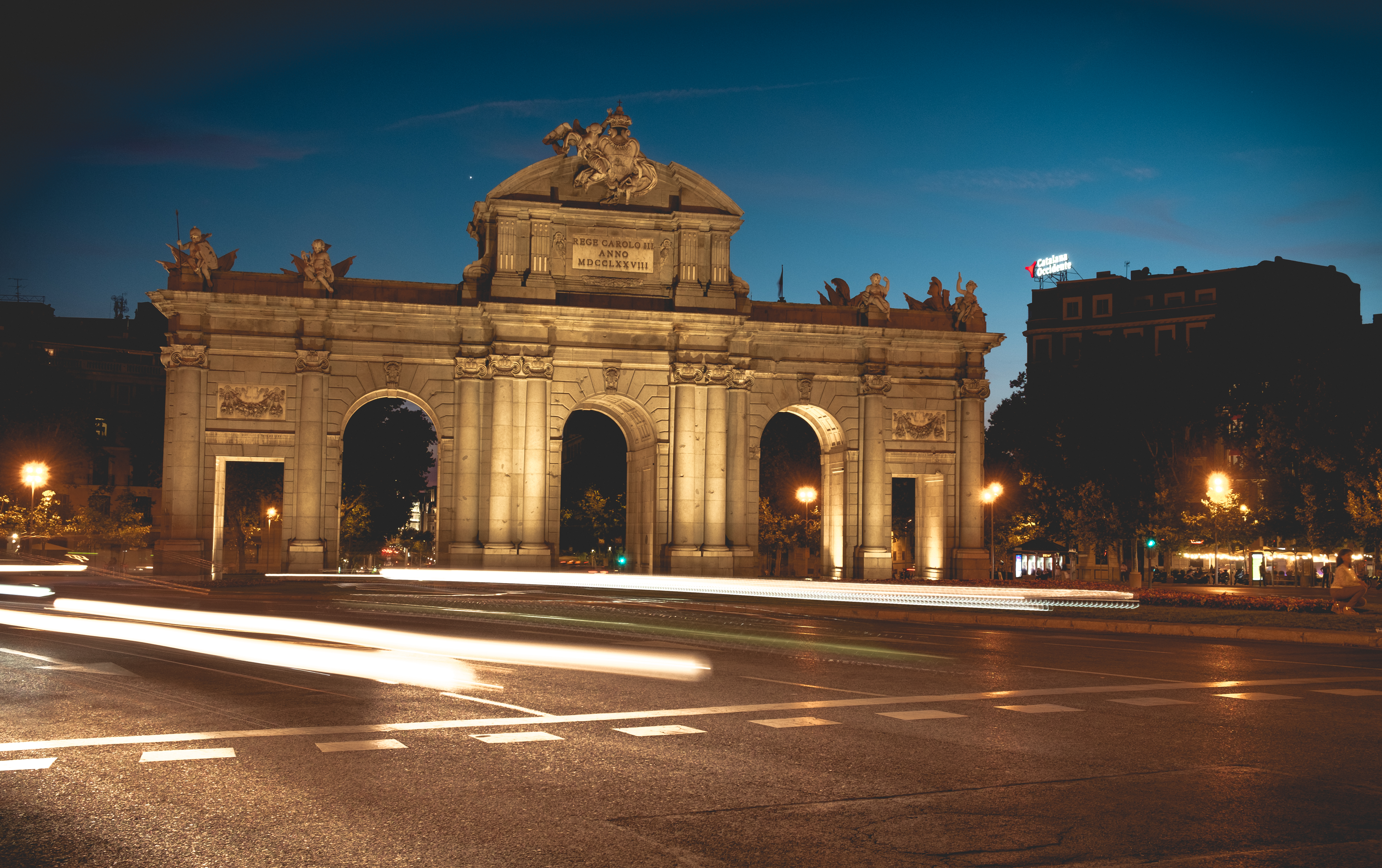
Continue to the Puerta de Alcalá and into the Salamanca district if you enjoy elegant city walking. This part of Madrid feels more stately and residential, with handsome facades, excellent shops, and cafés suited to a mid-afternoon pause.
Evening: Dine at La Primera on Gran Vía for a stylish but grounded meal with strong Basque touches, or at Bodega de la Ardosa for a more classic tavern mood and one of the city’s respected tortillas. If you want a post-dinner drink, seek out a vermouth bar rather than a generic cocktail spot; it feels more rooted in Madrid’s habits.
Day 4 - Puente de Vallecas: A More Local Madrid
Puente de Vallecas
Puente de Vallecas shows another face of Madrid: less monumental, more lived-in, and full of neighborhood identity. Historically shaped by working-class migration and strong civic culture, it is the kind of district where markets, terraces, murals, and football loyalties tell you as much about the city as any palace can.
This is not postcard Madrid, which is precisely its appeal. Spending time here balances the week beautifully, because it lets you see how the capital functions beyond the museum axis and grand boulevards.
If you want to stay in or near this area for a different perspective, browse VRBO Puente de Vallecas and Hotels.com Puente de Vallecas. From central Madrid, expect metro connections of roughly 15-25 minutes depending on your starting point, making it an easy day without any major transit complexity.
Morning: Begin with breakfast in the district at a neighborhood café or bakery, keeping it simple with tostada con tomate and coffee. Then spend the morning walking local streets, noticing the shift in tempo from central Madrid: more everyday commerce, more local chatter, fewer souvenir shops, and a stronger sense of community rhythm.
Browse Mercado de Numancia or nearby food-focused stops if open during your visit, and use the time to observe daily life rather than rush between landmarks. This is where Madrid becomes legible as a home, not just a destination.
Afternoon: Have lunch at a traditional asador or neighborhood taberna in Vallecas, where menu del día offerings often provide excellent value and a truer sense of routine dining. Look for dishes such as lentejas, albóndigas, grilled meats, or callos if you enjoy hearty Madrid cooking.
After lunch, head back toward central areas via Atocha or Lavapiés and use the transition to see how neighborhoods knit together across the capital. If you would prefer a broader orientation drive on this day, the Tour Welcome Madrid in Eco Tuk Tuk Private with Local Guide is a fun, efficient way to connect central highlights with local commentary.

Evening: Return for dinner in a district with a strong local bar scene, or eat in nearby Lavapiés for culinary variety. If you want something rooted in Madrid tradition, choose a taberna specializing in raciones and vermouth; if you prefer something more contemporary, pick a small bistro or wine bar where locals linger over shared plates rather than formal courses.
Day 5 - Tapas, Taverns, and Literary Madrid
Morning: Start slowly with breakfast at Café Comercial, one of Madrid’s historic cafés, where the setting itself feels like a continuation of the city’s literary past. Then walk through Barrio de las Letras, reading the quotations embedded in the pavement and lingering outside old houses associated with Spain’s Golden Age writers.
Afternoon: Keep lunch light because the evening is built around food. Visit boutiques, bookshops, and smaller galleries, or stop for a long aperitif near Plaza de Santa Ana where the city’s social life has always concentrated.
If you want a structured culinary introduction, book the Madrid Tapas & Taverns Small Group Food & History Tour or the Madrid Tapas & Wine Tasting Walking Tour – Small Group Local Bars. Both are worthwhile because tapas culture is not just about what to order; it is about sequence, etiquette, neighborhood context, and understanding why one bar is famous for anchovies while another is known for mushrooms, vermouth, or grilled pork.

Evening: Let the tapas crawl shape the night. Expect specialties such as croquetas, jamón, tortilla, patatas bravas, Iberian pork, regional cheeses, and Spanish wines poured with far more personality than ceremony.
If dining independently instead, build your own route with stops at Bodega de la Ardosa, Casa Toni, and Taberna Tempranillo. The pleasure lies in variety: one or two signature dishes per stop, a small pour to drink, and enough walking in between to keep appetite and curiosity alive.
Day 6 - Day Trip from Madrid: Toledo and Segovia
Today is best spent on a full-day excursion, and Madrid is one of Europe’s best bases for this kind of history-rich outing. For maximum value and minimal planning, book the Toledo & Segovia Tour with Cathedral and Alcazar Tickets & Lunch, which combines two of central Spain’s most compelling heritage cities in one long but rewarding day.

Toledo matters because it condenses Christian, Jewish, and Muslim histories into one dramatic hilltop city, while Segovia astonishes with its Roman aqueduct, storybook Alcázar, and deep Castilian identity. If you prefer an even more ambitious version, the Three Cities in One Day: Segovia, Avila and Toledo from Madrid adds Ávila, though it makes for a busier pace.
Independent travelers could compare rail options for nearby day trips on Omio trains; fast connections from Madrid to Toledo are often about 35 minutes, and to Segovia roughly 30 minutes on high-speed services, with fares varying widely by booking time. Still, for a 7-day itinerary, the guided option saves energy and adds historical interpretation exactly where it helps most.
On returning to Madrid, keep dinner close to your hotel. A simple supper of grilled vegetables, cured ham, and wine at a nearby taberna is wiser than another elaborate night.
Day 7 - Bernabéu or Leisurely Finale, Then Departure
Morning: On your final full morning, choose between football culture and a slower farewell. If you are a Real Madrid fan or even mildly curious about the mythology of modern sport, the Bernabeu Stadium & Real Madrid Museum Guided Tour offers a look at one of the world’s most storied clubs and the identity it projects far beyond Spain.

If you prefer a gentler close, take breakfast at a favorite café, revisit Retiro, or pick up gourmet souvenirs such as olive oil, tinned seafood, saffron, or turrón from a quality food shop. Madrid is a city that benefits from one last unstructured walk.
Afternoon: Have an early lunch before heading to the airport. Sobrino de Botín is famous and historic, though often booked and more destination-like; for a smarter final meal, choose a dependable local restaurant near your base where service is efficient and the kitchen is confident.
Allow ample transfer time for departure, especially if leaving by air. Compare schedules or onward European connections on Omio flights.
Evening: Departure.
This 7-day Madrid itinerary gives you the city in stereo: imperial Madrid and neighborhood Madrid, masterpieces and market streets, formal monuments and late-night tapas bars. By balancing headline sights with Puente de Vallecas and a day trip into historic Castile, the week offers not just a visit to Madrid, but a much fuller understanding of why the Spanish capital is so easy to return to.