
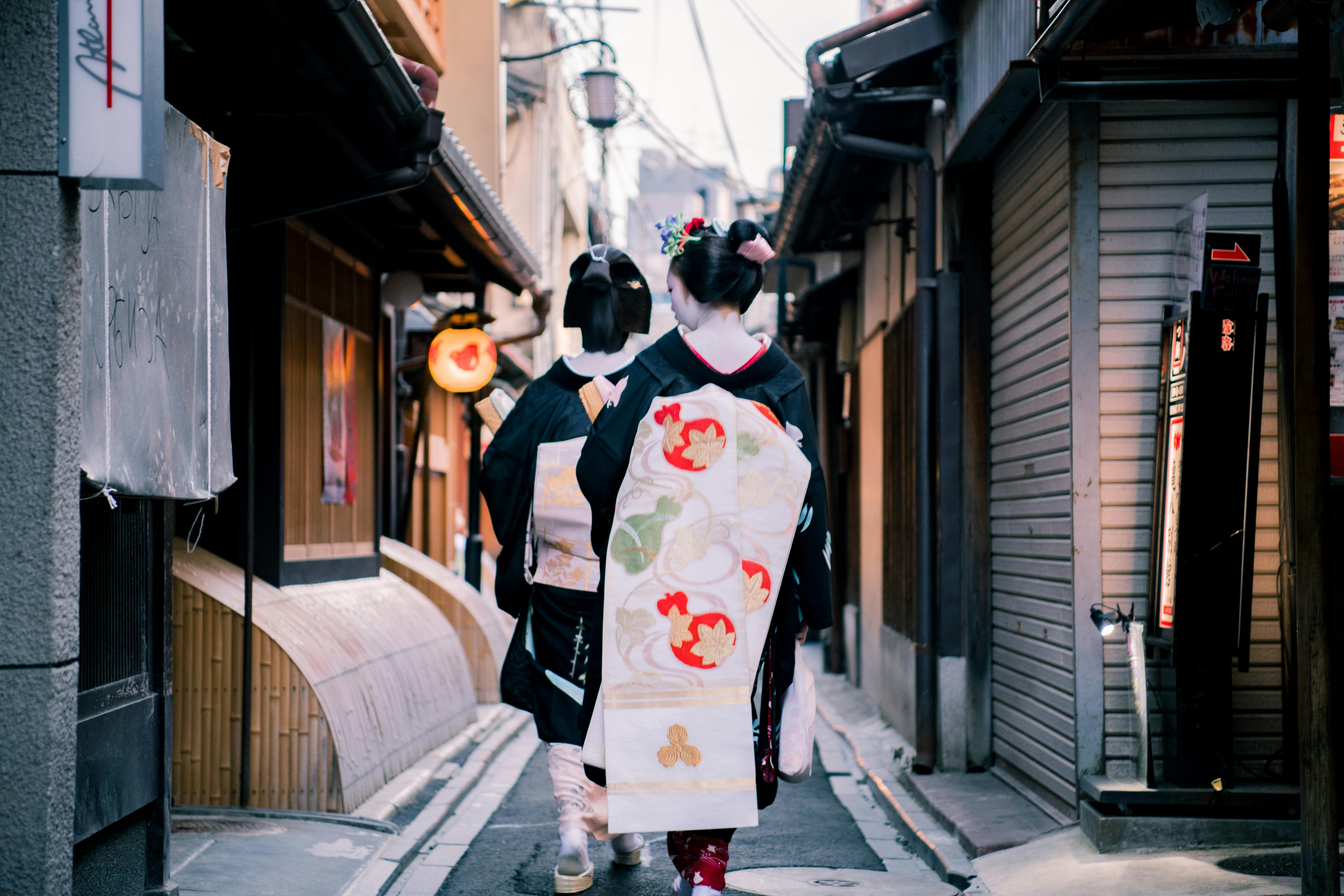
Kyoto is Japan’s former imperial capital and the cradle of tea ceremony, Zen gardens, and wooden machiya townhouses. With over 2,000 temples and shrines, it’s a living museum where incense curls through vermilion gates and moss gardens glow after rain. Yet, the city hums with student life, third-wave coffee, and inventive kitchens.
From the lantern-lit lanes of Gion to sunrise at Fushimi Inari and the hush of Arashiyama’s Bamboo Grove, Kyoto rewards slow, curious travel. Hikers will love summit trails above the torii, and food lovers can graze through Nishiki Market’s stalls or learn the language of sake in Fushimi. Day trips to Nara add deer-filled parks and a Buddha hall the size of a cathedral.
Practical notes: cash is still useful for small shrines and mom-and-pop eateries, and many sights open early—go then to keep crowds (and costs) down. Kyoto cuisine leans seasonal and subtle: tofu, yuba, kaiseki, and matcha feature strongly, while street eats and ramen keep budgets happy.
Kyoto
Kyoto blends old-world grace with everyday warmth: shopkeepers bow, temple bells ring, and cyclists glide along the Kamo River at dusk. Neighborhoods each have a pulse—Gion’s ochaya teahouses, Arashiyama’s river scenes, and Fushimi’s breweries scented with koji.
- Top sights: Fushimi Inari Taisha, Kiyomizu-dera, Arashiyama Bamboo Grove, Kinkaku-ji (Golden Pavilion), Ryoan-ji rock garden, Philosopher’s Path, Nijo Castle.
- Great-value eats: Honke Owariya (historic soba), Katsukura (tonkatsu), Mimikou (curry udon), Sushi no Musashi (conveyor-belt sushi), Menbaka Fire Ramen, Gyoza ChaoChao (dumplings).
- Insider fun: collect goshuin (temple stamps), sip small-batch sake in Fushimi, rent a bike and ride the Kamo River paths, and time a visit to temples right at opening.
Where to stay (budget-forward picks with options):
- Search great-value apartments and homes on VRBO Kyoto.
- Compare deals on Hotels.com Kyoto. Specific options:
- Piece Hostel Sanjo (budget, social, walkable).
- Hotel M's Plus Shijo Omiya (excellent value near Hankyu line).
- Hotel M's Est Shijo Karasuma (central, compact rooms).
- Kyoto Tokyu Hotel (mid-range, calm courtyard vibe).
- Kyoto Brighton Hotel (spacious rooms, quiet area).
- The Ritz-Carlton, Kyoto (splurge, riverside luxury if you upgrade).
Getting in and around: Fly into Kansai (KIX) or Itami (ITM). Search fares on Trip.com Flights or Kiwi.com. From KIX, the Haruka Express to Kyoto Station takes ~75 minutes; from Tokyo, the Shinkansen is ~2 h 15 m—compare schedules on Trip.com Trains. City transit is easy with IC cards; buses cover temples, while trains/metro save time across town.
Day 1: Arrival, Kamo River Stroll, and Gion at Dusk
Afternoon: Arrive and check in. Shake off jet lag with a gentle walk along the Kamo River; locals picnic and practice music on the banks near Sanjo. Grab a first sip at Inoda Coffee (retro kissaten) or % Arabica (Higashiyama) for incredible espresso with temple views.
Evening: Wander through Yasaka Shrine into Gion’s narrow alleys. For a budget dinner, try Sushi no Musashi (Sanjo) for dependable conveyor-belt sushi or Torikizoku (nationwide yakitori chain; set prices help control spend). Then uncover Kyoto’s performing arts quarter with this guided walk:
Kyoto Gion Geisha District Walking Tour - The Stories of Geisha

This evening tour explains the world of geisha and maiko, teahouse etiquette, and the living traditions behind lantern-lit streets—a perfect, low-cost cultural deep dive.
Day 2: Southern Higashiyama to the Philosopher’s Path
Morning: Beat the crowds at Kiyomizu-dera; the wooden veranda has framed city views since 1633. Meander down Sannen-zaka and Ninen-zaka past pottery shops; pause for a sesame mochi or fresh yatsuhashi.
Afternoon: Walk the Philosopher’s Path (especially serene in winter mornings and cherry season), then visit Ginkaku-ji (Silver Pavilion) and its raked-sand “Sea of Silver Sand.” Lunch nearby at Omen for udon with mountain vegetables or at Hisago for oyakodon.
Evening: Cross to Pontocho Alley for dinner: Katsukura (juicy tonkatsu with bottomless cabbage) is great value, while Gyoza ChaoChao (Sanjo) serves inventive dumplings. Nightcap with a riverside stroll; musicians gather along the Kamo in good weather.
Day 3: Arashiyama Bamboo, Gardens, and River Views
Morning: Head early to Arashiyama. Join a local-led walk that threads the best spots without the crowds:
Kyoto Arashiyama Walking Tour: Bamboo, Monkeys, Gardens & Secrets

Stroll the Bamboo Grove, admire Tenryu-ji’s Zen garden, and learn quiet corners many miss.
Afternoon: Cross Togetsukyo Bridge and hike up to Iwatayama Monkey Park (short but steep path; great valley views). For lunch, try Shigetsu (shojin ryori temple cuisine inside Tenryu-ji; set menus) or Yudofu Sagano (tofu hot pot—Kyoto classic).
Evening: Return downtown for ramen. Menbaka Fire Ramen delivers dramatic negi-laden bowls flambéed tableside—budget-friendly and memorable. If lines are long, fallback to Ippudo for a reliable tonkotsu fix.
Day 4: Fushimi Inari Hike and Sake District Tastings
Morning: Arrive at Fushimi Inari before 7:30 a.m. and hike through thousands of vermilion torii. Continue past the halfway viewpoint to the summit loop for tranquil forest paths and fox shrine detours. Coffee reward at nearby Vermillion Café (espresso with shrine-view deck).
Afternoon: Dive into Japan’s most famous sake neighborhood with a guided tasting:
3-Hour Kyoto Insider Sake Brewery Tour with Tastings & Pairings

Learn to read labels, navigate styles, and pairings—an ideal stand-in for “wine tasting” that’s quintessentially Kyoto.
Evening: Stay in Fushimi for dinner at Torisei (yakitori inside an old sake storehouse) or head back to Kawaramachi for budget-friendly curry udon at Mimikou. Stroll the lantern-lit alleys of Pontocho after.
Day 5: Golden Pavilion, Zen Stones, Nishiki Market, and a Ninja Lesson
Morning: Visit Kinkaku-ji (Golden Pavilion) right at opening—sunlight on the gold leaf is dazzling. Continue to Ryoan-ji to contemplate its 15 stones (you can only see 14 at once), then stop at a neighborhood bakery for melon pan.
Afternoon: Graze through Nishiki Market. Try tamagoyaki on sticks, soy milk donuts, fresh tofu skin (yuba), and pickles. Lunch counter tip: stand-up sushi and croquettes keep costs low; save room for matcha soft-serve.
Evening: Cap the day with a quirky, budget-friendly skills class:
Ninja 1-hour Hands-on Lesson by Japanese master in Kyoto - Entry
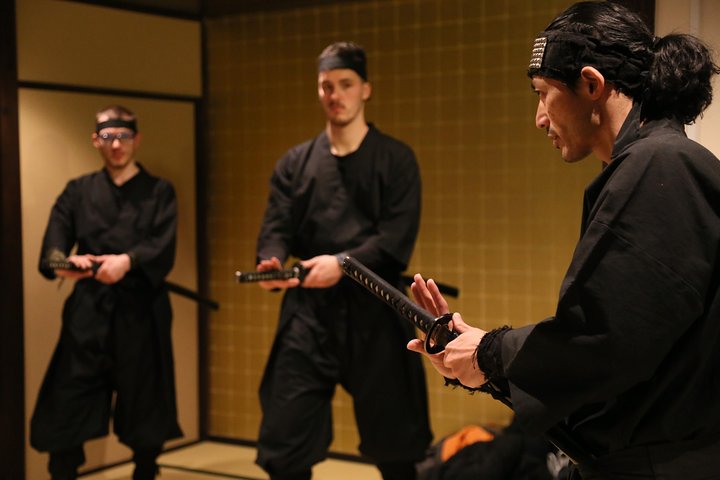
It’s a fun, unique activity that fits a tight budget. Post-lesson, hunt down gyoza and a highball along Kiyamachi-dori.
Day 6: Nara Day Trip for Deer, a Giant Buddha, and Views
Morning: Take an early train to Nara (about 45–60 minutes from Kyoto; compare times on Trip.com Trains). Feed the bowing deer in Nara Park (guard your map!), then visit Todai-ji’s Daibutsuden, one of the world’s largest wooden buildings, housing a 15-meter bronze Buddha.
Afternoon: Walk peaceful paths to Kasuga Taisha’s mossy lanterns. Budget bites include kakinoha-zushi (pressed sushi wrapped in persimmon leaf) and Nakatanidou’s famous yomogi mochi (watch the rapid-fire pounding). Optional hike up Mt. Wakakusa for city views.
Evening: Return to Kyoto. Dine at a neighborhood izakaya near your stay or try hearty sets at Okakita (udon) if you’re near Heian Shrine. Early night to rest your feet.
Day 7: Riverside Cycling, Last Temples, and Departure
Morning: Rent a bike from a local shop and cruise the Kamo River paths (flat, scenic, free). Detour to Heian Shrine’s gardens or Tofuku-ji’s wooden bridges if you missed them earlier. Coffee at Weekenders or another specialty spot near Kawaramachi.
Afternoon: Pick up tea, fans, and wagashi souvenirs, then check out. If flying, search same-day options on Trip.com Flights or Kiwi.com. If taking the bullet train onward, compare fares and times on Trip.com Trains.
Optional/Swap-In Unique Night Tour (if you want more Gion time)
If you’d prefer an additional atmospheric evening, consider this small-group experience on another night:
Kyoto 5-Star Geisha Night Walk: Small-Group Authentic Experience

A lantern-lit wander through hidden alleys and shrines—great storytelling, low cost, and very “Kyoto.”
Money-saving tips for a 32/100 budget:
- Start at opening times to avoid lines and save on guided add-ons; many temple fees are ¥300–¥600.
- Use set menus (teishoku), convenience-store picnics, and standing bars for inexpensive, tasty meals.
- Base near Shijo/Karasuma or Sanjo to walk more and cut transit costs; choose hostels or business hotels via Hotels.com or apartments on VRBO.
Quick transport estimates (subject to change): Tokyo–Kyoto Shinkansen ~2 h 15 m, $85–$130 one-way; KIX–Kyoto by Haruka Express ~75 min; city buses ~¥230 flat fare; Kyoto–Nara local train ~45–60 min, under $10 one-way.
In one week, you’ll trace Kyoto’s spiritual spine from bamboo groves to golden halls, hike through sacred gates, feast on market bites, and decode the world of sake. It’s a thoughtful, budget-minded itinerary that leaves time to linger in lantern glow and river light—exactly how Kyoto should be felt.