
7 Days in Kasol: A Parvati Valley Itinerary for Cafés, Treks, Tosh & Manikaran
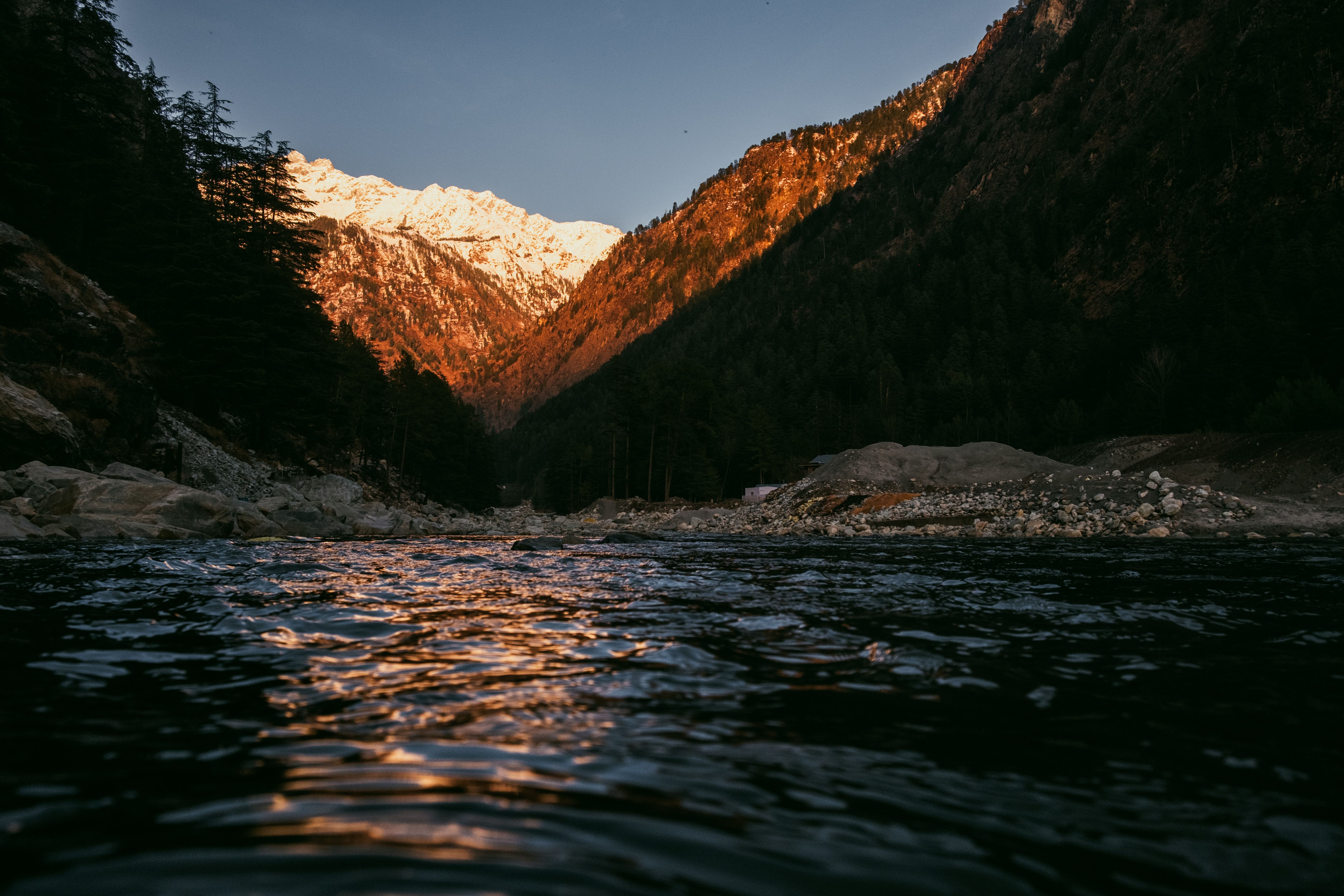
Kasol, a small settlement in Himachal Pradesh’s Parvati Valley, grew from a quiet stop on old mountain trade routes into one of North India’s best-known backpacker bases. Its fame comes from the Parvati River, cedar-covered slopes, easy access to villages like Chalal, Tosh, and Malana, and a café culture that feels unusually cosmopolitan for such a remote corner of the Himalayas.
There is more to Kasol than its “mini Israel” nickname. The area is known for Israeli and Himachali food, trout, fresh apple products, and trekking routes that range from gentle village walks to demanding high-altitude trails such as Kheerganga and Sar Pass. Manikaran Sahib, just a short drive away, adds a spiritual and historical layer with its gurdwara, temple complex, and famous geothermal hot springs.
Practically, Kasol is best reached by road from Bhuntar, where the nearest airport is located, or via Chandigarh/Delhi plus an overnight Volvo bus and onward taxi. Mountain roads can be slow due to traffic, weather, and landslides, so this itinerary keeps buffers and avoids overpacking each day. Carry cash, layers, a rain shell, and good walking shoes; mobile signal can be inconsistent, and in March the evenings remain properly cold.
Kasol
Kasol is less a checklist destination than a mood: pine scent in the air, the white rush of the Parvati River, hand-painted café signs, and balconies made for doing absolutely nothing for an hour. It works brilliantly as a 7-day base because the valley’s best experiences are close enough for day trips, while the village itself remains relaxed enough to return to each evening.
Top draws include the riverfront paths, the easy walk to Chalal, the food scene around the main market, and onward access to Manikaran, Tosh, Pulga, Kalga, and Nakthan. If you like mountain cafés, low-intensity adventure, photography, and a mix of backpacker energy with Himalayan scenery, Kasol is a strong fit.
Where to stay: For a polished resort-style stay outside the thick of the market, consider The Himalayan Village, known for traditional Kathkuni-inspired architecture and a more secluded setting in the broader valley area. For central convenience, look at Parvati Kuteer or browse Kasol options on VRBO and Hotels.com. Another longstanding budget-friendly name travelers often check is Hotel Sandhya Kasol.
How to get there: The usual route is to fly into Bhuntar/Kullu and continue by taxi to Kasol in roughly 45 minutes to 1.5 hours depending on traffic and road conditions; compare options on Trip.com flights or Kiwi.com. Many travelers instead take an overnight bus from Delhi or Chandigarh to Bhuntar or Kasol roadhead and then a local taxi; if you are combining rail and road in India, you can also compare train options on Trip.com trains.
Food notes: Kasol’s appeal is partly edible. Expect shakshuka, hummus, pita, wood-fired pizza, trout, Himachali thalis in nearby villages, and brownies that have become part of the town’s folklore. Ask locally about current opening days, especially in shoulder season, because cafés can shift timings.
Day 1: Arrival in Kasol and a gentle riverside introduction
Morning: Travel day. If arriving via Bhuntar, plan on a morning or midday road transfer to Kasol; if arriving from Delhi or Chandigarh by overnight bus, you will likely reach the valley by late morning. Keep expectations light because winding mountain roads can be tiring.
Afternoon: Check in, settle, and have a late lunch at Moon Dance Café, one of Kasol’s better-known long-running spots for wood-fired pizzas, Israeli plates, pasta, and balcony views over the valley. It is a smart first stop because the menu is broad, the setting is scenic, and after a long journey most travelers want a dependable café rather than an ambitious outing.
After lunch, take an easy stroll along the main Kasol lanes and down toward the Parvati River viewpoints. This first walk is less about ticking off attractions and more about understanding the lay of the village: the café strip, bridge approaches, small shops selling woollens and trekking basics, and the changing light on the river.
Evening: Walk to Evergreen Café for dinner, a Kasol staple known for Israeli comfort food such as shakshuka, falafel, schnitzel-style plates, and generous breakfast fare served deep into the day. The riverside setting and familiar status among repeat visitors make it a useful orientation point for your week.
If you still have energy, end with tea or dessert at Jim Morrison Café, perched slightly above the market and prized for its relaxed terrace and mountain-facing outlook. Turn in early; altitude is not extreme here, but fatigue from road travel is real, and tomorrow is better enjoyed fresh.
Day 2: Kasol village, cafés, and the walk to Chalal
Morning: Start with breakfast at Sunshine Café or a comparable local breakfast stop near the market—go for masala omelette, pancakes, toast, coffee, or a simple Israeli breakfast plate. Then walk across the footbridge and take the short trail to Chalal, a gentle route through pine forest that introduces the valley’s landscape without turning the day into a strenuous trek.
Chalal is less a monument than a feeling: wooded paths, guesthouses with balconies, and a slower rhythm than central Kasol. The walk usually takes around 20 to 30 minutes each way at an easy pace, and it is ideal early in the trip because it gives you mountain scenery, village texture, and plenty of time to linger.
Afternoon: Have lunch in Chalal at one of the small café-guesthouse kitchens overlooking the valley; menus typically include Maggi, momos, pasta, Israeli dishes, and chai, but the appeal is really the setting. Pick a place with a terrace and no hurry, and spend a while simply watching the river gorge and the shifting weather over the slopes.
Return to Kasol in the late afternoon and browse the compact market. This is a good window to pick up wool socks, snacks for day trips, a locally made cap, or simple trekking supplies. If you want coffee and cake, stop at a bakery-style café for apple pie or brownie and a warming cappuccino.
Evening: For dinner, try Panj Tara Bar & Grill if operating during your visit, or another lively multi-cuisine spot in the main strip where you can compare Indian, Tibetan, and Israeli flavors in one sitting. Order trout if available and fresh, or stick to tandoori items and dal-rice if you want something dependable in the cold mountain air.
After dinner, take a short post-meal river walk rather than searching for nightlife. Kasol’s real evening pleasure is atmospheric rather than theatrical: strings of café lights, the noise of the Parvati, and the valley going dark around you.
Day 3: Manikaran Sahib and hot springs
Morning: Begin with an early breakfast in Kasol—tea, paratha, eggs, or porridge work well—then take a taxi or local bus to Manikaran, roughly 15 to 20 minutes away depending on traffic. The short transfer makes this one of the valley’s easiest and most rewarding half-day or full-day outings.
Manikaran Sahib is an important Sikh pilgrimage site, also revered by Hindus, and the atmosphere differs markedly from café-focused Kasol. The complex is known for its langar, devotional spaces, and geothermal springs so hot that food is traditionally cooked in them; this combination of faith, geology, and community is exactly why it deserves a dedicated visit.
Afternoon: Spend time respectfully exploring the gurdwara complex and nearby temple area. Cover your head, remove shoes where required, and dress modestly. If accepted during your visit, eat langar, the communal meal offered freely to visitors, which is not only practical but one of the most meaningful cultural experiences in the valley.
Afterward, walk through the local bazaar for tea, sweets, or small purchases before heading back to Kasol. If you prefer a more substantial lunch outside the complex, return to Kasol and eat at a café with a quieter terrace, where a simple thali or hot bowl of soup often feels exactly right after the steam and bustle of Manikaran.
Evening: Keep tonight unhurried. Choose a cozy dinner at Stone Garden Café or another relaxed spot with outdoor heaters if available, and order something warming: thukpa, momos, butter chicken with naan, or a vegetarian curry set.
If skies are clear, ask your hotel for a darker viewpoint just outside the market for stargazing. The valley’s night sky can be superb when cloud cover and moon phase cooperate, and this is one of the pleasures travelers often remember more vividly than any single café meal.
Day 4: Day trip to Tosh
Morning: Have an early breakfast and leave for Tosh by taxi; the drive to Barshaini generally takes about 75 to 90 minutes from Kasol, followed by a short walk depending on where the vehicle drops you. Start in the morning because mountain roads and village exploration are much more enjoyable before afternoon traffic and haze build.
Tosh sits dramatically on a ridge with wide views of the valley and snow-dusted peaks in cooler months. It has become popular with backpackers, but the setting still delivers: stacked wooden houses, steep footpaths, and one of the best high-perch panoramas in the Parvati Valley without requiring a serious expedition.
Afternoon: Eat lunch at a terrace café in Tosh—look for simple but satisfying plates such as rajma-chawal, Tibetan bread, Maggi, shakshuka, or fresh ginger lemon honey tea. Choose a place for the view first and the menu second; in Tosh, the meal is inseparable from the mountain wall opposite you.
Spend the afternoon walking slowly through the village lanes and upper viewpoints. There is no need to rush from place to place. The pleasure lies in photography, conversations with guesthouse owners, and seeing how daily life persists on terrain that would be improbable almost anywhere else.
Evening: Return to Kasol before dark if possible. Back in town, reward the long day with a substantial dinner at Moon Dance Café or another trusted favorite where you can order pasta, grilled fish, or a filling Indian main with soup or salad.
If you want a softer ending, stop for dessert and coffee rather than another long outing. An apple crumble, brownie, or hot chocolate in the cold mountain evening feels entirely earned after Tosh.
Day 5: Pulga, Kalga, and Nakthan village circuit
Morning: Today is for a less famous but deeply rewarding side of the valley. After breakfast, drive again toward Barshaini and continue to the Pulga/Kalga area, where village walks through deodar forest and orchards offer a more pastoral counterpoint to busier Kasol and more exposed Tosh.
Pulga is known for its “fairy forest” reputation, old-growth trees, and calm atmosphere. Kalga, perched with broad mountain views, is beloved by slow travelers for its wooden homestays, café terraces, and a sense that the valley has taken one deliberate step backward from noise.
Afternoon: Walk between Kalga, Pulga, and if energy allows, Nakthan at an easy pace. These are not long, technical hikes, but village trails with changing views, prayer flags, grazing animals, and occasional apple orchards depending on season. They are ideal for travelers who want the visual reward of trekking without committing to a full-day climb.
Have lunch in Kalga or Pulga at a small guesthouse café. Order whatever is freshest and most practical that day—often parathas, dal-chawal, momos, Israeli platters, or pasta. In these villages, the best meal is usually the one cooked hot by the family running the place, served on a sunny terrace with a thermos of chai.
Evening: Return to Kasol and keep the evening free for rest, a hot shower, and a lighter dinner. Choose a café with soups, grilled vegetables, momos, or simple rice dishes rather than a heavy feast.
This is also a good night for a slow café session with coffee, journaling, or sorting photos. A week in Kasol should not feel overscheduled, and building in an intentionally soft evening helps the trip keep its mountain rhythm.
Day 6: Flexible adventure day — Kheerganga trail start area, spa-like rest, or deeper Kasol food crawl
Morning: This day is intentionally flexible because weather, road conditions, and your energy level matter in the Parvati Valley. If you are an active walker and conditions are favorable, you can make an early start toward the Kheerganga trail from Barshaini and do a partial scenic hike rather than a full summit push, returning the same day only if you are very fit and begin early. A full Kheerganga day hike is possible for strong trekkers, but it is long and can become uncomfortable if trail conditions are poor.
If you prefer a slower pace, stay in Kasol for a late breakfast and a wellness-style day: river views, reading, café hopping, and perhaps arranging a hotel-side bonfire or simple relaxation time. This is not wasted time in Kasol; the village rewards idleness unusually well.
Afternoon: For active travelers, continue the trek only as far as conditions, daylight, and stamina sensibly allow, then descend in time for a safe road return. For slower travelers, have lunch at Evergreen Café or another favorite and then sample a second venue for coffee and dessert so you get a fuller sense of the town’s social geography.
Consider ordering a spread you might otherwise skip: hummus and pita, shakshuka, mint tea, fresh trout where available, plus a local dessert or bakery item. Kasol’s reputation rests partly on its café culture, and a dedicated food afternoon is surprisingly satisfying here.
Evening: Make this your special final full evening. Choose your favorite dinner setting of the week—riverfront, rooftop, or secluded garden seating—and order your most memorable meal rather than experimenting too wildly on the last night.
If your accommodation can arrange it safely, end with a bonfire or outdoor seating under blankets. The point tonight is to absorb the valley one last time: cold air, wood smoke, rushing water, and the odd sense Kasol has of being both social and deeply remote.
Day 7: Final Kasol morning and departure
Morning: Enjoy a relaxed final breakfast with a view. This is a good moment for one last proper mountain meal—aloo paratha with curd and pickle, eggs with toast and coffee, or a simple Israeli breakfast plate if that has become part of your Kasol routine.
Take a short farewell walk by the river or through the market for any last-minute purchases such as herbal tea, woollens, or packaged snacks for the road. Keep your final morning local and unrushed; trying to squeeze in a distant excursion before departure is the fastest way to leave the valley stressed.
Afternoon: Check out and depart for Bhuntar airport or your onward bus connection. Leave a generous buffer for the road, especially if weather has shifted overnight. For onward planning, compare flights on Trip.com flights or Kiwi.com, and if you are continuing overland through India, review rail options on Trip.com trains.
Evening: Transit onward. If your schedule includes a layover in Bhuntar, Kullu, or Chandigarh later in the day, use the time for a simple early dinner rather than a heavy meal. Mountain departures are smoother when you keep logistics uncomplicated.
This 7-day Kasol itinerary gives you the valley in layers: cafés and river walks first, then pilgrimage, ridge villages, forest hamlets, and finally enough stillness to understand why people stay longer than planned. It is a trip built not around rushing from landmark to landmark, but around letting the Parvati Valley reveal itself at walking pace.
You will leave with strong coffee memories, pine-scented jackets, a camera full of mountain light, and a very good chance of already planning a return in another season. For first-time visitors to Himachal Pradesh, few places mix scenery, access, food, and atmosphere as gracefully as Kasol.