
7 Days in Japan: Tokyo & Kyoto Itinerary with Food, Temples, Mt. Fuji, and Bullet Train Highlights
Japan rewards even a short trip with startling variety. In the span of a week, you can stand beneath Tokyo’s riot of screens and railway lines, then wake to the quieter rhythms of Kyoto, where temple bells, tea shops, and old merchant lanes still shape the day. Few countries balance deep history and daily modernity with such confidence.
Historically, Japan’s great urban story is written across these two cities. Tokyo rose from Edo, the seat of the Tokugawa shogunate, into one of the world’s defining capitals, while Kyoto served as the imperial center for more than a thousand years and remains the spiritual and artistic heart of the nation. Together, they offer the clearest introduction to Japanese culture, from Shinto shrines and Zen gardens to department-store food halls and late-night ramen counters.
Practically, Japan is one of the easiest countries in Asia for first-time visitors to navigate thanks to excellent rail links, orderly transit, and strong hospitality standards. For March 2025 planning, this route is current, efficient, and especially good for travelers who want a classic first trip: Tokyo sightseeing, a Mt. Fuji excursion, Kyoto temples, outstanding Japanese food, and a smooth bullet train transfer between cities.
Tokyo
Tokyo is not one city so much as a constellation of them. Asakusa still feels tied to Edo-era streets and temple customs; Shibuya and Shinjuku pulse with giant screens, fashion, nightlife, and food; Ginza trades in polish and precision; and quiet backstreets hide some of the best coffee and small restaurants in the country.
This is where many first-time visitors fall hard for Japan. Tokyo excels at contrast: a shrine tucked beside a rail line, a kissaten serving hand-brewed coffee a few minutes from a futuristic tower, a tiny yakitori counter under a skyscraper. It is exhilarating, but also remarkably navigable once you settle into the rhythm of the trains.
Where to stay in Tokyo: Browse VRBO Tokyo stays or Hotels.com Tokyo hotels. Standout options include Hotel Gracery Shinjuku for a lively Shinjuku base, Hotel Sunroute Plaza Shinjuku for convenience near transport, Keio Plaza Hotel Tokyo for comfort and service, and The Peninsula Tokyo if you want a polished stay near Ginza and the Imperial Palace.
Getting to Tokyo: Search international flights on Trip.com flights or Kiwi.com flights. Most travelers arrive via Haneda or Narita; Haneda is generally faster into the city, while Narita often offers wider long-haul inventory.
Recommended Tokyo activities:
- Mt Fuji and Hakone 1-Day Bus Tour Return by Bullet Train – an efficient way to pair Japan’s most famous peak with a scenic return on the shinkansen.
- Tokyo: Shinjuku Food Tour (13 Dishes at 4 Local Eateries) – ideal for travelers who want context, local dishes, and hidden spots rather than guesswork.
- Tokyo 6hr Private Tour with Government-Licensed Guide – excellent for first-timers who want history, logistics help, and a tailored overview.
- Tokyo: Sumo Entertainment Show with Chicken Hot Pot & Geisha – a lively cultural evening in Asakusa with strong entertainment value.


Day 1 - Arrive in Tokyo
Morning: In transit to Japan.
Afternoon: Arrive in Tokyo and check into your hotel. Keep the first afternoon gentle: if you stay in Shinjuku, stroll the department-store food halls and surrounding lanes; if you stay near Ginza or Tokyo Station, take an easy walk to Marunouchi and the Imperial Palace exterior gardens area for a first look at the city’s measured grandeur.
Evening: For dinner, start with a dependable Tokyo classic. In Shinjuku, Omoide Yokocho is atmospheric for grilled skewers and tiny izakaya counters, though space is tight and part of the appeal is the intimacy; if you want something more relaxed, try a tonkatsu dinner at a well-regarded department-store restaurant floor. End with a short look at the neon canyons around Kabukicho or a quieter cocktail in a hotel bar, then sleep early to beat jet lag.
Day 2 - Traditional Tokyo: Asakusa, Ueno, and Skytree or Sumida
Morning: Begin in Asakusa at Senso-ji, Tokyo’s oldest temple, where the approach along Nakamise-dori still carries the flavor of old Edo. Arrive early for softer light and fewer crowds, and have breakfast nearby with coffee and pastry at a specialty cafe before wandering the side streets for sweets, rice crackers, and small craft shops.
Afternoon: Continue to Ueno Park, one of Tokyo’s great cultural districts. Depending on your pace, visit the Tokyo National Museum for a concise crash course in Japanese art and history, or simply enjoy the park and nearby Ameyoko, a lively market street full of snack stalls, casual eateries, and bargain shops. Lunch is ideal here: look for sushi, tendon, or a quick bowl of soba in the market area where turnover is high and meals are fast, flavorful, and unfussy.
Evening: Head to Tokyo Skytree or remain around the Sumida riverfront for a slower evening. Dinner in Asakusa is a fine chance to try sukiyaki, tempura, or monjayaki; for travelers wanting a structured cultural night, book Tokyo: Sumo Entertainment Show with Chicken Hot Pot & Geisha, which pairs sumo-themed entertainment with a hearty meal and makes the traditions of the sport more accessible than a museum label ever could.
Day 3 - Shibuya, Harajuku, Meiji Shrine, and Shinjuku Food
Morning: Start in Harajuku with coffee and breakfast in the backstreets of Omotesando, where Tokyo’s cafe culture is at its sharpest. Then walk to Meiji Jingu, the grand Shinto shrine set in a forested precinct that feels improbably calm given its position near some of the busiest districts in the world. The contrast is exactly why this pairing works so well.
Afternoon: Continue to Shibuya. Cross the famous Shibuya Crossing, which became a global icon because it distills Tokyo’s urban theater into one intersection, then browse Shibuya’s fashion and design floors or pause for lunch in one of the district’s excellent basement food halls and casual Japanese curry or udon spots. If you want a playful option, the Official Street Go-Kart in Shibuya exists, though many travelers may prefer to experience the area on foot for flexibility and less logistical fuss.
Evening: Spend the evening in Shinjuku, one of Tokyo’s great after-dark districts. A superb choice is Tokyo: Shinjuku Food Tour (13 Dishes at 4 Local Eateries), which helps first-time visitors decode local specialties across tucked-away venues. If dining independently, seek out yakitori, motsunabe, or hand-cut soba, then finish with a cocktail in Golden Gai, whose tiny bars preserve a pocket-sized postwar Tokyo atmosphere.
Day 4 - Mt. Fuji and Hakone Day Trip
This is best treated as a full excursion day rather than split too finely. Book Mt Fuji and Hakone 1-Day Bus Tour Return by Bullet Train for a classic first-time Japan experience. It gives you mountain views, time in the Fuji-Hakone area, and the thrill of returning by shinkansen, which doubles as sightseeing and transport theater in one.
If you prefer more flexibility and hotel pickup, the Private Tour to Mt. Fuji and Hakone (Fully Licensed Operator) is the more comfortable option. Either way, keep dinner simple back in Tokyo: ramen near your hotel, an izakaya set meal, or sushi at a neighborhood counter works well after a long scenic day.

Kyoto
Kyoto offers a different register of beauty from Tokyo. It is not frozen in time, despite what postcards suggest, but it does preserve the architecture, religious traditions, cuisine, and seasonal aesthetics that many travelers most strongly associate with Japan. Here, the pleasures are often quieter: a stone path, incense at a temple gate, a tea break in a machiya townhouse, the small perfection of a kaiseki course or a bowl of ramen done exactly right.
The city repays early starts. Famous places such as Fushimi Inari, Kiyomizu-dera, Arashiyama, and Nishiki Market are best enjoyed before the crowds thicken, and Kyoto’s evenings are especially good for wandering Gion, Pontocho, and the Kamo River area once the day-trippers have gone. It is a city for both devotion and appetite.
Travel from Tokyo to Kyoto: On Day 5, take a morning shinkansen. Search rail options on Trip.com trains. The Nozomi service from Tokyo Station to Kyoto typically takes about 2 hours 10-20 minutes, and one-way fares are commonly around $90-$110 depending on class and booking conditions.
Where to stay in Kyoto: Browse VRBO Kyoto stays or Hotels.com Kyoto hotels. Excellent options include Hotel M's Plus Shijo Omiya for value, Kyoto Tokyu Hotel for comfort, Piece Hostel Sanjo for a social base, and Kyoto Brighton Hotel for a refined stay.
Recommended Kyoto activities:
- PERFECT KYOTO 1-Day Bus Tour – efficient if you want major highlights with less planning friction.
- No.1 Ramen Experience in Kyoto – 5.0 rated, 2,100+ reviews – a fun, hands-on food activity that works especially well for travelers who like interactive culinary experiences.
- Kyoto: Sumo Entertainment Show with Chicken Hot Pot & Geisha – a theatrical cultural dinner best suited to visitors who want an easy evening program.
- From Kyoto / Osaka: Kyoto Must-see Spots & Nara Park One Day Tour – useful if you want to sample Nara without changing hotels.
Day 5 - Tokyo to Kyoto by Bullet Train, Gion, and Pontocho
Morning: Check out and take a morning shinkansen from Tokyo to Kyoto. Arrive around midday, drop your bags, and take a light lunch near your hotel; Kyoto station and central Kyoto both offer excellent noodle shops, bento counters, and cafes if you want something fast but still distinctly Japanese.
Afternoon: Ease into Kyoto with Higashiyama or Gion rather than trying to conquer the whole city at once. Walk the preserved lanes around Ninenzaka and Sannenzaka if energy allows, or simply settle into Gion, where traditional wooden facades, tea houses, and stone alleys conjure the Kyoto many travelers dream about. Stop for coffee and wagashi or a matcha dessert at a tea-focused cafe to shift your pace from Tokyo speed to Kyoto tempo.
Evening: Dine in Pontocho, the narrow lantern-lit alley running beside the Kamo River. This is one of Kyoto’s most atmospheric dinner districts, with options ranging from yakitori to kaiseki and modern Japanese tasting menus. After dinner, stroll the riverbanks or Gion’s quieter lanes; the point is not just to see Kyoto, but to hear it slow down.
Day 6 - Kyoto Temples and Markets
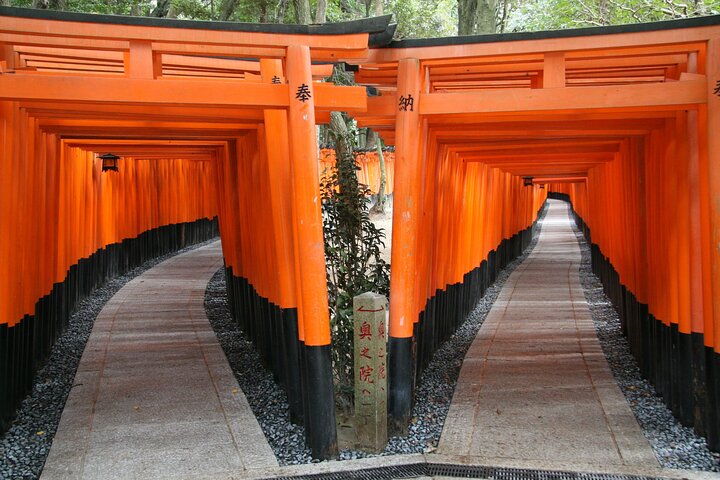
Morning: Rise early for Fushimi Inari Taisha, best experienced before the main tour buses arrive. The vermilion torii tunnels are famous for good reason: the repetition of gates, donated over generations, creates one of Japan’s most unforgettable sacred landscapes. Have breakfast afterward at a local cafe back in central Kyoto, or opt for a simple Japanese set meal of grilled fish, rice, soup, and pickles.
Afternoon: Continue to Kiyomizu-dera and the surrounding Higashiyama district, then head to Nishiki Market for lunch. Nishiki is often called “Kyoto’s kitchen,” and while it is popular, it still excels as a tasting stop for tamagoyaki, pickles, soy milk doughnuts, grilled seafood, sesame sweets, and tea. If you would rather have the logistics arranged, swap this self-guided day for the PERFECT KYOTO 1-Day Bus Tour.
Evening: Choose between a food-focused or culture-focused night. The No.1 Ramen Experience in Kyoto is playful and memorable, especially if you enjoy hands-on dining. Alternatively, book the Kyoto: Sumo Entertainment Show with Chicken Hot Pot & Geisha for a theatrical evening that blends performance and dinner in one easy plan.


Day 7 - Arashiyama or Central Kyoto, Then Departure
Morning: For your final morning, choose one last classic Kyoto scene. Arashiyama works beautifully if you leave early: the bamboo grove is most enjoyable before crowds arrive, and the wider district offers river views, temple gardens, and a more spacious atmosphere than central Kyoto. If you prefer to stay close in, enjoy a final coffee and pastry in central Kyoto, then shop for tea, ceramics, incense, or packaged sweets to bring home.
Afternoon: Have an early lunch before heading to the airport or onward rail connection. A good final meal is soba, tempura, or obanzai, Kyoto’s style of homely seasonal small dishes, which gives you one more taste of the city’s refined but grounded food culture before departure.
Evening: In transit home or onward to your next destination.
This 7-day Japan itinerary gives you the country’s most rewarding first pairing: Tokyo for energy, neighborhoods, and modern spectacle, and Kyoto for temples, tradition, and deeply rooted cuisine. It is fast-moving but sensible, with enough structure to cover the essentials and enough breathing room to leave you wanting a return trip.