
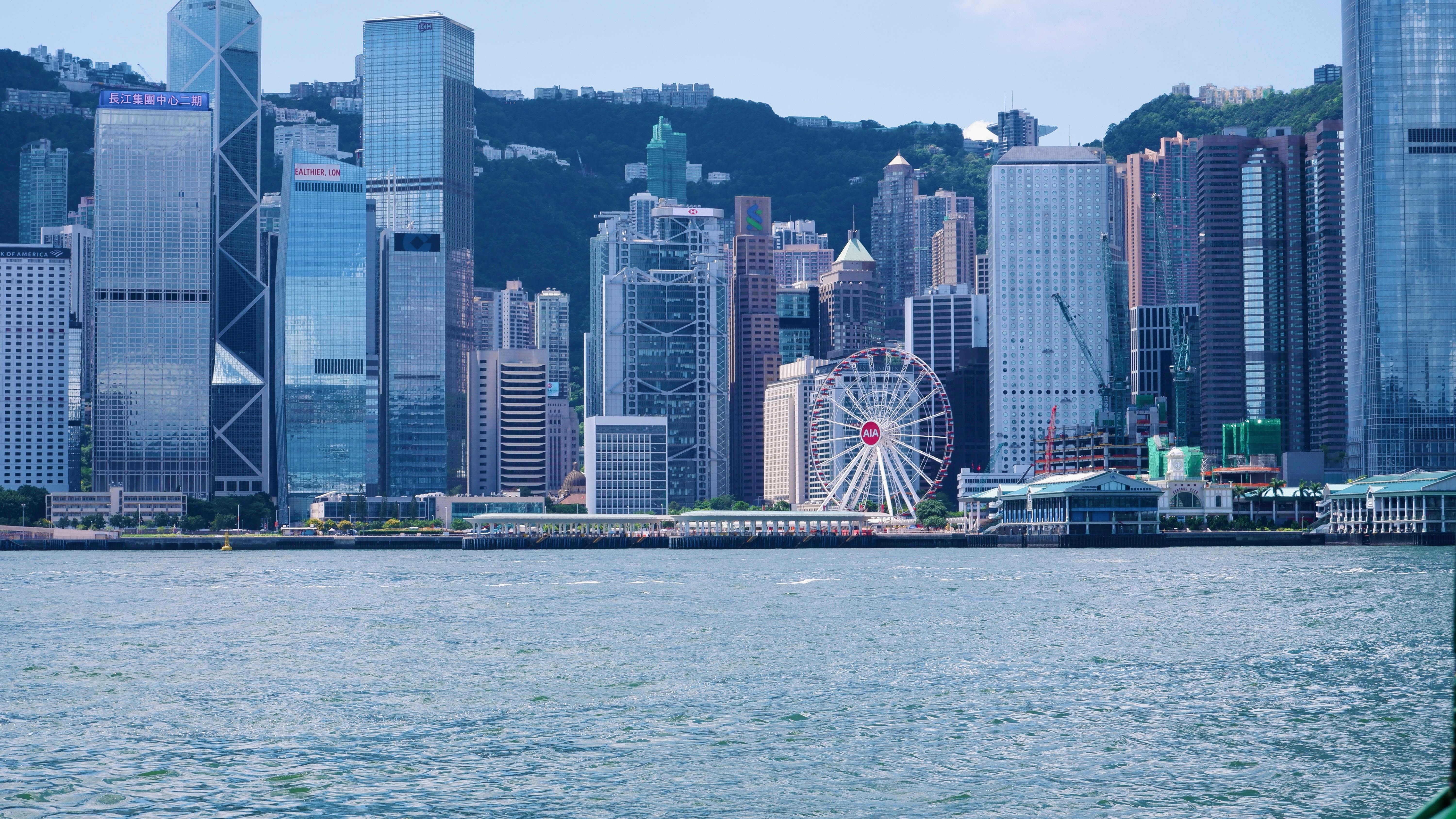
Hong Kong, Macau, and Seoul make an unusually rewarding trio for a 7-day East Asia itinerary. In a single week, you can move from Hong Kong’s vertical harbor cityscape and Cantonese food culture to Macau’s Baroque façades and egg tarts, then finish in Seoul, where royal history, Korean barbecue, and neon-lit neighborhoods sit side by side.
There is rich history behind this route. Hong Kong grew from a fishing settlement into one of the world’s great trading ports; Macau was the first long-term European settlement in East Asia; and Seoul has been the political and cultural heart of Korea for more than six centuries. The contrast is the pleasure: incense-filled temples, colonial squares, futuristic retail districts, and deeply local street food all in one journey.
Practically, this itinerary works best with open-jaw flights and light luggage. Hong Kong and Macau are connected by ferry or by road across the Hong Kong–Zhuhai–Macao Bridge, while Hong Kong to Seoul is an easy nonstop flight; bring comfortable walking shoes, keep a little cash for smaller food stops, and note that an Octopus card in Hong Kong and a T-money card in Seoul make city transport far easier.
Hong Kong
Hong Kong is one of the great urban spectacles of Asia: forested peaks dropping into dense neighborhoods, glowing harbor views, and a dining scene that runs from Michelin-starred dim sum to pineapple buns and silky milk tea. It is fast, layered, and full of small pleasures hidden between towers.
For first-time visitors, the city’s appeal lies in its variety. Central and Sheung Wan carry traces of colonial-era streets and old trading houses; Tsim Sha Tsui gives you the classic skyline; and Lantau offers monasteries, fishing villages, and sea air far from the skyscrapers.
Stay: For a grand old classic, book The Peninsula Hong Kong. For a design-forward high-rise stay, consider The Upper House. Budget-minded travelers can look at YHA Mei Ho House Youth Hostel, Hop Inn, or browse broader options on VRBO Hong Kong and Hotels.com Hong Kong.
Getting here: Search flights on Trip.com flights or Kiwi.com. From Hong Kong International Airport to the city, allow roughly 30–45 minutes by Airport Express or about 45–60 minutes by car; private transfer travelers can consider Hong Kong Airport Transfer Luxury MPV.
- Coffee and breakfast favorites: Australia Dairy Company for chaotic, classic Hong Kong breakfast sets with scrambled eggs and milk tea; Kam Wah Cafe for pineapple buns with butter in Mong Kok; and Fineprint in Sai Ying Pun for a slower specialty-coffee start.
- Lunch ideas: Yat Lok for roast goose with lacquered skin; Tsim Chai Kee for springy wonton noodles in Central; and One Dim Sum for excellent value dim sum.
- Dinner picks: Under Bridge Spicy Crab for typhoon shelter-style crab; Sun Hing Restaurant for old-school dim sum if your schedule runs late; and Wingman in Wan Chai for a more contemporary dinner in a lively neighborhood.
Suggested activities:
Top-Rated Hong Kong Tour: Peak Tram, Dim Sum & Cultural Sights

Lantau Island: Big Buddha, Crystal Cabin Cable Car & Tai O Pickup

Macau Seat-In-Coach Day Tour from Hong Kong

Hong Kong: Dukling , Antique Boat Tour in Victoria Harbour

Day 1 – Arrive in Hong Kong
Morning: In transit. Aim for an afternoon arrival, and keep your first evening light so you can enjoy the city rather than fight jet lag.
Afternoon: Check in and settle into your neighborhood. If you stay in Tsim Sha Tsui, stretch your legs along the Tsim Sha Tsui Promenade and Avenue of Stars, where the harbor opens across to Hong Kong Island in one of Asia’s most recognizable urban views.
Evening: Have dinner at Under Bridge Spicy Crab in Wan Chai if you want a punchy, old-Hong-Kong seafood meal, or choose Yat Lok for roast goose if you prefer something iconic and efficient. End with the waterfront and, if timing suits, book the Dukling Victoria Harbour boat tour for a cinematic first look at the skyline.
Day 2 – Hong Kong Island classics: Peak, Central, Sheung Wan
Morning: Start with breakfast at Australia Dairy Company or Fineprint, depending on whether you want local bustle or good espresso. Then use the Top-Rated Hong Kong Tour: Peak Tram, Dim Sum & Cultural Sights or visit independently, riding the historic Peak Tram up to Victoria Peak for sweeping views over towers, ferries, and green hills.
Afternoon: Explore Central’s Mid-Levels Escalator, then walk into Sheung Wan for Man Mo Temple, one of the city’s most atmospheric historic sites, where giant incense coils hang overhead. Have lunch at Tsim Chai Kee for wonton noodles or dim sum at One Dim Sum if you want a broader tasting session.
Evening: Wander through PMQ and Hollywood Road, then choose dinner in SoHo or Wan Chai. If you are keen on local flavor, book the Hong Kong Street Food Tour with Locals - Dim Sum, Wonton & more, which is especially good for understanding how neighborhood eating shapes the city.
Day 3 – Lantau Island and Tai O
This is best as a long excursion day rather than a split schedule. The most efficient option is Lantau Island: Big Buddha, Crystal Cabin Cable Car & Tai O Pickup, which combines practical transport with strong sightseeing flow. You will ride the Ngong Ping cable car over forest and sea, visit the Tian Tan Big Buddha and Po Lin Monastery, and continue to Tai O, the old fishing village known for stilt houses, shrimp paste, and a quieter rhythm than central Hong Kong.
For meals, have an early coffee before departure, then eat on Lantau. At Ngong Ping, a simple vegetarian monastery lunch is part of the appeal; in Tai O, try local snacks and seafood if available, especially cuttlefish or fish balls from long-running village stalls. Back in the city, keep dinner easy with roast meats, congee, or dim sum near your hotel.
Macau
Macau is small, theatrical, and historically fascinating. One moment you are on a cobbled square beneath pastel civic buildings; the next, you are at a Chinese temple older than most of the colonial streets around it.
Its cuisine is one of the most distinctive in Asia, shaped by Portuguese, Cantonese, African, and Southeast Asian influences. Even on a short visit, Macau rewards travelers who like history, food, and the odd delight of finding Europe refracted through the Pearl River Delta.
Travel from Hong Kong: If going independently, morning ferry or coach options generally take around 1–1.5 hours point to point, plus terminal time, with fares often roughly in the US$25–$50 range depending on schedule and class. Search current options on Trip.com for transport planning, though for simplicity many travelers choose a guided crossing such as Full-Day Macau Tour from Hong Kong via HZM Bridge or Macau Seat-In-Coach Day Tour from Hong Kong.
- Must-eat items: Portuguese egg tarts from Lord Stow-style bakeries, almond cookies, African chicken, bacalhau dishes, and Macanese minchi.
- Good food stops: Rua do Cunha for snack browsing, local Portuguese restaurants in Taipa or the peninsula for a sit-down meal, and traditional cafes around Senado Square for a slower coffee break.
Day 4 – Day trip to Macau
This works best as a full organized excursion. Book the Full-Day Macau Tour from Hong Kong via HZM Bridge or the Macau Seat-In-Coach Day Tour from Hong Kong. These usually cover the Ruins of St. Paul’s, Senado Square, A-Ma Temple, and other UNESCO-listed corners that explain why Macau feels so different from Hong Kong despite the short distance between them.
Focus especially on the historic center. The Ruins of St. Paul’s are the famous image, but Senado Square’s wave-pattern paving and the older temple precincts reveal the city’s deeper character. For lunch, prioritize Macanese or Portuguese fare over generic casino dining if possible; the point of Macau is its singular culinary blend.
Return to Hong Kong in the evening. Have a lighter dinner near your hotel, or if you still have energy, take one last harbor stroll before your flight to Korea the next morning.
Seoul
Seoul is a capital that never seems to do only one thing at a time. It is scholarly and playful, deeply traditional and aggressively current, with palace roofs, convenience stores, mountain trails, art spaces, and barbecue smoke all sharing the same urban stage.
For a first visit, Seoul’s strength is not merely its landmarks but its neighborhoods. Insadong, Bukchon, Myeongdong, Euljiro, and Gangnam each present a different version of the city, and the food culture alone can justify the flight.
Stay: For an elegant base, consider The Shilla Seoul. For location and comfort near major sights, Lotte Hotel World is a strong choice. Budget travelers can book Hostel Haru or Hotel 8 Hours. You can also browse VRBO Seoul and Hotels.com Seoul.
Travel from Hong Kong to Seoul: Take a morning nonstop flight; typical flight time is about 3.5–4 hours, with fares often around US$120–$300 depending on season and baggage. Search on Trip.com flights or Kiwi.com.
- Coffee and breakfast: Fritz Coffee Company for excellent beans in a hanok-style setting; London Bagel Museum if you are willing to queue for a very fashionable but genuinely good breakfast; and Anthracite for a more industrial Seoul café mood.
- Lunch recommendations: Gwangjang Market for bindaetteok and mayak gimbap; Myeongdong Kyoja for knife-cut noodles and dumplings; and Tosokchon-style samgyetang spots for restorative ginseng chicken soup.
- Dinner picks: Maple Tree House or similar Korean barbecue houses for well-managed first-timer barbecue; Jinju Hoegwan-style cold soybean noodle or spicy seafood dishes if you want something more old-school; and Euljiro pocha alleys for grilled skewers and beer in a distinctly Seoul setting.
Day 5 – Fly to Seoul, settle in, and explore Myeongdong or Insadong
Morning: Depart Hong Kong for Seoul on a morning flight booked via Trip.com flights or Kiwi.com. With airport transfer and check-in, expect most of the first half of the day to be devoted to travel.
Afternoon: After arrival, check in and take an easy orientation walk. If staying centrally, Insadong is an excellent first stop, with traditional tea houses, calligraphy shops, and souvenir stores that still feel rooted in older Seoul rather than purely manufactured for visitors.
Evening: Head to Myeongdong for dinner at Myeongdong Kyoja, famous for kalguksu and dumplings, then browse the food stalls for grilled lobster, hotteok, or skewers. If you prefer a calmer night, choose a hanok tea house in Insadong and keep the pace gentle after the flight.
Day 6 – Gyeongbokgung, Bukchon, markets, and Korean barbecue
Morning: Start with coffee at Fritz Coffee Company, then visit Gyeongbokgung, the grandest of Seoul’s Joseon palaces. Arrive relatively early for more breathing room in the courtyards and to appreciate the mountain backdrop that gives the complex much of its dignity.
Afternoon: Walk to Bukchon Hanok Village, where traditional houses climb the hills between palace districts, then continue to Insadong or Ikseon-dong for lunch. Gwangjang Market is a fine alternative if you want a more energetic meal: try bindaetteok, handmade noodles, and mayak gimbap from long-running stalls.
Evening: Reserve Korean barbecue for tonight. A reliable barbecue house lets you taste the ritual properly: grills built into the table, attentive staff, banchan appearing in waves, and cuts of pork or beef cooked just enough before being wrapped in lettuce with ssamjang, garlic, and pickles. After dinner, walk through Euljiro, where workshops by day give way to low-key bars and pocha lanes after dark.
Day 7 – Seoul finale and departure
Morning: Spend your final morning in a neighborhood that matches your interests. Choose Hongdae for youth culture and cafés, Gangnam for polished retail and modern Seoul, or Namsan area paths if you want one last panoramic look at the city before leaving.
Afternoon: Have an early lunch—samgyetang, noodles, or a final market snack run—then depart for the airport for your afternoon flight home. Keep extra time for airport transit, as Seoul’s airports are efficient but the city is large.
This 7-day Hong Kong, Macau, and Seoul itinerary delivers three very different urban experiences without wasting the week in transit. You will leave with temple incense in your clothes, skyline photos on your phone, and a mental map of East Asia built through ferries, palaces, markets, and memorable meals.