
7 Days in Goa: A North & South Goa Itinerary of Beaches, Heritage Walks, Cafés and Sunset Forts
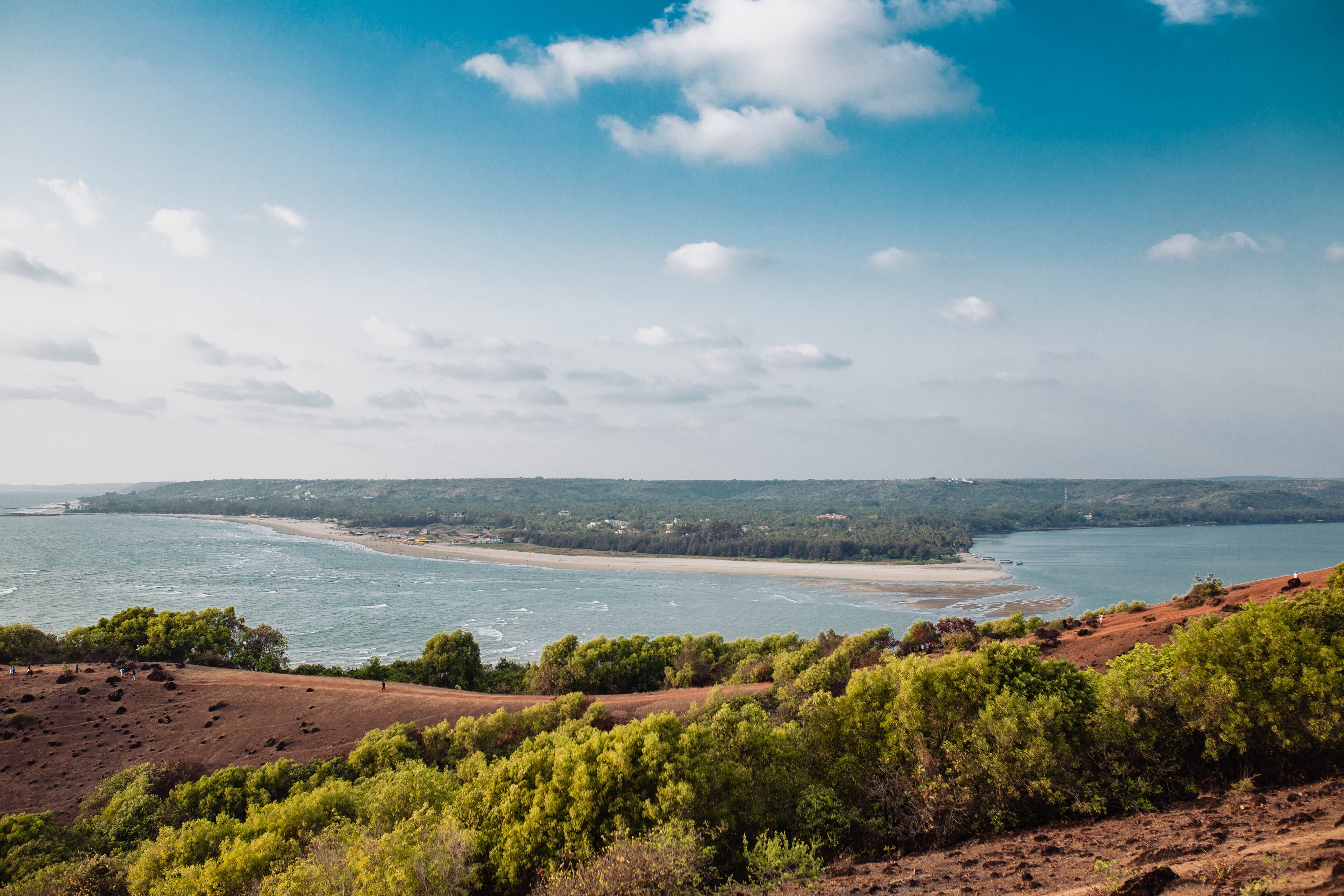
Goa is one of India’s smallest states, but few places carry such an outsized cultural signature. For more than four centuries it was under Portuguese rule, and that past still lingers in whitewashed churches, azulejo-style facades, bakeries turning out crusty pão, and neighborhoods where Konkani, Portuguese echoes, and modern Indian life meet in the same lane.
What makes a Goa trip especially rewarding is its variety. In a single week you can move from the Latin Quarter of Panaji to the party-and-café belt of North Goa, then down to the wider beaches and quieter villages of the south, with spice farms, river islands, seafood taverns, and old cathedrals in between.
Practically speaking, Goa is easiest to enjoy when you split your stay between North Goa and South Goa, minimizing long daily drives. November through March is the classic season for a Goa beach holiday, but year-round travel is possible; use app-based taxis or pre-booked cabs for comfort, dress modestly for churches and temples, and do not leave without trying Goan fish curry rice, prawn balchão, cafreal, xacuti, bebinca, and fresh poi from a local baker.
Arrival & getting around: Fly into Goa via Trip.com or Kiwi.com. For this 7-day itinerary, I recommend 2 bases: Panaji/North Goa for 4 nights, then South Goa for 2 nights; the transfer between them is usually 1.5-2 hours by car depending on traffic, and a private cab typically costs about $20-$35.
Panaji (Panjim) & North Goa
Panaji is the right place to begin because it reveals the Goa many visitors miss. This small capital is not about rushing from beach to beach; it is about tiled roofs, river views, Indo-Portuguese homes, old bakeries, and evenings that unfold over seafood, feni cocktails, and music.
North Goa adds the contrast: fort-top sunsets, lively beach belts, flea-market energy, and cafés where breakfast stretches into noon. Staying in or near Panaji, Candolim, Calangute, or Anjuna gives you easy access to heritage sights and the coast without spending your week in transit.
Where to stay: Browse rentals on VRBO in Panaji or hotels on Hotels.com in Panaji and Hotels.com in North Goa. Strong options include Novotel Goa Resort & Spa for a polished Candolim base, and The Funky Monkey Hostel in Anjuna for a social, budget-friendly stay.
Recommended activities:
- Fontainhas Heritage Walk by Make It Happen
- BLive Electric Bike Tours – Discovery of Divar Island
- Explore the Best of North Goa by Car
- Grand Island Adventure: Diving and Water Sports Thrills


Day 1 – Arrival in Goa, check-in, and a first taste of Panaji
Morning: Not scheduled, as this itinerary assumes an afternoon arrival. Before your flight, confirm hotel transfer or a prepaid taxi from the airport to Panaji/North Goa; depending on your exact base, the drive is usually 35 minutes to 1 hour 15 minutes.
Afternoon: Arrive in Goa, check in, and keep the first hours easy. If you are staying near Panaji, stretch your legs along the Mandovi riverfront and 18th June Road; if you are based in Candolim or Calangute, take a gentle walk on the beach rather than planning anything overly ambitious after travel.
Evening: Head into Panaji for dinner in the old quarter. For an atmospheric first meal, try Mum’s Kitchen, known for carefully researched Goan family recipes such as prawn balchão, pork vindaloo, and chicken cafreal; it is a smart introduction because the menu gives regional context instead of flattening Goan food into a single style. If you want a more tavern-like setting, Ritz Classic is beloved for seafood thalis and fried fish, while Joseph Bar is an excellent stop for a pre-dinner or post-dinner drink in a tiny, storied room known for feni cocktails and local character.
Day 2 – Fontainhas, churches, cafés, and riverfront Panaji
Morning: Begin with coffee and breakfast at a neighborhood café in Panaji. Caravela Café is a fine pick for strong coffee, sandwiches, and a heritage setting in Fontainhas, while Café Bodega, tucked in an arts complex, is better if you want a slower breakfast with baked goods and a more contemporary creative crowd. Then join the Fontainhas Heritage Walk by Make It Happen, one of the most rewarding introductions to Goa’s layered past.
Afternoon: After the walk, linger in Fontainhas and São Tomé, where the lanes feel almost theatrical in their ochre, blue, and mustard facades. Visit the area around the Chapel of St. Sebastian and browse for azulejo-inspired souvenirs or local confectionery; for lunch, Venite serves Goan and Indo-Portuguese dishes in a colorful old building, while Viva Panjim is a dependable address for xacuti, recheado, and serradura dessert.
Evening: Spend sunset by the Mandovi River promenade or book a table for a relaxed dinner back in Panaji. The best move tonight is to stay local rather than chase beaches: a second evening in town lets the city reveal its quieter pleasures, from balcony-lined streets to small bars where conversations spill out late. If you want dessert or a final sweet note, seek out bebinca, Goa’s layered dessert, with coffee.
Day 3 – Divar Island and Old Goa by e-bike, then a fort sunset
Morning: Have an early breakfast, ideally something Goan and light such as poi with omelet, at your hotel or a local bakery-café. Then set off for the BLive Electric Bike Tours – Discovery of Divar Island, which is an inspired way to see a softer, greener Goa of ferry crossings, village roads, and river landscapes without needing serious cycling fitness.
Afternoon: Continue into Old Goa, whose churches were once part of a city grand enough to be called the “Rome of the East.” The Basilica of Bom Jesus and Sé Cathedral are essential not because they are obligatory checklist sights, but because they explain how Goa became such a singular meeting point of Europe and India. For lunch, keep it straightforward with a local restaurant en route, or if you prefer a structured day, consider the Discover Goa: A Full-Day Private City Tour as an alternative to independent planning.
Evening: Make for Fort Aguada or the Sinquerim-Candolim stretch for sunset. Fort Aguada, built by the Portuguese in the 17th century, offers one of the classic coastal views in North Goa, especially when the Arabian Sea catches the last light. For dinner, go to Calamari Bathe & Binge on Candolim beach for seafood with your feet nearly in the sand, or try Gunpowder in Assagao if you want a stylish dinner with bold South Indian flavors beyond standard beach shack fare.
Day 4 – North Goa beaches, markets, and a lively coastal evening
Morning: Breakfast in Anjuna or Assagao. Mojigao is excellent for a leafy, slow breakfast with smoothie bowls, eggs, and good coffee, while Baba Au Rhum is one of North Goa’s best-known bakery cafés for wood-fired breads, croissants, and breakfasts that justify the queue. Afterward, choose your preferred beach rhythm: Candolim for relative ease, Vagator for dramatic red cliffs, or Anjuna for a more bohemian mood.
Afternoon: If you would like a guided overview, this is a good day for the Explore the Best of North Goa by Car. If you prefer to move at your own pace, visit Chapora Fort for its commanding views over Vagator, then stop for lunch at Vinayak Family Restaurant in Assagao or Mapusa side for a more local seafood experience; it is not flashy, which is exactly the point, and regulars come for fish thalis, rawa-fried seafood, and unfussy reliability.
Evening: Tonight is your beach-night slot. Depending on your tastes, settle into a sunset shack in Vagator or Anjuna, then dine at Thalassa if you want a celebratory clifftop atmosphere and big sea views, or choose a smaller venue in Assagao for a calmer meal. If live music or bars appeal, North Goa has plenty, but it is better to pick one neighborhood and linger than waste the night in traffic hopping between them.
Day 5 – Transfer to South Goa via Majorda or a cultural day route
Morning: Check out after breakfast and transfer south by private cab; from North Goa to Colva, Benaulim, Majorda, or Cavelossim, allow roughly 1.5-2 hours and about $20-$35 depending on route and car type. If you want the transfer day to double as an experience, consider the Bake Bread With 80 Years Old Baker In Majorda, which offers something genuinely Goan and memorable.
Afternoon: Check into your South Goa stay and ease into a different mood altogether. South Goa is broader, greener, and less frenetic, with long beach arcs and villages where lunch can stretch pleasantly. For a first meal, Martin’s Corner near Betalbatim is the classic recommendation for good reason: the menu is broad, the seafood is dependable, and dishes like recheado fish and butter garlic crab deliver the celebratory Goan lunch many travelers are hoping for.
Evening: Walk the sands at Majorda, Colva, Benaulim, or Cavelossim depending on your hotel base. South Goa’s appeal lies in not over-programming it. For dinner, Zeebop by the Sea is lovely for a lingering beachfront meal, while simple beach shacks can be equally satisfying if you order the local catch and a cold drink rather than chasing elaborate menus.
South Goa
South Goa is where the trip exhales. The beaches are generally wider and less crowded, the villages slower, and the best days combine coconut groves, seafood lunches, church spires, inland plantations, and long dusky walks where nobody is in a hurry.
It is also the best counterpoint to the north. After Panaji’s history and North Goa’s buzz, South Goa gives you the generous final act: quieter shores, elegant resorts, and the version of Goa many repeat visitors return for.
Where to stay: Browse homes on VRBO in South Goa or hotels on Hotels.com in South Goa. Excellent options include Taj Exotica Resort & Spa, Goa, Holiday Inn Resort Goa, and The Leela Goa.
Recommended activities:
- Private South Goa City Tour with Spice Plantation and Lunch
- Dudhsagar Waterfalls Tour Jeep Safari and Spice Plantation Visit


Day 6 – South Goa churches, viewpoints, spice plantation, and village flavors
Morning: Enjoy breakfast at your resort or a local café, then take a structured excursion with the Private South Goa City Tour with Spice Plantation and Lunch. This is a smart inclusion because South Goa’s highlights are spread out, and the combination of viewpoints, churches, and plantation life tells a fuller story than a beach-only day ever could.
Afternoon: Continue the tour through inland Goa. Spice plantations are not merely pleasant greenery; they help explain the old trade routes that made coastal Goa so coveted. A traditional plantation lunch often includes local curries, rice, and simple home-style preparations, which can be a welcome contrast to restaurant dining.
Evening: Return to your beach area and keep the night relaxed. For dinner, try a local favorite such as Pentagon Restaurant if you are near Colva for generous seafood and Goan staples, or revisit a beachfront restaurant where the setting does half the work. Order fish curry rice or squid recheado and let the evening stay unhurried.
Day 7 – Slow beach morning, last lunch, and departure
Morning: Your final morning should be deliberately light. Walk the beach early while it is still quiet, or book a spa treatment if your hotel offers one. If you prefer a final activity over pure leisure, avid nature lovers could swap this easy morning for the longer Dudhsagar Waterfalls Tour Jeep Safari and Spice Plantation Visit on an earlier day, but for departure day I strongly recommend staying close to your base.
Afternoon: Have an early lunch before heading to the airport. If timing allows, Martin’s Corner is a worthy farewell meal if you missed it earlier; otherwise choose a nearby restaurant and avoid a long detour. Leave ample buffer for the airport drive, generally 30-60 minutes from many South Goa beach zones, longer in heavier traffic.
Evening: Departure from Goa. If your flight is delayed into the evening, use the extra time for a final coffee and dessert rather than another outing; after a week of movement, Goa is best remembered in a lingering final hour, not a rushed last checklist stop.
This 7-day Goa itinerary gives you the state in proper proportion: Panaji’s history, North Goa’s coast and café culture, and South Goa’s slower shoreline and inland richness. It is a balanced first trip, with enough structure to be practical and enough breathing room to let Goa do what it does best—arrive gradually, then stay with you long after you leave.