
7 Days in Denmark: Copenhagen & Aarhus Itinerary with Castles, Canals, Design, and Nordic Food
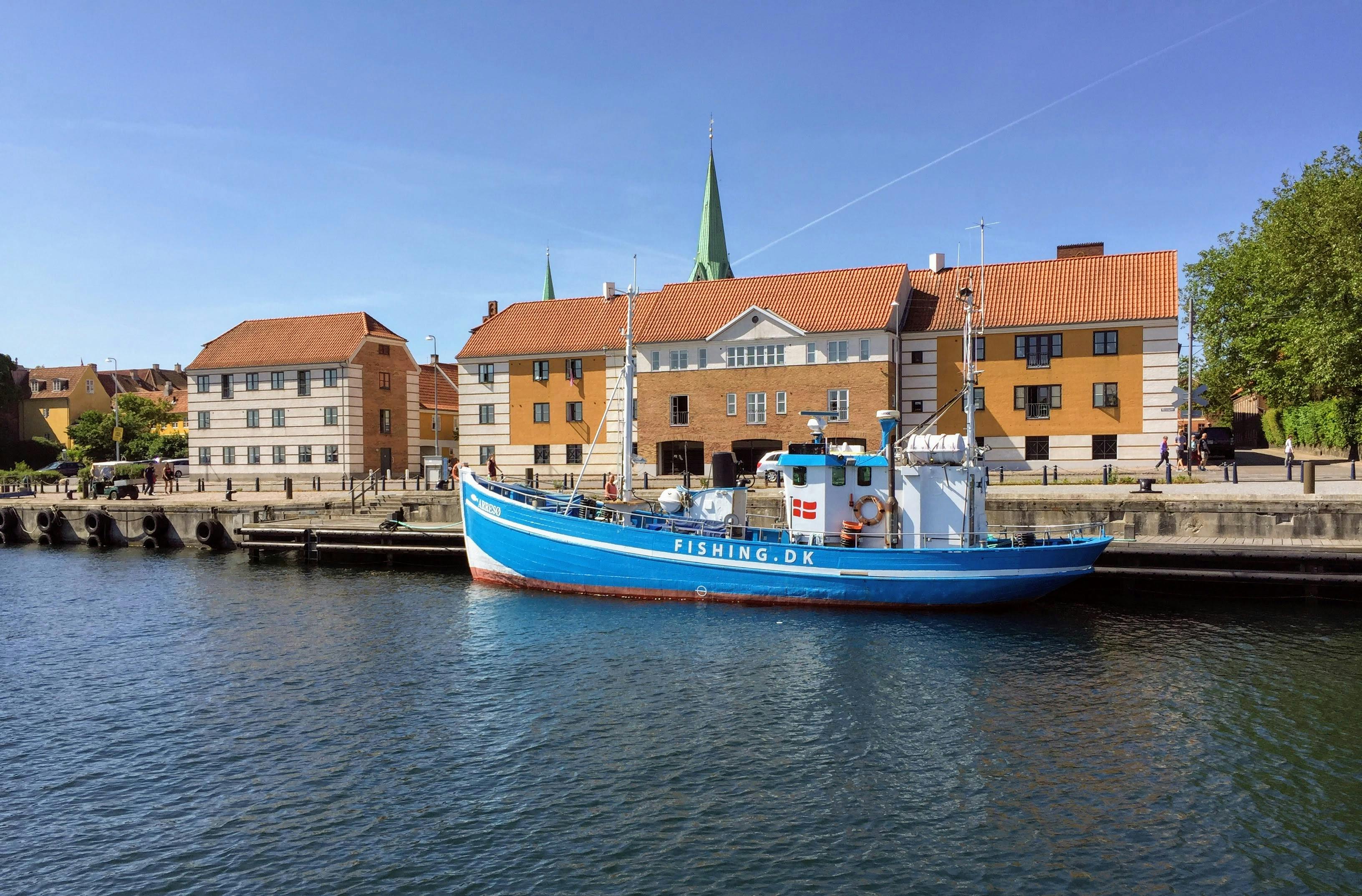
Denmark may be compact on the map, but it carries an outsized cultural weight. This is the land of Vikings, Hans Christian Andersen, avant-garde design, bicycle highways, and a monarchy that traces its lineage back more than a thousand years. In a single week, you can move from royal Copenhagen to youthful Aarhus and feel how old trading ports evolved into some of Europe’s most livable cities.
Travelers often come for colorful Nyhavn, Tivoli Gardens, and fairy-tale castles, then leave talking about smaller pleasures: cardamom buns from a neighborhood bakery, a harbor swim on a clear day, candlelit wine bars, and the famously untranslatable Danish idea of hygge. Danish cuisine goes far beyond pastries; expect excellent seafood, inventive seasonal cooking, and open-faced sandwiches elevated to an art form.
Practically speaking, Denmark is easy to navigate, safe, and efficient, with excellent trains and widespread English fluency. Prices are high by European standards, so it helps to plan meals and transport in advance, and spring through early autumn is particularly rewarding for longer daylight and outdoor dining. For a 7-day Denmark itinerary, the most logical split is two cities: Copenhagen for royal history and canal life, then Aarhus for museums, design, and a more relaxed Jutland rhythm.
Copenhagen
Copenhagen is one of those rare capitals that feels grand and intimate at once. Palaces, copper spires, and stately squares sit beside experimental restaurants, harbor baths, and bike-filled streets that make the city feel lived in rather than staged.
For first-time visitors, the appeal lies in the variety packed into a small center. You can walk from medieval lanes to royal residences, from the old stock exchange quarter to modern waterfront architecture, then end the day in Vesterbro or Nørrebro over natural wine or craft beer.
Food is a major draw here. Look for buttery pastries at Hart Bageri, polished smørrebrød at Selma, seafood and atmosphere at Torvehallerne, and thoughtful tasting menus if you want a celebratory dinner. Coffee culture is serious too, with standout stops like Prolog, Coffee Collective, and Andersen & Maillard.
Where to stay: For a refined classic, consider Hotel d'Angleterre. For sociable, budget-friendlier stays, try Urban House Copenhagen by MEININGER or Wakeup Copenhagen - Borgergade. For more space or apartment-style options, browse VRBO in Copenhagen, and for a wider hotel search use Hotels.com Copenhagen.
Getting there: For flights into Denmark and European connections, compare fares on Omio flights. Copenhagen Airport to the city center is typically a 15-20 minute metro or train ride. Expect intercity arrival day logistics to be simple and efficient.
Viator experiences worth considering:
- Copenhagen Highlights 3 Hour Bike Tour with local Guide — ideal early in the trip to understand the city’s layout and cycling culture.
- Copenhagen Culinary Food Tour with 6+ Tastings of Danish Classics — a smart introduction to smørrebrød, pastries, and Danish food traditions.
- Copenhagen Classic Canal Tour With Guide — a relaxing way to see the city’s maritime geography.
- Grand Day Trip around Copenhagen — excellent if you want castles and Roskilde without organizing transport yourself.


Day 1 - Arrive in Copenhagen
Morning: You will likely be in transit, so keep this portion of the day light and focused on arrival. If you land early, use Omio flights for route planning and head into the city by metro or train, then settle into your hotel before beginning gently.
Afternoon: After check-in, start with Nyhavn, Copenhagen’s 17th-century canal lined with vividly painted merchant houses. It is undeniably popular, but for good reason: the harbor frontage tells the story of Copenhagen as a trading city, and it makes a wonderful first walk when your energy is still adjusting. Stop for coffee at Original Coffee nearby or a pastry at Lille Bakery if you want something more destination-worthy.
Evening: Have your first Danish dinner at Selma, where smørrebrød is treated with intelligence rather than nostalgia; the toppings are seasonal, precise, and deeply rooted in local ingredients. If Selma is booked, Restaurant Schønnemann is an old-school classic for a more traditional experience. End with a twilight walk to Kongens Nytorv and the Royal Danish Theatre area, where the city’s elegance reveals itself best after the day crowds thin.
Day 2 - Royal Copenhagen, canals, and classic sights
Morning: Join the Copenhagen Highlights 3 Hour Bike Tour with local Guide or, if you prefer walking, the Best of Copenhagen: Small Group Walking Tour. This is a smart way to see Amalienborg Palace, Frederik’s Church, and the Little Mermaid with context rather than simply collecting landmarks. Copenhagen is one of the world’s great cycling cities, and understanding that infrastructure makes the place more legible.
Afternoon: Take the Copenhagen Classic Canal Tour With Guide. From the water, the city’s identity comes into focus: old naval warehouses, modern opera architecture, low bridges, and the working harbor that shaped Copenhagen’s wealth and worldview. For lunch, head to Torvehallerne and choose from Hallernes Smørrebrød for open sandwiches or Fiskerikajen for seafood.
Evening: Spend the evening in Christianshavn and along the inner harbor. Dinner at Barr is an excellent choice if you want Nordic cooking in a historic setting near the waterfront; alternatively, return to the meatpacking district for something livelier, such as Kødbyens Fiskebar, known for sharp seafood cooking and a stylish but unpretentious room. If you still have energy, finish with cocktails at Ruby, set inside an elegant townhouse.
Day 3 - Food, design, and Tivoli Gardens
Morning: Begin with breakfast at Hart Bageri, where the laminated pastries and sourdough have helped redefine modern baking in Copenhagen. Then explore Strøget and the smaller lanes around it, including the beautifully preserved center near Rundetaarn and Gråbrødretorv. This is also a good time for design-minded travelers to browse Illums Bolighus or smaller Scandinavian interiors shops.
Afternoon: Take the Copenhagen Culinary Food Tour with 6+ Tastings of Danish Classics or the Original Copenhagen food tour: 8 tastings, full meal & VIP access. A guided food experience is especially valuable in Copenhagen because Denmark’s culinary identity is subtle; a good guide can explain rye bread traditions, New Nordic principles, and why pastries here feel at once French-influenced and distinctly Danish.
Evening: Reserve your evening for Tivoli Gardens. Opened in 1843, this historic amusement park inspired visitors from Walt Disney onward, yet it still feels unmistakably European rather than corporate. Eat inside the gardens if you want atmosphere, or dine beforehand at Frk. Barners Kælder, a dependable old Copenhagen spot for classic dishes in a wood-paneled setting, then wander Tivoli after dark when the lights turn the place theatrical.
Day 4 - Day trip beyond Copenhagen: castles and Danish history
Use today for a full-day excursion outside the capital. The strongest option is the Grand Day Trip around Copenhagen, which covers royal castles and Roskilde, the former capital, with more historical range than a simple out-and-back visit. Another excellent choice is the Full-Day; Castle, Palace, Cathedral & Viking ships Tour, especially if Viking ships and UNESCO-listed Roskilde Cathedral appeal to you.
These tours are rewarding because they show how Denmark’s monarchy, maritime power, and medieval church history intertwine. Kronborg Castle in Helsingør, immortalized as Hamlet’s Elsinore, is more than a Shakespeare reference; it was also strategically vital in controlling Baltic access and collecting sound dues from passing ships.
After returning to Copenhagen, keep dinner low-key. Consider Restaurant Kronborg for traditional fare or a casual dinner in Nørrebro, where neighborhoods rather than monuments take center stage. If you enjoy beer, the area around Jægersborggade offers a more local evening than the center, with excellent bars and bakeries nearby.
Day 5 - Travel to Aarhus and first look at Jutland
Morning: Depart Copenhagen for Aarhus by train. Use Omio trains to compare departures; the journey is typically around 3 to 3.5 hours and often costs roughly $35-$80 depending on timing and fare class. Morning departures are the most practical, and Danish rail is generally comfortable, punctual, and scenic enough to make flying unnecessary on this route.
Afternoon: After arrival and check-in, start with Aarhus Ø and the waterfront, then walk into the Latin Quarter. Aarhus feels younger and more relaxed than Copenhagen, but it is not less interesting; it simply trades royal spectacle for university energy, strong museums, and a sense of everyday Danish life. For lunch, try Smagløs for creative Danish fare or head to Aarhus Street Food for variety if you want a more casual first meal.
Evening: Visit Dokk1 and continue along the harborfront before dinner at Restaurant Domestic if you want ingredient-driven cooking with a local focus, or Mefisto for reliable seafood in the old town. Later, take a leisurely stroll through the cobbled streets around the cathedral and river. Aarhus after dark is understated in the best way: less performative than many European city centers, more rooted in actual local routines.
Aarhus
Aarhus is Denmark’s second city, though it often feels like the country’s creative studio rather than its understudy. It combines a major university, serious museums, design-forward shops, and a compact historic core that is easy to love on foot.
The city’s great strength is contrast. One moment you are in Den Gamle By, a living history museum of timber-framed streets and period interiors; the next, you are inside ARoS gazing at contemporary art and the rainbow panorama that has become an icon of modern Denmark.
Food here is excellent but less ceremonious than in Copenhagen. Expect strong coffee, inventive bakeries, relaxed bistros, and some of Jutland’s best seafood. It is also a fine place to slow down and enjoy Denmark’s daily pleasures rather than racing between headline sights.
Where to stay: Browse apartment rentals via VRBO in Aarhus or compare hotels on Hotels.com Aarhus. Staying near the Latin Quarter or the central station makes the city especially easy to navigate.
Day 6 - Museums, old town streets, and Aarhus dining
Morning: Start with coffee at La Cabra, one of Denmark’s most respected coffee names, where the roasting style is light, modern, and precise. Pair it with a pastry, then head to ARoS Aarhus Art Museum. The museum’s collection is strong, but the rooftop rainbow walkway, Your Rainbow Panorama, is the signature experience and offers a shifting color-washed view over the city.
Afternoon: Have lunch at Raadhuus Kaféen if you want classic Danish comfort food in a traditional setting, or try a modern café in the Latin Quarter. Then spend several hours at Den Gamle By, one of Europe’s best open-air museums. It is not a token heritage village; it recreates urban Danish life across eras with unusual seriousness, making it one of the country’s most illuminating historical attractions.
Evening: For dinner, book Pondus for polished seasonal cooking or ET for a lively French-leaning brasserie atmosphere that locals genuinely use rather than merely recommend to visitors. If you want a quieter nightcap, explore the bars around the river, where Aarhus’s student population keeps the mood energetic without tipping into disorder. This is a good night to simply sit outside, weather permitting, and appreciate how easy Danish cities are to inhabit.
Day 7 - Moesgaard Museum and departure
Morning: Use your final morning for Moesgaard Museum, just south of the city center by bus or taxi. This is one of Denmark’s finest museums, particularly if you are interested in archaeology, prehistory, and Viking-era storytelling. The building itself, sloping out of the landscape, is worth the trip before you even step inside.
Afternoon: Return to central Aarhus for an early lunch before departure. For something relaxed, try a final meal at a bakery-café or revisit a favorite from the trip. If you are continuing onward by rail, check options on Omio trains; if you are flying onward through Europe, use Omio flights to compare connections. Plan to leave for the station or airport in good time, especially if changing trains.
Evening: Most travelers will be in transit by this point. If your schedule allows a little extra time before departure, walk once more through the Latin Quarter or along the harbor and take in the low-key elegance that makes Aarhus such a rewarding final stop.
This 7-day Denmark itinerary gives you two complementary views of the country: Copenhagen’s royal, culinary, and canal-laced capital energy, and Aarhus’s museum-rich, design-conscious, more local pace. It is a trip built not only around major sights, but around the daily pleasures that Denmark does so well—great bread, thoughtful urbanism, waterfront light, and history that still feels close at hand.