
7 Days in Darjeeling: Tea Estates, Toy Train Views & Himalayan Sunrises
Darjeeling, perched in the lower Himalayas of West Bengal, began its modern life in the 19th century as a British hill station, sanatorium, and tea-growing powerhouse. Yet its story is far older and broader than empire alone: Lepcha, Nepali, Tibetan, and Bhutia influences still shape the town’s food, languages, faith traditions, and rhythm of daily life.
What makes Darjeeling so magnetic is the contrast. You can hear a monastery bell in the morning, sip one of the world’s most prized teas by noon, and watch clouds drift over Kanchenjunga by evening while the narrow-gauge Darjeeling Himalayan Railway whistles nearby.
For practical planning, the usual gateway is Bagdogra Airport (IXB) or New Jalpaiguri rail station, followed by a 3-4.5 hour hill drive depending on traffic and weather. Roads can be slow and winding, so pack motion-sickness tablets if needed, bring layers for cool mornings, and plan early starts for the clearest mountain views—especially for Tiger Hill and longer excursions.
Darjeeling
Darjeeling is not a place to rush. It is a town of steep lanes, tea aromas, school bells, mist, prayer flags, old boarding-house facades, and viewpoints that reveal the Himalayas in flashes and grand unveilings.
The great draw is not only the scenery, though that alone would justify the journey. It is also the texture of the place: Tibetan refugee craft centers, Gorkha food stalls, colonial-era institutions, Buddhist monasteries, and cafes where travelers linger over coffee while clouds move like theater curtains.
For a 7-day trip centered on Darjeeling, it makes sense to keep one hotel base here and branch out on scenic day trips. This reduces packing, avoids unnecessary transfers on mountain roads, and leaves enough time to enjoy the hill station properly rather than merely passing through it.
Where to stay: Browse VRBO stays in Darjeeling for apartment-style options with valley views, or compare hotels on Hotels.com Darjeeling. For first-time visitors, staying near Chowrasta or Gandhi Road gives easy access to restaurants, Mall Road strolls, and taxi pickup points.
Getting there: Search flights into Bagdogra on Trip.com flights or Kiwi.com flights. If arriving by rail into the plains, compare options on Trip.com trains; from Bagdogra or New Jalpaiguri to Darjeeling, expect a private car ride of about 3-4.5 hours, typically around US$25-60 depending on vehicle type and season.
Recommended Viator experiences:
- Trip to Tiger Hill Darjeeling — a classic pre-dawn outing for the famous sunrise and possible views of Kanchenjunga and, on very clear days, Everest.
- Colonial Heritage Walking Tour in Darjeeling — ideal for understanding the hill station’s layered architecture and political history.
- Tea Pluckers' Day — one of the most meaningful ways to connect with Darjeeling’s tea culture beyond simply tasting it.
- Day_Trippers (Darjeeling Full Day Tour) — a practical overview day if you want efficient access to major sights.


Day 1 – Arrival in Darjeeling and a Gentle Introduction
Morning: This is your travel-in day, so keep the morning reserved for your flight or train connection into Bagdogra or New Jalpaiguri, followed by the mountain transfer. The uphill drive is part of the experience: watch the plains recede, tea gardens appear, and the air sharpen as you climb toward the hills.
Afternoon: Check in, settle, and keep your first outing easy with a slow walk around Chowrasta and Mall Road. This pedestrian heart of Darjeeling has long served as the town’s social stage, and it is the perfect place to absorb the altitude, browse local handicrafts, and catch your first glimpse of the mountain skyline if the clouds cooperate.
Afternoon: For a late lunch, try Kunga Restaurant for superb Tibetan fare; their momos, thenthuk, and wonton soup are local favorites for good reason. If you want something with broader Himalayan and North Indian options, Glenary’s remains a classic first stop, especially for baked goods and a view-facing seat.
Evening: Pause at Nathmulls Tea for a proper introduction to Darjeeling tea; ask for guidance on first flush versus second flush, because the flavor difference is part of the region’s identity. For dinner, Sonam’s Kitchen is better known for breakfast, so instead choose Keventer’s rooftop for old-school hill station nostalgia and mountain air, or head to Gatty’s Café for a cozy meal if you prefer a quieter first night.
Evening: Go to bed early if you plan to chase sunrise tomorrow. Darjeeling rewards early risers more than late-night wanderers, and the clearest Himalayan views often appear before breakfast.
Day 2 – Tiger Hill, Ghoom, Batasia Loop and Central Darjeeling
Morning: Start before dawn for Tiger Hill, the most famous sunrise point in the region. The reason to go is not merely the sun itself, but the extraordinary way first light brushes Kanchenjunga’s snowy mass in pink and gold; on exceptionally clear mornings, Everest can be glimpsed in the far distance.
Morning: If you prefer a guided outing, book Trip to Tiger Hill Darjeeling. On the return, stop at Ghoom Monastery, one of the oldest Tibetan Buddhist monasteries in the area, and then Batasia Loop, where the toy train curves in a dramatic spiral framed by gardens and mountain views.
Afternoon: Return to town for breakfast at Sonam’s Kitchen, beloved for hearty pancakes, eggs, fresh bread, and good coffee in a warm, unfussy setting. Later, visit the Himalayan Mountaineering Institute and adjoining Padmaja Naidu Himalayan Zoological Park; the first honors Tenzing Norgay and India’s mountaineering history, while the second focuses on high-altitude species such as the red panda and snow leopard.
Afternoon: For lunch, Keventer’s is reliable for sausages, sandwiches, and a terrace atmosphere that still carries the mood of an older Darjeeling. If you want Nepali flavors, ask for a thali or local-style noodle dishes at a family-run eatery near the market streets, where the food is often simpler and more revealing than at larger establishments.
Evening: Spend sunset hours strolling Observatory Hill Road and the edge of Chowrasta. For dinner, Glenary’s is a smart choice for a relaxed meal with bakery desserts afterward; the layered interior and colonial-era lineage fit the day’s theme, and their pastries are among the town’s most dependable indulgences.
Day 3 – Darjeeling Heritage, Colonial Echoes and Local Food
Morning: Today is for the town itself rather than the viewpoints around it. Join the Colonial Heritage Walking Tour in Darjeeling or, if timings fit better, the Heritage & Cultural Walk of Darjeeling. These walks add texture to what you see: schools, churches, civic buildings, and old residences become a living record of migration, tea wealth, education, and political change.

Afternoon: Have coffee and a light breakfast at Glenary’s bakery or a local cafe near Nehru Road, then continue to St. Andrew’s Church and the Bhutia Busty Monastery if road access is smooth. The monastery, relocated after earthquake damage in the 1930s, is especially rewarding for its painted interiors and quieter, more contemplative mood compared with the more heavily visited circuit stops.
Afternoon: For lunch, try Kunga again if you have fallen for Tibetan food, or seek out local momos and aloo dum in the market area. Darjeeling’s everyday food culture is one of the trip’s great pleasures: small plates, broth-based dishes, chili heat, and the blend of Himalayan influences that make the town feel distinct from the plains below.
Evening: Spend your evening browsing curio shops, tea boutiques, and bookstores around the mall. For dinner, choose a Nepalese or Tibetan-focused table and order shapta, momos, and noodle soups rather than defaulting to generic multicuisine menus; Darjeeling is at its best when you let the local palate lead.
Day 4 – Tea Estate Immersion and the Story Behind the Cup
Morning: Darjeeling without tea is unimaginable, so devote today to the landscape and labor that made the town famous. The most rewarding option is Tea Pluckers' Day, which goes beyond scenic plantations and introduces the human side of production through stories, field practice, and the craft of selecting leaves.
Morning: If that experience is unavailable on your dates, a visit to Happy Valley Tea Estate is an excellent independent substitute. Founded in the 19th century and still one of the best-known estates near town, it offers a manageable introduction to plucking, withering, rolling, oxidation, and tasting.
Afternoon: Enjoy lunch with a view-facing pause afterward; this is a good day to keep the schedule soft and reflective. Ask specifically to taste different flushes and estate styles, because even travelers familiar with tea are often surprised by how floral, muscatel, or brisk true Darjeeling can be.
Afternoon: After the estate visit, stop at the Tibetan Refugee Self Help Centre if open. It adds another essential chapter to Darjeeling’s story, connecting the hill station to Himalayan exile communities, artisanal weaving, woodwork, and resilience.
Evening: Return to the hotel for tea at dusk, then go out for dinner near Chowrasta. This is a fine night for a slower meal: grilled meats or breakfast-for-dinner at Keventer’s if you want nostalgia, or a more local table with thukpa and chili-spiked sides if the weather turns misty and cold.
Day 5 – Full Scenic Circuit of Darjeeling Highlights
Use today for a broader circuit that gathers the outlying sights into one efficient outing. The most straightforward choice is Day_Trippers (Darjeeling Full Day Tour) or A Full Day Tour Of Darjeeling, both useful if you want a driver to stitch together viewpoints, monasteries, tea scenery, and hill roads without haggling over taxis.

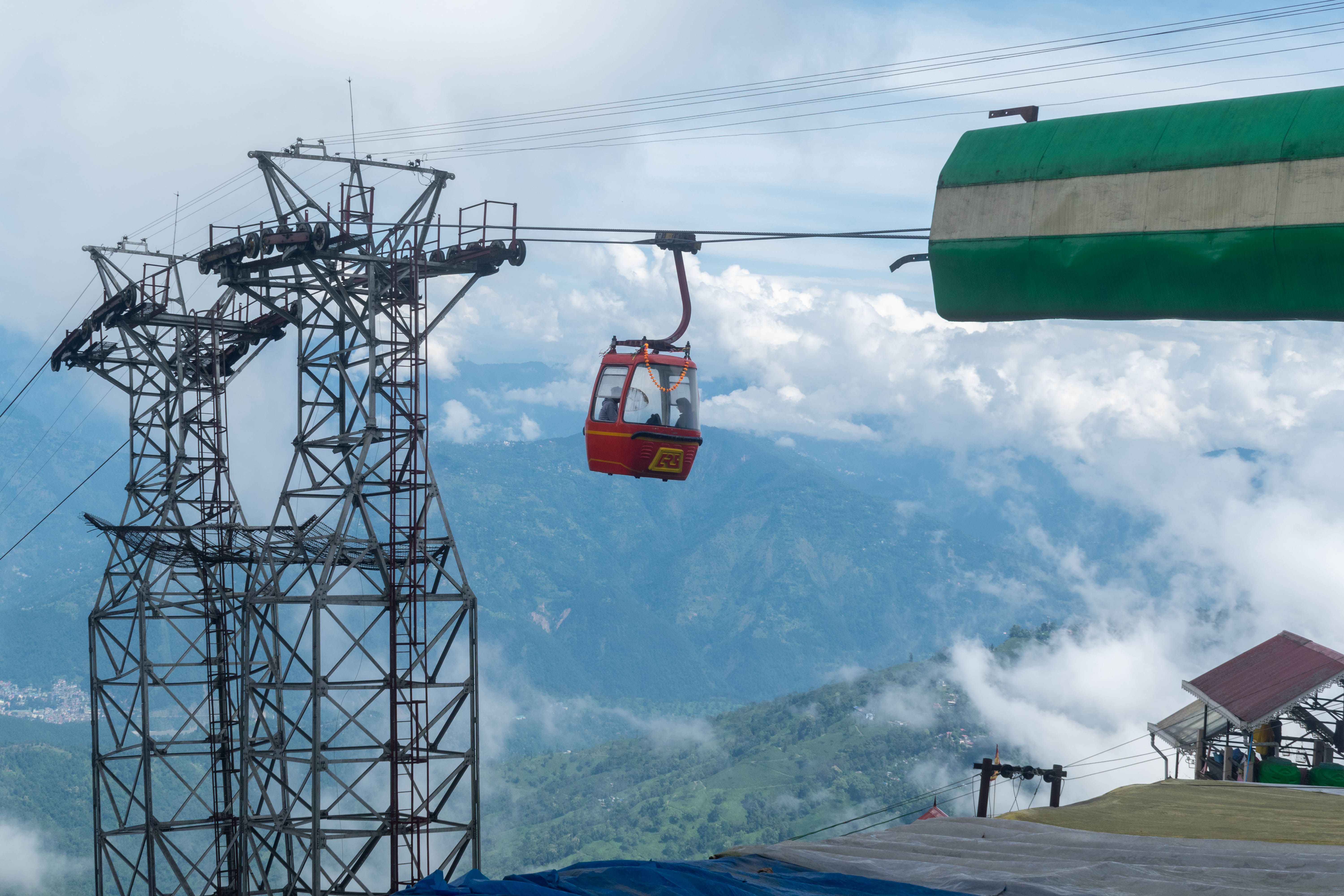
Expect some variation by operator, but a strong version of this day includes Japanese Peace Pagoda, Dali Monastery, ropeway viewpoints if operating conditions allow, tea garden stops, and several mountain-facing lookout points. The Peace Pagoda is especially worthwhile for its calm white dome and broad valley outlook, while Dali Monastery offers a more lived-in spiritual atmosphere with prayer halls and monastic activity.
If you are organizing the day independently, have breakfast early, then build in a substantial lunch break rather than trying to race from stop to stop. The point is not to collect checkmarks; it is to understand the geography of the town and how Darjeeling spreads across ridges, valleys, rail bends, monasteries, and tea slopes.
In the evening, reward yourself with a proper dinner and dessert. Glenary’s pastries are ideal if you have not yet sampled enough of them, and a final stroll through the cool hill air will likely remind you why Darjeeling has remained such a beloved mountain escape for generations.
Day 6 – Day Trip to Mirik or a Himalayan Nature Option
Morning: For a change of pace, make a day excursion to Mirik, a quieter hill destination known for its lake, orange groves, and tea-garden approach roads. The easiest guided option is The Land Mark Tour (Nautical Day Darjeeling To Mirik crusade); driving time is typically about 2.5-3 hours each way depending on road conditions.

Afternoon: In Mirik, walk around Sumendu Lake, cross the arched footbridge, and enjoy the fact that the atmosphere here is softer and less hurried than in Darjeeling town. This is less about headline monuments and more about scenic breathing room, with pine-framed water, horse rides, tea stalls, and broad views over surrounding hills.
Afternoon: If you would rather stay closer to Darjeeling and prefer hiking to driving, consider the Tiger Hill Darjeeling Nature Walk instead. It gives you a more intimate feel for the mountain environment—forest trails, changing light, birdlife, and Himalayan silence rather than a car-window experience.
Evening: Back in Darjeeling, choose a final celebratory dinner. Order a spread rather than a single dish: momos, fried rice or noodles, local-style meat preparations, and one more pot of Darjeeling tea or a warming soup if the evening turns cold.
Day 7 – Slow Morning, Last Views and Departure
Morning: Keep your final morning relaxed and close to town. Pick up tea to take home, revisit your favorite viewpoint, or sit with coffee and breakfast at Sonam’s Kitchen or another cafe near Chowrasta while the town wakes gradually around you.
Afternoon: Check out and begin the drive down to Bagdogra Airport or the rail station in the plains. For a pre-booked road transfer, consider Private Transfer Darjeeling Hotels To Bagdogra Airport IXB Drop or Darjeeling to Bagdogra Airport Drop. Expect roughly 3-4.5 hours on the road, and leave a generous buffer for bends, traffic, or weather.
Evening: Travel onward with tea in your luggage and that particular Darjeeling memory in your head: a whistle in the mist, a monastery wall, or a mountain suddenly appearing from cloud. Few hill stations are this atmospheric, and fewer still balance grand scenery with such a strong sense of culture and daily life.
This 7-day Darjeeling itinerary gives you the classic Himalayan highlights—Tiger Hill sunrise, tea estates, monasteries, heritage walks, and scenic day trips—without rushing the town’s quieter pleasures. It is a trip built as much around mood as landmarks, which is exactly why Darjeeling tends to stay with travelers long after they leave.