
7 Days in Crete: A Smart Island Itinerary for Chania and Heraklion
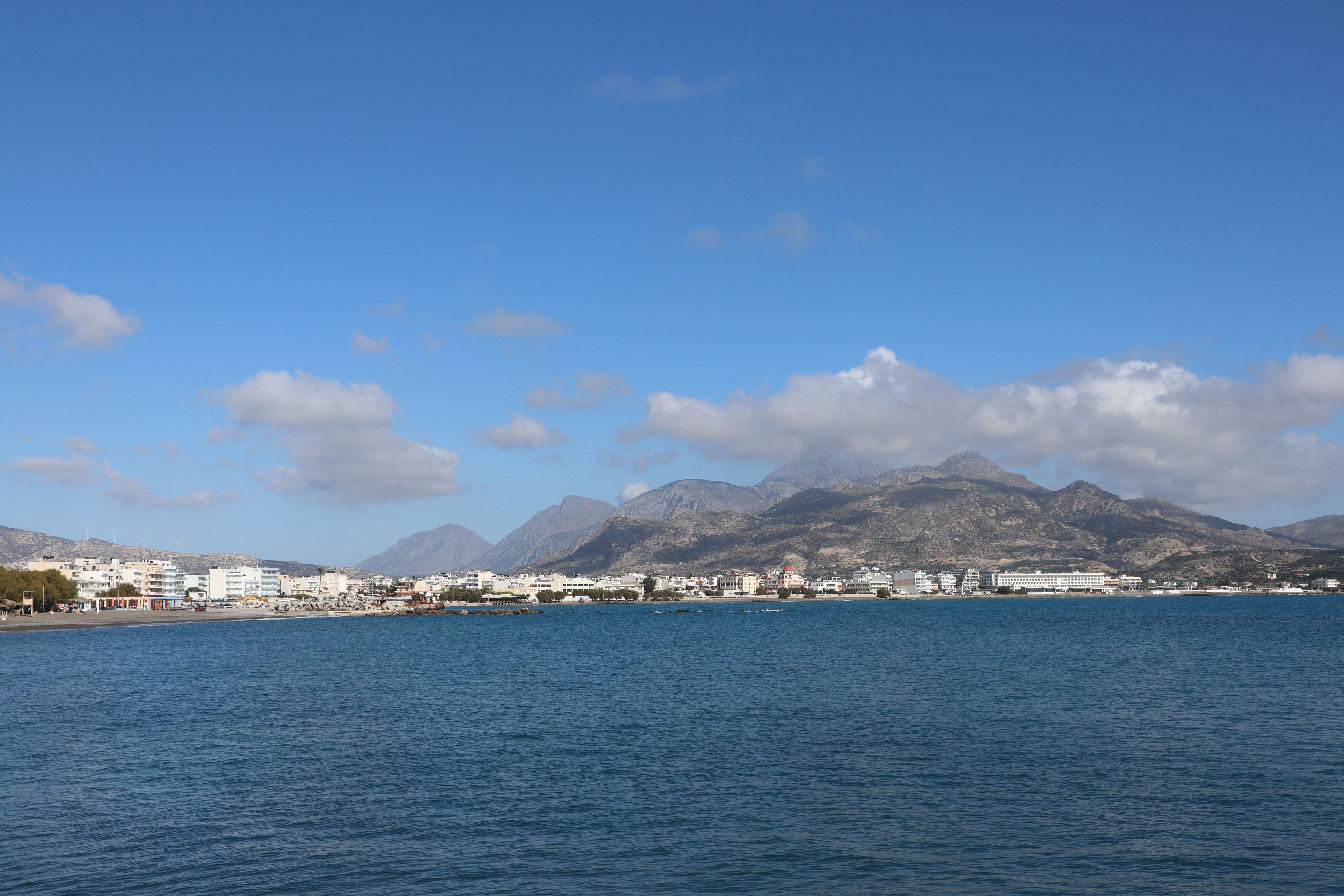
Crete, Greece’s largest island, has always felt slightly bigger than its map. It was the heart of the Minoan civilization, one of Europe’s earliest advanced cultures, and later passed through Roman, Byzantine, Venetian, and Ottoman hands—each leaving marks in fortresses, monasteries, recipes, and street plans that still shape daily life.
It is also an island of striking contrasts. In a single week you can walk a Venetian harbor, inspect Bronze Age palace ruins, swim in water that looks painted rather than natural, and eat mountain cheeses, snails, and olive oil from groves older than many countries. Crete is not just another Greek island escape; it is practically a small country with its own accent, proud traditions, and famously generous table.
For practical planning, a 7-day Crete itinerary works best with two bases rather than trying to circle the whole island. This route pairs Chania and Heraklion for a logical west-to-center flow, with enough time for old towns, beaches, archaeology, and long lunches. Roads are good but winding in places, so pace yourself, wear proper shoes for stone streets and ruins, and reserve major sites and restaurants ahead in high season.
Chania
Chania is the Crete of postcards, but it has more depth than beauty alone suggests. Its old town layers Venetian facades, Ottoman minarets, and hidden courtyards into a maze that rewards wandering without a strict agenda.
The city is especially good for travelers who want variety within short distances. You can start with coffee near the harbor, swim at a nearby beach by afternoon, and finish with Cretan dishes in a family-run taverna where the house raki appears whether you asked for it or not.
Where to stay: Browse VRBO stays in Chania or Hotels.com hotels in Chania.
Getting there: For flights into Crete, compare options on Omio. Many travelers fly into Chania or Heraklion from Athens or other European hubs; flight times are often around 50 minutes from Athens, with typical fares varying widely by season, often roughly $60-$180.
Food notes: Start mornings at Kross Coffee Roasters for carefully made espresso and a more modern café feel, or at Pallas for harbor views and a polished breakfast. For lunch, Tamam is beloved for Cretan and broader eastern Mediterranean dishes in a former Ottoman bath, while To Stachi is a long-running vegetarian favorite that treats Crete’s produce with seriousness rather than compromise. For dinner, Chrisostomos is a classic for slow-cooked lamb, dakos, and wood-fired dishes, and Thalassino Ageri, just outside the center by the water, is one of the most memorable seafood dinners in town.
Day 1 - Arrival in Chania
Morning: This is your transit window. Fly into Crete using Omio to compare air routes into Chania; if your international routing requires more flexibility, also check Trip.com flights. Plan on 20-30 minutes by taxi or transfer from Chania Airport to the old town.
Afternoon: After hotel check-in, keep the first hours gentle and atmospheric. Walk the Venetian Harbor, see the lighthouse from the promenade, and let the old arsenals, pastel facades, and mosque-lined waterfront introduce the island at an easy pace. Stop for a late lunch at Tamam, where the stuffed vegetables and slow-cooked meats give an immediate sense of Crete’s generous kitchen.
Evening: Begin with sunset drinks around the harbor, then have dinner at Chrisostomos in the old town, known for traditional Cretan cooking that tastes rooted rather than staged for visitors. If you still have energy, stroll through Splantzia Square, a less theatrical corner of Chania where cafés and plane trees create a softer nighttime mood than the main waterfront.
Day 2 - Old Chania, markets, and the harbor quarter
Morning: Start with coffee and breakfast at Kross Coffee Roasters or Pallas. Then explore the old town properly: the Maritime Museum area, the Firka Fortress exterior, the narrow lanes behind Zampeliou Street, and the Jewish quarter. Chania’s pleasure lies in these details—laundry over alleys, carved Venetian doorways, and tiny workshops tucked behind tourist streets.
Afternoon: Visit the Municipal Market area and nearby streets for everyday urban life beyond the harbor. For lunch, head to To Maridaki for fish and meze if you want something local and relaxed, or to To Stachi for a vegetable-forward Cretan meal. Spend the rest of the afternoon at Nea Chora Beach, an easy city beach where you can swim without committing the whole day to logistics.
Evening: Reserve dinner at Thalassino Ageri. Its waterfront tables, simple fish cookery, and slightly out-of-the-way setting make it feel like a reward for travelers who looked past the obvious harbor strip. Order grilled catch of the day, octopus, and greens, then return by taxi or a slow walk if you enjoy an after-dinner ramble.
Day 3 - West Crete beach day from Chania
Morning: Have an early breakfast, then set out for one of west Crete’s signature beaches. Balos Lagoon is the famous choice for luminous shallow water and dramatic scenery, while Falassarna is simpler logistically and excellent for a long beach day with more swimming room. If not driving, ask your hotel to help organize transport the day before.
Afternoon: Stay at the beach through lunch; in Falassarna, tavernas near the shore are straightforward and satisfying, ideal for grilled fish, Greek salad, and cold beer between swims. If you choose Balos, wear sturdy footwear and carry water, as the approach and midday heat can be more demanding than pictures suggest.
Evening: Return to Chania for a quieter evening. Dine at Salis near the harbor, where the wine list is thoughtful and the menu gives local ingredients a slightly more contemporary treatment without losing Cretan character. After dinner, walk the harbor once more when the day-trippers are gone and the waterfront regains some dignity.
Day 4 - Chania to Heraklion
Morning: Depart Chania for Heraklion. By car or private transfer, the journey usually takes about 2.5-3 hours depending on traffic; intercity buses are also reliable and often take around 3 hours. Compare bus and ferry options via Omio buses and Omio ferries where relevant for broader Greek connections.
Afternoon: Check into your Heraklion accommodation and orient yourself with a walk through the center: Lions Square, the Venetian Loggia, and the Koules Fortress by the harbor. Heraklion is busier and less immediately pretty than Chania, but it rewards attention with excellent museums, serious food, and a lived-in urban energy that feels more local than curated.
Evening: For dinner, try Peskesi, one of Crete’s most respected restaurants, where ingredients are sourced with unusual care and dishes draw deeply from Cretan culinary tradition. If you want something more casual afterward, finish with a loukoumades or ice cream stroll through the central streets.
Heraklion
Heraklion is the historical and logistical capital of Crete, and the right place to understand the island beyond beaches. It is the gateway to Knossos, home to one of Greece’s best archaeological museums, and full of tavernas where office workers, students, and visitors overlap in a way that keeps the city grounded.
While Chania seduces quickly, Heraklion grows on you through substance. The old port, Venetian walls, and museums tell the story of empires, while nearby wine country and seaside escapes keep the itinerary from becoming too academic.
Where to stay: Consider Kastro Hotel for a practical central stay, browse Creta Maris Beach Resort if you want a resort-style base within reach of central/eastern Crete, or explore Blue Palace, a Luxury Collection Resort and Spa for a splurge elsewhere on the island. You can also browse VRBO stays in Heraklion or Hotels.com hotels in Heraklion.
Food notes: For coffee and breakfast, think Think Tank 3rd Wave Coffee for specialty brews or Kirkor for pastries in a more old-school rhythm. For lunch, Ippokambos by the sea is good for fish with a view, while Xalali offers polished Cretan cooking. For dinner, besides Peskesi, Parasties is excellent for hearty island classics, and Apiri Greek_Eatery provides a more modern, ingredient-focused interpretation of Greek cuisine.
Day 5 - Knossos and the Archaeological Museum
Morning: Start early with breakfast at Kirkor or Think Tank 3rd Wave Coffee, then head to Knossos Palace before the biggest crowds and heat arrive. This is Crete’s signature archaeological site, associated with King Minos, the Minotaur, and Europe’s oldest literate civilization. The reconstruction is debated by scholars, which actually makes the site more interesting: you are seeing both Bronze Age remains and an early 20th-century vision of antiquity.
Afternoon: Return to Heraklion for lunch at Xalali or Peskesi, then spend the afternoon at the Heraklion Archaeological Museum. Seeing Knossos first and the museum second helps the frescoes, ceramics, and ritual objects fall into place. If you want a structured history day in Greece beyond Crete for a future trip, these Athens-based Viator options are strong benchmarks for guided archaeology experiences: Athens All Included: Acropolis and Museum Guided Tour with Ticket and Athens: Acropolis, Parthenon and Acropolis Museum Guided Tour.

Evening: Walk the Venetian walls around sunset if you want broad city views and a sense of Heraklion’s old defensive scale. Then have dinner at Parasties, where the grilled meats, pies, and local specialties feel rooted in family cooking rather than trend-driven plating.
Day 6 - Coastal Crete or a resort-style reset
Morning: After several culture-heavy days, make this your lighter coastal outing. If you are staying centrally, head to Ammoudara Beach for an easy swim close to Heraklion, or arrange a half-day trip east toward Hersonissos or Agios Nikolaos if you want clearer resort waters and a more polished seaside atmosphere.
Afternoon: Lunch by the water—simple grilled calamari, fried zucchini, and Cretan salad are exactly right here. If you prefer a resort day, this is the moment to enjoy facilities at Creta Maris Beach Resort or, for a more elevated remote escape elsewhere on the island, Blue Palace, a Luxury Collection Resort and Spa. The point is not to race through another checklist, but to let Crete’s sea and slower clock do some work.
Evening: Return to Heraklion for dinner at Apiri Greek_Eatery, a smart choice when you want something more contemporary after several rustic tavernas. If you enjoy wine, ask for Cretan bottles made from Vidiano or Liatiko grapes; local wine has improved enormously and deserves more international attention than it usually gets.
Day 7 - Final Heraklion morning and departure
Morning: Spend your last morning on a slow city wander. Pick up breakfast and coffee, browse local food shops for olive oil, thyme honey, herbs, or graviera cheese, and visit Koules Fortress if you skipped it earlier. This unhurried ending suits Crete, where some of the best memories are formed between major sights rather than at them.
Afternoon: Transfer to Heraklion Airport for departure. Use Omio to compare onward European flights, or Trip.com flights if you are mixing broader international routing. Aim to leave the center with extra time in summer, when traffic around ports and airports can be slower than expected.
Evening: Most travelers will already be en route home. If you have a late departure, fit in one final waterfront meal at Ippokambos for fish and sea views, a graceful last note for your Crete travel itinerary.
This 7-day Crete itinerary gives you two distinct faces of the island: Chania’s harbor romance and western landscapes, then Heraklion’s Minoan history and urban Cretan food culture. It is balanced enough to feel full, but not so crowded that Crete becomes a blur—which would be the worst possible way to experience an island built for lingering.