
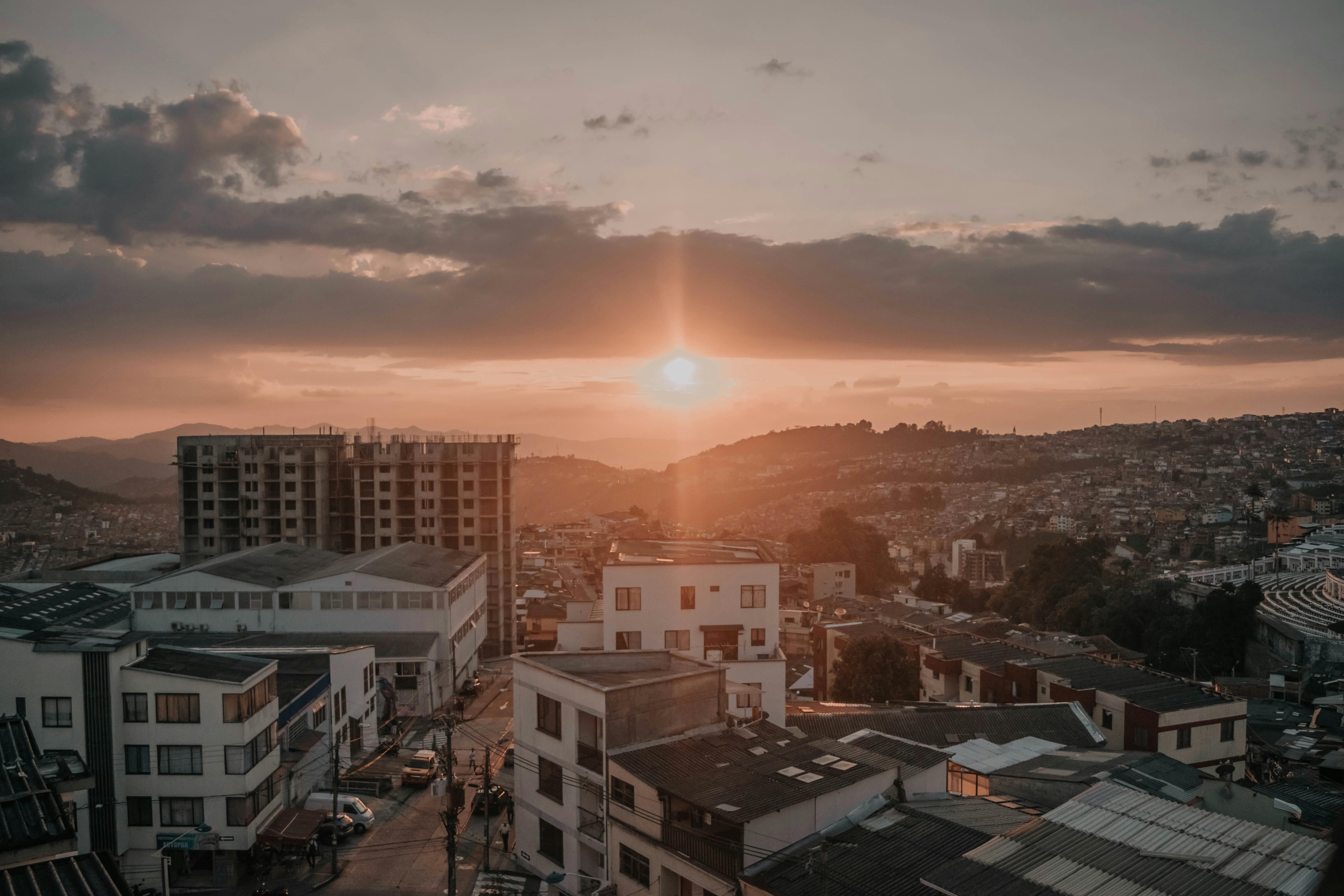
Colombia rewards travelers who like contrast. In one week, you can move from Bogotá’s high-altitude capital of colonial plazas, gold treasures, and mountain panoramas to Medellín’s springlike valley, where public art, urban renewal, and day trips into emerald-green countryside create one of South America’s most compelling city breaks.
There is history in nearly every block of this itinerary. Bogotá carries the legacy of Spanish rule, republican politics, and intellectual life, while Medellín tells a more contemporary story of reinvention, civic pride, and creativity. Along the way, you will encounter arepas, ajiaco, tropical fruit, specialty coffee, and neighborhoods that feel lived-in rather than staged for visitors.
Practical notes matter in Colombia. Domestic flights are usually the smartest way to connect major cities, traffic can be heavy in both Bogotá and Medellín, and the weather shifts by altitude more than by season, so pack layers plus sun protection. Stick to registered taxis or ride apps, stay aware in crowded areas, and you will find this 7-day Colombia itinerary both manageable and richly rewarding.
Bogotá
Bogotá is a city of altitude and ideas. At 2,600 meters above sea level, the air is crisp, the light can turn silver in an instant, and the capital’s great pleasures come layered: colonial churches, vivid street art, serious museums, ambitious restaurants, and neighborhoods where old bookstores sit near modern cocktail bars.
It is also one of the best introductions to Colombian diversity. The city draws people, ingredients, and traditions from every region of the country, so a few days here can feel like a crash course in Colombia itself.
Where to stay: For a polished classic address, consider The Four Seasons Hotel Casa Medina Bogotá, known for its historic character and excellent location for dining. For good-value comfort near cultural sights, Ibis Bogotá Museo is practical and well placed. You can also browse more stays on VRBO Bogotá and Hotels.com Bogotá.
Getting here: Fly into Bogotá and compare schedules on Trip.com flights or Kiwi.com flights. From El Dorado Airport to central neighborhoods such as La Candelaria, Chapinero, or Zona G, expect roughly 25-45 minutes depending on traffic.
- Top sights: La Candelaria, Plaza de Bolívar, Monserrate, Museo del Oro, and Bogotá’s café-rich neighborhoods.
- What to eat: Ajiaco, tamales, hot chocolate with cheese, fresh tropical fruit, and modern Colombian tasting menus.
- Fun fact: Bogotá’s Gold Museum holds one of the world’s most important collections of pre-Hispanic goldwork, offering a far richer picture of indigenous cultures than many visitors expect.
Featured activity: La Candelaria, Monserrate and Museums Bogotá Private City Tour is an excellent first-day anchor because it combines the old quarter, viewpoints, and museum context in one well-paced outing.

Day 1 - Arrival in Bogotá
Morning: In transit to Colombia. Aim for an afternoon arrival, and keep your first day intentionally light to adjust to the altitude.
Afternoon: After check-in, take a gentle orientation walk around your neighborhood. If you are staying near Chapinero or Zona G, stop for coffee at Azahar Coffee, a reliable specialty roaster known for showcasing beans from different Colombian regions, or Amor Perfecto, a favorite among coffee enthusiasts who want a more technical introduction to brewing and origin.
Evening: For dinner, book a table at Andrés Carne de Res DC in the city if you want a lively first-night immersion into Colombian excess, music, and grilled meats, or choose Mesa Franca for a more intimate contemporary meal with thoughtful small plates and seasonal ingredients. Keep the night short; Bogotá’s altitude can make even seasoned travelers feel unexpectedly tired on arrival.
Day 2 - La Candelaria, Monserrate and Bogotá's historic core
Morning: Start with breakfast at La Puerta Falsa, one of Bogotá’s historic institutions, celebrated for tamales, hot chocolate, and traditional Colombian comfort food. Then dive into the old city with the La Candelaria, Monserrate and Museums Bogotá Private City Tour, which is especially worthwhile for first-time visitors because it provides historical framing instead of leaving you to decode the city on your own.
Afternoon: Continue through Plaza de Bolívar, the political heart of Colombia, where the cathedral, Capitol, and Palace of Justice create a concentrated lesson in national history. Museo del Oro is essential rather than optional; its displays explain symbolism, ritual, and metallurgy with unusual clarity, making it much more than a room full of precious objects.
Evening: Ride or walk up to Monserrate if included in your tour timing and weather allows. The hilltop view over the capital is the image that helps many travelers finally understand Bogotá’s scale. For dinner, try Prudencia if reservations align, where tasting-menu cooking often draws on Colombian produce in subtle, intelligent ways, or head to El Chato for one of the city’s most acclaimed modern dining experiences.
Day 3 - Markets, museums and Bogotá food culture
Morning: Begin at Café Cultor or Colo Coffee for a focused specialty coffee breakfast with pastries or a light egg dish. Then visit Paloquemao Market, one of the city’s most rewarding sensory experiences, where flower stalls, herb sellers, and fruit vendors display Colombia’s biodiversity in edible form. Ask for lulo, guanábana, granadilla, and feijoa if you want to taste beyond the usual export fruits.
Afternoon: Spend the afternoon at the Botero Museum, where Fernando Botero’s unmistakable figures share space with works from his personal international collection. Afterward, wander La Candelaria’s smaller lanes, duck into courtyards and bookshops, and stop for lunch at Sant Just, a dependable choice for a refined but relaxed midday meal, or at Prudencia if you missed it earlier and can secure a daytime reservation.
Evening: Bogotá’s bar scene is strongest when it feels local rather than theatrical. For dinner, Leo is one of the country’s landmark culinary addresses if you want a major gastronomic splurge, while Mini-Mal offers regional Colombian flavors in a more understated setting. End with cocktails in Chapinero, where carefully made drinks and a more neighborhood feel make for a satisfying last night in the capital.
Medellín
Medellín sits in the Aburrá Valley, framed by green slopes and blessed with weather that explains its nickname, the City of Eternal Spring. Yet the city’s real appeal lies in its energy: public spaces that invite people in, neighborhoods with strong identities, and a civic story shaped by art, transit, and local resilience.
For visitors, Medellín is both easy to enjoy and rewarding to study. You can spend a morning among Fernando Botero’s sculptures, an afternoon learning the layered history of Comuna 13, and the next day in countryside so bright and cinematic it feels like a different country.
Where to stay: For style and location in El Poblado, The Charlee Hotel remains a standout. For a business-and-leisure balance near dining and shopping, Hotel Estelar Milla de Oro is dependable. You can also search broadly on VRBO Medellín and Hotels.com Medellín.
Travel from Bogotá to Medellín: Take a morning domestic flight booked via Trip.com flights or Kiwi.com flights. Flight time is about 1 hour, and with airport transfer time and check-in you should budget 4-5 hours door to door. Typical fares are often around $35-$90 one way depending on season and baggage.
- Top sights: Comuna 13, Plaza Botero, Jardín Botánico, Provenza, and day trips to Guatapé.
- What to eat: Bandeja paisa, empanadas, grilled meats, modern Colombian small plates, and excellent local coffee.
- Fun fact: Medellín’s cable cars are not just scenic; they became internationally admired as tools of urban integration, connecting hillside communities to the broader city.
Featured activities: The Comuna 13 Graffiti Tour with Street Food, the Guatapé Tour: Piedra del Peñol with Boat Tour, Breakfast, Lunch, and the Coffee tour in Medellín with tastings and transportation together create a strong blend of city history, landscapes, and coffee culture.


Day 4 - Travel to Medellín and settle into El Poblado
Morning: Depart Bogotá for Medellín on a morning flight. Try to leave after breakfast but not too late, so you preserve most of the day after arrival.
Afternoon: Check in and have lunch in El Poblado. For a relaxed but polished meal, Oci.Mde is a strong choice with contemporary Colombian flavors and a leafy setting, while Pergamino Café works well if you prefer specialty coffee, sandwiches, and a gentle start. After lunch, stroll Provenza and nearby streets, where boutiques, design shops, and shaded corners give you a feel for modern Medellín.
Evening: Have dinner at Carmen Medellín, one of the city’s most consistently admired restaurants, where local ingredients are handled with precision but without stiffness. If you want something more casual, try Mondongos for a classic local meal and a useful introduction to paisa comfort food. End with a quiet drink rather than a late night; tomorrow is best started early.
Day 5 - Comuna 13 and central Medellín
Morning: Start with breakfast at Hija Mía or Café Velvet, both popular for good coffee, egg dishes, and a crowd that mixes residents with visitors. Then head out on the Comuna 13 Graffiti Tour with Street Food. This is worth doing with a guide because the neighborhood’s transformation from one of Medellín’s most troubled areas into a symbol of community expression is easy to flatten into cliché without local voices.
Afternoon: After the tour, visit Plaza Botero in the city center to see the sculptor’s oversized bronze figures in open air, then step into the Museo de Antioquia if you want more context on Botero and regional art. Lunch nearby can be simple and traditional, but if you prefer to return south, Mercado del Río offers variety under one roof, useful when travelers in the same party want different cuisines.
Evening: For dinner, try Alambique, where the décor feels theatrical and the menu playful, or OCI if you did not go earlier. If you want live music or a social evening, look for a venue around Provenza rather than overcommitting to a club; Medellín is often best enjoyed conversationally, over rum, aguardiente, or a well-made cocktail.
Day 6 - Full-day trip to Guatapé and El Peñol
Make this a dedicated excursion day with the Guatapé Tour: Piedra del Peñol with Boat Tour, Breakfast, Lunch. It is one of the classic day trips from Medellín for good reason. El Peñol’s immense granite monolith offers a staircase climb with wide reservoir views that explain the area’s fame instantly, while Guatapé itself is beloved for its vividly painted zócalos, which decorate house facades with scenes of daily life, symbols, and local pride.
Because the excursion includes transport, meals, and a boat ride, it removes much of the logistical friction from what would otherwise be a long self-organized day. Bring water, sun protection, and comfortable shoes for the climb. If you prefer a smaller-group feel, the PREMIUM Guatapé Tour: Rock, Luxury boat ride, Meals & Llamas is another appealing option.
Day 7 - Coffee culture and departure
Morning: On your final day, focus on something distinctly Colombian before your afternoon departure. The Coffee tour in Medellín with tastings and transportation is an excellent choice if your flight timing allows, especially for travelers who want to understand harvesting, processing, and tasting rather than simply drink another cup. If time is tighter, keep it local with breakfast at Pergamino or Rituales and a quick walk through a nearby green space.
Afternoon: Transfer to José María Córdova International Airport for departure. Because the airport sits outside the city, allow around 45-75 minutes for the drive, longer in peak traffic or rain.
Evening: In transit home, likely already planning a return visit to Cartagena, the Coffee Region, or the Caribbean coast. Colombia has a habit of making one week feel like an opening chapter rather than a complete story.
This Colombia itinerary balances capital-city history with Medellín’s contemporary energy, while leaving enough room for long lunches, coffee stops, and the simple pleasure of walking neighborhoods well. For a first visit, it is a smart, high-reward route: two cities, strong food, major sights, and day trips that show why Colombia has become one of the most memorable destinations in Latin America.