
7 Days in China: Beijing & Shanghai Itinerary for History, Skylines, and Street Food
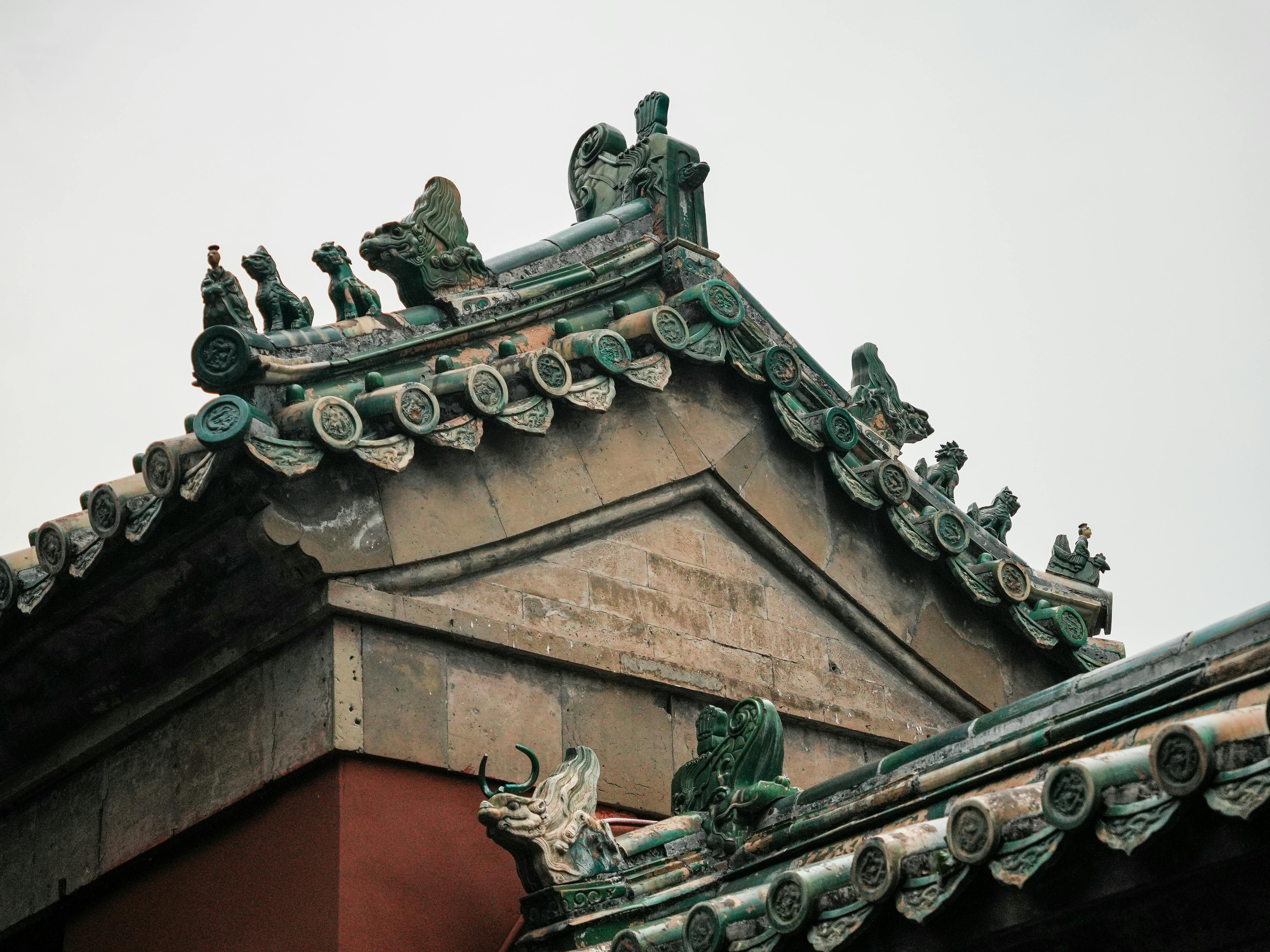
China rewards even a short trip with astonishing contrasts. In one week, you can move from the ceremonial axis of imperial Beijing to the futuristic towers and jazz-age riverfront of Shanghai, seeing how dynasties, revolutions, trade, and technology have all shaped modern Chinese life.
Beijing was the seat of emperors for centuries, and its grand geometry still defines the city today: Tiananmen Square, the Forbidden City, the Temple of Heaven, and the nearby Great Wall are not just landmarks, but chapters in the story of the Chinese state. Shanghai tells a different tale—one of treaty-port intrigue, merchant ambition, shikumen lanes, neon skyscrapers, and a dining scene that swings from soup dumplings to polished tasting menus.
Practically speaking, 7 days is ideal for focusing on two cities rather than racing across the map. China’s high-speed rail network makes the Beijing–Shanghai transfer efficient, major sights often require advance booking, and cashless payment is common, so keep your passport handy, reserve headline attractions early, and build in time for security checks at rail stations and major monuments.
Beijing
Beijing is a city of gates, walls, courtyards, and broad ceremonial avenues. It can feel monumental at first glance, but some of its best moments arrive in the hutongs, where old alleyways hide noodle shops, tiny bars, and courtyards scented with sesame and charcoal smoke.
This is the best first stop for a classic China itinerary because it anchors the trip in history. You will see imperial architecture, one of the world’s great defensive works, and a capital that still carries political and cultural weight in nearly every district.
Where to stay: For polished comfort near key sights, consider New World Beijing Hotel or The Peninsula Beijing. For good mid-range value, look at Novotel Beijing Peace. To browse more options, use VRBO Beijing or Hotels.com Beijing.
Getting there: Search international flights via Trip.com flights or Kiwi.com flights. Beijing Capital and Daxing both handle major international traffic; plan roughly 60–90 minutes from airport to central districts depending on traffic and train connections.
Recommended activities:
- Forbidden City Ticket Booking for timed entry to one of the world’s great palace complexes.
- All-Inclusive Tour: Tiananmen Square, Forbidden City, Great Wall if you prefer a highly efficient guided overview.
- Beijing: Mutianyu Great Wall Chairlift Up & Down or Toboggan Down for a scenic and very popular wall excursion.
- Forbidden City&T-Square Small GroupTours w/ ticket(Eng/Esp Guide) for travelers who want strong historical context without the logistics stress.


Day 1 – Arrive in Beijing
Morning: In transit.
Afternoon: Arrive in Beijing, check in, and keep the first hours gentle. If you are staying near Wangfujing or Dongcheng, take an easy orientation walk through the surrounding lanes to shake off the flight and get familiar with the city’s rhythm.
Evening: Have dinner at Siji Minfu Roast Duck, one of the most dependable places for Peking duck done with crisp lacquered skin and delicate pancakes; book ahead if possible because queues can be serious. If you want something more intimate, head into a hutong for Beijing zhajiangmian and cold dishes at a neighborhood spot near Gulou, then finish with a short stroll around Houhai, where the lake reflects old pavilions and low-lit bars.
Day 2 – Tiananmen Square, Forbidden City, and Jingshan Park
Morning: Start early at Tiananmen Square, then continue into the Forbidden City using prebooked entry through Forbidden City Ticket Booking or the more interpretive Forbidden City&T-Square Small Group Tour. The palace is enormous, and the pleasure is in the details: marble ramps carved for imperial processions, painted eaves, bronze vessels, and side courtyards that suggest the machinery of court life.
Afternoon: Walk north to Jingshan Park for the classic panoramic view over the Forbidden City’s golden roofs. For lunch, try Da Dong Roast Duck if you want a more refined duck service, or a simple noodle lunch nearby to keep the pace light before spending the late afternoon in Beihai Park or the hutongs around Shichahai.
Evening: Explore Nanluoguxiang and the surrounding alleys, but do not stop only on the main lane—some of the better snacks are tucked just off it. For dinner, choose Mr. Shi’s Dumplings for an easygoing hutong staple, or seek out copper-pot lamb hotpot, a classic Beijing meal especially good in cooler weather; it is social, warming, and distinctly northern in style.
Day 3 – Great Wall at Mutianyu
Dedicate the day to the Great Wall. The smartest option for a one-week China itinerary is Beijing: Mutianyu Great Wall Chairlift Up & Down or Toboggan Down or, if you want more flexibility and fewer group constraints, Beijing: Mutianyu Great Wall Private Tour. Mutianyu is a particularly good section because the scenery is beautiful, the restoration is substantial without feeling theatrical, and the experience is generally less congested than Badaling.
After returning to the city, reward yourself with a relaxed dinner. Jing Yaa Tang is a fine choice for duck and polished northern cuisine, while a more casual route is to seek out skewers, cucumber salads, and cumin-scented stir-fries in a local grill house near your hotel.

Day 4 – Temple of Heaven, Summer Palace, then train to Shanghai
Morning: Visit the Temple of Heaven, best seen early when local residents gather for tai chi, stretching, cards, and music. This is one of Beijing’s most graceful sites, with a cosmological layout that reveals how seriously emperors took ritual, agriculture, and harmony between heaven and earth.
Afternoon: If you want one more major imperial site, continue to the Summer Palace for lakeside causeways, painted corridors, and long views from Longevity Hill. Then transfer to the railway station for a high-speed train to Shanghai booked through Trip.com trains; most journeys take about 4.5–5.5 hours, and second-class fares often start around $80–$110, with business class higher.
Evening: Arrive in Shanghai, check in, and keep the night simple with a Bund walk. Seeing the Huangpu River after dark—the colonial-era facades on one side, Pudong’s illuminated towers on the other—is one of the finest first impressions in Asia.
Shanghai
Shanghai is all velocity and layering. It is the city of river commerce, jazz clubs, Art Deco silhouettes, elevated roads, designer boutiques, temple incense, and steaming baskets of xiaolongbao that somehow still count as breakfast.
For a 7-day China trip, Shanghai is the ideal counterpoint to Beijing. Where Beijing impresses with statecraft and scale, Shanghai seduces with texture: leafy former concession streets, lane-house neighborhoods, museum-grade architecture, and a dining scene that rewards curiosity at every price point.
Where to stay: For a classic splurge near the river, book The Peninsula Shanghai. Strong mid-range options include Campanile Shanghai Bund Hotel and Radisson Blu Hotel Shanghai New World. Budget-minded travelers can look at Shanghai Fish Inn Bund or browse VRBO Shanghai and Hotels.com Shanghai.
Recommended activities:
- Private Shanghai Full Day City Tour with Old and New Highlights for a strong overview on a short stay.
- Shanghai: Southern Great Wall Day Trip by Bullet Train if you want an unusual day beyond the city.

Day 5 – The Bund, Old Town, Yu Garden, and French Concession
Morning: Start with coffee and pastry at Baker & Spice or a proper local breakfast of jianbing and soy milk from a neighborhood vendor. Then walk the Bund before the crowds build; the riverfront architecture here is a quick lesson in Shanghai’s financial rise, with grand facades from banks and trading houses that once connected China to the world.
Afternoon: Head to Old Town and Yu Garden, where pavilions, rockeries, koi ponds, and zigzag bridges preserve the aesthetics of classical Chinese garden design even amid a busy district. For lunch, aim for Nanxiang-style soup dumplings or Shanghai classics such as hong shao rou, drunken chicken, and scallion oil noodles; after lunch, move into the French Concession for plane-tree-lined streets, boutiques, and shikumen lanes around Wukang Road and Anfu Road.
Evening: Have dinner at Din Tai Fung for reliable xiaolongbao if you want a familiar benchmark, or choose a Shanghainese restaurant such as Jesse for richer local dishes with soy, sugar, rice wine, and crab-focused seasonal specialties. End with a rooftop drink facing Pudong, where the Oriental Pearl Tower and Shanghai Tower turn the skyline into a theater set.
Day 6 – Shanghai museums, modern Pudong, and river views
Morning: Visit the Shanghai Museum East or, if your interests run toward urban history and design, spend time in one of the city’s art spaces and galleries before the lunch rush. Coffee lovers should make time for a specialty café in Jing’an or Xuhui; Shanghai takes its café culture seriously, and the standard is high.
Afternoon: Cross to Pudong and go up Shanghai Tower or another observation deck for a bird’s-eye view of the Huangpu’s curves and the city’s scale. If you prefer a guided day, this is the right moment to use the Private Shanghai Full Day City Tour with Old and New Highlights, which efficiently combines colonial-era, traditional, and futuristic Shanghai.
Evening: Dine in Jing’an or on the Bund. For something memorable, seek out a restaurant specializing in benbang cuisine, Shanghai’s home-style local cooking, where sweetness is balanced with soy depth and careful braising; it is the right culinary counterpart to the city itself—refined, commercial, and deeply rooted at once.
Day 7 – Tianzifang or Xintiandi, final meal, departure
Morning: Spend your final morning in Tianzifang for lane-house atmosphere and small craft shops, or choose Xintiandi if you prefer a more polished restoration of shikumen architecture with cafés and boutiques. If you want a proper farewell breakfast, order soup dumplings, sticky rice rolls, or fresh scallion pancakes rather than defaulting to hotel fare.
Afternoon: Enjoy an early lunch—perhaps scallion oil noodles, lion’s head meatballs, or steamed river fish—then transfer to the airport for departure. Plan generous time for the journey, as Shanghai’s airports can involve long commutes depending on where you stay.
Evening: In transit.
This 7-day China itinerary gives you a smart, balanced first taste of the country: imperial Beijing for history and world-famous monuments, then Shanghai for food, architecture, and modern urban energy. It is a trip built not around rushing, but around contrast—stone walls and glass towers, court ritual and café culture, duck pancakes and soup dumplings—and that contrast is exactly what makes China so compelling.