
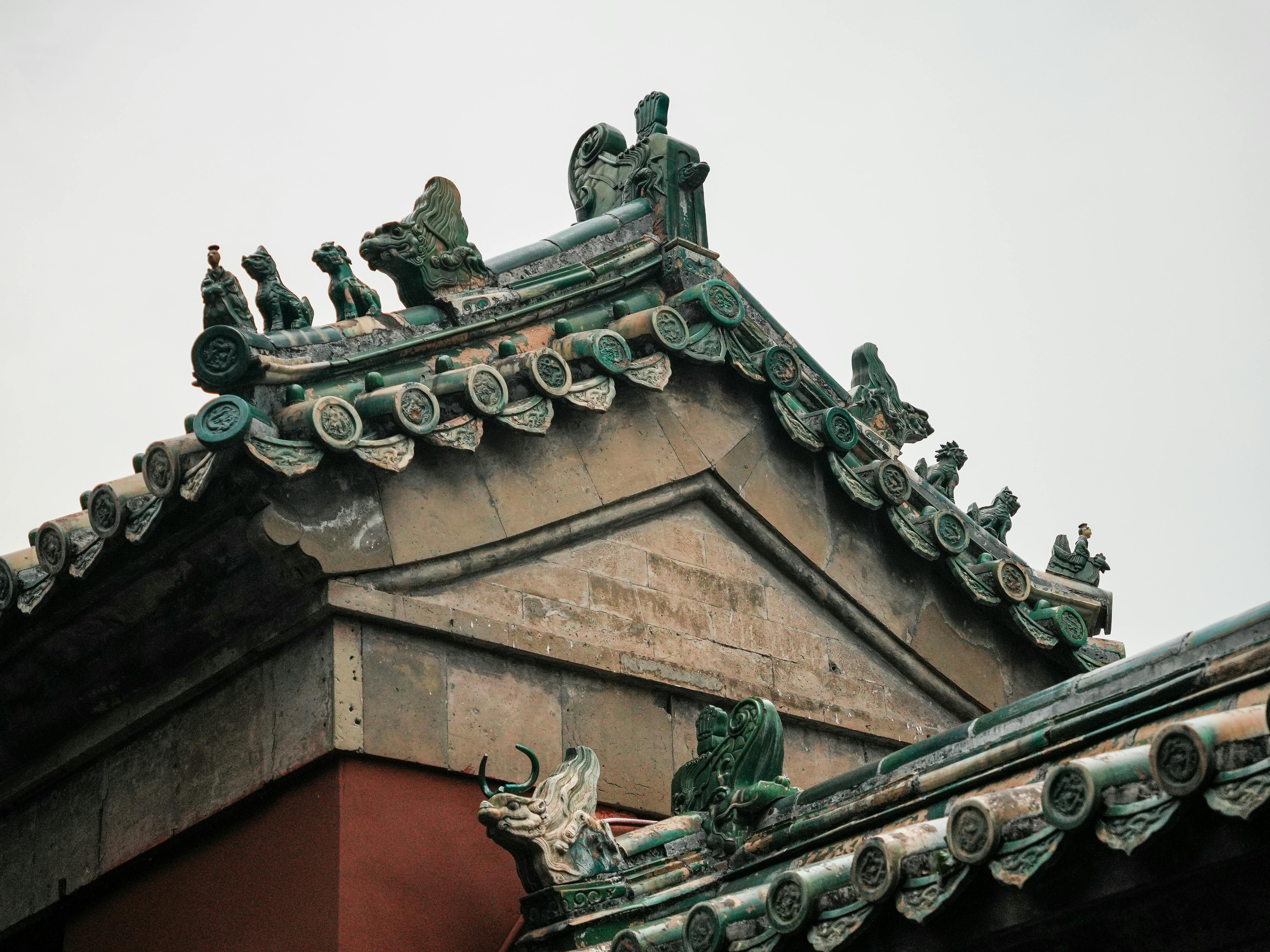
China rewards the curious traveler with scale, depth, and contradiction: bronze-age dynasties and bullet trains, incense-filled temples and futuristic skylines, duck roasted in century-old ovens and noodles pulled to order on side streets. For a 7-day trip, the smartest route is to split time between Beijing and Shanghai, the country’s political and historical heart on one hand, and its most cinematic modern metropolis on the other.
Beijing, capital of several dynasties and today’s seat of government, holds some of the most important sites in East Asia: the Forbidden City, Tiananmen Square, the Temple of Heaven, and easy access to the Great Wall. Shanghai tells a different story, one shaped by treaty-port history, Art Deco glamour, lane-house neighborhoods, and a skyline that seems to rewrite itself every decade.
Practical notes matter in China. Bring your passport daily, reserve major attractions in advance, and expect security screening at many transit hubs and top sights. Mobile payments are widespread, but international cards are increasingly accepted at major hotels, malls, and restaurants; still, keeping some cash and setting up a travel-friendly payment option is wise. March weather is cool in Beijing and milder in Shanghai, making this a very good time for sightseeing on foot.
Beijing
Beijing is not merely a capital; it is a vast historical archive written in stone gates, ceremonial axes, temple roofs, and alleyway courtyards. One moment you are standing where emperors ruled the Middle Kingdom; the next you are sipping a flat white in a former hutong residence while locals play xiangqi nearby.
The city’s great pleasures lie in contrast. Its imperial monuments are monumental in every sense, but some of its finest hours happen in the old lanes around Gulou, Shichahai, and Dongsi, where noodle shops, cafés, and tiny bars still preserve a more intimate rhythm.
Where to stay in Beijing: Browse VRBO stays in Beijing or Hotels.com Beijing hotels.
- New World Beijing Hotel — a reliable upscale base near Qianmen with strong service, spacious rooms, and easy access to historic central Beijing.
- The Peninsula Beijing — polished and classic, ideal if you want refined comfort near Wangfujing and easy taxi/subway connections.
- Novotel Beijing Peace — a practical mid-range choice with a very central location for first-time visitors.
Getting into Beijing: Search flights on Trip.com flights or Kiwi.com flights. From either Beijing Capital or Daxing Airport to central Beijing, expect roughly 45–75 minutes depending on traffic and train connections, with airport express/public transit often around $4–$8 and taxis/rides usually around $20–$40.
Recommended Beijing activities:
- Forbidden City Ticket Booking — best for independent travelers who want secured entry to China’s most important imperial complex.
- All-Inclusive Tour: Tiananmen Square, Forbidden City, Great Wall — a strong time-saving option if you prefer logistics handled for you.
- Beijing: Mutianyu Great Wall Chairlift Up & Down or Toboggan Down — ideal for a fun, scenic wall visit without overcomplicating transport.
- Forbidden City&T-Square Small GroupTours w/ ticket(Eng/Esp Guide) — worthwhile if you want historical context rather than a simple walk-through.


Day 1 - Arrive in Beijing
Morning: In transit to China. If you land earlier than expected, keep the first day intentionally light; Beijing rewards energy, and jet lag is real.
Afternoon: Arrive in Beijing, check into your hotel, and take time to settle in. If you are staying near Wangfujing or Qianmen, begin with a gentle orientation walk around the neighborhood to absorb the city’s scale, architecture, and rhythm without putting pressure on the day.
Evening: For dinner, make your first meal count with Peking duck. Choose Siji Minfu for a popular, reliably excellent version with crackling skin and tender meat, or Da Dong for a more contemporary interpretation famous for its leaner roast and polished setting. If you want something simpler after a long flight, head to Mr. Shi’s Dumplings for a broad menu and easygoing atmosphere, then finish with a low-key stroll around Wangfujing, where Beijing’s old commercial center still glows after dark.
Day 2 - Forbidden City, Tiananmen, Jingshan Park, and Hutongs
Morning: Start early at Tiananmen Square and the Forbidden City, ideally with this guided small-group tour or prebooked Forbidden City tickets. The palace complex, home to Ming and Qing emperors for nearly five centuries, is immense; a guide helps transform red walls and throne halls into a vivid story of ritual, power, and court life.
Afternoon: Walk north to Jingshan Park for the classic panoramic view over the Forbidden City’s golden roofs. For lunch, try Fuyuan Café if you want a relaxed break, or seek out a local noodle shop nearby for zhajiangmian, Beijing’s savory wheat noodles topped with soybean paste. Afterward, head into the hutongs around Shichahai and Gulou, where narrow lanes reveal courtyard homes, bicycle traffic, snack counters, and a more human-scale Beijing.
Evening: Have dinner at Huguosi Xiaochi for a sampler of old Beijing snacks such as pea flour cake, fried rings, and douzhi for the adventurous, or choose Jing Yaa Tang for a refined duck and northern Chinese menu. If you still have energy, end with a drink at a hutong bar near Gulou; this area has a warm, lived-in nightlife that feels worlds away from the ceremonial grandeur of the morning.
Day 3 - Great Wall at Mutianyu and Temple of Heaven
Dedicate today to the Great Wall, preferably the scenic Mutianyu section, which is less congested than Badaling and particularly attractive for first-time visitors. A smooth option is Beijing: Mutianyu Great Wall Chairlift Up & Down or Toboggan Down; if you want a more exclusive experience, consider the private Mutianyu tour. The wall here runs in graceful stone ridges over the mountains, and in March the crisp air often gives you excellent visibility.
On the way back, if time and energy allow, stop at the Temple of Heaven, where emperors once prayed for good harvests beneath one of the most elegant timber structures in China. The surrounding park is often full of local life—calligraphy practiced with water, informal singing groups, and card games—which gives the monument a living context rather than a museum hush.
For dinner, reward yourself with copper-pot hotpot at Nanmen Shuanrou, a Beijing classic centered on thin-sliced mutton, sesame sauce, and old-school atmosphere. If you want something lighter, try Yunnan-style dishes at Lost Heaven Beijing, where mushrooms, herbs, and grilled meats offer a welcome change after a monument-heavy day.
Day 4 - Summer Palace, 798 Art District, then train to Shanghai
Morning: Visit the Summer Palace, the former imperial retreat northwest of the center. Its lakes, painted corridors, pavilions, and Longevity Hill reveal a softer side of court life; it is less about throne-room symbolism and more about landscape design, seasonal leisure, and orchestrated beauty.
Afternoon: Have lunch before departure—Dali Courtyard is an excellent choice if you can secure a reservation, serving refined Yunnan cuisine in an intimate courtyard house. Then transfer to Beijing South Railway Station for a high-speed train to Shanghai. Search schedules on Trip.com trains; the journey typically takes about 4.5 to 6 hours depending on service class, with many second-class fares often around $80–$110 and first/business class higher. Flying is possible via Trip.com flights or Kiwi.com flights, but train travel is usually more efficient city-center to city-center.
Evening: Arrive in Shanghai and check in. Keep tonight atmospheric rather than ambitious: walk the Bund to see the Huangpu River divide colonial-era facades from Pudong’s futuristic towers. For dinner, Din Tai Fung is an easy first-night favorite for xiaolongbao and precise service, while Fu 1088 is a stronger choice if you want a memorable Shanghainese meal in a villa setting, with dishes like hong shao rou and drunken chicken.
Shanghai
Shanghai feels like a city in conversation with itself: treaty-port nostalgia, socialist reinvention, entrepreneurial velocity, and street-level neighborhood life all layered together. It is China’s most photogenic metropolis, but it is also one of its most enjoyable to explore slowly, especially in the former French Concession and older lane-house districts.
The pleasures here are wonderfully varied. You can admire the Bund at sunrise, browse contemporary galleries, eat soup dumplings for lunch, sip coffee in a restored shikumen townhouse, and end the night under the lights of Pudong as river boats slide by.
Where to stay in Shanghai: Browse VRBO stays in Shanghai or Hotels.com Shanghai hotels.
- The Peninsula Shanghai — one of the best addresses in the city, with superb Bund access and old-Shanghai grandeur.
- Campanile Shanghai Bund Hotel — a good-value central option for travelers who want to stay close to major sights.
- Radisson Blu Hotel Shanghai New World — convenient for Nanjing Road, People’s Square, and metro links.
Recommended Shanghai activity:
- Private Shanghai Full Day City Tour with Old and New Highlights — excellent if you want one well-structured day combining the Bund, old quarters, and modern Pudong.
- Shanghai: Southern Great Wall Day Trip by Bullet Train — an intriguing alternative for repeat China travelers, though for this 7-day first trip I would keep time in the city itself.

Day 5 - The Bund, Yu Garden, Old Town, and Pudong
Morning: Begin with coffee and breakfast at Baker & Spice or Seesaw Coffee, both dependable choices for a polished start. Then explore the Bund in morning light, when the riverfront is less crowded and the historic facades are easiest to appreciate. Continue to Yu Garden and the surrounding old city area, where Ming-style pavilions, ponds, rockeries, and busy bazaars give a concentrated taste of classical Chinese garden aesthetics and commercial Shanghai.
Afternoon: For lunch, go to Nanxiang Mantou Dian for Shanghai’s famed soup dumplings; it is touristy, yes, but historically tied to the xiaolongbao tradition and worth doing once. After lunch, either explore independently or use the Private Shanghai Full Day City Tour with Old and New Highlights to connect old and new Shanghai efficiently. Cross to Pudong for skyline views from the Lujiazui district.
Evening: Dine at Jesse Restaurant for beloved Shanghainese home-style cooking—think braised pork, river shrimp, and richly flavored soy-based dishes served in a compact, atmospheric room. After dinner, return to the Bund for the classic night panorama, when Pudong’s towers turn the river into a theater of light.
Day 6 - Former French Concession, museums or art, and Shanghai dining
Morning: Spend the morning in the Former French Concession, Shanghai’s most walkable quarter. Start with breakfast at RAC Bar for crêpes and coffee or at Alimentari for a casual European-style morning. Then wander along Wukang Road and Anfu Road, where plane trees shade elegant apartments, boutiques, bakeries, and restored villas that recall the district’s 20th-century cosmopolitan life.
Afternoon: Choose one focus for the afternoon. If you want history, visit the Shanghai Museum area around People’s Square; if you prefer contemporary culture, head to M50 or the Power Station of Art. For lunch, Yongfoo Elite offers elevated Chinese dining in a historic mansion if you want occasion-worthy surroundings, while Jia Jia Tang Bao remains a favorite for another excellent dumpling stop. If shopping interests you, Tianzifang is lively though more commercial, whereas the streets around Fuxing Road feel more local and rewarding.
Evening: Tonight is ideal for a memorable dinner. Fu He Hui is a standout if you are curious about high-end vegetarian Chinese cuisine that treats mushrooms, tofu, and seasonal produce with near-ceremonial care. If you prefer a livelier riverfront setting, choose a Bund restaurant or rooftop bar for one final night framed by Shanghai’s legendary skyline.
Day 7 - Easy Shanghai morning and departure
Morning: Keep the final morning relaxed. Have coffee at Seesaw Coffee or a hotel breakfast, then take a last stroll through Xintiandi or along a nearby lane-house district. Xintiandi, though polished, gives a good sense of how Shanghai’s traditional shikumen architecture has been adapted for contemporary city life.
Afternoon: Transfer to the airport for departure. Search options on Trip.com flights or Kiwi.com flights. From central Shanghai, allow roughly 45–75 minutes to either Pudong or Hongqiao Airport, longer in peak traffic.
Evening: In transit home, with China likely already rearranging your sense of historical scale, urban ambition, and how many forms a single cuisine can take.
This 7-day China itinerary gives you the most rewarding first-time pairing in the country: Beijing for dynastic history and the Great Wall, Shanghai for urban energy, food, and riverfront drama. It is a trip built on contrast, and that contrast is precisely what makes China so compelling.