
7 Days in Chiba, Japan: A Coastal Culture and Tokyo Bay Itinerary
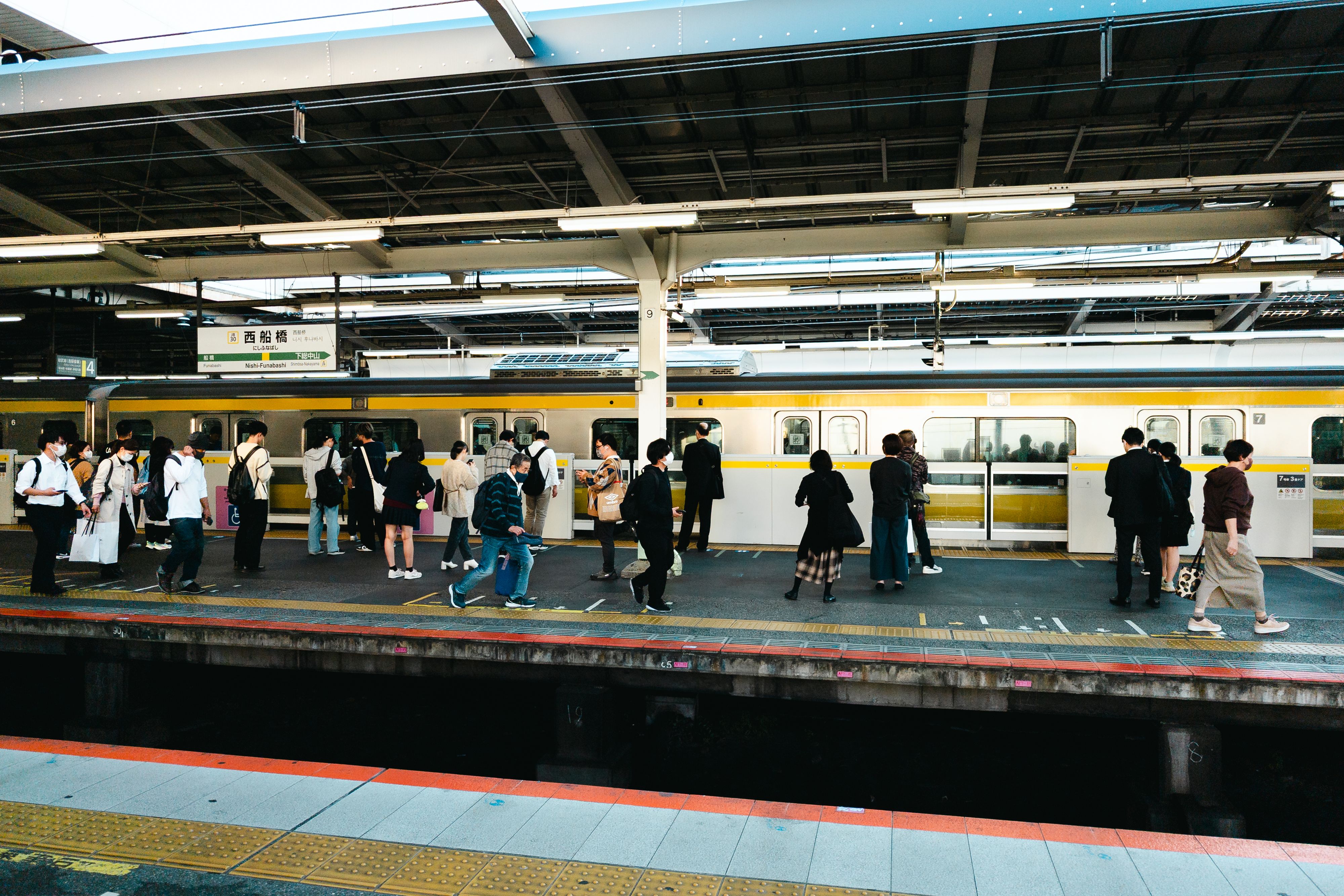
Chiba Prefecture often lives in the shadow of Tokyo, yet that is precisely its advantage. Historically, this region guarded important approaches to Edo, welcomed pilgrims and merchants through Narita, and developed prosperous fishing towns along the Pacific and Tokyo Bay. Today, a 7-day Chiba itinerary rewards travelers with a more local, spacious, and textured side of Japan.
There is remarkable variety here. In one week, you can move from modern Chiba City and the waterfront of Makuhari to temple-rich Narita, then out to the preserved canal district of Sawara, with optional excursions to Kamakura, Hakone, or Tokyo. Chiba is also home to excellent seafood, peanuts, soy-sauce country nearby in the greater region, and some of the easiest access to Narita Airport in Japan.
Practically speaking, Chiba is simple to navigate by rail, especially for travelers comfortable with short train rides and station-based exploration. Carry some cash for smaller eateries, consider a Suica or PASMO transit card, and note that mornings begin early in Japan; restaurants and shrine precincts are often at their most atmospheric before the crowds arrive. This guide balances classic sights, local meals, and bookable experiences current for March 2025.
Chiba City
Chiba City makes an excellent base for the first half of this trip. It is close to both Narita Airport and Tokyo, but unlike either, it gives you breathing room: broad boulevards, neighborhood cafés, seaside parks, and a genuine local rhythm.
The city’s highlights are pleasantly eclectic. Chiba Shrine brings a millennium of history into the center of town, Chiba Castle area offers a compact cultural stop, and Makuhari’s waterfront delivers shopping, event spaces, and wide-open bay views that feel almost futuristic at dusk.
Food is another reason to linger. Chiba is a strong place for fresh sushi, teishoku set meals, ramen, and izakaya dining that skews more local than theatrical. For stays, browse VRBO stays in Chiba City or Hotels.com options in Chiba City.
For arrival travel planning, compare flights and airport connections on Trip.com flights or Kiwi.com flights. If you prefer a pre-arranged airport ride after landing at Narita, this Narita Airport transfer service is worth considering, especially for families or travelers with heavy luggage.
- Bookable experiences in and from Chiba City:
- Chiba Walking Tour: Shrine, Art Museum & Japanese Homestyle Lunch — a smart introduction to the city’s quieter cultural side.
- Chiba: Kimono & Tea Ceremony at a Historic Castle Garden — ideal if you want photographs and a refined cultural experience without Tokyo’s crowds.
- Evening Shrine and Izakaya Japanese Sake Experience Tour — a particularly strong option for your first or second night.
- 1 Hour Private Photoshoot in Chiba — useful if you want polished trip photos in a city that is rarely overrun.


Day 1 – Arrival in Chiba City
Morning: This is your arrival day, so keep the morning unscheduled for your international or domestic journey. If you are still comparing routes into the Tokyo–Narita area, check Trip.com flights and Kiwi.com for air options.
Afternoon: Arrive in Chiba City and check into your accommodation. If you land at Narita, rail transfer into central Chiba generally takes about 40–60 minutes depending on the route; private transfer or taxi is longer but easier with bags. After settling in, take a gentle orientation walk around Chiba Station and the nearby shopping streets to adjust to the pace of the city.
Evening: Start with an early dinner at a reliable local sushi or seafood counter near the station area, where the fish arrives with the advantage of Chiba’s coastal geography. If you want a structured first-night introduction, book the Evening Shrine and Izakaya Japanese Sake Experience Tour; it combines the calm of Chiba Shrine after dark with the conviviality of an izakaya, Japan’s answer to a tavern, where small plates and sake encourage slow, social dining.
Day 2 – Chiba Shrine, Castle Area, and Local Culture
Morning: Begin with coffee and a light breakfast at a station-side café, then head to Chiba Shrine. This thousand-year-old shrine is associated with the Myoken faith and celestial protection, making it feel distinct from many other urban shrines. The grounds are compact, elegant, and especially good in the early hours when locals stop by before work.
Afternoon: Join the Chiba Walking Tour: Shrine, Art Museum & Japanese Homestyle Lunch. It is one of the best ways to understand why Chiba deserves more than a transit stop: you get context, neighborhood stories, and a homestyle meal that reveals everyday Japanese cooking rather than tourist-menu greatest hits. If you prefer to explore independently, pair the Chiba City Museum of Art area with Inohana Park and the reconstructed Chiba Castle museum site.
Evening: Dine on a teishoku set meal or casual izakaya dinner near Sakaecho or the station district. Look for grilled fish, karaage, simmered vegetables, and sashimi combinations; this style is ideal after a sightseeing day because it offers variety without excess. Finish with a quiet stroll back to your hotel rather than pushing for nightlife on your first full day.
Day 3 – Makuhari Bay Area and a Refined Cultural Experience
Morning: Take the train to Kaihin-Makuhari and explore the waterfront district. The area is known for Makuhari Messe, broad pedestrian spaces, and the seaside atmosphere of Mihama; it feels noticeably more open than central Tokyo. Have breakfast or a second coffee in a mall café, then walk toward the bay for sea air and skyline views.
Afternoon: Return toward central Chiba for the Chiba: Kimono & Tea Ceremony at a Historic Castle Garden. This is an especially good choice for travelers who want a quieter cultural experience than Kyoto or Asakusa usually allows. The ritual of tea, the formality of dress, and the garden setting create one of the trip’s most memorable contrasts with the modern cityscape.
Evening: For dinner, seek out yakiniku or a neighborhood ramen shop in Chiba City. Chiba’s casual dining excels when you follow office workers rather than influencer lists: smoky grilled meats, carefully seasoned broths, and efficient service are part of the pleasure. If you want keepsake images, consider the 1 Hour Private Photoshoot in Chiba around sunset.
Day 4 – Day Trip Options from Chiba: Kamakura or Tokyo Food Culture
Morning: This is your flexible excursion day. If you want temples, coastal breezes, and samurai-era atmosphere, book the Day Trip Kamakura from Tokyo with National Licensed Guide; from Chiba, expect an early rail journey into the wider Tokyo area before the guided portion begins. Kamakura is often called the Kyoto of eastern Japan, and for good reason: Zen temples, the Great Buddha, and wooded hills lend it gravity and grace.

Afternoon: If you prefer hands-on culture to temple-hopping, choose the Japanese Cooking Class and Cultural Experience Around Tokyo. Learning dashi and home-style dishes gives you a practical key to Japanese cuisine, and it often changes how travelers taste every meal afterward.
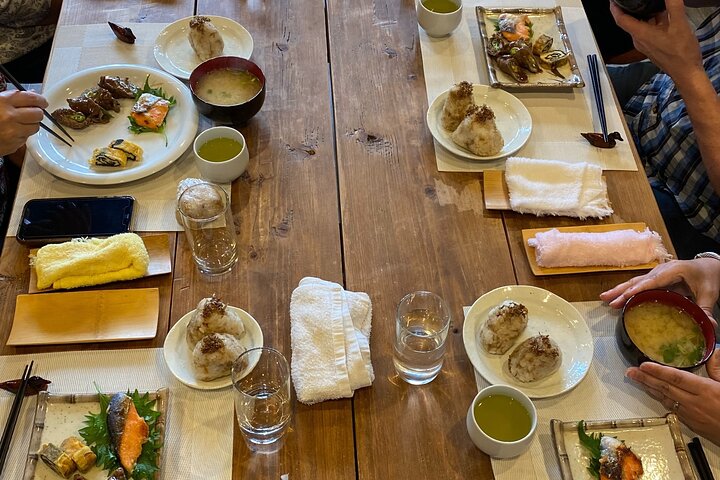
Evening: Return to Chiba City for a relaxed final night before changing bases. Choose a seafood izakaya or an unagi dinner if you can find a respected specialist; eel is particularly fitting in the greater Chiba–Narita orbit and connects nicely with the culinary traditions you will encounter tomorrow.
Narita
Narita is far more than an airport hotel district. The city grew around Naritasan Shinshoji, one of Japan’s most important Buddhist temple complexes, and its approach road remains lined with old shops, sweets sellers, and famous eel restaurants that have served pilgrims for generations.
Staying here shifts the trip’s atmosphere immediately. Chiba City is modern and local; Narita is historic, slower, and deeply tied to ritual life. It is an excellent final base for travelers who want easy airport access without sacrificing substance.
For accommodation, browse VRBO stays in Narita or Hotels.com options in Narita. Travel from Chiba City to Narita by train generally takes about 45–70 minutes depending on your route and transfer pattern; compare schedules via Trip.com trains. Typical rail costs are modest, often around $8–$15 equivalent.
From Narita, you also have access to excellent excursions. The standout for this itinerary is Sawara, a canal town with preserved Edo-period architecture that many first-time Japan visitors completely miss.
- Bookable experiences from this base:
- Sawara Chiba Private Tour — the best heritage-focused outing in Chiba Prefecture.
- Private Tokyo Day to Night Tour: Asakusa & Shinjuku Golden Gai — a big-city contrast if you want one last burst of Tokyo energy.


Day 5 – Transfer to Narita and Temple Town Wandering
Morning: Check out of Chiba City and travel to Narita. Morning departure is logical and easy; by train, the trip usually takes under 1 hour to a little over 1 hour depending on service, at roughly $8–$15 equivalent. Use Trip.com trains to compare options.
Afternoon: After check-in, walk Omotesando, Narita’s old approach road to Naritasan Shinshoji. This street is one of the best-preserved and most atmospheric in the airport region, full of traditional façades, confectioners, knife shops, and unagi restaurants. Then continue into the temple complex, where gates, halls, incense smoke, and ponds create a serene, almost cinematic sequence of spaces.
Evening: Eat unagi for dinner if you are willing to splurge a little. Narita is famous for it, and the reason is historical as much as culinary: eel sustained pilgrims and travelers on the long road to the temple. Afterward, enjoy a quiet evening rather than rushing elsewhere; Narita is best appreciated at an unhurried pace.
Day 6 – Sawara Canal District or Tokyo Contrast Day
Morning: The best use of today is the Sawara Chiba Private Tour. Sawara is one of Chiba’s real treasures: a preserved Edo-period merchant district threaded by a canal, with willow-lined views and storehouses that make the town feel suspended between centuries.
Afternoon: Continue in Sawara with time for museum stops, local sweets, and canal-side walking. The appeal here is not speed but atmosphere. This is the kind of place where details matter: wooden lattices, small craft shops, old trading houses, and the soft reflection of buildings in water.
Evening: Return to Narita for a final celebratory dinner. If you would rather trade heritage calm for urban intensity, substitute the day with the Private Tokyo Day to Night Tour: Asakusa & Shinjuku Golden Gai, which pairs old Tokyo temple culture with one of the city’s most storied nightlife enclaves. Golden Gai’s tiny bars are famous not because they are polished, but because they preserve a bohemian, postwar intimacy nearly erased elsewhere in the capital.
Day 7 – Narita Morning and Departure
Morning: Spend your final morning in Naritasan Park, which is especially lovely for a slow walk before a flight. The landscaped grounds, ponds, and seasonal foliage offer a reflective close to the trip. Stop for a last coffee and a simple Japanese breakfast near Narita Station or Omotesando.
Afternoon: Head to Narita Airport for departure. One of the quiet strengths of this itinerary is logistical: ending in Narita reduces stress on the final day while still giving you meaningful sightseeing almost to the last moment.
Evening: Departure.
This 7-day Chiba, Japan itinerary reveals a side of the Kanto region that many travelers rush past. By combining Chiba City’s local energy, Narita’s temple-town gravitas, and carefully chosen day trips, you get a week that feels both practical and surprisingly original.
It is a trip built on contrast: shrine incense and bay breezes, homestyle lunches and elegant tea, old canal towns and easy modern rail links. For travelers seeking Japan beyond the obvious, Chiba delivers with grace.