
7 Days in Cambodia: Siem Reap & Phnom Penh Temples, Street Food, and River Nights
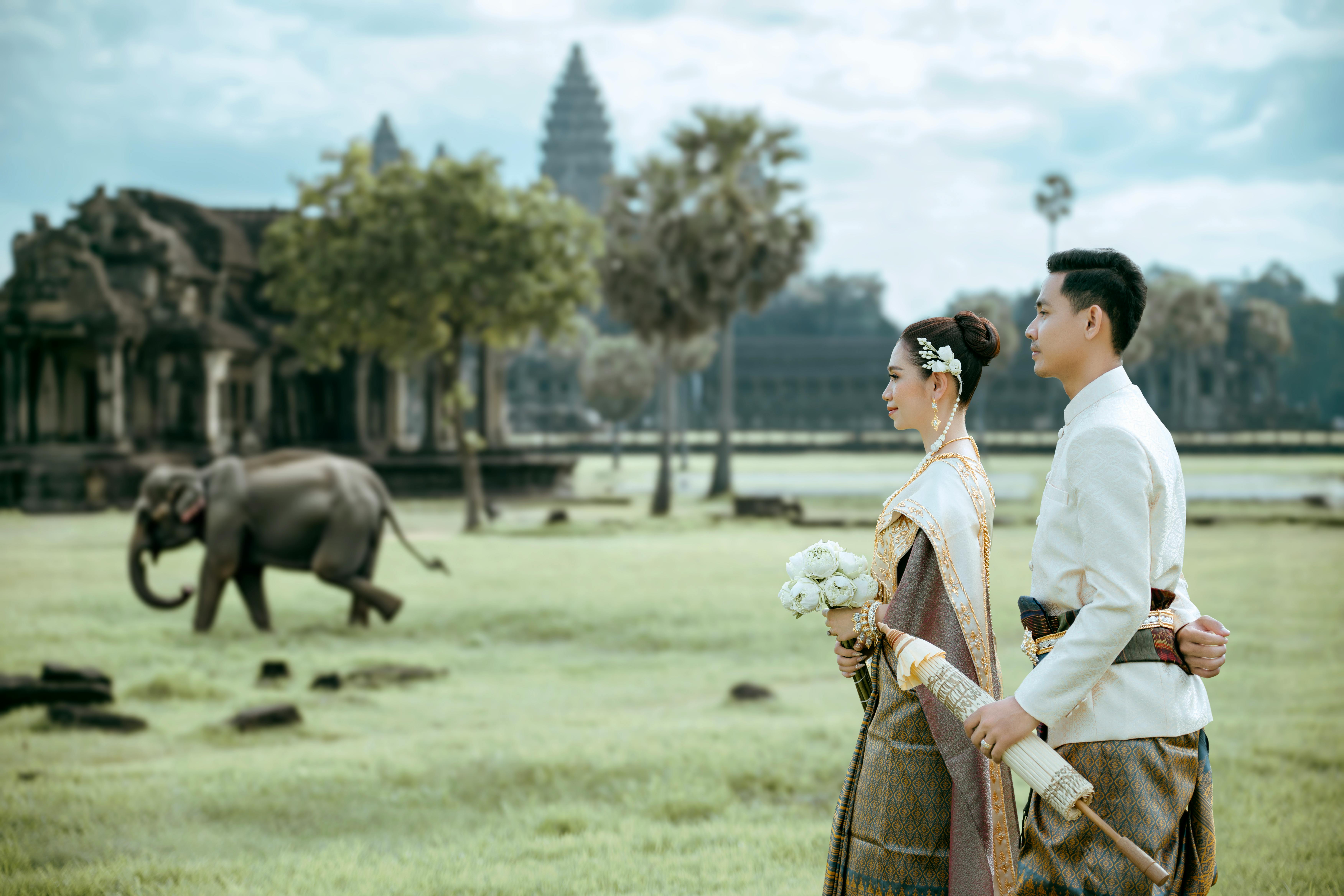
Cambodia rewards travelers with a rare mix of grandeur and intimacy. It is the heir to the Khmer Empire, whose most famous legacy, Angkor, still rises from the forest with astonishing force, while its modern cities reveal resilience, creativity, and a fiercely hospitable spirit.
Beyond Angkor Wat, Cambodia offers floating villages on Tonlé Sap, silk and craft traditions, smoky street-food stalls, riverfront promenades, and one of Southeast Asia’s most affecting historical journeys in Phnom Penh. Khmer cuisine is another highlight: fragrant fish amok, beef lok lak, green mango salads, grilled river fish, peppery stir-fries, and excellent Cambodian coffee make this a deeply rewarding country to eat through.
For practical planning, the dry season from roughly November to April is easiest for sightseeing, though Cambodia is warm year-round and midday heat can be intense. Dress modestly for temples, carry cash for smaller purchases, use ride-hailing apps or hotel-arranged tuk-tuks in cities, and approach historical sites such as S21 and Choeung Ek with time, respect, and emotional space.
Siem Reap
Siem Reap is the gateway to Angkor, but it is far more than a temple staging post. The city has grown into a polished yet approachable base of leafy lanes, stylish cafés, old wooden shopfronts, artisan workshops, and some of the best hospitality in Cambodia.
The great joy here is contrast. One hour you are standing before sandstone towers and bas-reliefs that once anchored an empire; the next, you are sipping locally roasted coffee, browsing contemporary Khmer design, or watching circus artists turn modern Cambodian stories into acrobatics and theater.
Where to stay: For a splurge, Amansara is among the most refined stays in Cambodia, known for exceptional service and easy temple access. For budget-conscious travelers who still want a social, central base, Onederz Hostel Siem Reap is reliably popular. You can also browse more options on VRBO Siem Reap or Hotels.com Siem Reap.
Getting there: Arrive via Siem Reap–Angkor International Airport and compare fares on Trip.com flights or Kiwi.com flights. Airport transfer into town usually takes about 1 hour depending on traffic and vehicle type.
Recommended Siem Reap activities:
- Angkor Wat Sunrise or Sunset Tour with Guide from Siem Reap — ideal for first-time visitors who want the classic Angkor experience with context and efficient routing.
- Angkor 2-Day Sunset & Sunrise Small-Group Tour — an excellent choice if you prefer a more complete temple immersion without rushing.
- Kompong Phluk Floating Village Half-Day Tour — a strong counterpoint to temple days, revealing life on Tonlé Sap’s flood rhythms.
- Phare: The Cambodian Circus Show in Siem Reap — one of the most rewarding nights in town, equal parts art, storytelling, and social enterprise.



Where to eat and drink: For breakfast and coffee, try Sister Srey Cafe, beloved for excellent espresso, smoothie bowls, and an easygoing social mission; Brown Coffee is another dependable stop for air-conditioned comfort and polished Cambodian café culture. For lunch, Khmer Kitchen Restaurant is a long-running favorite for accessible classics such as fish amok and lok lak, while Banlle Vegetarian Restaurant offers thoughtful Khmer cooking in a calmer setting.
For dinner, Cuisine Wat Damnak is one of the most respected tables in town, known for seasonal Khmer tasting menus that interpret local ingredients with intelligence rather than gimmickry. If you want something more relaxed, Chanrey Tree serves beautifully presented Cambodian dishes in a romantic riverside setting, and for evening drinks, Miss Wong offers a moody, old-Shanghai-inspired bar atmosphere that feels pleasantly cinematic without being overdone.
Day 1: Arrive in Siem Reap
Morning: This is your travel day, so no fixed plans are needed before arrival. If your schedule allows an early check-in, keep the morning light and restorative rather than ambitious.
Afternoon: Arrive in Siem Reap, transfer to your hotel, and settle in slowly. After check-in, begin with a gentle orientation walk around the Old Market area and the river, which gives you an easy sense of the city without draining energy before your temple days.
Evening: Have dinner at Chanrey Tree for refined Khmer flavors in a graceful setting; the fish amok and pomelo salad are especially good introductions to Cambodian cuisine. If you still have energy, end with a cocktail at Miss Wong, whose intimate interior and well-made drinks make it a polished first night stop.
Day 2: Angkor Wat, Angkor Thom, and Ta Prohm
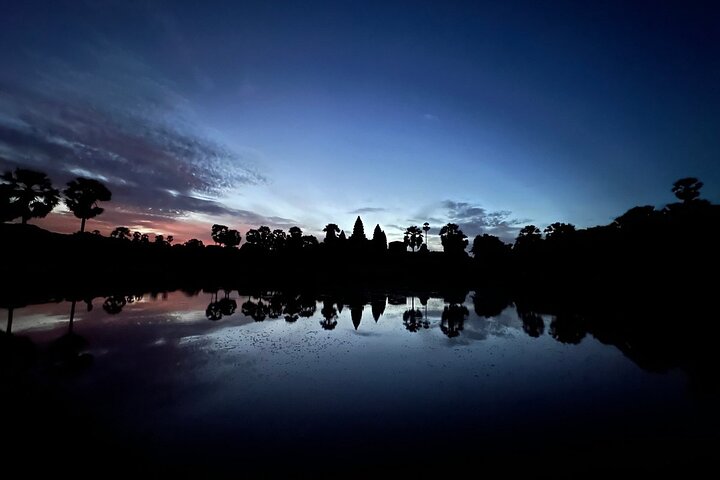
Morning: Start early with the Angkor Wat Sunrise or Sunset Tour with Guide from Siem Reap. Sunrise at Angkor Wat is famous for a reason: the lotus-bud towers emerging against the dawn sky are unforgettable, and an expert guide helps transform carved galleries and mythological scenes from beautiful stone into legible history.
Afternoon: Continue through Angkor Thom, where the Bayon’s enormous stone faces remain one of Southeast Asia’s great artistic riddles, then onward to Ta Prohm, the temple made iconic by giant tree roots clasping its walls. Pause for lunch near the archaeological park, then return to town for a rest after the midday heat.
Evening: Keep dinner unfussy at Khmer Kitchen Restaurant, a practical place to try staples such as beef lok lak and stir-fried morning glory after a long sightseeing day. If you would like a second outing, browse the night market for textiles, pepper, palm sugar sweets, and small handicrafts rather than generic souvenirs.
Day 3: Banteay Srei, local crafts, and circus
Morning: After coffee and breakfast at Sister Srey Cafe, head out by tuk-tuk or car to Banteay Srei, often called the jewel of Khmer art. Its pink sandstone carvings are astonishingly delicate, and because the scale is smaller than Angkor Wat, the artistry feels intimate and intensely human.
Afternoon: Return to Siem Reap for lunch at Banlle Vegetarian Restaurant, then spend the afternoon exploring artisanal corners of town. If craftsmanship interests you, the Siem Reap: Lotus Silk Farm - Tour, Lake & Artisan immersion is a particularly unusual experience, offering rare insight into lotus silk, one of the world’s most uncommon textiles.
Evening: Have an earlier dinner, then book Phare: The Cambodian Circus Show in Siem Reap. This is not a conventional circus but a high-energy blend of theater, music, acrobatics, and contemporary Cambodian storytelling, and it is one of the best ways to encounter the country’s creative present rather than only its past.
Day 4: Tonlé Sap and Siem Reap at leisure
Morning: Ease into the day with coffee at Brown Coffee, then join the Kompong Phluk Floating Village Half-Day Tour. The stilt houses, mangrove waterways, and shifting lake-edge life reveal a side of Cambodia that is easy to miss if you focus only on temples.
Afternoon: Return to town for lunch and a slower afternoon. This is an ideal time for a spa treatment, pool break, or a final wander through Siem Reap’s boutique lanes if you want temple-free breathing room before moving on.
Evening: Celebrate your last night in Siem Reap at Cuisine Wat Damnak, where seasonal tasting menus provide one of Cambodia’s most thoughtful dining experiences. The kitchen’s strength lies in balance and restraint, letting local herbs, freshwater fish, vegetables, and regional techniques speak clearly.
Phnom Penh
Phnom Penh is Cambodia’s capital in every sense: historical, political, culinary, and emotional. It can feel hectic on first impression, yet beneath the traffic is a city of golden temple roofs, French-colonial traces, river breezes, excellent markets, serious museums, and a dining scene that has become one of the most interesting in the region.
It is also where Cambodia’s modern history is most directly confronted. A visit here should make room for both beauty and difficulty: the Royal Palace and the Mekong at sunset, yes, but also the hard, necessary testimony preserved at S21 and Choeung Ek.
Where to stay: For old-world grandeur, Raffles Hotel Le Royal remains the city’s grande dame. For strong mid-range options, Okay Boutique Hotel is convenient for many central sights, while The Pavilion is a leafy adults-focused hideaway near the Royal Palace. You can also browse VRBO Phnom Penh or Hotels.com Phnom Penh.
Travel from Siem Reap to Phnom Penh: Depart in the morning. A nonstop flight is usually about 50 minutes airborne, with total airport-to-hotel transit closer to 3.5-4.5 hours once transfers and check-in are counted; compare options on Trip.com flights or Kiwi.com flights, often around $40-$100+ depending on season and baggage. Overland, the Siem Reap to Phnom Penh by Private Car or Minivan is the most comfortable road option and generally takes about 5.5-6.5 hours.

Recommended Phnom Penh activities:
- Phnom Penh Full Day Private Tour Included All Admission Tickets — a smart overview of the capital’s major landmarks if you want efficient logistics and historical commentary.
- The Killing Field and Toul Sleng Genocide Museum (S21) Tour — essential, sobering, and best approached with a guide for proper context.
- Ultimate Phnom Penh Food Tour by Tuk Tuk: 20 Tastings and Drinks — one of the best ways to understand the city through flavor, neighborhoods, and conversation.
- Phnom Penh Sunset Cruise with Unlimited Beer & BBQ Buffet — a breezy, easygoing river evening after a day in the capital.


Where to eat and drink: Start mornings at Brown Coffee or at Enso Cafe for polished coffee, pastries, and a dependable brunch atmosphere. For lunch, Friends the Restaurant remains a meaningful Phnom Penh classic, pairing strong Cambodian and pan-Asian dishes with social-impact training, while Malis Phnom Penh is a fine place to dive deeper into carefully executed Khmer cuisine in a garden setting.
For dinner, Romdeng is especially memorable for refined Cambodian cooking in a handsome villa, and it is a strong place to try lesser-seen traditional flavors. If you want something lively later on, the Bassac Lane area is the city’s compact cocktail heart, with several stylish bars gathered in one walkable pocket; it works best as a post-dinner wander rather than a fixed reservation-heavy evening.
Day 5: Travel to Phnom Penh and riverside introduction
Morning: Depart Siem Reap for Phnom Penh. The most time-efficient choice is a short flight booked through Trip.com flights or Kiwi.com flights; if you prefer scenery and door-to-door convenience, the private car or minivan transfer is comfortable and straightforward.
Afternoon: Check in and have a gentle first look at the capital with a walk along Sisowath Quay and the riverfront. If time permits, visit Wat Phnom, the small hilltop temple associated with the city’s founding legend and a useful orientation point for understanding Phnom Penh’s name and early history.
Evening: Ease into the city with the Phnom Penh Sunset Cruise with Unlimited Beer & BBQ Buffet. The river gives Phnom Penh its best soft-focus perspective, especially at dusk when the skyline, traffic, and temple spires begin to glow.
Day 6: Royal Palace, S21, and Khmer food by tuk-tuk
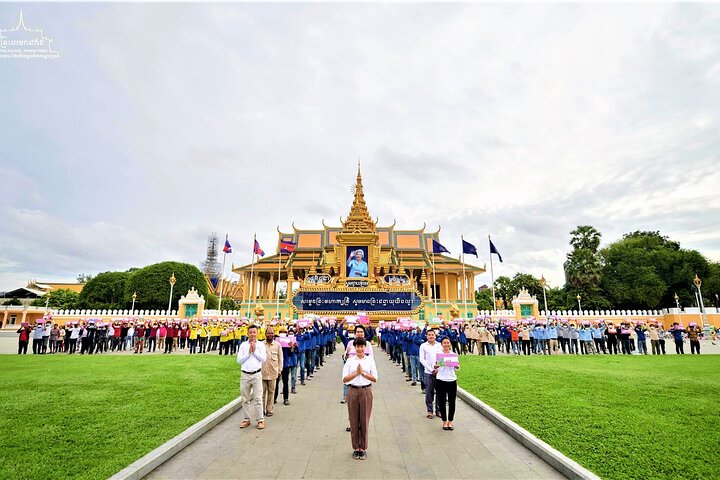
Morning: Begin with breakfast and coffee, then explore the city through the Phnom Penh Full Day Private Tour Included All Admission Tickets or visit key sites independently. The Royal Palace and Silver Pagoda are the obvious centerpieces, offering gilded roofs, manicured grounds, and a reminder that Phnom Penh remains a living royal capital rather than a museum city.
Afternoon: Dedicate the afternoon to The Killing Field and Toul Sleng Genocide Museum (S21) Tour. This is one of the most important visits in Cambodia, and it should not be rushed; go with a guide, listen carefully, and leave time afterward to decompress.
Evening: In the evening, shift from history to living culture with the Ultimate Phnom Penh Food Tour by Tuk Tuk: 20 Tastings and Drinks. It is a smart, convivial way to sample street food, local restaurants, and drinks across multiple neighborhoods without the guesswork of navigating the city’s food scene alone.
Day 7: Markets, a final Khmer lunch, and departure
Morning: Spend your final morning browsing either Central Market for Art Deco architecture and easy souvenir shopping or the Russian Market for a denser, more local maze of textiles, silver, spices, and household goods. Have coffee at Brown Coffee or Enso Cafe, then pick up any last edible gifts such as Kampot pepper, palm sugar products, or locally made tea.
Afternoon: Enjoy a farewell lunch at Malis Phnom Penh or Friends the Restaurant, depending on whether you want a polished Khmer finale or a more casual social-enterprise favorite. Afterward, transfer to the airport for your departure, allowing generous time for traffic.
Evening: Departure day. If you have a later flight, keep the final hours simple and unhurried rather than trying to fit in one more major sight.
In seven days, this Cambodia itinerary gives you the country’s essential pairing: the cosmic scale of Angkor in Siem Reap and the human depth of Phnom Penh. It is a journey of temples, history, river life, Khmer cuisine, and contemporary culture, balanced carefully enough to leave you informed, moved, and already planning a return.