
7 Days in Cairo, Egypt: Pyramids, Grand Egyptian Museum, Islamic Cairo & Nile Evenings
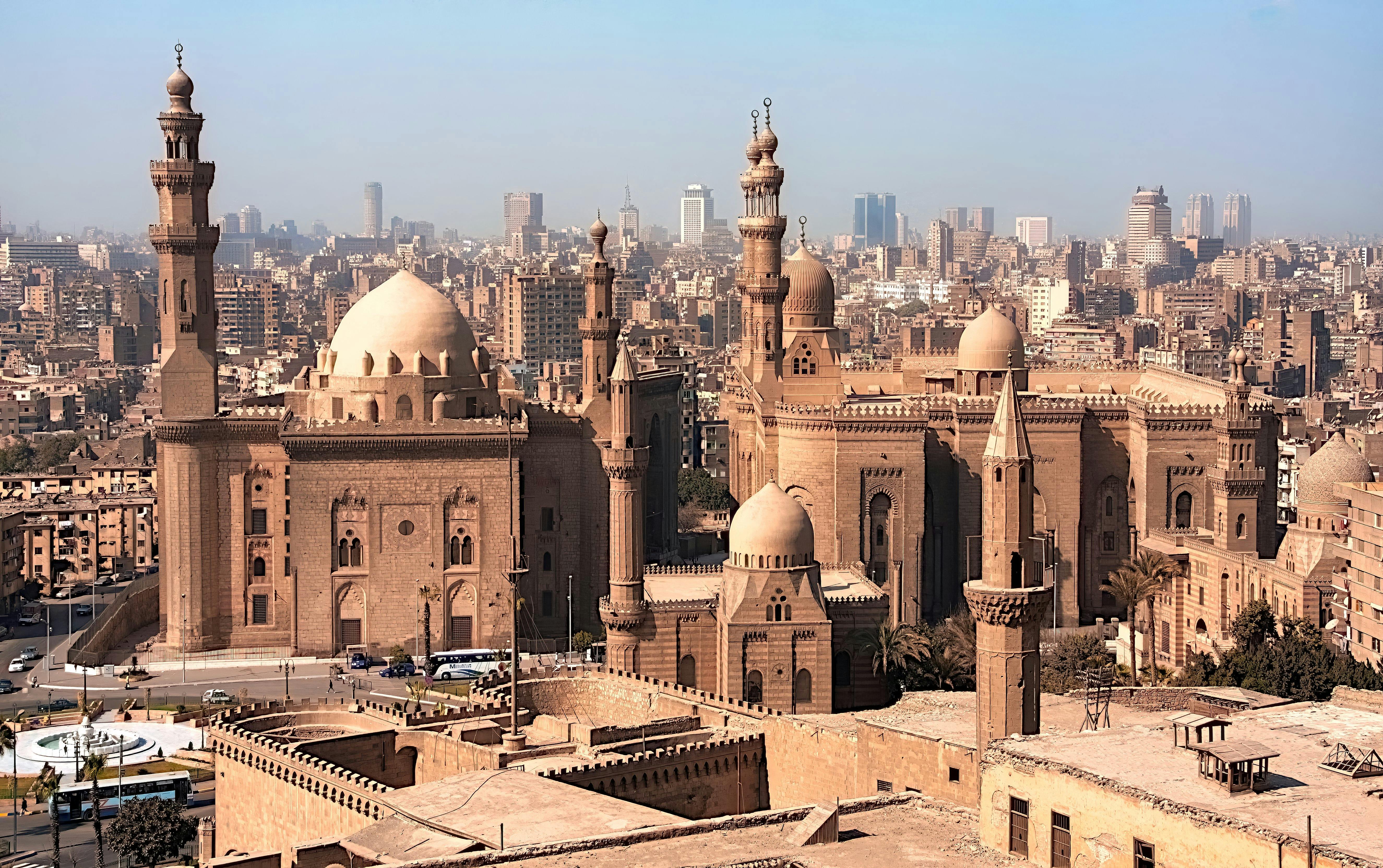
Cairo is one of the world’s great historic capitals: a city of pharaohs, caliphs, conquerors, scholars, and modern storytellers layered along the Nile. In and around the metropolis, you can stand before the last surviving wonder of the ancient world at Giza, then move on to medieval mosques, Ottoman lanes, belle-époque facades, and museum collections that compress millennia into a single afternoon.
It is also a city of contrasts and pleasures. One hour might bring a close look at a 4,500-year-old pyramid; the next, a cardamom-scented coffee in an old downtown café, a plate of koshary, or a felucca gliding past the riverbanks at sunset. Cairo rewards curiosity, patience, and early starts.
For practical planning in March 2025, Cairo remains a highly rewarding destination for travelers who use reputable transport, dress respectfully at religious sites, carry small cash for tips, and schedule major outdoor sights early to avoid traffic and midday heat. Egyptian food is reason enough to come hungry: ful medames, ta’ameya, grilled meats, pigeon, mezze, fresh sugarcane juice, and fine pastry all appear throughout this itinerary, alongside guidance on neighborhoods, tours, and sensible pacing.
Cairo
Cairo is not a city to be skimmed. It is loud, magnificent, unruly, cerebral, deeply hospitable, and filled with scenes that seem to belong to several centuries at once. The reward for giving it a full week is that you begin to see its rhythm: dawn over minarets, afternoon traffic swirling around Fatimid gates, and the Nile turning silver at dusk.
The headline attractions are world-famous for good reason: the Giza Pyramids, the Great Sphinx, and the Grand Egyptian Museum are among the most consequential historic sites on earth. Yet some of Cairo’s greatest pleasures are smaller and more human in scale: a breakfast of ful and ta’ameya in Zamalek, a walk down Al-Muizz Street, a sunset tea at a rooftop in Islamic Cairo, or an old-fashioned pastry stop after a museum visit.
For where to stay, first-time visitors often do best in Zamalek, Garden City, or central Giza depending on priorities. Browse VRBO stays in Cairo for apartment-style options, or compare full-service hotels on Hotels.com Cairo listings. For flights into Egypt, use Trip.com flights or Kiwi.com flight search; airport transfers are easiest pre-booked, especially after a long-haul arrival.
- Best neighborhoods for visitors: Zamalek for walkable cafés and embassies, Garden City for centrality and classic hotels, Downtown for historic atmosphere, and Giza for quick pyramid access.
- Recommended arrival transfer: Private Airport Transfer - Cairo International Airport, a useful way to avoid haggling after landing.
- Food highlights: koshary, grilled kofta and kebab, molokhia, stuffed pigeon, fresh bread, mezze, mahshi, and classic Egyptian breakfasts with ful and eggs.
- Good planning note: leave early for Giza and major day trips; Cairo traffic can turn short distances into long journeys.
Day 1 - Arrival in Cairo and a Gentle Nile Introduction
Morning: This is your travel day, so keep the morning focused on transit. For a smooth arrival, pre-book Private Airport Transfer - Cairo International Airport; it is especially helpful in Cairo, where first impressions can be hectic and signage, taxi negotiations, and traffic are not what most travelers want after a long flight.
Afternoon: Arrive, check in, and give yourself time to settle rather than rushing straight into major sightseeing. If you are staying in Zamalek, ease in with coffee at Beano’s or a quieter independent café nearby, then take a short walk along the Nile Corniche or through the leafy side streets of the island to absorb the city’s tone without overcommitting.
Evening: Start with an early dinner at Abou El Sid in Zamalek, one of the most dependable introductions to Egyptian cooking in an atmospheric setting; order molokhia, fatta, grilled meats, and mezzes, and notice how the menu captures the country’s home-style repertoire rather than tourist shorthand. If you want something lighter and more contemporary, Sequoia on the river is ideal for mezze, grills, and a polished Nile-side setting that works well on a first night. End with a low-key river view rather than a late outing, since tomorrow begins early.
Day 2 - Giza Pyramids and the Great Sphinx

Morning: Rise early for the Giza Plateau, when the light is kinder, the air cooler, and the site less crowded. A strong choice is the Half Day Tour Giza Pyramids &Great Sphinx with Private Tour Guide, which helps you avoid the usual confusion around entrances, routes, and persistent touts. The scale here is the story: Khufu, Khafre, Menkaure, and the Sphinx are not merely icons but feats of engineering and political imagination that still feel slightly impossible in person.
Afternoon: Stay near the plateau for lunch at 9 Pyramids Lounge if you want dramatic views, but go in understanding that the scenery is the principal draw. For a more food-focused meal back in the city, Andrea Mariouteya serves reliable grilled chicken, kebabs, mezze, and fresh bread in a leafy setting that many Cairo residents genuinely enjoy. Return to your hotel afterward for a rest; this is one of the wisest decisions in Cairo, where heat, dust, and traffic can make over-scheduling feel punishing.
Evening: For dinner, try Zooba if you want a smart rendition of Egyptian street-food staples in a clean, easygoing format; the ta’ameya, hawawshi, and koshary are particularly good for sampling several classics without ceremony. If you prefer a more traditional meal, head to Naguib Mahfouz Café in Khan el-Khalili for a historic setting and Egyptian dishes in the heart of old Cairo, though the atmosphere matters as much as the food. Keep the evening short and unhurried.
Day 3 - Grand Egyptian Museum and Giza Context

Morning: Dedicate the morning to the Grand Egyptian Museum, whose scale and presentation help make sense of what you saw at Giza yesterday. The Top VIP Private Tour Grand Egyptian Museum & the New Galleries is a practical way to navigate such a vast institution, especially if you want expert context on royal statuary, burial culture, and the museum’s major headline pieces.
Afternoon: Have lunch at a nearby hotel restaurant or return toward Zamalek for something more relaxed. In Zamalek, Tabali offers a stylish take on regional Egyptian and Levantine dishes in a setting that suits a long lunch, while Crimson is a strong choice if you want a terrace perspective over the river and a broader international menu. Spend the later afternoon browsing galleries or bookstores in Zamalek, or simply pause for coffee and pastry.
Evening: Tonight is well suited to a Nile experience. If you want an activity-driven night, the Pyramids Sphinx Camel ATV Bike Shopping and Nile Dinner Cruise includes a dinner-cruise component, though many travelers may prefer to keep today simpler and choose a calm riverfront dinner independently. A table at Pier 88 or a similar Nile-facing venue makes more sense after a museum day: civilized, scenic, and less theatrical.
Day 4 - Islamic Cairo, Al-Muizz Street, and Khan el-Khalili
Morning: Begin in Islamic Cairo with breakfast nearby or before departure: fresh baladi bread, ful, eggs, and tea are the right fuel for a walking morning. Explore Bab al-Futuh and Al-Muizz Street, one of the richest open-air stretches of medieval architecture anywhere in the Islamic world; its mosques, sabils, madrasas, carved facades, and stone portals make this less a street than a concentrated anthology of Cairo’s urban history.
Afternoon: Continue toward Khan el-Khalili, where the point is not just shopping but atmosphere. Dip into side lanes, look for brassworkers and perfume sellers, and stop for lunch at Naguib Mahfouz Café if you skipped it earlier, or choose a simpler local meal nearby. For coffee, El Fishawy remains famous for good reason: not because it is secret, but because it is one of the city’s enduring social theaters, all mirrors, tea glasses, and layered conversation.
Evening: As dusk falls, find a rooftop or elevated restaurant in the area for views over minarets and domes. Dinner in Old Cairo rewards traditional choices: mixed grills, lentil soup, stuffed vine leaves, and rice dishes feel especially fitting here. If energy remains, a short post-dinner stroll through the bazaar after many day-trippers leave can be one of the most atmospheric moments of the week.
Day 5 - Saqqara, Memphis, and Dahshur

Morning: Today extends the pyramid story beyond Giza and is often the day that history lovers remember most vividly. Book the 6- Hours Half Day Tour To Sakkara & Memphis & Dahshur for a coherent route through the Step Pyramid of Djoser at Saqqara, the ancient capital ruins at Memphis, and the bent and red pyramids at Dahshur. These sites give you the architectural evolution behind Giza, turning isolated marvel into legible historical process.
Afternoon: Return to Cairo for a late lunch. If you want something distinctly local, seek out koshary at Koshary Abou Tarek downtown, where layers of rice, lentils, macaroni, chickpeas, fried onions, tomato sauce, and garlic-vinegar dressing become a dish far more satisfying than its humble ingredients suggest. Rest afterward, because this morning’s archaeology circuit is substantial.
Evening: Make tonight culinary. For dinner, Fasahet Somaya is beloved for deeply personal Egyptian home cooking, though booking and timing matter because it is small and sought-after; if unavailable, fall back on Abou El Sid or another classic Egyptian table. End with dessert at Mandarine Koueider or a respected pastry shop for basbousa, konafa, or baklava.
Day 6 - Day Trip to Alexandria

This is the one day I recommend leaving Cairo proper. Alexandria offers a striking contrast: Mediterranean air, Greco-Roman memory, corniche views, and a more horizontal, sea-facing urban personality. The easiest option is the Alexandria Day Trip From Cairo, which simplifies a long day and typically covers key highlights such as the Bibliotheca Alexandrina exterior, Roman remains, coastal viewpoints, and major religious landmarks.
Expect roughly 2.5 to 3.5 hours each way by road depending on traffic. If you prefer to research transport independently for future trips, Egypt intercity options can be checked via Trip.com for broader travel searches, though for this itinerary a guided road day trip is usually the most efficient use of time.
In Alexandria, seafood is the move. Ask for grilled fish, sayadiya-style rice, calamari, and mezze in a harbor or corniche restaurant; the city’s cuisine is lighter and more maritime than Cairo’s, and the sea breeze alone feels like a palate cleanser. Return to Cairo in the evening and keep the night simple with tea or a light supper near your hotel.
Day 7 - Coptic Cairo, Downtown Cairo, and Departure
Morning: Spend your final morning in Coptic Cairo, where layered Christian history survives in a compact, contemplative quarter. The Hanging Church, the Church of St. Sergius and Bacchus, and the lanes around the old Roman fortress offer a quieter counterpoint to the monumental and medieval sites you have already seen. If you prefer one last museum-oriented flourish instead, you could substitute a return to the Grand Egyptian Museum or another focused collection, but Coptic Cairo gives the week a more rounded historical arc.
Afternoon: Depending on your departure time, fit in a farewell lunch downtown. Café Riche is more important historically than gastronomically, but it remains an evocative stop in Cairo’s modern intellectual geography; for a better final meal, choose a polished Egyptian or Levantine restaurant in Zamalek or Garden City. Leave ample time for the airport, as afternoon traffic can be severe.
Evening: This is departure day, so the evening is reserved for transit. If you need a final practical option, use the same trusted airport transfer arrangement as on arrival, and aim to leave earlier than you think necessary. Cairo is a city best remembered in layers, and this itinerary lets those layers accumulate properly rather than rushing from icon to icon.
Over seven days, this Cairo itinerary moves from the pharaohs of Giza and Saqqara to the scholars, merchants, and worshippers of medieval and Coptic Cairo, with the Nile stitching the whole experience together. It is a week built not only around headline sights, but around good meals, smart pacing, and enough neighborhood time for the city to feel inhabited rather than merely visited.
If you follow this plan, you will leave with more than photographs of pyramids. You will also carry the flavor of Egyptian breakfasts, the geometry of mosque facades, the hush of museum galleries, and the particular glow of Cairo after sunset when history seems, somehow, still present tense.