
7 Days in Bulgaria: A Sofia & Plovdiv Itinerary of Monasteries, Roman Ruins, and Mountain Views
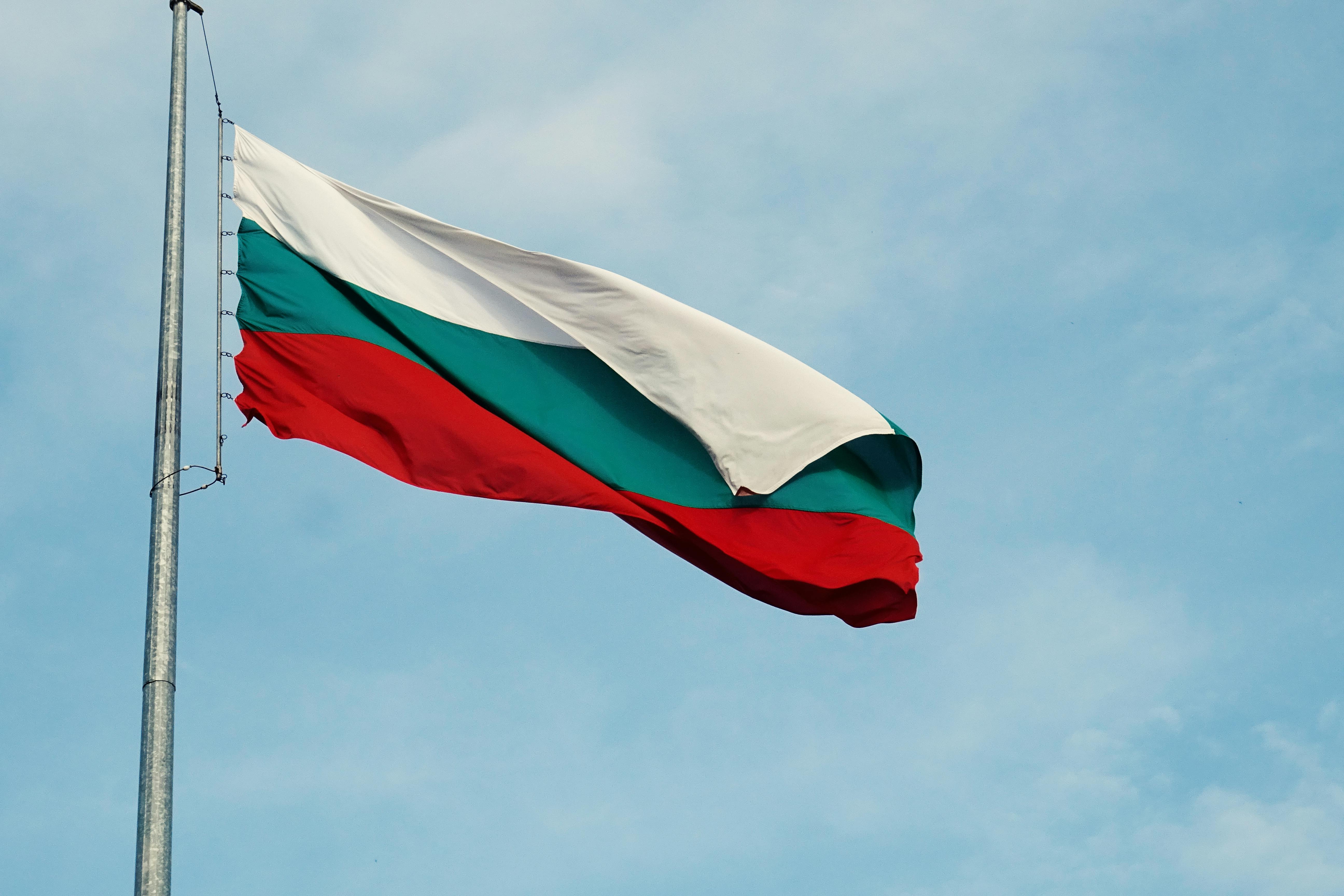
Bulgaria rewards travelers who like their Europe layered rather than polished smooth. Thracian tombs, Roman theatres, Ottoman-era streets, Orthodox monasteries, Soviet monuments, and contemporary wine bars all sit within a country that still feels refreshingly under-visited compared with its western neighbors.
Its capital, Sofia, is one of Europe’s oldest cities, and Plovdiv proudly argues an even older claim as one of the continent’s oldest continuously inhabited settlements. In a single week, you can move from gold-domed cathedrals and mineral springs to cobbled revival-era lanes, Roman arenas, and mountain scenery without spending half your holiday in transit.
Practically speaking, Bulgaria is good value, easy to navigate between major cities, and especially rewarding for travelers who enjoy hearty cuisine: banitsa, shopska salad, grilled meats, yogurt, and excellent local wine. As of March 2025, mainstream tourist routes in Sofia and Plovdiv remain viable and current; carry some cash for smaller purchases, use layered clothing for mountain excursions, and dress modestly when visiting monasteries and churches.
Sofia
Sofia is a capital with the temperament of a lived-in city rather than a museum set. It is ringed by mountains, crossed by Roman remains, and full of architectural collisions: onion domes, Austro-Hungarian facades, stern socialist blocks, and stylish modern cafés all within a walkable center.
The great pleasure here is contrast. One moment you are standing over ancient Serdica ruins under glass, the next you are inside the monumental Alexander Nevsky Cathedral, and by evening you are sipping Bulgarian Mavrud in a low-lit wine bar with students, diplomats, and local regulars.
For stays, browse VRBO Sofia rentals or Hotels.com Sofia stays. Particularly strong options include Sense Hotel Sofia for a polished central base near the cathedral, Novotel Sofia for modern comfort and easy airport access, and Hostel Mostel Sofia for budget travelers who still want a sociable, well-known address.
For your arrival into Bulgaria, compare flight options on Omio flights. Sofia Airport is about 20–30 minutes from the center by metro or taxi, making it one of the easier European capitals for a smooth first day.
- Viator activity: Sofia: History and Heritage - Small Group City Tour

Sofia: History and Heritage - Small Group City Tour on Viator - Viator activity: Rila Monastery and Boyana Church Full-Day Tour

Rila Monastery and Boyana Church Full-Day Tour on Viator - Viator activity: Communist Walking Tour of Sofia

Communist Walking Tour of Sofia on Viator - Viator activity: Wine Tasting in Heart of Sofia

Wine Tasting in Heart of Sofia on Viator
Day 1 - Arrive in Sofia
Morning: In transit to Bulgaria. For flight planning and schedules into the capital, use Omio flights.
Afternoon: Arrive in Sofia and check into your hotel. Keep your first outing gentle: stroll the compact historic core around the Largo, where the ancient ruins of Serdica lie beneath the modern city, then continue to the Presidency and the yellow-paved central boulevards that have become one of Sofia’s visual signatures.
Evening: Begin with dinner at Shtastlivetsa, a reliable Sofia favorite known for broad Bulgarian and European menus in an elegant but approachable setting; it is a good first-night choice because jet-lagged travelers can find everything from salads and grilled fish to classic comfort dishes. If you want something more rooted in national cuisine, choose Hadjidraganov's Houses for a theatrical but enjoyable introduction to regional Bulgarian cooking, folk-inspired interiors, and dishes such as kavarma and slow-cooked lamb. Finish with a short walk to Vitosha Boulevard for people-watching and a first glimpse of Vitosha Mountain looming beyond the city.
Day 2 - Sofia’s historic center in depth
Morning: Start with breakfast and coffee at Fabrika Daga, a respected artisan bakery-café where the pastries are serious, the coffee is well-made, and the room attracts a stylish local crowd rather than only visitors. Then explore Sofia’s religious landmarks: Alexander Nevsky Cathedral for its grand neo-Byzantine scale, Saint Sophia Basilica for the city’s namesake roots, and the tiny red-brick Church of St. George, a Roman rotunda that has survived empire after empire.
Afternoon: Join the Sofia: History and Heritage - Small Group City Tour for a concise, well-structured grounding in the capital’s layered past. Afterward, have lunch at Moma Bulgarian Food and Wine, one of the best places to try Bulgarian classics in a more refined setting; the shopska salad, stuffed peppers, and grilled meats are a fine survey of the national table. Spend the late afternoon in the Archaeological Museum or browsing the mineral springs area near the former Central Bathhouse.
Evening: If 20th-century history interests you, the Communist Walking Tour of Sofia adds excellent context to the city’s stern facades and monuments. For dinner, Raketa Rakia Bar is a smart choice: the retro-socialist décor is playful rather than kitschy, the rakia list is broad, and the menu gives Bulgarian staples a lively urban presentation. If you prefer wine over spirits, continue to the Wine Tasting in Heart of Sofia to discover just how old and underrated Bulgarian viticulture is.
Day 3 - Rila Monastery and Boyana Church day trip
Today is best devoted to a full excursion. Book the Rila Monastery and Boyana Church Full-Day Tour, one of the strongest outings from Sofia for travelers who want Bulgaria’s spiritual and artistic heritage in a single day. Boyana Church is famous for medieval frescoes whose emotional realism feels startlingly modern, while Rila Monastery, set against forested mountain scenery, is the country’s great monastic landmark and one of the essential sights in any Bulgaria itinerary.
Wear clothing that covers shoulders and knees for monastery interiors, and bring a light layer because mountain weather can shift. Back in Sofia in the evening, keep dinner simple at Made in Blue, where the cozy townhouse setting and Bulgarian-international menu make it ideal after a long excursion; the atmosphere is relaxed, and the food is consistently satisfying without demanding a late night.
Day 4 - Sofia to Plovdiv
Morning: Depart Sofia for Plovdiv. The most practical option is train, booked via Omio trains; expect roughly 2.5 to 3 hours, usually from about $10-$20 depending on class and availability. Buses can also work well via Omio buses, often taking around 2 to 2.5 hours and similarly inexpensive.
Afternoon: After hotel check-in, begin with Plovdiv’s Old Town, one of the loveliest urban quarters in the Balkans. The delight here is in the details: 19th-century National Revival mansions with painted facades, stone lanes curving over the hills, hidden courtyards, and sudden views over the newer city below.
Evening: For dinner, head to Pavaj, a long-standing favorite in the Kapana district, where the menu changes with the market and the atmosphere feels effortlessly current. Afterward, stroll Kapana, Plovdiv’s creative quarter, where former craft lanes now hold cocktail bars, design shops, and cafés; it is lively without being frantic, and ideal for a first evening in town.
Plovdiv
Plovdiv is the sort of city that wins people over by rhythm rather than spectacle alone. It spreads across hills, hides Roman ruins in plain sight, and has a center where ancient theatre stones, Bulgarian revival homes, and inventive restaurants coexist with unusual ease.
Its claim to antiquity is not empty marketing. This is a city where archaeology is not confined to one fenced site; it surfaces in stadium remains beneath shopping streets, in the Roman theatre still used for performances, and in the very shape of the old neighborhoods.
For accommodations, browse VRBO Plovdiv rentals or Hotels.com Plovdiv stays. Aim for the Old Town or Kapana area if you want to explore on foot and spend evenings amid the city’s best restaurants and bars.
Day 5 - Roman Plovdiv and Kapana
Morning: Start at Monkey House for specialty coffee and a lighter breakfast, or choose a central brunch café in Kapana for eggs, pastries, and a slow beginning. Then visit the Ancient Theatre of Philippopolis, one of Plovdiv’s great icons; still remarkably intact, it offers both dramatic views and an immediate sense of the city’s Roman prestige. Continue to the Roman Stadium area, where fragments of antiquity emerge beneath the modern pedestrian core.
Afternoon: Lunch at Aylyakria is a good move if you want contemporary Bulgarian small plates and local ingredients in a setting that captures Plovdiv’s relaxed confidence. Spend the afternoon in the Old Town’s house museums, especially Balabanov House and Hindliyan House, where richly painted interiors and merchant-era stories reveal how prosperous this city once was under Ottoman rule. If you enjoy panoramic walks, climb Nebet Tepe for sunset-worthy views and a sense of the ancient settlement that began here.
Evening: For dinner, choose Hebros Restaurant if you want a more polished evening in a historic mansion, or return to Kapana for a more casual but lively dinner-and-drinks circuit. End with a glass of Bulgarian wine in a tucked-away bar in Kapana; Plovdiv is one of the best places in the country to appreciate how modern Bulgarian food and drink culture has matured in the last decade.
Day 6 - Plovdiv day trip options or slow city day
Morning: If you want a structured excursion, take the Must-See Plovdiv Day Tour from Sofia only as a reference for the city’s classic highlights, but since you are already staying here, use today to deepen the experience independently. A strong option is a half-day outing by local transport or taxi toward Bachkovo Monastery, one of Bulgaria’s most important Orthodox sites, set in a wooded valley south of the city.
Afternoon: Return to Plovdiv for lunch at Smokini, a dependable choice known for good salads, grilled dishes, and an easygoing terrace atmosphere. Spend the afternoon exploring Kapana’s galleries and artisan shops at leisure, or visit Tsar Simeon Garden for a gentler urban interlude. This is also the right day to linger over coffee and people-watch; Plovdiv rewards unhurried travelers.
Evening: Make dinner memorable at Puldin Restaurant or another Old Town address with terrace views if available. Order a Bulgarian red, ideally Mavrud, a grape strongly associated with this part of the country, and toast the fact that few European cities combine this much antiquity and ease so gracefully.
Day 7 - Return to Sofia and depart
Morning: Travel back to Sofia in the morning by Omio trains or Omio buses. Plan about 2.5 to 3 hours by train or roughly 2 to 2.5 hours by bus, and budget around $10-$20. Morning departures work best to keep your final transfer low-stress before an afternoon flight.
Afternoon: If time permits before heading to the airport, have a final Bulgarian lunch in Sofia near the center or airport corridor, keeping the schedule conservative. Then continue to the airport for departure; again, compare flight timings via Omio flights.
Evening: In transit home, likely already plotting a return for the Black Sea coast, Veliko Tarnovo, or the Rhodope Mountains.
This 7-day Bulgaria itinerary gives you two of the country’s most rewarding cities without turning the week into a checklist. Sofia provides the grand historical frame, Plovdiv supplies texture and romance, and together they make a trip rich in ruins, monasteries, cuisine, and everyday Balkan warmth.