
7 Days in Budapest: Thermal Baths, Danube Views, and Ruin Bar Nights
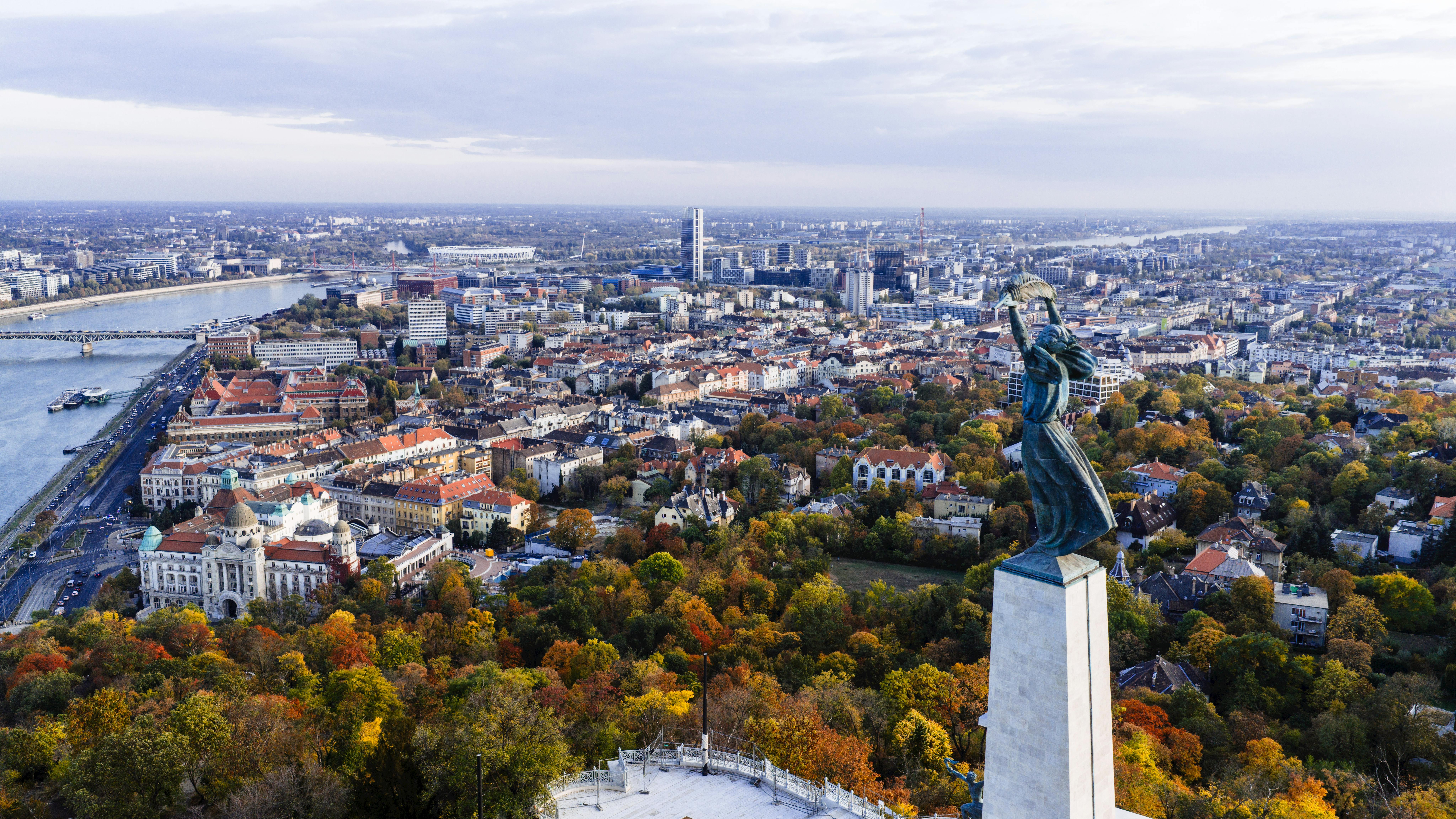
Budapest, the “Pearl of the Danube,” wears its history with pride. Split by the river into hilly Buda and buzzing Pest, the city showcases centuries of Habsburg grandeur, Art Nouveau elegance, and post-war resilience. From the turreted fairy-tale terraces of Fisherman’s Bastion to the domed might of the Hungarian Parliament, the skyline feels like a film set—especially at night.
The city’s soul steams up in its famed thermal baths, fed by hot springs since Roman times. Locals debate paprikás vs. pörkölt with the same energy they reserve for football—so you’ll eat well here, from hearty market lunches to refined, wine-led dinners. Evenings stretch late in the Jewish Quarter’s “ruin bars,” where derelict courtyards were reinvented into whimsical, plant-filled nightlife hubs.
Practical notes: Hungary uses the forint (HUF), and cards are widely accepted. Tipping is customary (10–12%). Many museums close on Mondays; thermal bath etiquette means swimsuits required, flip-flops recommended, and optional cabin rentals. Spring and fall bring mild weather and fewer crowds, while December’s Christmas markets add seasonal sparkle.
Budapest
Elegant and approachable, Budapest packs marquee sights into walkable districts with efficient metro, tram, and bus connections. The pleasures are layered: grand boulevards, Danube sunsets, courtyard gardens, and café culture that lingers.
- Top sights: Buda Castle District, Fisherman’s Bastion, Matthias Church, Hungarian Parliament, St. Stephen’s Basilica, Andrássy Avenue, Heroes’ Square, City Park, Central Market Hall, Margaret Island.
- Don’t miss: A Danube river cruise after dark, a soak at Széchenyi or Rudas Baths, a pastry stop at venerable confectioners, and a night wandering the Jewish Quarter’s creative bars.
- Where to eat and drink (favorites with character): - Breakfast/coffee: Cirkusz (brunch hits), Fekete (house-roasted coffee), Espresso Embassy (third-wave benchmark), Madal (calm, minimalist). - Classic Hungarian: Paprika Vendéglő (hearty portions near City Park), Rosenstein (Jewish–Hungarian heritage cooking), Kádár Étkezde (daytime, old-school comfort on weekends). - Contemporary/Mediterranean: Dobrumba (Levant flavors), Mazel Tov (glowing courtyard, Middle Eastern plates). - Sweets: Ruszwurm Confectionery (Buda Castle icon), Auguszt Cukrászda (family-run since 1870s). - Nightlife: Szimpla Kert (the original ruin bar), Élesztőház (serious craft beer), High Note SkyBar or 360 Bar (city panoramas).
Where to stay (easy booking): Browse vacation homes on VRBO Budapest or hotels on Hotels.com Budapest. Standouts include the riverfront art nouveau gem Four Seasons Hotel Gresham Palace Budapest, castle-district classic Hilton Budapest (steps from Matthias Church), stylish budget-friendly Maverick City Lodge in the Jewish Quarter, and family-favorite Aquaworld Resort Budapest with waterpark access.
How to get to Budapest: If you’re flying within Europe, compare fares on Omio flights (London–BUD ~2h30 from ~$40–120; Paris ~2h15; Rome ~1h45). For long-haul routes from the Americas or Asia, check Trip.com and Kiwi.com. Rail is excellent: Vienna–Budapest ~2h40 (€15–35), Bratislava–Budapest ~2h30 (€10–20), Prague–Budapest ~6h30 (€20–60) via Omio trains. From Budapest Airport, the 100E shuttle bus reaches the center in ~35–45 minutes (about 2,200 HUF); licensed taxis (Főtaxi) average 10,000–13,000 HUF depending on traffic.
Day 1: Arrival, Danube Promenade, and the First Taste of Pest
Afternoon: Land, check in, and shake off jet lag with a leisurely walk along the Danube Promenade between the Chain Bridge and the Parliament. Pause at the Shoes on the Danube memorial—simple, devastating, unforgettable. Coffee at Espresso Embassy or Fekete to reset your internal clock.
Evening: Dinner at Menza (retro-chic, reliable goulash and paprika chicken) or Dobrumba (bright, shareable mezze in a candlelit room). Finish with a digestif at High Note SkyBar atop the music-themed hotel—rooftop views over St. Stephen’s Basilica.
Day 2: Buda Castle District, Storybook Terraces, and a Candlelit Cruise
Morning: Cross the river to Castle Hill by the funicular or a brisk walk. Explore Matthias Church’s patterned roof and stained glass; linger on Fisherman’s Bastion for postcard views of the Parliament across the water. Snack stop at tiny Ruszwurm Confectionery (try the krémes).
Afternoon: Dive beneath the surface at the Hospital in the Rock (a Cold War–era emergency hospital in natural caves) or amble cobblestones to the Castle Garden Bazaar. Lunch at Pest-Buda Bistro (homey dishes, seasonal specials) or Baltazár Grill (open kitchen, Hungarian wines).
Evening: Settle into Budapest’s most atmospheric night: the Danube, the domes, and live music onboard.
Featured activity: Budapest Danube River Candlelit Dinner Cruise with Live Music (about 2.5 hours; ideal start-of-trip orientation).

Day 3: Parliament, Basilica, Andrássy Avenue, and Wine Bars
Morning: Tour Europe’s most photogenic legislature and glimpse the Holy Crown of Hungary.
Featured activity: Hungarian Parliament Audio Guided Tour (plan ~60–75 minutes; book ahead, slots sell out).

Afternoon: Lunch near the Parliament at Kispiac Bisztró (market-driven plates, intimate room). Walk Andrássy Avenue’s 19th‑century mansions to the House of Terror Museum for a sobering look at the fascist and communist eras (note: typically closed Mondays). Coffee pick-me-up at Madal.
Evening: Wine-focused dinner: Borkonyha Winekitchen (Michelin-starred, seasonal Hungarian cuisine with deep local list) or the cozy Kadarka Wine Bar (flights from Tokaj to Villány). Nightcap along Liberty Square or a gentle riverside stroll.
Day 4: City Park, Heroes’ Square, and Thermal Bliss at Széchenyi
Morning: Arrive early at Budapest’s most famous spa to enjoy the steaming outdoor pools before crowds.
Featured activity: Budapest Széchenyi Thermal Spa Ticket (Europe’s largest thermal complex; reserve locker or cabin).

Afternoon: Dry off and wander Heroes’ Square, then the romantic courtyards of Vajdahunyad Castle. If you love modern design and sound, the House of Music Hungary in City Park is worth a visit. Late lunch at Paprika Vendéglő (rich soups, paprika-forward mains) or at the Hold Street Market (Belvárosi Piac) for counter-service schnitzel at Buja Disznó(k).
Evening: Dive into the Jewish Quarter: dinner at Mazel Tov (grilled cauliflower, lamb kebabs, homemade lemonades) or Gettó Gulyás (regionally faithful stews). Bar-hop to Szimpla Kert’s eclectic rooms and Élesztőház for Hungarian craft brews.
Day 5: Markets, Tastings, and Sweet Traditions
Morning: Light breakfast at Cirkusz, then browse the Central Market Hall’s ground floor for paprika, cured meats, and honey; upstairs, scope out lángos (fried dough crowned with sour cream and cheese) if you dare a pre-tour snack.
Midday–Afternoon (tour):
Featured activity: Budapest Food Tour: Market to Tavern with 14+ Tasters & Wines (small-group, story-rich tasting walk—expect charcuterie, local cheeses, seasonal soups, pastries, and sips of Tokaji or Bikavér).

Evening: Dessert run at Auguszt Cukrászda (seasonal cakes) or heritage Café Gerbeaud (Dobos torte classic). If energy returns, catch a classical recital or organ concert at St. Stephen’s Basilica; late drink at 360 Bar with blankets if it’s cool.
Day 6: Szentendre Day Trip, Margaret Island Sunset
Morning: Take the suburban HÉV train from Batthyány tér to Szentendre (~40 minutes; small supplement to standard tickets). This artsy, cobbled town mixes Serbian church spires with pastel baroque facades. Pop into tiny galleries; try a chimney cake from a streetside vendor.
Afternoon: Lunch at a Danube-side terrace (grilled fish and dödölle potato dumplings appear in season). Return to Budapest and rent bikes or a small buggy on Margaret Island: loop through gardens, the musical fountain, and the medieval ruins. Pause on the Margaret Bridge lookout for a sweeping skyline view.
Evening: Dinner at Rosenstein (reserve ahead; goose liver terrine, veal paprikás, excellent pickles) or the intimate Kispiac Bisztró if you missed it. Optional late soak at Rudas Baths’ rooftop pool with nighttime river views.
Day 7: Last Sips and Souvenirs
Morning: Breakfast at Madal or Fekete, then browse the antique shops along Falk Miksa Street (think Austro-Hungarian curios and mid-century glass). If you prefer a reflective finale, visit the Dohány Street Synagogue and the Holocaust memorial park nearby (plan 60–90 minutes; dress modestly).
Afternoon (departure): Pick up paprika, Tokaji, and handmade chocolates at Central Market Hall if you’re heading to the airport. The 100E airport bus runs frequently from Deák Ferenc tér; allow extra time for security during peak seasons.
Local logistics and smart tips
- Transit: Budapest’s metro, trams (especially the scenic No. 2 along the Danube), and buses are punctual. Consider a 24–72‑hour travelcard for unlimited rides (priced roughly in the 2,500–6,500 HUF range depending on duration).
- Dining culture: Many kitchens close between lunch and dinner; late-night eats cluster in the Jewish Quarter. A 10–12% tip is customary unless a service charge is listed.
- Bath etiquette: Bring sandals; rent towels on-site if needed. Mineral water can be hot—alternate with cool plunges and rehydrate often.
- Seasonal notes: Summer brings festivals and outdoor pop-ups; December markets light up Vörösmarty Square. Mondays: some museums close—plan Parliament/Basilica/castle walks instead.
Optional booking and transport tools: For European flights and rail, compare on Omio flights and Omio trains (buses: Omio buses). Long-haul flight deals: Trip.com and Kiwi.com. Lodging: Hotels.com Budapest and VRBO Budapest.
Why this 7-day Budapest itinerary works: It stacks the big hitters (Parliament, Castle District, baths, Danube) early, then layers in neighborhoods, tastings, and a breezy day trip—so you truly see both Buda and Pest and still have time to exhale.
Final flourish: Budapest shines brightest at dusk when stone turns honey-gold and the river mirrors the lights. Leave room in your schedule for that one extra coffee, that unexpected wine bar, that slow walk over the bridge—you’ll be glad you did.